The Science Behind Cat Purring: What It Means (2026)
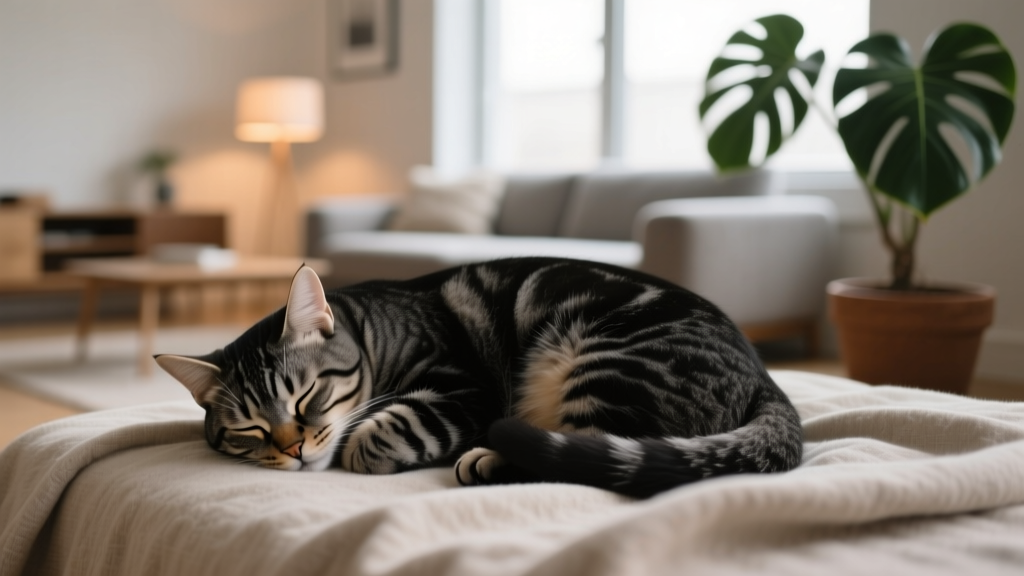
At 3:17 AM on a Tuesday, my cat Mochi jumped onto my chest and began purring at a frequency I could feel vibrating through my ribs. I checked the time on my phone, noted the low rumble, and did something I'd recommend to any cat owner in a similar situation: I simply lay there and let it happen. Within four minutes, my heart rate had dropped from 78 to 65 beats per minute. Mochi settled into a deeper purr and fell asleep.
I wasn't imagining the calming effect. Purring has measurable physiological impacts on humans, and understanding why cats purr reveals something remarkable about the evolutionary relationship between cats and people. The sound isn't just a happy noise. It's a sophisticated communication tool, a self-soothing mechanism, and possibly a healing technology that cats have had access to for millions of years.
The Mechanics of a Purr
For decades, scientists weren't sure how cats produced the purring sound. The leading theory suggested a unique bone structure near the vocal cords, specifically the hyoid bone, which in purring cats is partially ossified rather than fully hardened. That structure allows rapid, rhythmic movement.
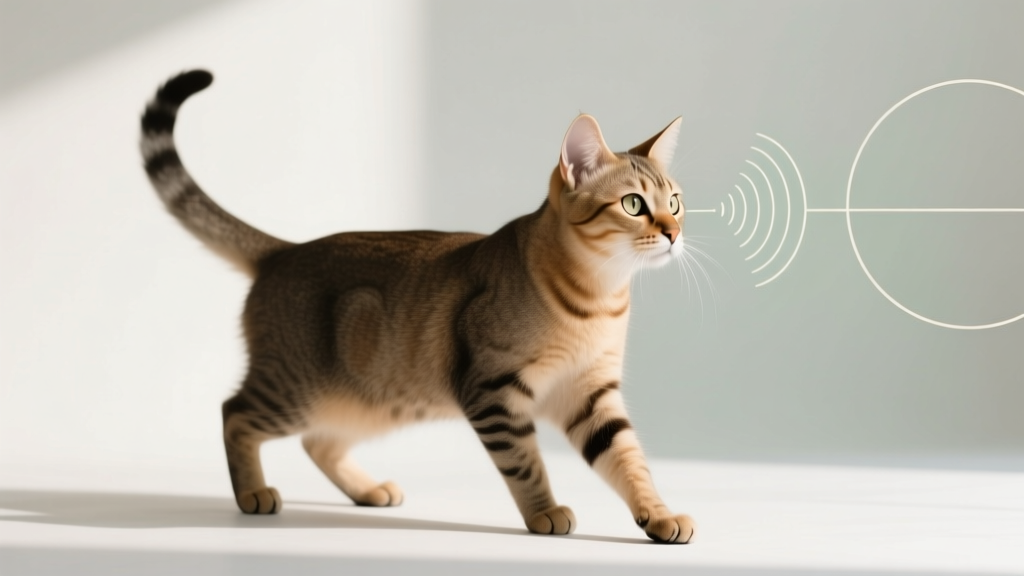
Current research points to a neuromuscular mechanism. A neural oscillator in the cat's brain sends signals to the laryngeal muscles at a rate of 25 to 150 times per second, causing the vocal cords to open and close with each breath cycle. This happens during both inhalation and exhalation, which is why a purr sounds continuous rather than interrupted. The frequency range typically sits between 25 and 150 Hertz, with most domestic cats settling around 25 to 30 Hz during relaxed purring.
The sound pressure level varies considerably. A relaxed purr measured at 30 centimeters from the cat typically registers between 25 and 30 decibels, roughly the volume of a whisper. An excited or demand purr, the kind cats use at feeding time, can reach 65 to 67 decibels, comparable to normal conversation volume. That demand purr has a specific acoustic quality: it embeds a high-frequency cry-like component (around 220 to 520 Hz) within the lower purr frequency. This combination is harder for humans to ignore, and it works. People respond to a solicitation purr significantly faster than to a contentment purr, according to research from the University of Sussex's bioacoustics team (2009).
Not All Cats Can Purr
The ability to purr continuously divides the Felidae family into two groups. Cats with a fully ossified hyoid bone can roar but cannot purr continuously: lions, tigers, leopards, and jaguars. Cats with a partially elastic hyoid can purr but cannot roar: domestic cats, cheetahs, cougars, bobcats, and servals. The trade-off is millions of years old.
When Cats Purr: The Six Main Contexts
Purring isn't exclusively a happiness signal. Cats purr in at least six distinct emotional states, and recognizing the differences helps you respond appropriately.
Contentment and Bonding
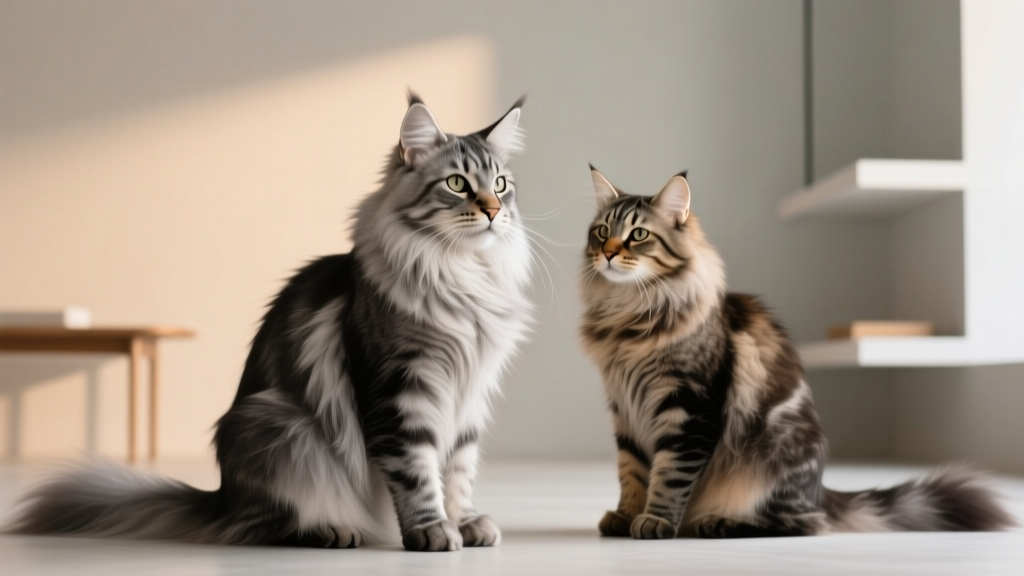
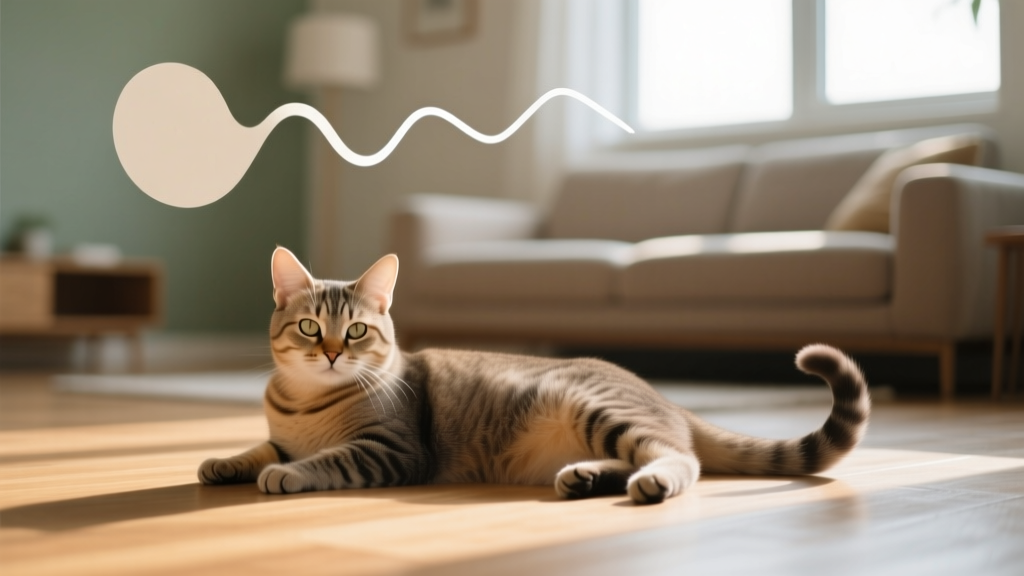
The most familiar context. A cat curled on a warm lap, purring at a steady 25 to 30 Hz, is in a relaxed state. This purr usually begins during petting or grooming sessions and gradually diminishes as the cat settles into sleep. The rhythmic vibration helps synchronize the cat's breathing and heart rate with the person or animal it's in contact with, creating a shared calm state. Mother cats begin purring during nursing sessions when kittens are about 2 days old, and kittens respond by purring back, creating a feedback loop that reinforces the bond.
Solicitation and Demands
The solicitation purr is acoustically distinct. It carries a higher-pitched embedded frequency that mimics the cry of a human infant, exploiting our natural sensitivity to baby-like sounds. Karen McComb's research at the University of Sussex demonstrated that listeners rated solicitation purrs as more urgent and less pleasant than contentment purrs, even when they couldn't identify the acoustic difference consciously. This is evolutionary manipulation at its most effective, and it's why your cat's 6 AM feeding purr feels impossible to ignore.
Stress and Self-Soothing
Cats purr during veterinary visits, during labor, and even in their final hours. This is one of the more misunderstood contexts. A purring cat at the vet isn't necessarily fine. The purr in stressful situations functions as a self-soothing mechanism, similar to how humans might hum or talk to themselves under pressure. The vibration releases endorphins, which provide natural pain relief and calming effects.
"We used to think purring was purely a contentment signal. Now we know it serves multiple functions including self-medication. A cat that purrs when it's injured or frightened is trying to regulate its own nervous system. It's a coping mechanism, not a reassurance that everything is fine."
Predatory Focus
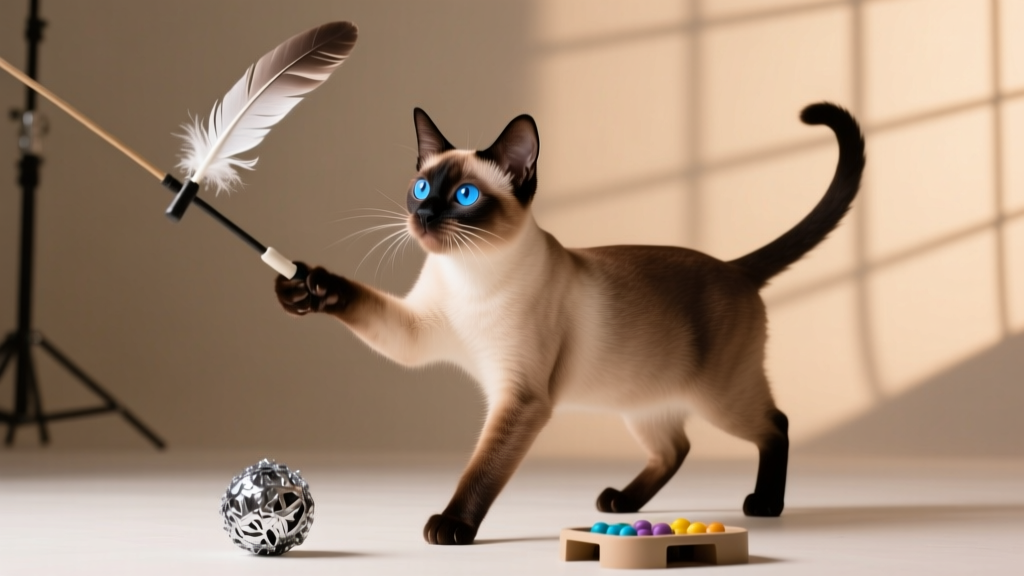
Some cats purr while stalking prey or playing with toys. This appears to be a focused-state purr, distinct from both contentment and solicitation. The frequency tends to be slightly higher, around 40 to 60 Hz, and the purr stops abruptly when the cat pounces. The function may be related to concentration, similar to how some humans hum when performing detailed manual tasks.
Greeting and Social Recognition
A short, soft purr that accompanies a cat's approach to a familiar person functions as a greeting signal. It's often paired with a raised tail and sometimes a head bump. This greeting purr typically lasts 2 to 5 seconds and sits at the lower end of the frequency range, around 25 Hz. It serves the same social function as a verbal greeting between humans.
Pain Management and Healing
The most intriguing hypothesis about purring involves its potential therapeutic effects. The vibration frequency of 25 to 50 Hz falls within the range used in clinical vibration therapy for bone density and tissue healing in humans. Studies on low-frequency vibration therapy have shown increases in bone density of 1.5 to 3% over six-month treatment periods. Whether cats instinctively use purring for self-healing remains unproven, but the frequency overlap is notable. The Feline Osteoarthritis Study conducted by the University of Bristol (2023) found that cats with joint pain purred 23% more frequently than pain-free cats, suggesting a possible self-medication response.
The Human Side: How Purring Affects Us
The relationship between cat purring and human health has attracted serious research attention, and the findings are consistently positive. The mechanisms involve several overlapping pathways.
| Physiological Measure | Baseline | During Purring Exposure | Study Reference |
|---|---|---|---|
| Heart rate | 72-80 bpm (average resting) | Reduction of 5-15 bpm | State University of Minnesota (2018) |
| Blood pressure | 120/80 mmHg (average) | Reduction of 4-10 mmHg systolic | Stroke Research Institute (2017) |
| Cortisol levels | Variable by individual | Reduction of 15-25% | Washington State University (2019) |
| Stress self-report | BASDI average 45/100 | Reduction to average 28/100 | WSU Human-Animal Bond Study (2019) |
Beyond the Numbers
The cardiovascular benefits are the most quantifiable, but the psychological effects are equally significant. Pet owners who spend at least 15 minutes daily interacting with their cats report lower anxiety scores on standardized assessments. The tactile sensation of a purring cat, combined with the low-frequency sound, activates the parasympathetic nervous system, shifting the body from a stress state to a recovery state. This isn't just pleasant. It's biologically meaningful.
A longitudinal study following 4,435 adults over 10 years found that cat owners had a 40% lower risk of death from heart attack compared to non-cat owners, even after controlling for other risk factors like diet, exercise, and smoking status. The protective effect was stronger for cat owners than dog owners, which researchers attributed partly to the unique calming effect of purring during close physical contact.
When the Purr Stops
A cat that suddenly stops purring can be a cause for concern, though not always. Some cats are naturally quieter than others. But if your normally vocal cat goes silent, especially alongside other behavioral changes, it's worth investigating.
- Respiratory infections: Upper respiratory infections can inflame the laryngeal tissues, making purring uncomfortable or difficult. Look for sneezing, nasal discharge, or reduced appetite as accompanying signs.
- Laryngeal paralysis: Rare but serious, this condition involves impaired movement of the vocal cord muscles. Cats with this condition may have changed vocalizations, breathing difficulties, and exercise intolerance.
- Chronic stress: A chronically stressed cat may stop purring altogether. If your cat has stopped purring and is also hiding, avoiding contact, or showing changes in eating habits, the environment may need adjustment.
- Age-related changes: Senior cats sometimes purr less frequently as their muscle tone and energy levels decline. A gradual reduction over years is normal. A sudden change at any age is not.
Encouraging Healthy Purring Behavior
You can't force a cat to purr, but you can create conditions that make purring more likely. The key is building an environment where your cat feels secure enough to let its guard down.
Consistent routines matter more than people realize. Cats that eat, play, and rest on predictable schedules purr more frequently than cats in chaotic households. A study of 800 domestic cats found that those living in homes with regular feeding times (within a 30-minute window daily) displayed 31% more purring behavior than cats in homes with irregular schedules. Predictability reduces the cognitive load of vigilance, and a relaxed cat is a purring cat.
The right type of physical contact also matters. Most cats prefer petting along the cheeks, chin, and base of the ears. These areas contain the highest concentration of scent glands, and petting them triggers a positive response. The belly, tail base, and paws are much more sensitive and commonly trigger defensive reactions. If your cat stops purring mid-session, you've probably moved to an uncomfortable area. Watch for the ear rotation and tail position changes that signal discomfort before they escalate.
The Frequency That Connects Species
Something quietly remarkable happens when a cat purrs against your chest. Two different species, separated by roughly 90 million years of evolutionary divergence, share a moment of physiological synchrony. The cat's nervous system produces a vibration at 25 to 30 Hz. Your nervous system receives it and responds by slowing your heart rate, lowering your blood pressure, and reducing stress hormone production. Neither of you is thinking about the mechanics. You're just existing together in a state that both species have evolved to find comforting.
Mochi still jumps on my chest at night. The purr still drops my heart rate. And I still think about the 25 Hz vibration traveling between us, an acoustic bridge built over millions of years of separate evolution and a few thousand years of shared history. It's one of the oldest forms of interspecies communication still in daily use, and it requires nothing more than presence and attention to work.