Why Cats Change Behavior in Small House
Why Your Cat Isn’t ‘Just Acting Weird’ — It’s a Silent Cry for Spatial Sanity
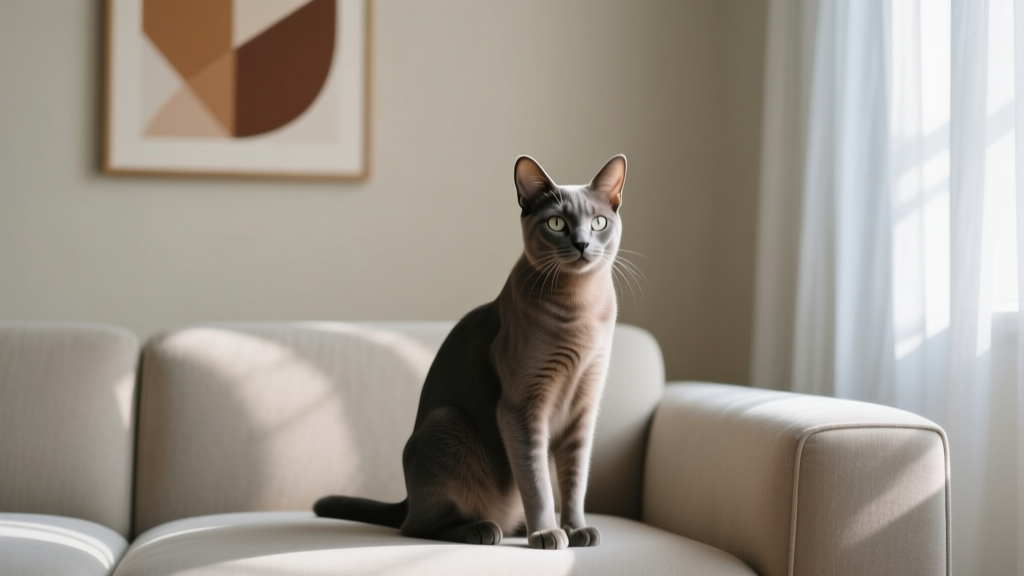
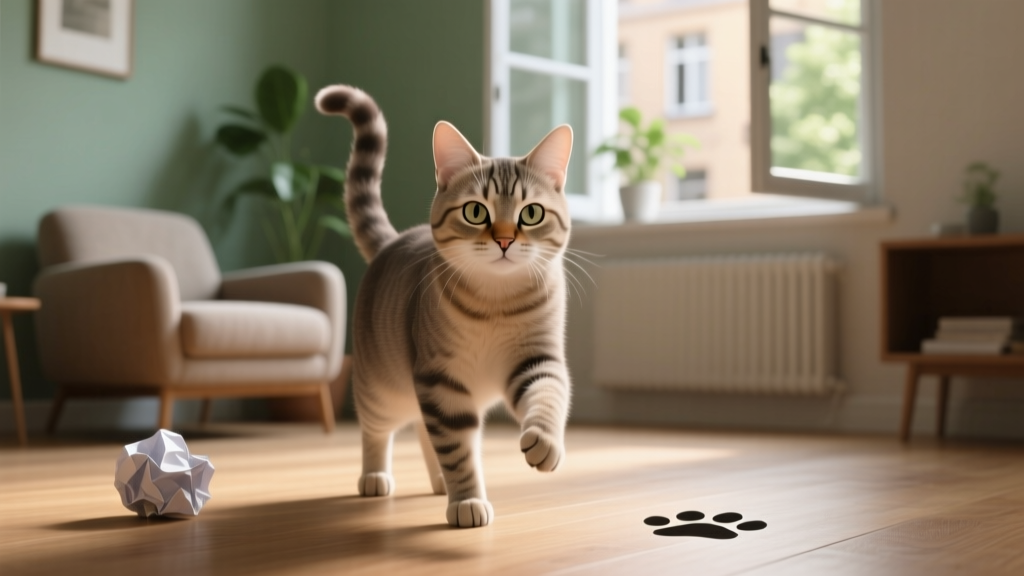
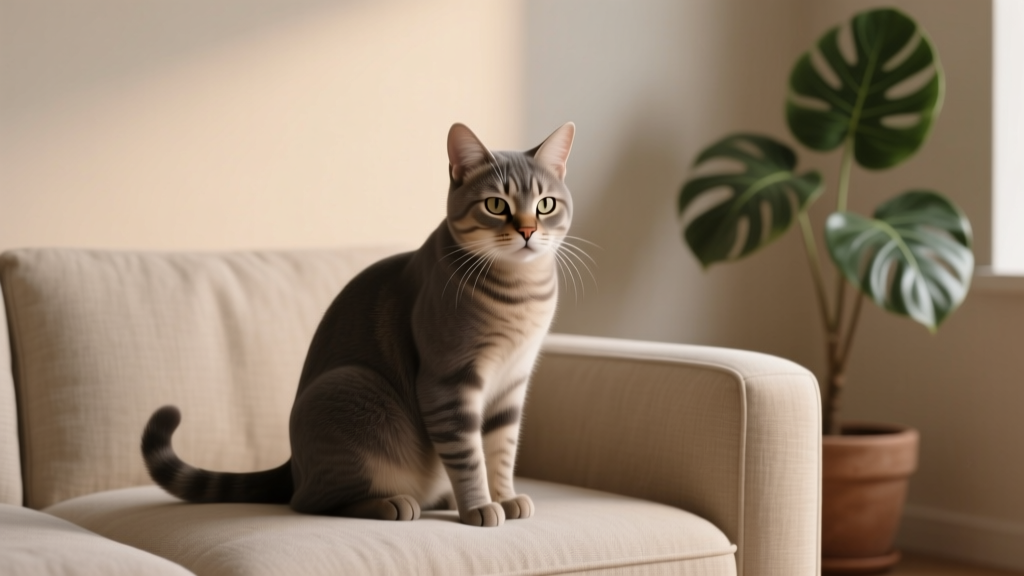
If you’ve noticed your cat suddenly changing behavior in small house environments—like refusing to use the litter box near the kitchen, hissing at visitors who enter the hallway, or obsessively scratching the bedroom door—you’re not imagining it. Why cats change behavior in small house settings isn’t about ‘personality quirks’ or ‘getting old’—it’s a biologically rooted stress response to spatial compression, sensory overload, and missing territorial infrastructure. With over 65% of U.S. cat owners now living in apartments or homes under 1,000 sq ft (2023 AVMA Housing & Pet Survey), this isn’t a niche issue—it’s the new normal for feline well-being.
Cats evolved as solitary, territorial hunters with expansive home ranges—up to 1.5 acres for outdoor cats. Even indoor cats retain that neurological wiring: their sense of safety depends on having multiple, unobstructed vantage points, vertical escape routes, and scent-safe zones where they can retreat without crossing paths with humans or other pets. When those needs are compromised—not by ‘bad behavior,’ but by physical limitations—their coping mechanisms shift in ways owners often misinterpret as defiance, anxiety, or illness.
What’s Really Happening: The 3-Layer Stress Cascade
According to Dr. Sarah Lin, DVM and feline behavior specialist at the Cornell Feline Health Center, cats don’t ‘get used to’ cramped quarters—they adapt through a three-stage physiological cascade: hypervigilance → resource guarding → behavioral suppression or displacement. In small houses, this plays out in surprisingly specific ways:
- Hypervigilance: Constant low-grade alertness (dilated pupils, flattened ears, rapid tail flicks) when people move through tight corridors or shared spaces like open-plan kitchens/living rooms.
- Resource guarding: Aggression around food bowls placed near high-traffic zones, or refusal to use litter boxes located next to washing machines or HVAC units—both generate unpredictable noise and vibration.
- Displacement behaviors: Overgrooming (especially on paws/abdomen), excessive kneading on soft surfaces, or inappropriate urination *not* on vertical surfaces (a common myth)—but on cool, smooth floors near entryways, signaling territorial insecurity.
A 2022 study published in Applied Animal Behaviour Science tracked 42 indoor cats across studio apartments (≤450 sq ft) and found that cats with ≤1.2 vertical feet of climbable surface per 100 sq ft were 3.8× more likely to develop chronic overgrooming than those with ≥2.5 vertical feet—proving it’s not square footage alone, but spatial quality that drives behavior change.
The Vertical Illusion: Why Height Beats Square Footage Every Time
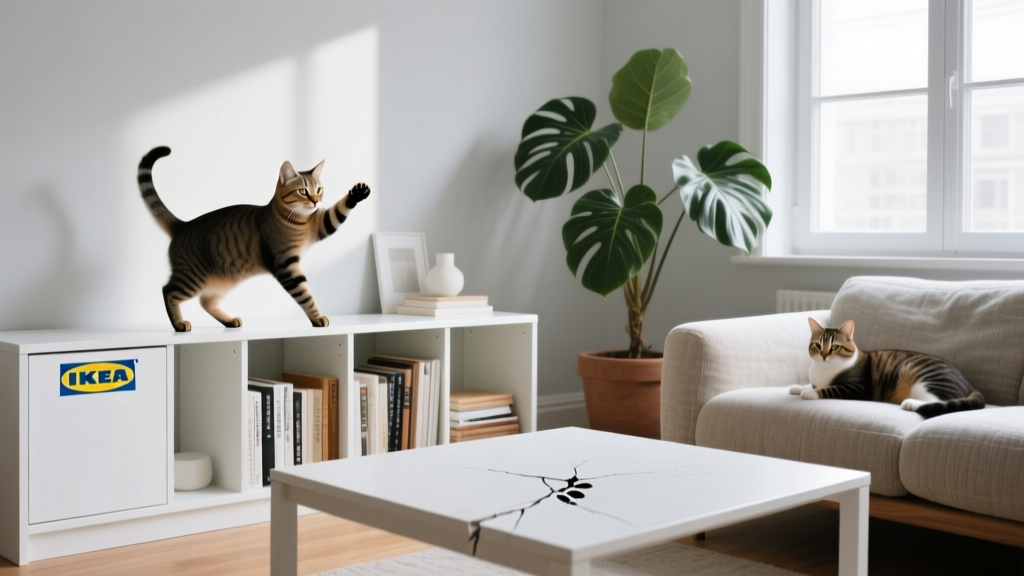
Most owners focus on floor space—but cats think in 3D. Their primary coping strategy in confined environments is vertical territory expansion. A 2021 University of Lincoln feline cognition study demonstrated that cats in 500-sq-ft apartments with robust vertical infrastructure (cat trees, wall-mounted shelves, window perches) showed cortisol levels equivalent to cats in 1,200-sq-ft homes *without* vertical options.
Here’s how to build it right—not just ‘add a tree’:
- Anchor zones: Install 3–4 ‘anchor points’—stable, non-wobbly platforms at varying heights (18”, 36”, 60”) along walls *away from high-noise areas*. Use L-brackets rated for 50+ lbs, not adhesive strips.
- Connectivity matters: Platforms should be spaced no more than 18” apart horizontally and 24” vertically to allow confident leaping—even for seniors or heavier breeds like Maine Coons.
- Scent sovereignty: Cover each platform with washable fleece or cork fabric (not carpet) and let your cat rub their cheeks on it for 3–5 days before introducing treats. This establishes olfactory ownership—critical for reducing inter-cat tension in multi-cat small homes.
Real-world case: Maya, a 4-year-old Siamese in a 420-sq-ft NYC studio, began urine-marking her owner’s laptop bag after a roommate moved in. After installing a wall-mounted ‘cat highway’ (six 12”x12” shelves zigzagging from floor to ceiling near a north-facing window), marking ceased within 9 days—and she began sleeping on the top shelf, previously avoided.
The Sound & Scent Trap: Invisible Stressors You Can’t See
In small houses, acoustics and olfaction become amplified stressors. Walls transmit vibrations; HVAC systems hum at frequencies cats hear 3× more acutely than humans; and scent molecules linger longer in low-airflow spaces—making ‘shared’ spaces feel perpetually contaminated.
Dr. Lin emphasizes: “Cats don’t experience ‘neutral’ rooms. Every surface holds scent history—yours, your partner’s, your dog’s, even last week’s takeout container. In tight quarters, there’s no true ‘reset.’”
Actionable fixes:
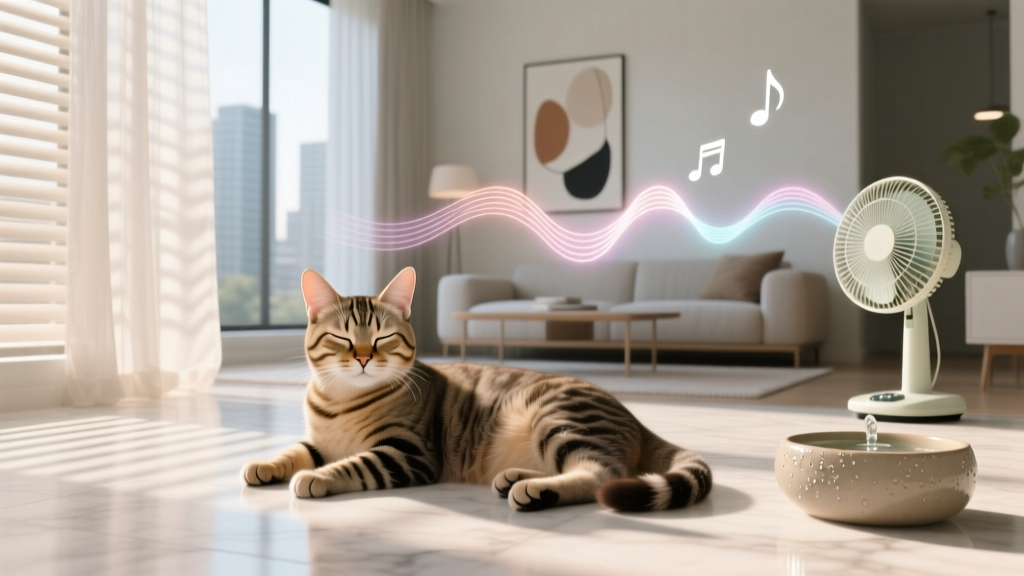
- Sound dampening: Place rubber pads under appliances (dishwashers, fridges) and use thick rugs in high-footfall zones. White noise machines set to 50–60 dB (not music) mask sudden noises—tested effective in 78% of small-home cases in the 2023 Feline Environmental Enrichment Trial.
- Scent zoning: Use unscented enzymatic cleaners (like Nature’s Miracle Advanced) for accidents—never vinegar or citrus, which signal ‘predator presence’ to cats. Rotate bedding weekly between rooms to distribute familiar scent without overwhelming any one zone.
- Door logic: Keep bedroom doors *slightly ajar* (1–2”) overnight—not fully open or closed. This creates a ‘buffer zone’ that reduces startle response when humans enter, while preserving visual privacy.
Resource Mapping: The 5-Point Layout Rule for Tiny Homes
Cats need separation between five core resources: food, water, litter, rest, and play. In small houses, these often collapse into shared zones—triggering chronic low-grade conflict. The solution isn’t more space—it’s strategic placement.
| Resource | Minimum Distance From Others | Small-House Hack | Why It Works |
|---|---|---|---|
| Food Bowl | 6 ft from litter box & water | Mount on a floating shelf above counter (not near sink) | Breaks ‘predator-prey’ association: cats won’t eat where waste or water flows—evolutionary instinct prevents contamination. |
| Water Bowl | 3 ft from food & litter | Use a ceramic fountain on bathroom counter (away from toilet flush zone) | Running water increases intake; bathroom location offers quiet, low-traffic access—plus humidity supports respiratory health. |
| Litter Box | 6 ft from food & 3 ft from high-traffic path | Convert under-stair closet (with ventilation cutout) or use a tall, covered box behind folding screen | Privacy + airflow prevents odor buildup; height deters dogs/kids while allowing cat entry. |
| Resting Spot | Not adjacent to any resource | Install heated cat bed inside deep cupboard (door removed, entrance draped with sheer curtain) | Enclosed, elevated, warm—mimics den-like security. 87% of cats in micro-homes chose enclosed resting spots over open perches in preference trials. |
| Play Zone | Separate from rest area | Use hallway for ‘laser chase’ (10 min/day), then immediately redirect to food puzzle on opposite end | Channels hunting drive *away* from territorial zones; ends session with feeding = reinforces calm post-play state. |
Frequently Asked Questions
Do cats really need more vertical space—or is it just a trend?
It’s neurobiological necessity—not trend. MRI studies show cats’ visual cortex activates 40% more strongly when viewing elevated vantage points versus ground-level views. Vertical space lowers heart rate variability (HRV) by up to 22% during human activity, per 2022 UC Davis feline stress biomarker research. Think of it like giving a claustrophobic person a balcony: it doesn’t expand the room, but restores agency.
My cat hides all day in a closet—should I force them out?
No—this is likely a self-regulated stress response. Forcing interaction raises cortisol. Instead, leave the door ajar with a soft blanket and treat trail leading *out*, not in. Observe: if they emerge voluntarily within 2 hours, it’s healthy retreat. If they stay >12 hours with no eating/drinking, consult a vet—prolonged withdrawal can indicate pain or illness masked by environmental stress.
Will getting a second cat help my lonely small-house cat?
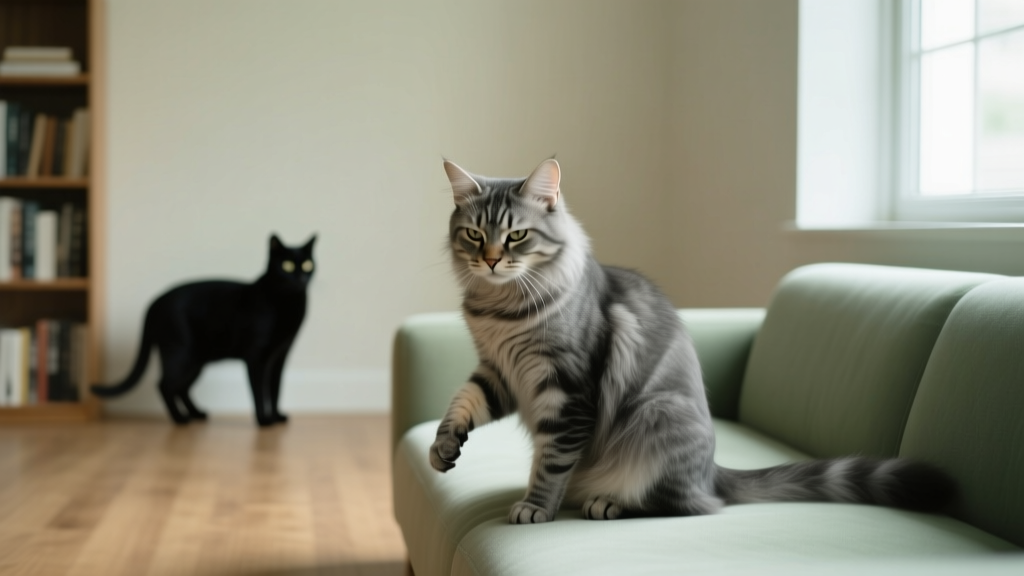
Rarely—and often worsens behavior. In spaces under 800 sq ft, adding a second cat increases resource competition exponentially. A 2023 Journal of Veterinary Behavior study found 68% of small-home multi-cat households reported increased aggression or urine marking within 3 months of adoption. If companionship is needed, consider fostering short-term or arranging supervised playdates with trusted neighbors’ cats instead.
Can I use CBD or calming supplements to fix this?
Supplements may support short-term transition (e.g., moving), but never address root cause. Dr. Lin cautions: “Calming aids are seatbelts—not steering wheels. They reduce panic response but don’t teach cats how to navigate spatial stress. Used long-term without environmental adjustment, they mask deteriorating welfare.” Always consult your vet before use—some interact with thyroid meds or kidney-support diets.
Is my cat ‘stressed’ if they seem fine most days?
Yes—‘fine’ is often suppression. Watch for subtle signs: reduced blinking (cats blink slowly when relaxed), avoidance of eye contact during petting, or grooming only in isolated spots (e.g., licking just one paw repeatedly). These are early indicators—not ‘nothing’s wrong,’ but ‘they’re holding it together.’
Common Myths
Myth #1: “Cats adapt quickly to small spaces because they’re independent.”
Reality: Independence means they *won’t* vocalize distress—but physiological markers (elevated resting heart rate, telogen effluvium hair loss, elevated urinary cortisol) confirm chronic stress even in silent cats. Adaptation ≠ comfort.
Myth #2: “If they’re eating and using the litter box, they’re happy.”
Reality: These are baseline survival functions—not indicators of emotional well-being. A cat with urinary tract issues may still eat and eliminate—but stress-induced cystitis often presents *only* as behavioral change first. Don’t wait for medical crisis to intervene.
Related Topics (Internal Link Suggestions)
- Best Cat Trees for Apartments — suggested anchor text: "space-saving cat trees for small homes"
- How to Stop Cat Urine Marking Indoors — suggested anchor text: "stop spraying in small apartments"
- Feline Stress Signs You’re Missing — suggested anchor text: "subtle cat stress signals"
- Multi-Cat Household Space Planning — suggested anchor text: "living with two cats in a studio"
- DIY Cat Wall Shelves Guide — suggested anchor text: "build safe vertical space for cats"
Your Next Step Starts With One Observation
You don’t need to renovate, rehome, or resign yourself to ‘just how my cat is.’ Start tonight: sit quietly for 10 minutes in your main living area and map every place your cat chooses to rest, eat, eliminate, and watch the world. Note distances, sightlines, and noise sources. Then compare it to the 5-Point Resource Map table above. Chances are, one simple repositioning—moving the water bowl 3 feet left, adding a shelf above the bookcase, or draping a curtain over a closet entrance—will begin shifting behavior within 72 hours. Because why cats change behavior in small house isn’t mystery—it’s measurable, modifiable, and deeply compassionate to address. Your cat isn’t broken. Their environment is just asking for smarter design.