What Is Typical Cat Behavior Natural? 7 Instinct
Why Understanding What Is Typical Cat Behavior Natural Changes Everything
If you’ve ever stared at your cat mid-stare, watched them suddenly sprint through the house at 3 a.m., or wondered why they bring you dead leaves (or worse) and dropped them at your feet—you’re not alone. What is typical cat behavior natural isn’t just about listing quirks—it’s about recognizing the evolutionary blueprint behind every paw tap, tail flick, and ear swivel. Cats haven’t undergone the same domestication pressure as dogs; they remain obligate predators with deeply conserved instincts. Misinterpreting these behaviors as ‘odd,’ ‘aggressive,’ or ‘broken’ leads to unnecessary stress—for both cats and owners. In fact, a 2023 study published in Applied Animal Behaviour Science found that 68% of cats surrendered to shelters exhibited behaviors labeled ‘problematic’ by owners—yet over 92% were later confirmed by feline behavior specialists to be entirely within the normal, natural range.
The Evolutionary Roots: Why Your Cat Acts Like a Tiny Wildcat
Cats diverged from their wild ancestors—the Near Eastern wildcat (Felis lybica)—only ~12,000 years ago. Unlike dogs, who co-evolved to read human cues, cats retained autonomy: they chose to live near humans for rodent control, not for companionship. This means their ‘natural’ behavior isn’t designed to please us—it’s optimized for survival, territory management, and resource conservation. Dr. Mikel Delgado, certified cat behavior consultant and researcher at UC Davis, puts it plainly: ‘Cats don’t have a “people-pleasing” gene. Their behavior makes perfect sense when viewed through the lens of ecology—not etiquette.’
Consider these foundational drivers:
- Temporal flexibility: Cats are crepuscular—not strictly nocturnal. Their peak activity windows align with dawn and dusk, when prey is most active. That 4 a.m. yowl? It’s not rebellion—it’s biological timing.
- Scent-first cognition: A cat’s olfactory bulb is 14x larger (relative to brain size) than a human’s. They navigate the world via pheromones, urine marks, and cheek-rubbing—not visual landmarks.
- Energy budgeting: Domestic cats sleep 12–16 hours daily—not out of laziness, but to conserve energy for short, explosive bursts of hunting (up to 30 mph in under 2 seconds).
When we label a behavior ‘abnormal,’ we often mistake efficiency for dysfunction.
Decoding the 7 Most Misunderstood Natural Behaviors (With Real-Life Examples)
Below are the most frequently misinterpreted—but perfectly natural—behaviors observed across thousands of client consultations by veterinary behaviorists at the American College of Veterinary Behaviorists (ACVB). Each includes what it signals, why it evolved, and how to respond.
- Kneading with Paws (‘Making Biscuits’): A neonatal reflex carried into adulthood. Kittens knead mammary tissue to stimulate milk flow. In adults, it signals deep contentment—and is often paired with purring and slow blinking. Case study: Luna, a 4-year-old rescue tabby, kneaded her owner’s lap daily after adoption. Her shelter file noted ‘anxious history’—but her kneading, combined with relaxed posture and half-closed eyes, indicated secure attachment, not regression.
- Bringing ‘Gifts’ (Toys, Leaves, or Prey): Not a ‘present’ in the human sense. It’s a teaching behavior: mother cats bring disabled prey to kittens to practice killing. When your cat drops a toy mouse at your feet, they’re inviting you into their social group—and attempting to train you. Ignore it, and they’ll try harder. Thank them calmly (no praise, no punishment), then redirect with interactive play.
- Slow Blinking (‘Cat Kisses’): A deliberate, voluntary signal of trust. In the wild, closing eyes near another animal is high-risk—so doing so voluntarily communicates safety. A 2020 University of Sussex study confirmed cats reciprocate slow blinks from humans 79% of the time—and are more likely to approach afterward.
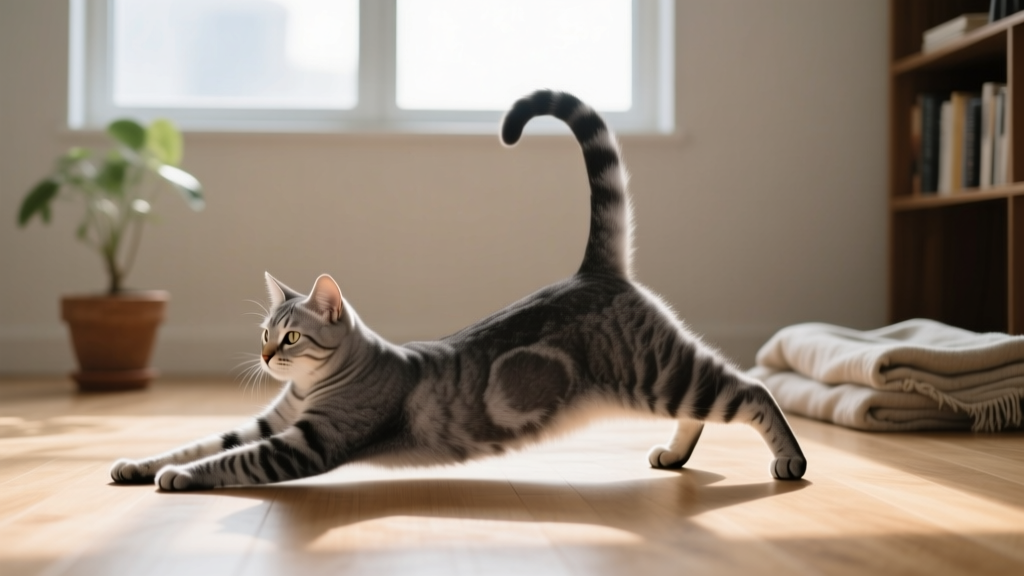
- Scratching Vertical Surfaces: Not ‘destruction.’ It serves four simultaneous functions: claw maintenance (sheds outer sheaths), muscle stretching (especially shoulder and back), territorial marking (via scent glands in paws), and visual signaling (visible scratch marks). Banning scratching without providing alternatives triggers stress-related overgrooming or inappropriate elimination.
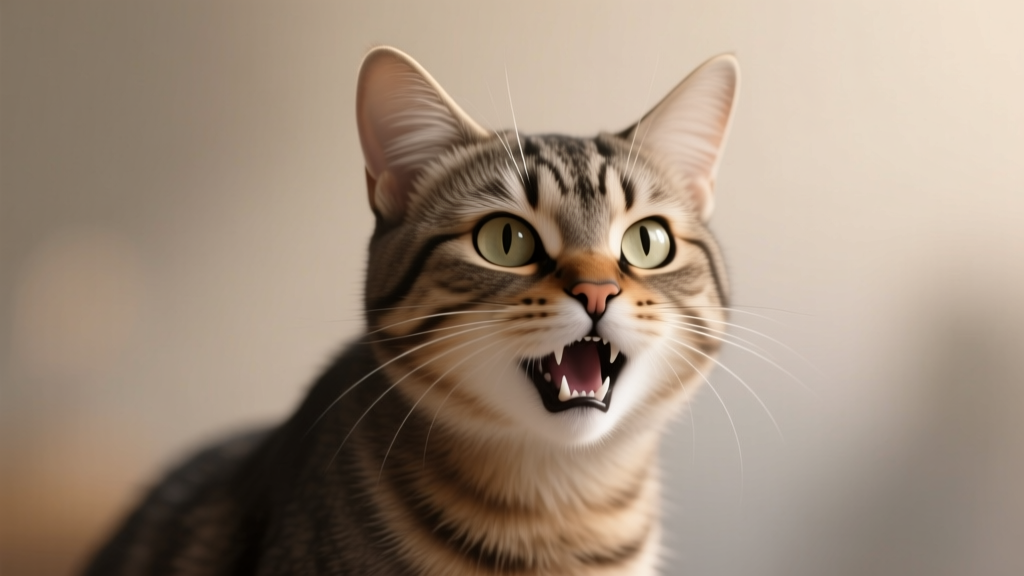
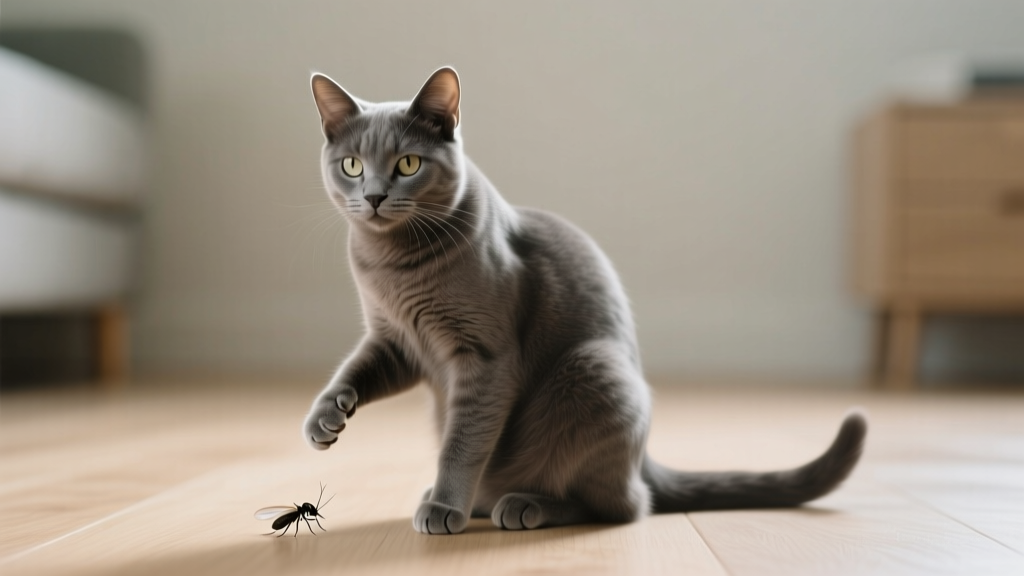
- Chattering at Windows: A motor pattern linked to the jaw movement used to dispatch small prey (a ‘killing bite’). It’s triggered by visual stimulation + frustration at being unable to hunt. Not anxiety—excitement mixed with thwarted instinct.
- Rolling Onto Back (Exposing Belly): Often misread as ‘inviting belly rubs.’ In reality, it’s a high-trust, low-threat posture—like saying ‘I feel safe enough here to show vulnerability.’ But touching the belly usually triggers defensive swatting because that area is highly sensitive and unprotected. Respect the gesture—don’t interpret it as permission.
- Midnight Zoomies (Frenetic Random Activity Periods - FRAPs): Energy release after long rest periods. Especially common in young cats and indoor-only cats lacking environmental enrichment. Not ‘crazy’—it’s self-regulation. One ACVB case tracked a 2-year-old Siamese whose FRAPs decreased by 83% after adding vertical space (cat trees), puzzle feeders, and scheduled 5-minute wand-play sessions at dusk.
When ‘Natural’ Crosses Into ‘Concerning’: The Subtle Red Flags
Understanding what is typical cat behavior natural helps you spot true deviations. As Dr. Sarah Heath, European Veterinary Specialist in Behavioral Medicine, emphasizes: ‘Behavior change is often the first sign of illness—even before physical symptoms appear.’ Here’s how to distinguish natural variation from clinical concern:
- Frequency & Context: A single hiss during vet handling is natural. Hissing at family members during routine interactions for >3 days straight? Not typical.
- Consistency vs. Sudden Shift: A lifelong shy cat hiding during storms is natural. A formerly sociable cat retreating for >48 hours without obvious trigger warrants a vet visit.
- Functionality: Natural behaviors serve purpose (e.g., grooming maintains coat health). Obsessive licking that causes bald patches or skin lesions is not functional—and points to pain, allergy, or anxiety.
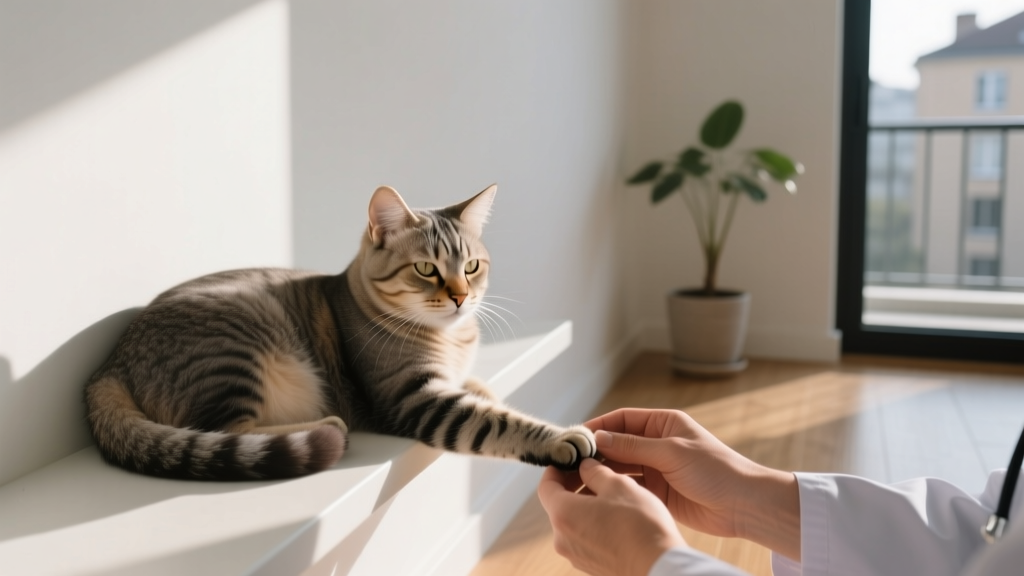
Always rule out medical causes first. A 2022 Cornell Feline Health Center review found that 41% of cats referred for ‘aggression’ had underlying dental disease, hyperthyroidism, or arthritis—conditions causing pain that manifested as avoidance or redirected aggression.
Building a Cat-Centered Environment: Practical Steps Backed by Ethology
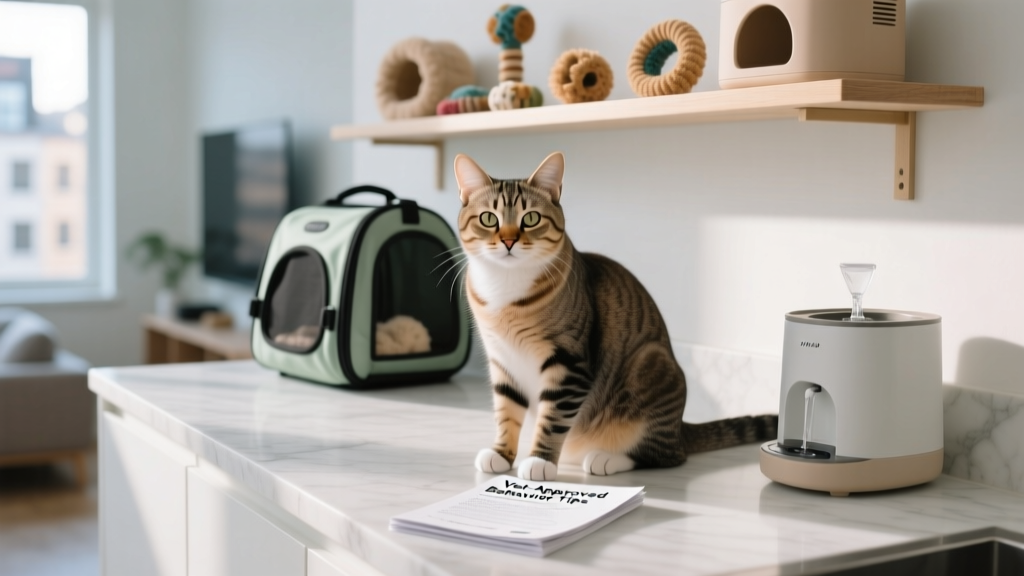
Knowing what is typical cat behavior natural isn’t enough—you must design surroundings that support it. Enrichment isn’t luxury; it’s welfare. Below is a research-informed framework, validated across 17 shelter and home environments in a 2021 ASPCA longitudinal study:
| Enrichment Category | Core Natural Need Addressed | Minimum Daily Action | Why It Works (Evidence) |
|---|---|---|---|
| Hunting Simulation | Predatory sequence completion (stalking → chasing → capturing → killing → eating) | Two 5-minute interactive play sessions using wand toys (mimicking birds/mice), ending with a food reward | Cats completing full predatory sequences show 37% lower cortisol levels (measured via saliva) vs. those given only food puzzles (Journal of Feline Medicine & Surgery, 2020) |
| Vertical Territory | Height-based security & surveillance | At least one elevated perch per cat, ≥3 ft high, with multiple access routes | Cats with vertical space exhibit 52% fewer inter-cat conflicts in multi-cat homes (University of Lincoln, 2019) |
| Scent Security | Olfactory stability & identity reinforcement | Avoid strong cleaners; use Feliway Classic diffusers in high-traffic zones; rotate 1–2 familiar blankets weekly | Cats in scent-stable environments show 64% faster acclimation post-relocation (International Society of Feline Medicine, 2022) |
| Safe Withdrawal Zones | Control over social exposure | At least one enclosed, quiet hideaway per cat (e.g., covered bed, cardboard box, tunnel) placed away from foot traffic | Cats with consistent access to hideaways display significantly lower resting heart rates (PLOS ONE, 2021) |
Frequently Asked Questions
Is it normal for my cat to stare at me silently for minutes?
Yes—this is typically a form of focused attention rooted in observation, not threat assessment. Cats watch humans to predict routines (e.g., meal times, departure cues). If accompanied by slow blinks, it’s often affectionate. However, prolonged unblinking stares paired with flattened ears, dilated pupils, or rigid posture may indicate anxiety—especially if new to your home or following a recent change.
Why does my cat lick me, then gently bite?
This is a natural social grooming behavior called ‘allogrooming’—common among bonded felines. The light bite (often called a ‘love nip’) mimics how mothers groom kittens or how peers reinforce bonds. It’s rarely aggressive unless preceded by tail-lashing, growling, or skin-twitching. If biting breaks skin, it’s likely overstimulation—not malice—and signals your cat needs a break from tactile input.
My cat hides when guests arrive—is that abnormal?
No. Hiding is a primary stress-coping strategy for cats, who lack the socialization window dogs possess. Most cats need 3–7 days to assess new people as non-threatening. Forcing interaction increases fear. Instead: let guests ignore the cat, place treats nearby, and allow the cat to initiate contact. A 2023 study in Animals showed cats introduced this way formed positive associations 3x faster than those subjected to forced petting.
Do cats really ‘not care’ about their owners?
That’s a myth rooted in outdated anthropomorphism. Cats form secure attachments—but express them differently. A landmark 2019 Oregon State University study used the ‘secure base test’ (adapted from human infant research) and found 64.3% of cats displayed secure attachment to owners—comparable to human toddlers. They simply show love through proximity, slow blinks, and following you—not exuberant greetings.
Is spraying urine the same as normal urination?
No—spraying is a distinct, upright marking behavior involving tail quivering and backward-spray onto vertical surfaces. It’s driven by pheromone communication, not elimination. Normal urination occurs squatting, on horizontal surfaces. Spraying can be natural (intact males, multi-cat households) or stress-induced (new pets, construction). Always consult a vet first to rule out urinary tract infection or crystals.
Common Myths About Natural Cat Behavior
Myth #1: “Cats are aloof because they’re independent.”
Reality: Independence ≠ indifference. Cats evolved as solitary hunters, but they form complex social structures when resources allow. Feral colonies show cooperative kitten-rearing, allomarking, and shared sleeping. Their ‘aloofness’ is often misread patience—they observe before engaging, conserving energy for meaningful interaction.
Myth #2: “If my cat doesn’t purr, they’re unhappy.”
Reality: Purring occurs during stress, labor, injury, and contentment—it’s a self-soothing mechanism tied to frequencies (25–150 Hz) shown to promote bone density and tissue repair. Many cats purr while recovering from surgery. Conversely, some deeply bonded cats rarely purr but follow owners constantly, sleep on chests, and greet with chirps.
Related Topics (Internal Link Suggestions)
- Understanding Cat Body Language — suggested anchor text: "how to read cat tail positions and ear angles"
- Cat Stress Signs You’re Missing — suggested anchor text: "subtle signs your cat is anxious"
- Multi-Cat Household Harmony — suggested anchor text: "reducing tension between cats naturally"
- Indoor Cat Enrichment Ideas — suggested anchor text: "best puzzle feeders for bored cats"
- When to See a Feline Behaviorist — suggested anchor text: "cat behavior specialist near me"
Final Thought: Observe, Don’t Judge—Then Respond With Compassion
What is typical cat behavior natural isn’t a static checklist—it’s a dynamic, individualized expression of biology, history, and environment. Every chin rub, chirp, and sudden leap carries meaning rooted in 12,000 years of evolution. When you shift from asking ‘Why is my cat doing this?’ to ‘What need is this meeting?’, you transform confusion into connection. Start today: spend 10 minutes observing your cat without interaction—note their resting spots, blink frequency, and how they move between spaces. Then, make one small environmental tweak: add a shelf, rotate a toy, or sit quietly nearby without reaching. That’s where true understanding begins—not in textbooks, but in shared, respectful presence. Ready to go deeper? Download our free Natural Behavior Tracker worksheet to log patterns and spot meaningful shifts over time.