Typical Cat Digestion Behavior: 7 Subtle Signs
Why Your Cat’s Digestive Behavior Is a Silent Health Report Card
What is typical cat behavior for digestion? It’s not just about whether your cat poops — it’s the full sequence of quiet, instinct-driven actions that happen before, during, and after eating: the slow blink after a meal, the deliberate kneading before napping, the precise 15-minute post-dinner grooming session, even the way they choose (or avoid) certain litter box locations. These aren’t random quirks — they’re evolutionary adaptations honed over 9,000 years of domestication, and they form a nuanced behavioral fingerprint of gastrointestinal wellness. Yet most owners only notice something’s wrong when vomiting starts — by then, the issue may have been brewing for days. Understanding what’s typical gives you the power to catch imbalances early — before they escalate into vet visits, costly diagnostics, or chronic conditions like inflammatory bowel disease (IBD) or food sensitivities.
How Cats Digest Differently Than Humans (and Why Behavior Reflects That)
Cats are obligate carnivores with a short, acidic digestive tract optimized for rapid protein breakdown — not fermentation or fiber processing. Their stomach pH can drop below 2.0 (more acidic than battery acid), allowing them to safely consume raw meat and kill pathogens. This biological reality shapes their behavior in profound ways. For example, unlike dogs or humans, cats rarely eat large meals; instead, they engage in micro-feeding: 10–20 small meals per day in the wild. Domesticated cats retain this pattern — but when fed only twice daily, they may compensate with stress-related behaviors like excessive grooming or pacing before meals. According to Dr. Sarah Wooten, DVM and certified feline practitioner, “A cat who waits silently by the food bowl at 6:00 a.m. sharp isn’t ‘trained’ — they’re expressing circadian hunger cues wired into their hypothalamus. Disrupting that rhythm — say, by inconsistent feeding times — triggers cortisol spikes that directly suppress gastric motility.”
This physiological-behavioral link explains why seemingly unrelated actions — like increased vocalization before breakfast or sudden avoidance of the water bowl near mealtime — can signal subtle dysbiosis or delayed gastric emptying. In one 2022 University of Bristol observational study tracking 142 indoor cats over 12 weeks, researchers found that cats exhibiting three or more deviations from baseline digestive behavior (e.g., skipping post-meal grooming, sleeping in new locations after eating, or reduced litter box visits within 4 hours of food) were 3.8x more likely to develop clinical GI signs within 14 days — even with normal bloodwork and stool tests.
The 7 Pillars of Typical Digestive Behavior (and What Each One Really Means)
“Typical” doesn’t mean identical across all cats — it means consistent for that individual. Below are the seven most clinically validated behavioral anchors veterinarians and feline behaviorists use to assess gut health. Track these for 5–7 days to establish your cat’s personal baseline:
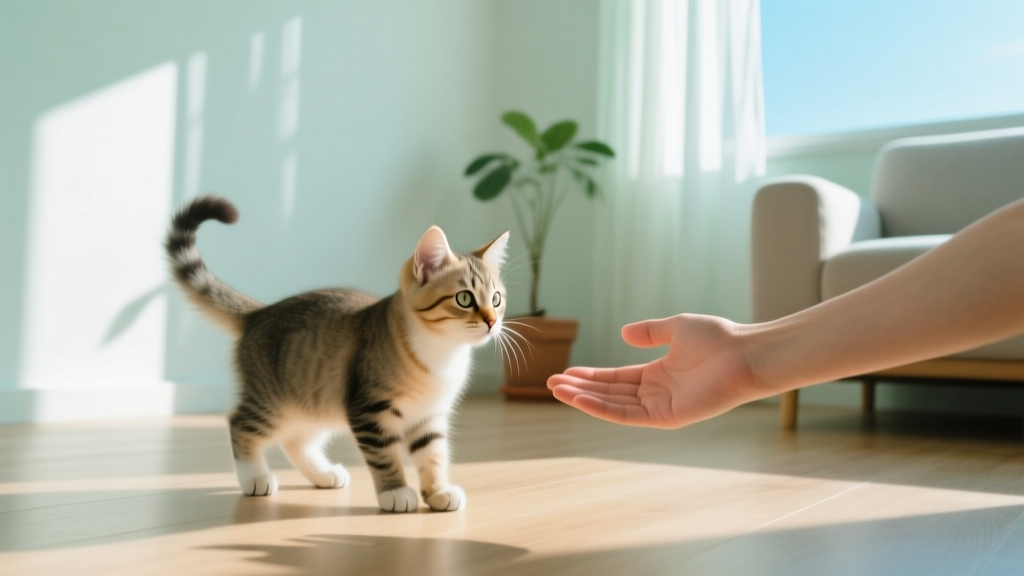
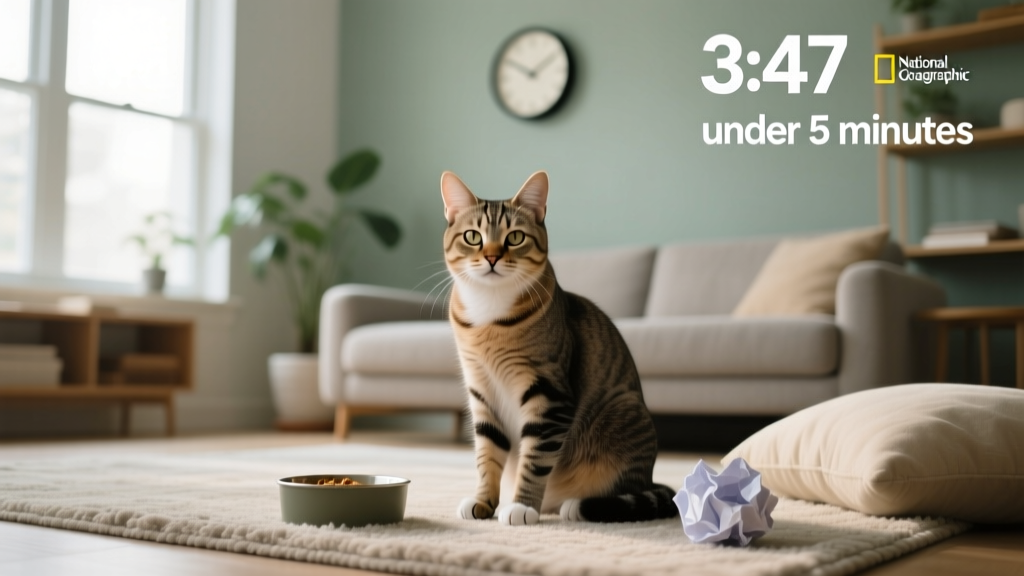
- Pre-Meal Anticipation: A calm, focused alertness — ears forward, tail held low but still, slow blinking. Not frantic meowing or pawing (which suggests anxiety or hunger dysregulation).
- Meal Duration & Pace: Most healthy cats consume a standard portion (e.g., ¼ cup kibble or 3 oz wet food) in 4–8 minutes. Eating in under 90 seconds or taking >25 minutes may indicate oral pain, nausea, or dental issues.
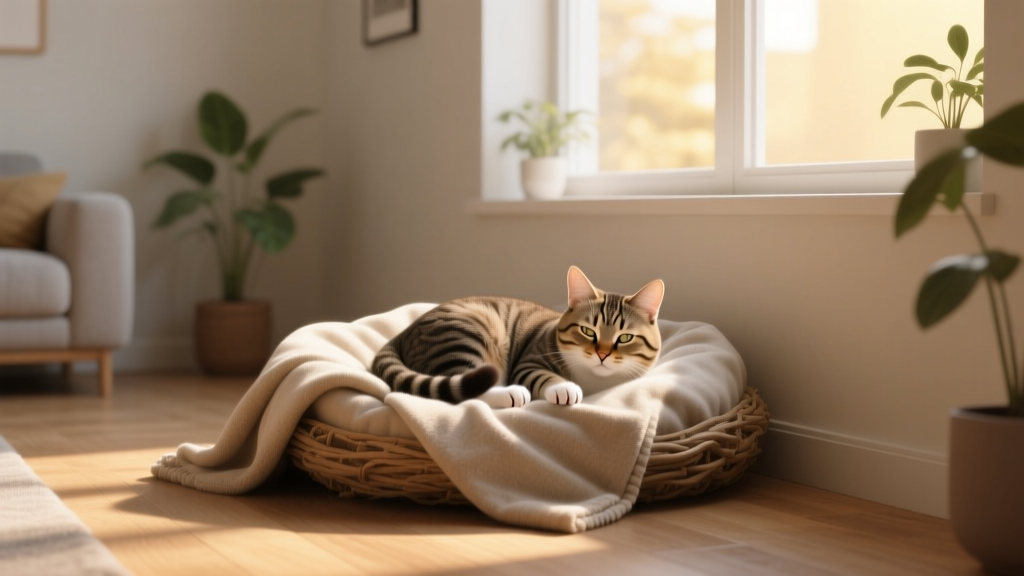
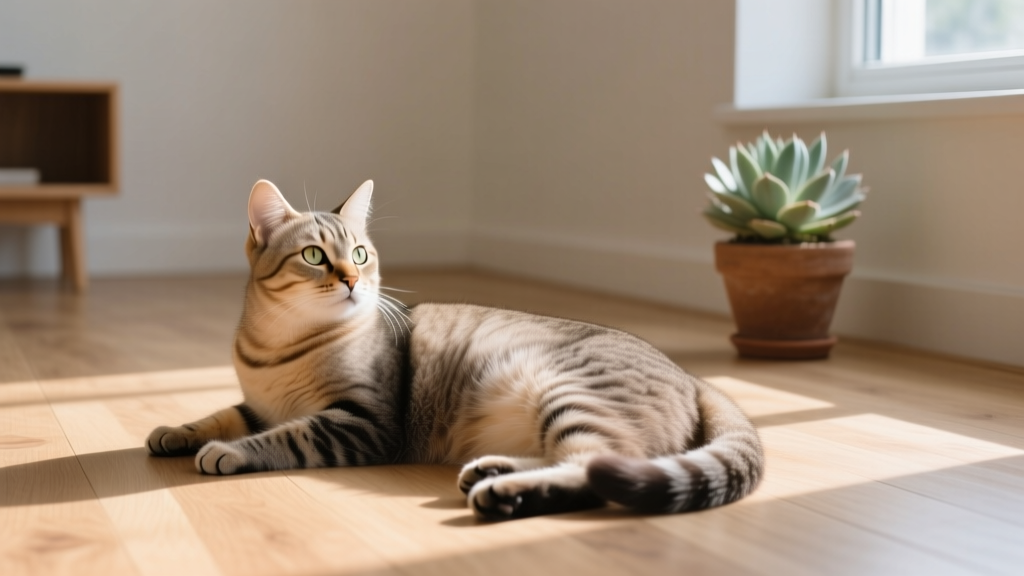
- Post-Meal Stillness: A 10–20 minute period of minimal movement — often curled in a sunbeam or on a favorite perch. This allows parasympathetic dominance for optimal gastric secretion and motilin release.
- Grooming Timing: Initiated 12–18 minutes after finishing food, lasting 4–7 minutes, focused on paws, face, and chest — not obsessive licking of belly or hindquarters (a red flag for abdominal discomfort).
- Litter Box Timing: First elimination occurs 3–5 hours post-meal, with consistent consistency (soft but formed, no straining) and odor intensity. Sudden changes in timing or substrate preference (e.g., avoiding clay litter after meals) warrant investigation.
- Water Intake Pattern: Drinking within 30 minutes after a wet food meal (not before) — typically 2–4 small laps. Dry food eaters often drink more, but the timing should still follow ingestion.
- Nighttime Rest Quality: Uninterrupted 3–4 hour sleep blocks, with occasional gentle stretching — not frequent waking, circling, or “treading” as if searching for a comfortable position (a sign of visceral discomfort).
When ‘Normal’ Isn’t Normal: Decoding the 3 Critical Red Flags
Not all deviations are cause for alarm — but three behavioral shifts consistently precede diagnosable GI disease. These aren’t isolated incidents; they’re patterns persisting for ≥48 hours:
- The ‘Half-Eaten Bowl’ Habit: Leaving 20%+ of food untouched — especially if previously a voracious eater. Dr. Tony Buffington, Professor Emeritus of Veterinary Clinical Sciences at Ohio State, emphasizes: “Cats don’t ‘graze’ when nauseous. They stop eating because ghrelin (hunger hormone) drops sharply when gastric inflammation begins — often before vomiting appears.”
- Substrate Aversion Shift: Suddenly refusing to use the litter box only after meals — or digging excessively (20+ seconds) before elimination. This reflects anticipatory anxiety linked to painful defecation, commonly seen in early colitis or constipation.
- ‘Groom-and-Gag’ Cycles: Grooming intensely for 2–3 minutes, pausing to retch (dry heave) without producing hairballs, then resuming. This is distinct from true hairball expulsion and strongly correlates with esophageal reflux or gastritis in feline endoscopy studies (Journal of Feline Medicine & Surgery, 2023).
If you observe any of these, don’t wait for vomiting or diarrhea. Capture video of the behavior and consult your veterinarian — many clinics now offer tele-triage specifically for behavioral GI screening.
Real-World Case Study: Luna, 4-Year-Old Domestic Shorthair
Luna’s owner brought her in for “weight loss and picky eating” after 3 weeks of declining appetite. Bloodwork was normal. But reviewing a 5-day behavior log, the vet noted two critical deviations: Luna began sleeping under the bed (not her usual window perch) after meals, and her post-dinner grooming shifted from face-focused to obsessive belly-licking. An ultrasound revealed mild intestinal wall thickening — consistent with early IBD. Dietary intervention (hydrolyzed protein diet + prebiotic fiber) resolved both behaviors within 11 days, and Luna regained her baseline energy and appetite. No vomiting occurred until Day 19 — long after the behavioral clues appeared.
| Timeline Stage | Typical Behavior | Red Flag Deviation | Veterinary Insight |
|---|---|---|---|
| 0–30 min pre-meal | Calm observation; slow blinking near food station | Pacing, vocalizing >5x/min, or hiding | Indicates anticipatory nausea or gastric distension — often tied to delayed gastric emptying |
| During meal | Steady pace; pauses only to lick lips or blink | Chewing slowly then stopping mid-bite; dropping food | Suggests oral pain (dental resorption) or esophageal discomfort (strictures, foreign bodies) |
| 30–90 min post-meal | Stillness → gentle stretching → targeted grooming | Restlessness, repeated repositioning, or lip-licking | Early sign of gastric irritation; lip-licking is a validated feline nausea indicator (ISFM Consensus Guidelines, 2021) |
| 3–6 hr post-meal | Single, effortless litter box visit; consistent stool | Straining >60 sec, multiple attempts, or avoiding box | May indicate functional constipation or pelvic pain — requires fecal scoring and palpation |
| 12–24 hr post-meal | No GI-related disruptions to sleep or play | Waking to drink excessively or vocalize at night | Often linked to acid reflux or bile reflux — worsens when lying flat |
Frequently Asked Questions
Do hairballs count as ‘typical’ digestive behavior?
No — while occasional hairballs (once every 1–2 weeks) can occur in long-haired cats, frequent hairball production (≥twice weekly) is not normal. It signals either excessive grooming due to anxiety or skin disease, or impaired intestinal motility preventing natural passage of ingested fur. As Dr. Elizabeth Colleran, past president of the American Association of Feline Practitioners, states: “Hairballs are a symptom — not a condition. If your cat produces them regularly, investigate underlying causes before reaching for lubricants.”
Why does my cat sit in the litter box right after eating?
This is a common and usually benign behavior — cats associate the litter box with safety and privacy, and post-meal stillness often coincides with early peristaltic waves. However, if accompanied by straining, vocalizing, or prolonged sitting (>5 minutes), it may indicate constipation, cystitis, or pelvic discomfort. Monitor stool quality and frequency first — if stools remain normal, it’s likely behavioral comfort-seeking.
Is it normal for my cat to eat grass and then vomit?
Yes — but with nuance. Wild felids consume grass to mechanically stimulate gut motility and aid parasite expulsion. Domestic cats do the same. Occasional grass-eating followed by one productive vomit (with visible grass/fur) is typical. Concern arises when vomiting is repetitive, contains bile or blood, or occurs without grass ingestion — signaling possible gastritis or pancreatitis.
My senior cat sleeps longer after meals — is that digestion-related?
Partially. Aging slows gastric emptying and reduces metabolic rate, so longer rest periods post-meal are common. However, if sleep duration increases abruptly (e.g., from 2 to 6 hours), or if your cat seems disoriented upon waking, rule out systemic issues like kidney disease or hyperthyroidism — both alter nutrient absorption and cause fatigue. Always pair behavioral observation with biannual senior bloodwork.
Can stress really change my cat’s digestion behavior?
Absolutely — and profoundly. The gut-brain axis in cats is exceptionally sensitive. A 2020 study in Applied Animal Behaviour Science showed that introducing a new pet caused measurable delays in gastric transit time within 24 hours — reflected in delayed litter box visits, reduced grooming, and increased nocturnal activity. Environmental enrichment (vertical space, food puzzles, consistent routines) isn’t ‘just nice’ — it’s physiological support for digestive function.
Common Myths About Feline Digestive Behavior
Myth #1: “If my cat isn’t vomiting or having diarrhea, their digestion is fine.”
Reality: Up to 68% of cats with early-stage IBD or food sensitivities show no overt GI symptoms — only behavioral shifts like decreased playfulness, altered sleep cycles, or subtle grooming changes. Vomiting and diarrhea are late-stage signs.
Myth #2: “Cats hide illness, so we can’t trust their behavior.”
Reality: Cats don’t “hide” illness — they express it differently. Their survival instinct drives them to mask vulnerability, but their behavior becomes more revealing, not less: increased vigilance, micro-changes in posture, or altered spatial use (e.g., avoiding high perches) are highly specific indicators.
Related Topics (Internal Link Suggestions)
- Feline Stress Signals — suggested anchor text: "subtle signs your cat is stressed"
- Best Wet Foods for Sensitive Stomachs — suggested anchor text: "vet-recommended easily digestible cat food"
- How to Introduce New Food Without Upsetting Digestion — suggested anchor text: "slow transition cat food guide"
- When to Worry About Cat Vomiting — suggested anchor text: "vomiting vs. regurgitation in cats"
- Understanding Feline Fecal Scores — suggested anchor text: "cat poop chart and what it means"
Next Steps: Turn Observation Into Action
You now know what is typical cat behavior for digestion — and how to read the silent language your cat uses to communicate gut health. Don’t wait for crisis-mode symptoms. Grab your phone and film 1–2 full feeding cycles this week: record pre-meal behavior, meal duration, post-meal stillness, and litter box timing. Compare it to this article’s 7-pillar checklist. If you spot ≥2 persistent deviations, schedule a vet visit focused on behavioral GI assessment — not just bloodwork. And if everything looks aligned? Celebrate — you’ve just upgraded your bond with your cat through deeper understanding. Because the most powerful tool in feline healthcare isn’t a stethoscope or scanner — it’s your attentive, compassionate eye.