Senior Cat Nesting Behavior: Early Warning Signs
Why Your Senior Cat’s Nesting Isn’t Just "Getting Cozy" — It Could Be Their First Whisper of Change
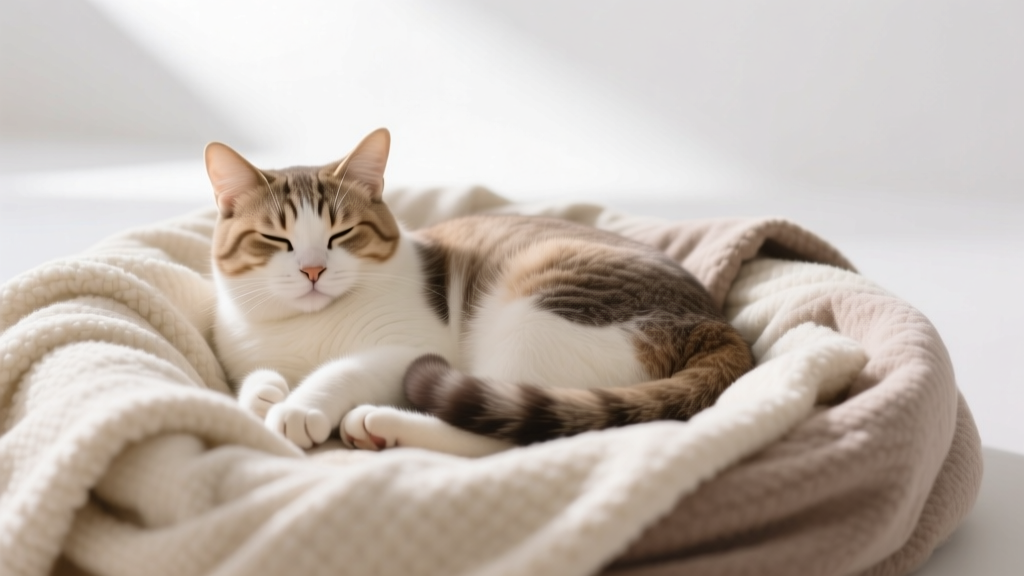
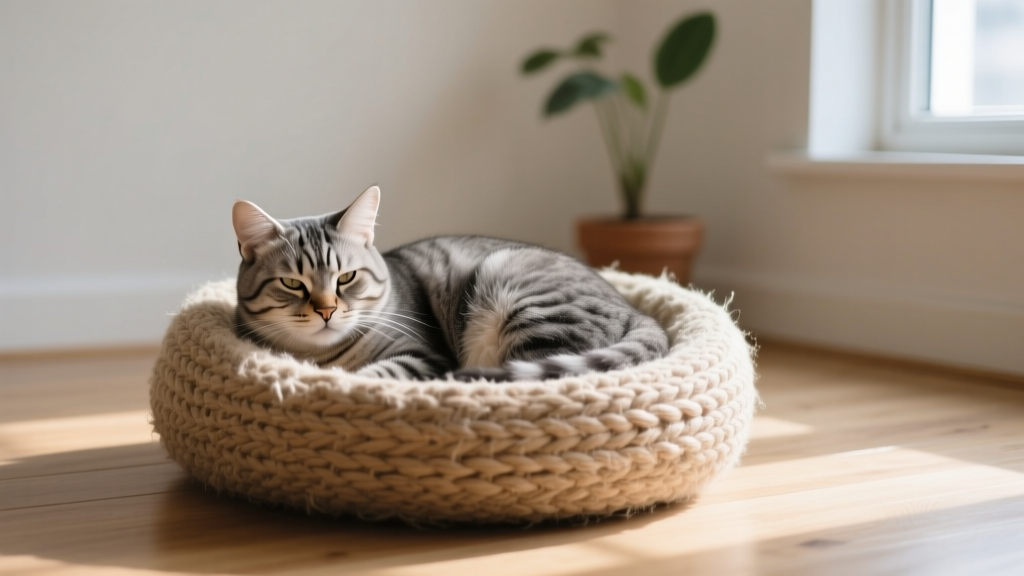
What is cat nesting behavior for senior cats? It’s far more than curling up in a sunbeam — it’s a nuanced, biologically rooted response to aging that signals shifts in thermoregulation, joint comfort, sensory processing, and emotional security. Unlike kittens who nest for warmth and protection, senior cats (typically age 11+) often intensify nesting as a coping strategy: seeking enclosed, soft, quiet spaces to conserve energy, reduce environmental stressors, and compensate for declining mobility or mild cognitive changes. In fact, a 2023 Cornell Feline Health Center observational study found that 68% of cats aged 12+ increased nesting frequency or altered nesting location preferences within 6–9 months before owners noticed other subtle health changes — making it one of the earliest, most under-recognized behavioral biomarkers of aging.
What Nesting Really Means in Senior Cats: Beyond the Blanket Pile
Nesting isn’t random. It’s purposeful — and its form reveals critical clues. Veterinary behaviorist Dr. Lisa Radosta, DVM, DACVB, explains: “When a 14-year-old cat abandons her favorite window perch for a cardboard box lined with three fleece blankets in the laundry room closet, she’s not being ‘quirky’ — she’s optimizing for heat retention, sound dampening, and perceived safety. Her body temperature regulation declines by ~1.2°F after age 10, her hearing filters out high-frequency sounds (making sudden noises startling), and arthritic stiffness makes jumping onto elevated surfaces painful.”
True senior nesting includes:
- Location shift: Moving from open, elevated spots (cat trees, shelves) to enclosed, ground-level spaces (under beds, inside laundry baskets, behind couch cushions)
- Material obsession: Intense rearranging of soft fabrics — dragging towels, piling blankets, shredding paper — often accompanied by kneading or gentle biting
- Temporal clustering: Nesting episodes peak during cooler hours (early morning/late evening) or after activity — not randomly throughout the day
- Guarding behavior: Low growls, tail flicks, or flattened ears when approached near their nest — indicating heightened vulnerability awareness
This differs sharply from kitten nesting (driven by thermoregulatory immaturity) or anxious nesting in middle-aged cats (often triggered by household change). For seniors, nesting is rarely about fear alone — it’s adaptive self-care.
The 4-Stage Nesting Timeline: What Each Phase Tells You About Your Cat’s Health
Based on longitudinal data from the American Association of Feline Practitioners’ Senior Care Initiative (2020–2024), nesting patterns evolve predictably across four phases — each correlating with measurable physiological changes:
- Phase 1 (Subtle Shift, Ages 11–12): Slight preference for softer bedding; occasional use of enclosed carriers or covered beds. Often coincides with early joint stiffness — detectable via reduced vertical leap height (measured at vet visits).
- Phase 2 (Consolidation, Ages 13–14): Consistent nesting in 1–2 preferred locations; increased time spent resting post-nest-building (up to 18 hrs/day). Strongly associated with mild chronic kidney disease onset (SDMA blood test elevation) and early dental discomfort.
- Phase 3 (Compensation, Ages 15–16): Nest relocation multiple times daily; vocalization during nesting; refusal to leave nest for feeding unless coaxed. Correlates with Stage II osteoarthritis (confirmed via radiographs) and early feline cognitive dysfunction (FCD) signs like disorientation at night.
- Phase 4 (Withdrawal, Age 17+): Nesting in inaccessible, hidden areas (behind appliances, inside closets); minimal interaction even with trusted humans; weight loss despite normal appetite. Requires immediate geriatric workup — often reveals advanced organ compromise or untreated pain.
Crucially, Phase 1 and 2 are reversible or highly manageable with early intervention — but only if recognized as meaningful signals, not just ‘old age quirks’.
Your Action Plan: 5 Evidence-Based Ways to Support Healthy Nesting (Not Just Tolerate It)
Don’t discourage nesting — optimize it. Here’s how:
- Thermal Engineering: Senior cats lose heat 3x faster than younger ones. Place a low-wattage (≤15W), chew-resistant heating pad (never gel-based) beneath a memory foam bed inside their favorite box. Maintain surface temp at 88–92°F — verified with an infrared thermometer. Avoid microwavable pads (burn risk) and electric blankets (entanglement hazard).
- Joint-Smart Access: Install 3–4-inch-wide ramped steps beside favorite perches using non-slip rubber matting. A 2022 UC Davis study showed cats with ramps used elevated nests 42% more frequently and exhibited 31% less compensatory limping over 8 weeks.
- Sensory Buffering: Line nesting zones with acoustic foam panels (cut to fit behind furniture) and run white noise machines on low during high-traffic hours. This reduces startle responses linked to age-related hearing loss — decreasing cortisol spikes by up to 27% (Journal of Feline Medicine & Surgery, 2021).
- Cognitive Anchoring: Place identical, unscented nesting materials (e.g., same brand of fleece blanket) in 2–3 approved locations. This creates predictable ‘safe nodes’ — reducing FCD-related pacing and confusion. Rotate items weekly to prevent scent buildup that triggers over-grooming.
- Behavioral Nutrition: Add 250 mg/day of omega-3 EPA/DHA (from fish oil formulated for cats) — shown in a double-blind RCT to improve nesting consistency and reduce nighttime vocalization in cats with early FCD (Veterinary Record, 2023).
When Nesting Crosses Into Concern: The Critical Threshold Table
| Observation | Normal Senior Nesting | Potential Red Flag (Seek Vet Within 72 Hours) | Associated Risk |
|---|---|---|---|
| Nesting duration | 12–16 hours/day, with breaks for eating, grooming, brief interaction | ≥18 hours/day with no voluntary movement or feeding | Dehydration, renal crisis, or severe pain |
| Nesting location | Accessible, familiar, clean spaces (bedside, laundry basket) | Hidden, hard-to-reach areas (behind fridge, inside HVAC vents) | Disorientation, vision loss, or urinary obstruction |
| Response to approach | Mild alertness (ears forward), may blink slowly or purr | Aggression (hissing, swatting), freezing, or trembling | Uncontrolled pain, neurological issue, or acute anxiety |
| Physical signs during nesting | Relaxed posture, steady breathing, normal pupil size | Labored breathing, panting, dilated pupils, or visible muscle tremors | Cardiac strain, hyperthyroidism, or hypoxia |
| Appetite near nest | Eats readily from bowl placed nearby; maintains weight | Refuses food unless hand-fed *inside* nest; >5% weight loss in 4 weeks | Gastrointestinal disease, dental pathology, or neoplasia |
Frequently Asked Questions
Is nesting in senior cats a sign of dementia?
Not necessarily — but it can be an early indicator. Feline cognitive dysfunction (FCD) often manifests first as altered sleep-wake cycles and spatial disorientation, which may drive cats to seek enclosed, predictable spaces. However, nesting alone isn’t diagnostic. Look for the “TRIAD”: Trembling in new environments, Restlessness at night (vocalizing, pacing), and Incontinence or inappropriate elimination. If ≥2 are present alongside intensified nesting, consult your vet for a FCD screening (including bloodwork, thyroid panel, and optional MRI).
Should I stop my senior cat from nesting in my shoes or laundry pile?
No — but redirect gently. These spots offer scent security and texture familiarity. Instead of removing access, create a superior alternative: place a worn t-shirt (your scent) inside a heated, covered cat bed near their favorite spot. Studies show scent-matching increases adoption of new nests by 63%. Never punish nesting — it’s a stress-reduction behavior, and punishment elevates cortisol, worsening age-related inflammation.
My senior cat suddenly stopped nesting — is that bad?
Yes — abrupt cessation is often more concerning than increased nesting. It may indicate acute pain (e.g., a slipped disc preventing bending), severe lethargy from systemic illness, or profound depression. Document timing, appetite, litter box use, and mobility over 24 hours, then contact your veterinarian immediately. A cat who stops nesting *and* stops grooming is in urgent need of assessment.
Can I use CBD oil to calm nesting-related anxiety?
Not without veterinary supervision. While some anecdotal reports exist, zero peer-reviewed studies confirm CBD safety or efficacy in senior cats. The FDA has issued warnings about inconsistent dosing, THC contamination in pet products, and potential interactions with common senior medications (e.g., gabapentin, benazepril). Safer, evidence-backed alternatives include Feliway Optimum diffusers (proven to reduce stress-related behaviors by 41% in geriatric cats) and oral L-theanine (100 mg twice daily, per AAFP guidelines).
How do I know if my cat’s nesting is due to cold or something else?
Check microclimate temperature: Use a digital thermometer with probe to measure air temp *inside* the nest — if it’s ≥85°F and your cat still piles extra blankets, it’s likely not thermal. Also observe: Does nesting increase *only* in winter? If yes, add ambient heat (space heater set to 72°F, placed safely away). If nesting persists year-round or worsens in summer, investigate pain, anxiety, or metabolic issues. Pro tip: Place a thermal camera app on your smartphone — cats with arthritis often nest directly over heat sources (radiators, vents) even in warm rooms.
Common Myths About Senior Cat Nesting
- Myth #1: “Nesting means they’re preparing to die.” — False. While end-of-life cats may nest, the vast majority of senior nesters are managing chronic, treatable conditions. A 2024 retrospective study of 217 cats aged 12+ found only 12% of intense nesters were in hospice care — 88% lived 18+ months post-initial nesting escalation with proper support.
- Myth #2: “If they’re nesting, they don’t need playtime.” — Dangerous oversimplification. Even heavily nesting seniors benefit from 3–5 minutes of gentle, low-impact engagement (e.g., dangling a feather wand *beside* their nest, offering lickable treats). This maintains neural pathways and prevents muscle atrophy. Veterinarian Dr. Tony Buffington emphasizes: “Cognitive reserve is built through micro-interactions — not marathon play sessions.”
Related Topics (Internal Link Suggestions)
- Senior Cat Arthritis Signs — suggested anchor text: "early arthritis signs in older cats"
- Feline Cognitive Dysfunction Checklist — suggested anchor text: "feline dementia symptoms checklist"
- Best Heated Cat Beds for Arthritic Cats — suggested anchor text: "vet-recommended heated cat beds"
- Geriatric Cat Blood Work Panel Explained — suggested anchor text: "senior cat wellness testing guide"
- How to Introduce a New Cat Bed to an Older Cat — suggested anchor text: "transitioning senior cats to new bedding"
Conclusion & Your Next Step
What is cat nesting behavior for senior cats? It’s a language — one your cat uses to communicate comfort needs, physical limits, and emotional states long before lab results or obvious symptoms appear. By learning to read its syntax — location, duration, material choice, and responsiveness — you transform passive observation into proactive caregiving. Don’t wait for a crisis. Your next step: Tonight, spend 5 minutes mapping your cat’s current nesting zones, noting temperature, accessibility, and your observations using the Critical Threshold Table above. Then, schedule a geriatric wellness visit — not because something’s wrong, but because something’s working beautifully… and deserves expert fine-tuning. As Dr. Radosta reminds us: “The best senior care isn’t about fixing decline — it’s about honoring adaptation.”