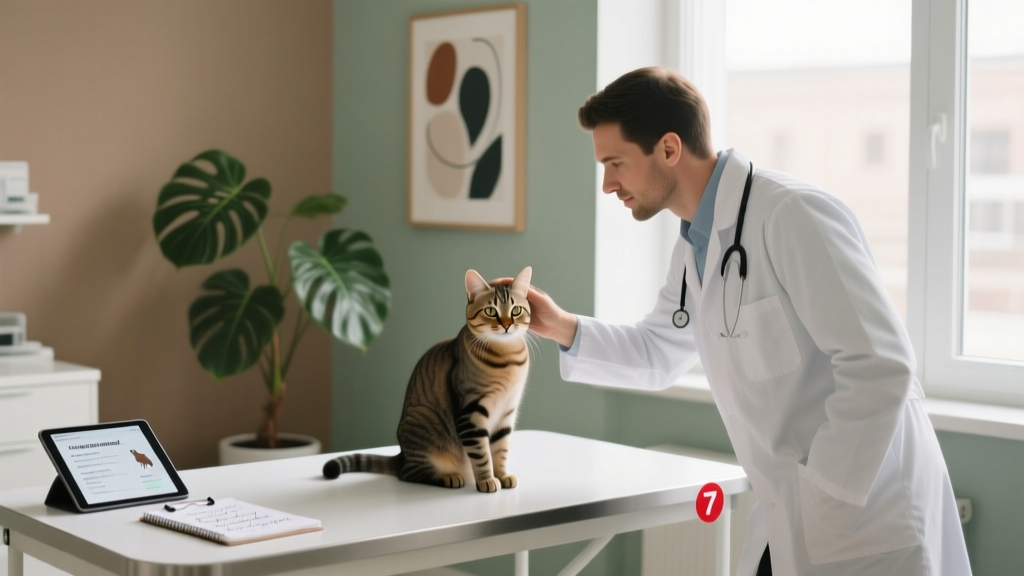
Cat Behavioral Exam: What Vets Really Recommend
Why Your Cat’s ‘Normal’ Might Be a Silent Cry for Help
\nWhat is cat behavioral exam vet recommended? It’s not just a quick chat about scratching or meowing—it’s a structured, evidence-based clinical assessment designed to differentiate medical pain from true behavioral disorders, identify underlying anxiety triggers, and guide targeted interventions before small issues escalate into chronic problems like urine marking, aggression toward family members, or self-mutilation. In fact, up to 65% of cats referred for 'problem behaviors' have an undiagnosed medical condition contributing to their actions—and without a vet-recommended behavioral exam, those root causes often go unnoticed.
\nThink about it: Your cat hasn’t used the litter box in three days. You assume it’s ‘spite.’ But what if it’s early-stage interstitial cystitis causing painful urination? Or arthritis making the high-sided box inaccessible? A proper behavioral exam starts by ruling out pain—not jumping to punishment or pheromone sprays. And yet, fewer than 30% of primary-care veterinarians routinely conduct standardized behavioral assessments during wellness visits, according to the 2023 AAHA Feline Wellness Survey. That gap leaves millions of cats mislabeled, mistreated, and increasingly stressed.
\n\nWhat Actually Happens in a Vet-Recommended Behavioral Exam?
\nA true vet-recommended cat behavioral exam isn’t a one-size-fits-all checklist—it’s a layered diagnostic process blending observation, owner history, physical screening, and environmental mapping. Board-certified veterinary behaviorist Dr. Lisa Radosta, founder of Florida Veterinary Behavior Service, emphasizes: \"A behavioral exam without concurrent physical evaluation is incomplete. Cats mask illness brilliantly; behavior is often their only symptom.\"
\nHere’s how it unfolds in practice:
\n- \n
- Pre-Visit Owner Questionnaire (15–20 min): Completed online or in-clinic, covering timeline of behavior onset, triggers (e.g., new baby, construction noise), frequency/duration, context (indoor-only? multi-cat household?), and any prior interventions tried (and failed). \n
- Low-Stress Physical Assessment (10–12 min): Conducted in a quiet room with minimal restraint—often while the cat explores or sits on the owner’s lap. Includes orthopedic palpation (for arthritis), oral exam (gingivitis/painful teeth), dermatologic check (itching → allergies → anxiety), and neurologic baseline (gait, pupil response, tail carriage). \n
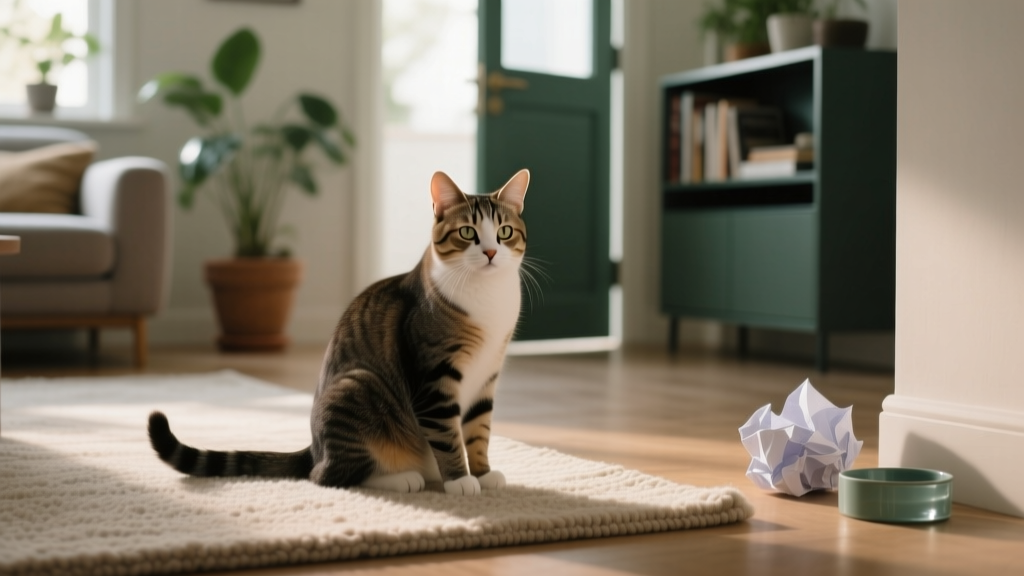
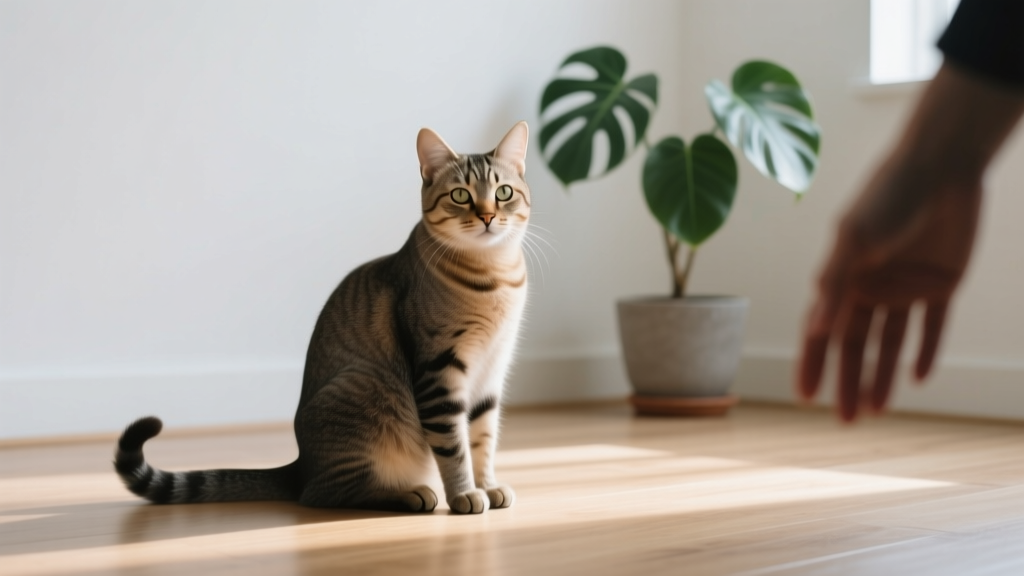
- Structured Behavioral Observation (8–12 min): The vet observes how the cat responds to gentle stimuli—hand approach, crinkling paper, opening a treat bag—while noting ear position, tail flicks, lip licking, and escape attempts. This reveals baseline stress thresholds. \n
- Environmental Audit (5–7 min): The vet reviews photos/videos of your home setup—litter box location/quantity/type, vertical space, food/water placement, hiding spots, and human interaction patterns. Over 80% of behavior referrals improve significantly with environmental tweaks alone, per a landmark 2022 Cornell Feline Health Center study. \n
This entire process typically takes 30–45 minutes—but yields far richer data than a standard 12-minute wellness visit. And crucially, it avoids the all-too-common pitfall of labeling: “He’s just dominant” or “She’s always been shy.” Labels shut down inquiry. Data opens doors.
\n\nThe 5 Red Flags That Demand Immediate Behavioral Evaluation
\nNot every odd behavior warrants urgent attention—but these five signs strongly indicate your cat needs a vet-recommended behavioral exam *within 2 weeks*, not at next year’s annual visit:
\n- \n
- New-onset aggression toward people or other pets, especially if previously friendly—even mild swatting or hissing during petting that escalates unpredictably. \n
- Complete avoidance of the litter box with consistent use of soft surfaces (beds, rugs, laundry piles), particularly when accompanied by vocalization or straining. \n
- Excessive grooming leading to bald patches or skin lesions, especially on the belly, inner thighs, or flank—often linked to chronic stress or compulsive disorder. \n
- Sudden withdrawal or hiding for >24 hours after no obvious trigger (e.g., no visitors, no change in routine), especially in formerly social cats. \n
- Vocalizing excessively at night (yowling, howling) in older cats (>10 years)—a potential sign of cognitive dysfunction syndrome (feline dementia) or hyperthyroidism-induced restlessness. \n
Dr. Radosta stresses: \"If your cat has two or more of these, don’t wait for ‘it to pass.’ Stress hormones like cortisol suppress immune function, worsen arthritis, and accelerate kidney decline. Early intervention isn’t ‘just behavioral’—it’s full-spectrum health care.\"
\nConsider Luna, a 7-year-old domestic shorthair. Her owner brought her in for “aggression”—she’d started biting ankles when approached near her food bowl. The behavioral exam revealed severe dental resorption (hidden tooth pain), a cramped feeding station shared with two other cats, and zero elevated resting spots. Within 3 weeks of dental treatment, a second food station, and a wall-mounted perch above the kitchen counter, the biting stopped entirely. No medication. No retraining. Just accurate diagnosis.
\n\nHow to Prepare Your Cat (and Yourself) for the Best Possible Exam
\nContrary to popular belief, sedating your cat “to make the visit easier” often sabotages the behavioral exam. Why? Because sedation masks key stress signals—pupil dilation, ear position, micro-expressions—that help vets assess anxiety levels and baseline temperament. Instead, preparation focuses on reducing fear *before* arrival and optimizing information flow *during* the visit.
\nFor the Cat:
\n- \n
- Start 5–7 days pre-visit: Place carrier out daily with soft bedding, treats inside, and leave the door open. Never force entry—let your cat explore voluntarily. \n
- Night before: Spray Feliway Classic (not the diffuser version) inside the carrier 30 minutes before placing bedding/treats. Studies show it reduces acute transport stress by 42% (Journal of Feline Medicine & Surgery, 2021). \n
- Morning of: Skip breakfast (but offer water). Hunger increases motivation for treats during observation—critical for assessing food-related anxiety or resource guarding. \n
For You:
\n- \n
- Record 2–3 short videos (30–60 sec each) showing the behavior *in context*: e.g., your cat avoiding the litter box, hissing at the vacuum, or over-grooming. Include audio. \n
- Track timing: Use your phone notes app to log exact dates/times of incidents for 5–7 days. Note who was present, what happened just before, and what followed. \n
- Bring a list of all current supplements, medications, and past treatments—even over-the-counter ones like melatonin or CBD oil. Many interact with prescription anti-anxiety meds. \n
One powerful tool many owners overlook? The environmental map. Sketch your home floor plan, marking litter boxes, food/water stations, sleeping areas, windows, and where your cat hides. Circle high-traffic zones and note conflicts (e.g., “Dog sleeps here—cat avoids this hallway”). Bring it in. Vets consistently rate this as the single most helpful visual aid.
\n\nWhat Comes After the Exam? Decoding Your Vet’s Recommendations
\nPost-exam, recommendations fall into three tiers—each requiring different follow-through:
\n- \n
- Tier 1: Environmental Modifications (92% of cases)—Non-invasive, low-cost changes targeting root stressors. Examples: Adding a third litter box (the “N+1 rule”), installing window perches for bird-watching enrichment, separating food bowls by 6+ feet in multi-cat homes. \n
- Tier 2: Behavioral Support Tools (67% of cases)—Science-backed aids like Feliway Optimum (targets multiple stress pathways), puzzle feeders to restore hunting instincts, or scheduled play sessions using wand toys to mimic prey sequence (stalking → pouncing → “killing”). \n
- Tier 3: Medical Intervention (28% of cases)—Prescription options only when Tier 1 & 2 fail *and* diagnostics confirm need. Most common: gabapentin (for situational anxiety like vet visits), fluoxetine (for generalized anxiety/compulsions), or buprenorphine (for pain-driven aggression). Never start medication without re-evaluation at 4–6 weeks. \n
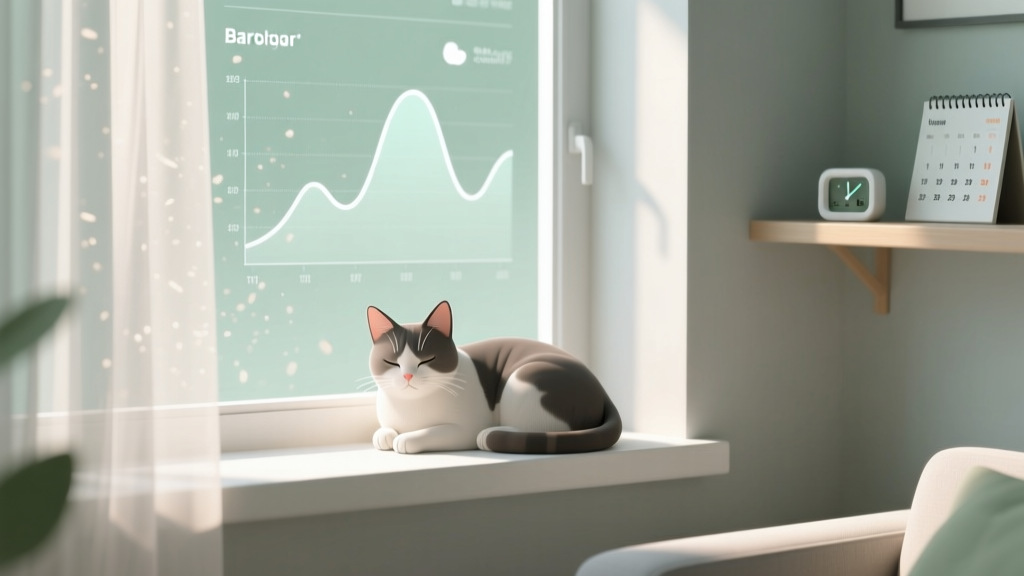
Crucially, your vet should provide a written Behavioral Action Plan—not just verbal advice. This document outlines exactly what to do, when, for how long, and how to measure success (e.g., “Track number of inappropriate urinations weekly; goal: ≤1/week by Week 4”). Without clear metrics, progress is impossible to gauge.
\n\n| Step | \nKey Actions | \nTools/Resources Needed | \nExpected Outcome | \n
|---|---|---|---|
| 1. Pre-Visit Prep (Days -7 to -1) | \nIntroduce carrier positively; record behavior videos; track incident log; sketch home map | \nFeliway Classic spray, smartphone, notebook or notes app, printer (for map) | \nReduced transport stress; objective data for vet; clear environmental picture | \n
| 2. In-Clinic Exam (Day 0) | \nComplete questionnaire; low-stress physical check; structured observation; environmental review | \nVet’s behavioral assessment form, quiet exam room, treat pouch, camera (if permitted) | \nConfirmed diagnosis (medical vs. behavioral); ranked priority interventions; baseline stress metrics | \n
| 3. Post-Exam Implementation (Weeks 1–4) | \nExecute Tier 1 modifications; introduce Tier 2 tools; begin daily 15-min play sessions; log outcomes | \nLitter boxes, cardboard boxes/perches, puzzle feeder, wand toy, spreadsheet or journal | \n≥30% reduction in target behavior by Week 2; improved owner confidence in reading cat cues | \n
| 4. Re-Evaluation (Week 4–6) | \nReview log/video updates; adjust plan; discuss Tier 3 if needed; set 3-month goals | \nUpdated incident log, video clips, printed Behavioral Action Plan | \nClear path forward—either continued environmental support or safe, monitored medical intervention | \n
Frequently Asked Questions
\nIs a cat behavioral exam covered by pet insurance?
\nMost comprehensive pet insurance plans (e.g., Trupanion, Nationwide, Embrace) cover behavioral exams *if they’re deemed medically necessary*—meaning the vet documents a link between behavior and potential disease (e.g., “urine marking evaluated for lower urinary tract disease”). Cosmetic or purely training-focused consults are rarely covered. Always call your insurer *before* the visit to confirm coverage codes (CPT 99203 or 99213 + modifier BE for behavioral component) and required documentation.
\nCan my regular vet do this—or do I need a specialist?
\nYour primary veterinarian can—and should—conduct the foundational behavioral exam described here. However, board-certified veterinary behaviorists (DACVB) are specialists trained in complex cases (e.g., inter-cat aggression lasting >6 months, trauma-related fears, or medication management). Ask your vet: “Do you use the Feline Behavioral Assessment Tool (FBAT) or similar standardized protocol?” If not, request a referral to a vet who does—or seek a certified cat behavior consultant (IAABC or CCPDT) for non-medical support.
\nMy cat hates the carrier—should I skip the exam?
\nNo. Skipping means missing critical clues. Instead, try a mobile vet who examines your cat at home (ideal for severe fear), or ask your clinic about “curbside behavioral intake”: you wait in the car while staff gently coax your cat into the carrier using treats and towels. Many clinics now offer this service specifically for high-stress felines. One study found curbside intake reduced cortisol spikes by 58% versus traditional waiting-room exposure.
\nHow much does a vet-recommended behavioral exam cost?
\nTypically $120–$280, depending on region and clinic. That’s comparable to a standard wellness exam—but delivers deeper insight. Consider the ROI: resolving inappropriate urination prevents $300+ carpet cleaning; stopping aggression avoids $1,200+ emergency vet bills from bites; managing anxiety early slows progression of stress-related diseases like diabetes or IBD. As Dr. Dennis J. O’Neill, DVM, states: “Paying for behavioral clarity today saves thousands in reactive care tomorrow.”
\nWill my cat need bloodwork or X-rays during the exam?
\nNot automatically—but your vet will recommend diagnostics *based on findings*. For example: senior cats with vocalization may get thyroid panel + kidney values; cats with litter box avoidance often need urinalysis + abdominal ultrasound to rule out stones or cystitis; limping during observation triggers orthopedic X-rays. Bloodwork isn’t part of the behavioral exam itself—it’s part of the integrated medical workup it initiates.
\nCommon Myths About Cat Behavioral Exams
\nMyth #1: “It’s just for ‘bad’ cats.”
\nReality: Even confident, well-socialized cats benefit. The exam establishes baselines, detects subtle shifts (like early dementia signs), and proactively strengthens your bond through better communication. Think of it as a behavioral wellness screen—not a disciplinary hearing.
Myth #2: “Vets aren’t trained in behavior—they just guess.”
\nReality: Since 2017, the AVMA requires accredited vet schools to teach feline-specific behavioral medicine. While depth varies, core competencies include recognizing stress postures, interpreting body language, and applying the Fear-Free® framework. If your vet seems dismissive, ask: “What’s your protocol for differentiating medical vs. behavioral causes of [specific behavior]?” Their answer reveals their training level.
Related Topics (Internal Link Suggestions)
\n- \n
- Feline Stress Signals — suggested anchor text: "how to read your cat's body language" \n
- Litter Box Problems Solved — suggested anchor text: "why cats avoid the litter box (and how to fix it)" \n
- Multi-Cat Household Harmony — suggested anchor text: "reducing tension between cats in the same home" \n
- Feline Cognitive Dysfunction — suggested anchor text: "is my senior cat showing signs of dementia?" \n
- When to See a Veterinary Behaviorist — suggested anchor text: "signs you need a cat behavior specialist" \n
Take the Next Step—Before the Next Incident
\nA vet-recommended cat behavioral exam isn’t about fixing a ‘problem cat.’ It’s about honoring your cat’s biological needs, decoding their silent language, and building a relationship rooted in understanding—not frustration. Every minute spent observing your cat’s habits, every video you record, every litter box you add—it all adds up to less stress for them, and more peace for you. So don’t wait for the next yowl at 3 a.m. or the fourth ruined sofa cushion. Download our free Pre-Visit Behavioral Prep Kit (includes printable incident log, environmental map template, and vet question checklist)—then book that appointment. Your cat’s well-being isn’t a luxury. It’s the foundation of everything else.