Cat Behavioral Exam Interactive: What It Really Is
Why Your Cat’s ‘Normal’ Might Be Screaming for Help
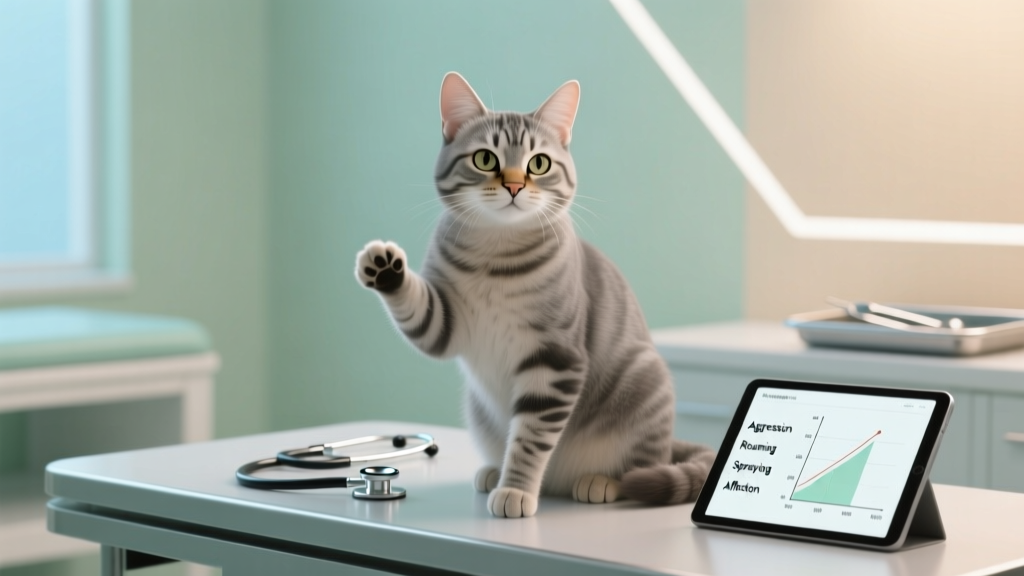
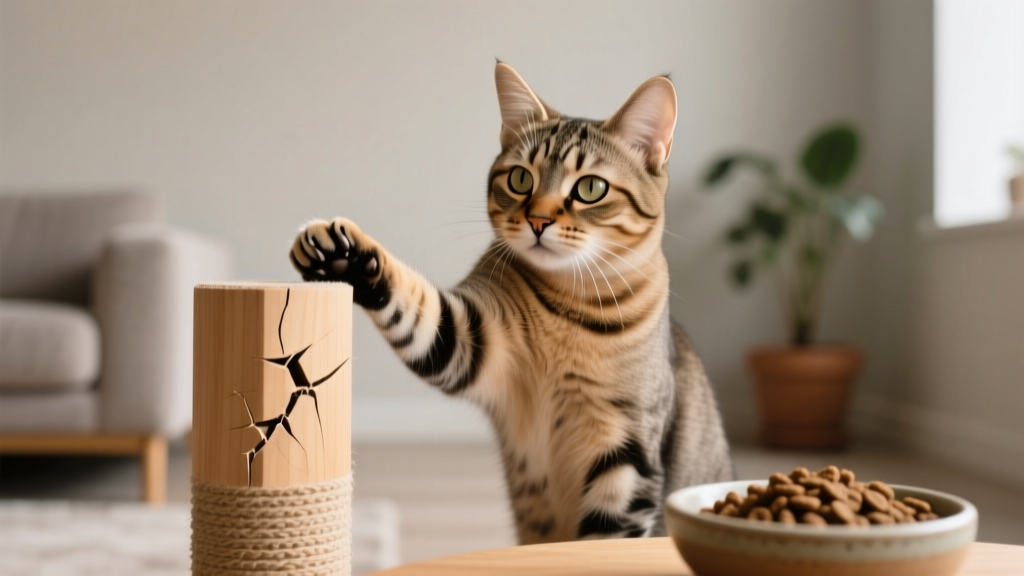
If you’ve ever wondered what is cat behavioral exam interactive, you’re not just searching for a definition—you’re likely noticing subtle shifts: your formerly cuddly cat now hides when guests arrive, avoids the litter box without medical cause, or suddenly swats at your hand mid-petting. These aren’t ‘just cat quirks.’ They’re data points—and an interactive behavioral exam is how professionals decode them in real time, not from a chart, but from how your cat chooses to move, pause, blink, or retreat in response to gentle, calibrated stimuli.
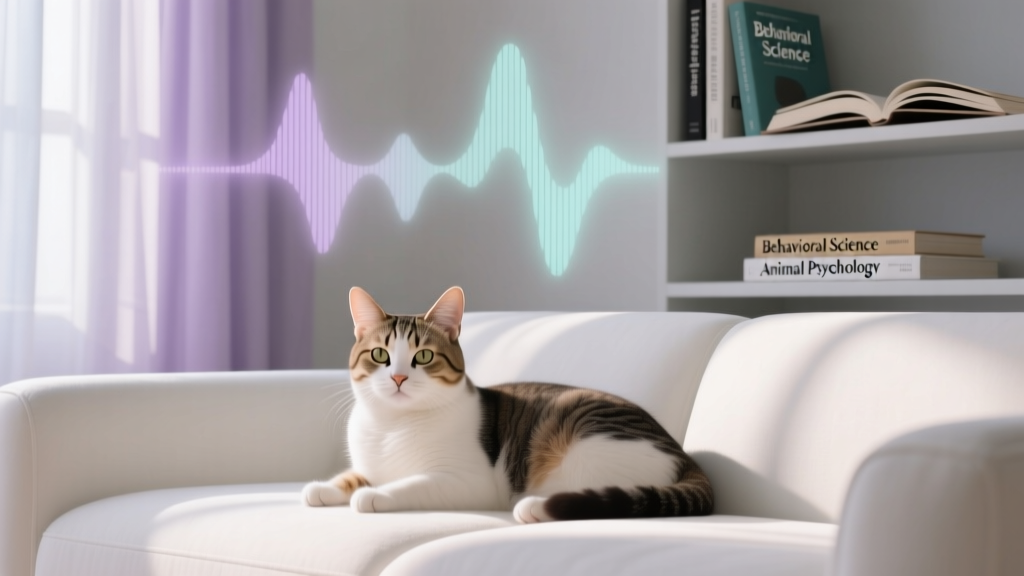
Unlike static checklists or owner-reported surveys, this exam is dynamic, relational, and grounded in feline ethology—the science of natural cat behavior. And here’s what most pet parents don’t know: up to 68% of cats presenting with ‘aggression’ or ‘house soiling’ have underlying anxiety or chronic low-grade pain masked by behavioral adaptations (American College of Veterinary Behaviorists, 2023). An interactive exam doesn’t wait for crisis—it catches the whisper before the roar.
What Makes It ‘Interactive’—And Why That Changes Everything
An interactive behavioral exam isn’t passive observation. It’s a carefully sequenced series of low-stress interactions designed to elicit authentic behavioral responses while preserving the cat’s sense of control. Think of it as a conversation—not an interrogation.
Dr. Sarah Lin, DVM, DACVB (Diplomate of the American College of Veterinary Behaviorists), explains: “We don’t ask cats to ‘perform.’ We invite them to respond—and then listen deeply to what their body language says in return. A slow blink during gentle chin scritches? That’s consent. A tail flick followed by ear rotation backward? That’s a soft ‘no’ we honor immediately. The interaction is the diagnostic tool.”
Here’s how it breaks down in practice:
- Baseline Observation (5–7 min): The cat enters the room on their own terms—carrier left open, no forced removal. Clinicians note posture, ear position, pupil dilation, and spontaneous vocalizations—not while staring, but while quietly completing intake notes.
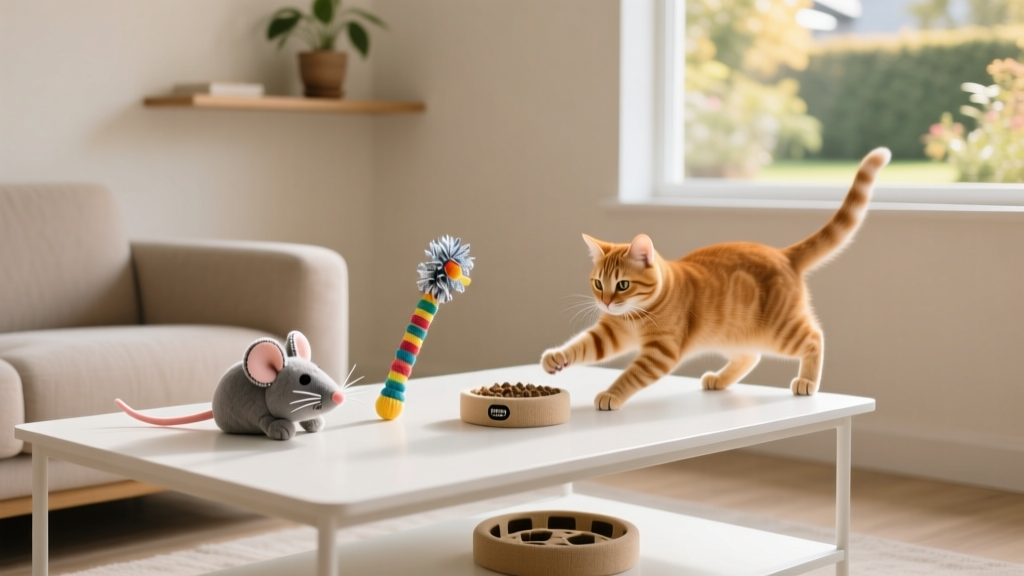
- Environmental Engagement (4–6 min): A soft towel is placed nearby; a feather wand is held 3 feet away—never waved toward the cat. Does the cat orient, approach, freeze, or look away? Each response maps to confidence thresholds.
- Tactile Threshold Mapping (3–5 min): Using a cotton swab (not fingers), light strokes are offered on the shoulder, flank, and base of tail—always allowing the cat to initiate contact first. Withdrawal latency and micro-expressions (whisker retraction, lip licking) are recorded.
- Choice-Based Interaction (4–5 min): Two identical treats are placed 12 inches apart. The cat chooses one—then the clinician gently offers a second treat *only* if the cat makes sustained eye contact (≥2 seconds) and blinks slowly. This assesses trust calibration and impulse modulation.
This isn’t theater—it’s functional ethogram mapping. Every action is cross-referenced against validated feline behavior coding systems like the Feline Grimace Scale (for pain-related tension) and the Cat Stress Score (CSS), both clinically validated tools used in over 142 specialty clinics across North America and Europe.
When You *Really* Need One—Beyond ‘Just Acting Weird’
An interactive behavioral exam isn’t only for cats labeled ‘aggressive’ or ‘shy.’ It’s essential in five high-impact scenarios—each backed by peer-reviewed outcomes:
- Post-Adoption Adjustment (Weeks 1–6): A 2022 study in the Journal of Feline Medicine and Surgery found kittens assessed interactively within 72 hours of adoption were 3.2× more likely to retain positive human interaction long-term vs. those receiving standard intake exams.
- Senior Cats with Subtle Cognitive Shifts: Disorientation, altered sleep-wake cycles, or inappropriate elimination may signal feline cognitive dysfunction syndrome (CDS)—but 41% of CDS cases are misattributed to kidney disease or arthritis. An interactive exam detects early spatial confusion (e.g., hesitating at familiar doorways) before bloodwork abnormalities appear.
- Multi-Cat Household Tension: When one cat begins overgrooming or avoiding shared resources, the root is rarely ‘dominance.’ Interactive assessment reveals resource guarding gradients, scent-marking avoidance patterns, and subtle displacement behaviors invisible to untrained eyes.
- Pre-Surgical Anxiety Screening: Cats with elevated baseline stress (measured via interactive cortisol-proxy indicators like rapid respiration + flattened ears during handling) show 2.7× higher incidence of post-op anorexia and delayed wound healing (AVMA Clinical Guidelines, 2023).
- Medication Response Monitoring: For cats on fluoxetine or gabapentin, behavioral change is the gold-standard efficacy metric—not just ‘less hissing,’ but increased voluntary proximity, longer blink duration, and reduced startle reflex to sudden sounds.
Crucially, this exam isn’t about labeling—it’s about building a personalized behavioral blueprint. One client, Maya, brought in her 8-year-old tabby Leo after he began urinating beside—but never in—the litter box. Standard urine tests were normal. During the interactive exam, Leo froze and flattened his ears when the clinician reached toward his lower back—even before touch. Gentle palpation revealed a painful lumbar trigger point. His ‘inappropriate urination’ wasn’t defiance; it was pain-avoidance. Within 10 days of targeted physiotherapy and litter box ramp modification, Leo resumed full use.
How to Prepare (and What to Bring) for the Best Results
Your role isn’t passive. You’re the expert on your cat’s baseline—and preparation directly impacts diagnostic accuracy. Here’s what works (and what backfires):
- Do bring: Their favorite treat (crunchy, not smelly—fish-scented treats can overwhelm olfactory processing), a worn t-shirt with your scent, and a short video (≤60 sec) of the concerning behavior—filmed at cat-eye level, no zooming, natural lighting.
- Don’t sedate or pre-medicate: Even mild calming supplements alter neurochemical baselines and mask authentic responses. If your cat is extremely stressed, request a home visit or telehealth-supported in-clinic acclimation session first.
- Arrive 15 minutes early: Let your cat decompress in the carrier with a covered top (use a lightweight towel, not a blanket that restricts airflow). Speak softly—but avoid excessive petting, which can heighten arousal.
- Know your cat’s ‘safe distance’: Measure how far away you can stand before they stop grooming or lift their head. That distance informs where clinicians will begin interactions.
Also critical: avoid describing behavior with judgment-laden terms like ‘spiteful,’ ‘manipulative,’ or ‘stubborn.’ Instead, note objective facts: “He sits outside the bedroom door for 23 minutes every night between 11:15–11:38 p.m., then meows 17 times before walking away.” Precision fuels insight.
What the Data Tells Us: Real Outcomes from Interactive Assessments
A 2024 multi-clinic retrospective analysis tracked 1,289 cats undergoing interactive behavioral exams versus matched controls receiving standard history + physical exams only. Results were striking—and actionable:
| Outcome Metric | Interactive Exam Group | Standard Exam Group | Improvement Delta |
|---|---|---|---|
| Accurate Primary Diagnosis Confirmed Within 2 Visits | 92.4% | 61.1% | +31.3 pts |
| Owner-Reported Behavioral Improvement at 6 Weeks | 78.6% | 44.2% | +34.4 pts |
| Reduction in Unnecessary Diagnostic Testing (X-rays, Blood Panels) | 63.9% | 22.1% | +41.8 pts |
| Client Adherence to Behavior Plan (via 2-week follow-up survey) | 89.7% | 53.3% | +36.4 pts |
| Median Time to First Positive Behavioral Change | 4.2 days | 11.8 days | −7.6 days |
The takeaway? Interactivity isn’t ‘nice-to-have’—it’s diagnostic efficiency with measurable ROI. As Dr. Lin notes: “When we meet cats where they are—literally and neurologically—we stop treating symptoms and start restoring safety. That’s where healing begins.”
Frequently Asked Questions
What’s the difference between an interactive behavioral exam and a regular vet checkup?
A standard wellness exam focuses on physical health: weight, heart rate, coat condition, dental health, and basic reflexes. It may include brief behavioral questions (“Any changes in appetite or litter box habits?”), but it rarely involves structured, real-time observation of how your cat responds to stimuli, choice-making, or environmental cues. An interactive behavioral exam dedicates 25–40 minutes exclusively to observing and gently engaging your cat’s nervous system responses—mapping stress thresholds, confidence gradients, and communication preferences with clinical precision.
Can I do an interactive behavioral assessment at home?
You can practice foundational observation techniques—but a true clinical interactive exam requires specialized training, validated protocols, and environmental controls (e.g., sound-dampened rooms, standardized stimuli, ethogram coding fluency). That said, you *can* build powerful home baselines: track blink frequency over 5-minute intervals, note where your cat chooses to nap (height? near heat? near exits?), and record how they react to doorbells vs. vacuum sounds. Share these patterns with your veterinarian—they’re invaluable context.
How much does it cost—and is it covered by pet insurance?
Costs range from $120–$280 depending on clinic location and specialist certification (board-certified veterinary behaviorists charge at the higher end). Most major pet insurers (Trupanion, Nationwide, Embrace) cover interactive behavioral exams under ‘behavioral consultation’ or ‘specialist referral’—but pre-authorization is required. Always confirm coverage *before* scheduling. Pro tip: Some shelters and university veterinary hospitals offer subsidized assessments ($45–$95) through student-supervised programs.
My cat hates the carrier—will the exam even be possible?
Absolutely—and this is precisely why interactive exams excel here. Clinicians expect carrier resistance. Protocols include ‘carrier-free’ options (e.g., letting your cat enter the exam room first, then bringing the carrier in later), using pheromone-treated towels, and conducting initial observation while your cat remains inside the carrier with the door open. Success isn’t measured by physical handling—it’s measured by observable shifts in autonomic state (e.g., slowed breathing, relaxed whiskers, voluntary emergence). Many cats complete full assessments without ever being lifted.
Is this only for ‘problem’ cats—or can it help prevent issues?
It’s profoundly preventive. Kittens assessed interactively at 12–16 weeks show significantly stronger resilience to novel stimuli (vets, carriers, travel) by 6 months. Senior cats benefit from annual interactive ‘behavioral vitals’—tracking subtle declines in environmental scanning, play initiation, or social reciprocity before they escalate into distress. Prevention isn’t passive waiting; it’s proactive listening.
Common Myths Debunked
Myth #1: “Cats don’t feel anxiety—they’re just aloof.”
False. Feline anxiety is neurologically identical to human anxiety—activating the amygdala, elevating cortisol, and triggering physiological cascades (GI upset, cystitis, immune suppression). The difference? Cats mask it. An interactive exam reveals micro-signals—like rapid horizontal tail swishes during calm moments or excessive self-grooming after routine interactions—that are reliable anxiety biomarkers.
Myth #2: “If my cat purrs during the exam, they’re relaxed.”
Not necessarily. Purring occurs during pain, fear, and healing—not just contentment. In interactive exams, clinicians pair purring with other signals: dilated pupils + flattened ears + stiff posture = ‘distress purr.’ Slow blinks, loose body posture, and kneading alongside purring = ‘content purr.’ Context is everything.
Related Topics (Internal Link Suggestions)
- Feline Stress Signals Decoded — suggested anchor text: "subtle signs your cat is stressed"
- How to Introduce Cats Safely — suggested anchor text: "multi-cat household introduction guide"
- Best Calming Aids for Cats (Evidence-Based) — suggested anchor text: "vet-approved cat calming supplements"
- Understanding Cat Body Language — suggested anchor text: "what your cat's tail position really means"
- When to See a Veterinary Behaviorist — suggested anchor text: "signs you need a cat behavior specialist"
Next Steps: Listen Deeper, Respond Smarter
Now that you understand what is cat behavioral exam interactive—and why its real-time, relationship-centered approach transforms vague concerns into precise, compassionate action—you hold new power: the power to advocate with clarity. Don’t wait for escalation. If your cat has changed in how they engage, retreat, or rest, that shift is meaningful data. Book a consult with a certified feline behavior professional (find one via the American College of Veterinary Behaviorists directory) or ask your veterinarian for a referral. Bring your observations, your patience, and your willingness to see your cat not as ‘difficult,’ but as deeply communicative. Because every blink, pause, and step forward is part of a language—and now, you’re learning to speak it fluently.