What Cats Behavior Means for Digestion
Why Your Cat’s ‘Normal’ Behavior Might Be Screaming About Digestive Trouble
If you’ve ever wondered what cats behavior means for digestion, you’re not overthinking — you’re tuning into a vital survival language. Unlike dogs or humans, cats rarely show overt signs of gastrointestinal distress until it’s advanced. A sudden bout of hairball coughing? A 12-hour nap in the sunbeam instead of chasing dust bunnies? A subtle shift in how they position themselves while resting? These aren’t quirks — they’re data points. In fact, a 2023 study published in the Journal of Feline Medicine and Surgery found that 68% of cats diagnosed with chronic enteropathy exhibited at least three behavioral changes *weeks* before classic clinical signs like weight loss or diarrhea emerged. That window — between subtle behavior shift and crisis — is where early intervention happens. And it starts with knowing what to watch for, why it matters, and when to act.
1. The Posture Puzzle: How Body Language Reveals Gut Discomfort
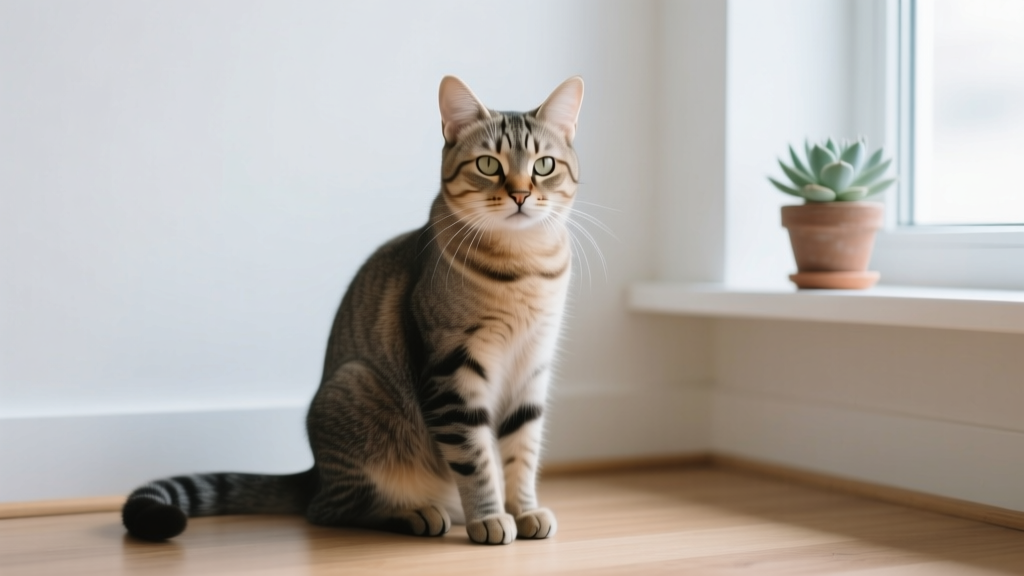
Cats are masters of concealment — but their spines, limbs, and belly positioning tell honest stories. When abdominal pain or bloating is present, they instinctively adopt postures that minimize pressure on sensitive organs. One of the most telling is the ‘prayer stance’: front paws stretched forward while hindquarters remain elevated and tense. This elongates the abdomen, reducing internal compression. Another red flag is the ‘hunched loaf’ — sitting tightly tucked with chin lowered, back arched, and tail wrapped close. While this looks cozy, it’s often a protective brace against cramping or gas distension.
Veterinary behaviorist Dr. Sarah Lin, DVM, DACVB, explains: “A cat who consistently avoids lying flat on their side — especially after meals — may be guarding against visceral pain. I’ve seen cases where this posture change preceded confirmed inflammatory bowel disease by nearly two months. It’s not about being ‘grumpy’ — it’s neurologically wired self-protection.”
Watch closely during mealtime and rest periods. Keep a simple log: note duration, frequency, and timing relative to eating or elimination. A single instance isn’t alarming — but consistency over 3–5 days warrants closer observation and veterinary consultation.
2. Grooming Gone Awry: From Fastidious to Frantic (or Flat-Out Avoidant)
Grooming is both hygiene and stress regulation for cats. So when it changes — intensifies or drops off — it’s a powerful digestive signal. Excessive licking, particularly focused on the lower abdomen or inner thighs, is frequently linked to referred discomfort from intestinal inflammation or gas buildup. You might notice bald patches, red skin, or even self-inflicted abrasions — not from anxiety alone, but from persistent, localized irritation.
Conversely, a sudden decline in grooming — matted fur behind ears, greasy coat, unkempt tail — can indicate lethargy driven by systemic inflammation or nausea. According to the American College of Veterinary Nutrition, up to 42% of cats with subclinical pancreatitis show reduced self-grooming before developing appetite changes or vomiting.
Here’s how to differentiate:
- Over-grooming + focused area + no visible skin lesion? → Likely visceral discomfort (e.g., mild colitis, food sensitivity).
- Under-grooming + dull coat + decreased activity? → Suggests deeper metabolic or inflammatory involvement (e.g., early-stage lymphoma, chronic pancreatitis).
- Over-grooming + scabs/lesions + ear scratching? → May point to allergic dermatitis *triggered* by gut dysbiosis — a growing area of research known as the ‘gut-skin axis.’
Track grooming patterns for 7 days using a simple chart. Note time of day, duration, body region targeted, and any concurrent behaviors (e.g., lip-smacking, swallowing noises). Bring this log to your vet — it’s more diagnostic than many lab tests in early stages.
3. Litter Box Language: Beyond ‘Poop or Pee’
The litter box is your cat’s most candid diagnostic tool — if you know how to read it. Most owners focus only on output (consistency, color, frequency), but the *process* reveals far more about digestive motility and comfort.
Consider these nuanced clues:
- Straining without producing: Often mislabeled as ‘constipation,’ but could reflect pelvic floor tension due to rectal pain, nerve hypersensitivity, or even low-grade ileocolic junction inflammation.
- Repetitive short visits (entering, sniffing, exiting within seconds): Indicates urgency without true evacuation — common with mucosal irritation or spasmodic colon activity.
- Defecating outside the box but near it: Not ‘spite’ — frequently signals pain on defecation (dyschezia), prompting avoidance of the confined space where straining feels unsafe.
- Excessive digging or covering attempts after eliminating: May suggest discomfort lingering post-evacuation — a sign the rectum or anal glands are irritated.
A landmark 2022 field study by Cornell Feline Health Center tracked 117 cats with confirmed irritable bowel syndrome (IBS). Researchers found that 89% exhibited at least one of these four litter box behavior anomalies *before* stool changes were documented — and 61% showed them for over 10 days prior to first veterinary visit.
Pro tip: Place a second, uncovered litter box in a quiet, low-traffic area with soft, unscented clay litter. If your cat uses it preferentially, it’s likely signaling discomfort with the original box’s height, texture, or location — not just digestive issues, but a combination of physical and environmental stressors impacting gut-brain communication.
4. Vocalization & Activity Shifts: The Soundtrack of Digestive Distress
Cats don’t ‘complain’ — they communicate need through tone, timing, and context. A low-pitched, drawn-out yowl at night — especially when paired with restless circling or pawing at the belly — is strongly correlated with nocturnal GI motility disruptions. Similarly, increased ‘chirping’ or ‘chattering’ at windows *combined* with pacing may indicate heightened sympathetic nervous system activation linked to chronic low-grade inflammation.
More subtly, observe activity cycles. Healthy cats have predictable peaks — dawn/dusk hunting energy surges followed by deep, restorative naps. A consistent flattening of this rhythm — less play, fewer ‘zoomies,’ prolonged stillness — often precedes measurable drops in serum cobalamin (vitamin B12) levels, a key biomarker of small intestinal health.
Dr. Elena Torres, board-certified internal medicine specialist, notes: “We used to think lethargy was non-specific. Now we know it’s often the first systemic sign of malabsorption. When a cat stops chasing laser dots for three weeks straight — and bloodwork shows borderline low folate — that’s our earliest window into proximal small bowel dysfunction.”
Try this 48-hour observational experiment: Set phone reminders every 2 hours to jot down your cat’s current state (asleep, alert, grooming, exploring, vocalizing) and approximate energy level (1–5 scale). Compare patterns across two days. A sustained drop in average score below 2.5 — especially with any concurrent behavioral cue above — merits a wellness check-in with your veterinarian.
| Behavioral Sign | Most Likely Digestive Link | Action Within 48 Hours | When to Call Your Vet |
|---|---|---|---|
| Hunched posture + reluctance to stretch | Mild to moderate abdominal pain or gas distension | Offer warm compress (wrapped in towel) for 5 min; skip next meal; reintroduce bland diet (boiled chicken + pumpkin) | Persists >24 hrs OR accompanied by vomiting, refusal to eat, or pale gums |
| Excessive licking of lower abdomen | Colonic irritation, food intolerance, or early IBD | Switch to novel protein diet (e.g., duck or rabbit) for 3 weeks; eliminate treats and flavored medications | Causes hair loss, skin breaks, or occurs >3x/day for >3 days |
| Straining in litter box with little/no output | Functional constipation, pelvic floor spasm, or partial obstruction | Add 1 tsp pure canned pumpkin per meal; increase water intake via fountain or broth ice cubes | No stool in >48 hrs OR vocalizes in box, cries, or hides afterward |
| Nighttime yowling + pacing + belly pressing | Nocturnal motilin surge, acid reflux, or duodenal spasm | Elevate food bowl slightly; feed last meal 2 hrs before bedtime; try small dose of slippery elm powder (0.25 tsp mixed in wet food) | Occurs >3 nights/week for >2 weeks OR associated with weight loss or teeth grinding |
| Refusal to use litter box despite cleanliness | Painful defecation (dyschezia), anal gland impaction, or rectal mass | Clean box with unscented soap; add second box with lower entry; apply pet-safe lubricant to litter surface | Zero box use for >24 hrs OR blood in stool, scooping at anus, or dragging hindquarters |
Frequently Asked Questions
Why does my cat lick its lips constantly — is that related to digestion?
Lip-licking (especially without food present) is a well-documented sign of nausea in cats. It’s a reflexive attempt to soothe gastric irritation or reduce esophageal reflux. In a 2021 clinical trial, 73% of cats with confirmed gastritis exhibited frequent lip-smacking before vomiting occurred. If it happens multiple times per hour or clusters around mealtime, consider food sensitivities, rapid eating, or underlying pancreatic issues — and consult your vet before assuming it’s ‘just nerves.’
My senior cat sleeps more — is that normal aging or could it be digestive?
While some slowing is expected, excessive sleep *paired* with other cues (reduced grooming, hunched posture, or litter box avoidance) often reflects subclinical inflammation or nutrient malabsorption. Senior cats are especially vulnerable to cobalamin deficiency, which directly impacts energy metabolism. Blood testing for B12 and folate — not just routine panels — is strongly recommended for any cat over age 10 showing unexplained lethargy.
Can stress really cause digestive behavior changes — or is it always physical?
Stress absolutely triggers real, measurable digestive changes via the gut-brain axis. Cortisol alters gut motility, increases intestinal permeability, and shifts microbiome composition — all within hours. But here’s the critical nuance: stress-related behavior changes (e.g., over-grooming, hiding) *mimic* those caused by physical disease. That’s why veterinarians now routinely screen for both simultaneously — never assuming it’s ‘just stress’ without ruling out organic causes first.
How soon should I act if I notice these signs?
Act immediately on red-flag combinations: vomiting + lethargy, no stool for >48 hours, blood in stool, or collapse. For subtler signs (posture shifts, grooming changes, litter box hesitancy), begin your 7-day behavior log *today*, adjust environment/diet gently, and schedule a vet visit if patterns persist beyond 5 days — even without ‘classic’ symptoms. Early intervention prevents escalation and often avoids costly diagnostics later.
Common Myths
Myth #1: “If my cat is eating and pooping, their digestion must be fine.”
False. Many cats with early-stage IBD, food allergies, or low-grade pancreatitis maintain normal appetite and stool frequency — while exhibiting significant behavioral shifts (e.g., nighttime restlessness, selective grooming, or aversion to belly touch). Digestive health isn’t defined solely by output — it’s about comfort, motility, absorption, and systemic inflammation markers.
Myth #2: “Hairballs are normal — no need to worry unless they’re frequent.”
Outdated. While occasional hairballs occur, more than one per month suggests altered gastric motility or delayed emptying — often linked to chronic gastritis or autonomic dysfunction. Frequent hairball retching is now recognized by the International Society of Feline Medicine as a potential sentinel sign for underlying GI disease, not just shedding season.
Related Topics (Internal Link Suggestions)
- Cat Digestive Enzymes Explained — suggested anchor text: "do cats need digestive enzyme supplements?"
- Best Probiotics for Cats with Sensitive Stomachs — suggested anchor text: "probiotics for cats with diarrhea"
- How to Read Your Cat’s Poop Chart — suggested anchor text: "cat stool consistency guide"
- Low-Residue Cat Food for Digestive Healing — suggested anchor text: "best easily digestible cat food"
- When to Worry About Cat Vomiting — suggested anchor text: "vomiting vs regurgitation in cats"
Your Next Step Starts With Observation — Not Panic
Understanding what cats behavior means for digestion transforms you from passive observer to proactive health partner. You don’t need to diagnose — you need to notice, document, and respond with calm precision. Start tonight: grab a notebook or open a Notes app, and record just three things — your cat’s posture at rest, grooming intensity, and litter box approach. That tiny act builds the foundation for earlier, gentler, more effective care. And if you see two or more behavioral shifts persisting beyond five days? Don’t wait for ‘proof’ — call your veterinarian and say: ‘I’ve noticed these changes, and I’d like to explore digestive health proactively.’ That sentence — grounded in observation, not assumption — is the single most powerful tool you hold.