What Cats Behavior Means at Home
Why Understanding What Cats Behavior Means at Home Is the #1 Skill Every Cat Owner Needs Today
If you’ve ever stared blankly as your cat stares back from the bookshelf, wondered why she kneads your sweater at 3 a.m., or panicked when she suddenly stopped using her litter box — you’re not alone. What cats behavior means at home isn’t just curiosity; it’s the foundational language of trust, safety, and emotional well-being between you and your feline companion. In fact, a 2023 Cornell Feline Health Center survey found that 68% of cats surrendered to shelters exhibited early behavioral signals their owners misinterpreted — often for months — before the tipping point. Unlike dogs, cats rarely vocalize distress with obvious cues like whining or pacing. Instead, they communicate through micro-expressions, posture shifts, scent marking, and environmental changes — all easily missed without context. When you learn to read these signals accurately, you don’t just prevent problems like inappropriate elimination or aggression — you deepen connection, reduce chronic stress (a known contributor to FLUTD and IBD), and even extend your cat’s lifespan. This isn’t about anthropomorphism — it’s about ethology-informed empathy.
Decoding the Silent Language: Posture, Tail, and Ear Signals
Cats speak volumes without a single meow. Their body is a real-time dashboard — but only if you know how to interpret its dials. Dr. Sarah Wooten, DVM and certified feline specialist with over 15 years in clinical behavior practice, emphasizes: “A cat’s posture tells you more than any lab test about their internal state — especially anxiety, pain, or territorial insecurity.” Let’s break down three high-impact areas:
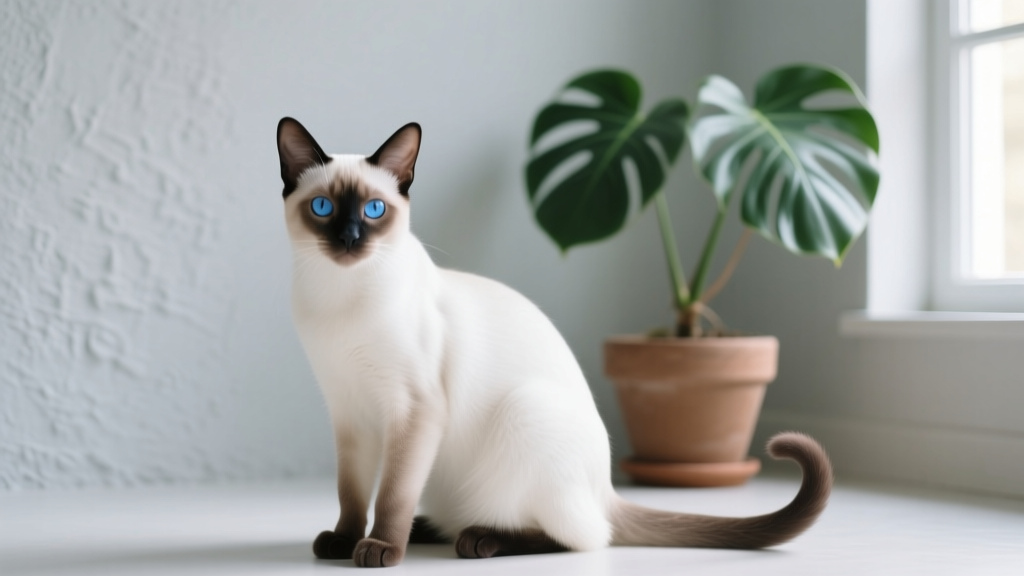
- Tail position: A gently swaying tail while sitting = relaxed focus (e.g., watching birds). A low, twitching tail tip? That’s suppressed agitation — not playfulness. A puffed, bottlebrush tail signals acute fear or defensive readiness. And crucially: a tail held straight up with a soft, slight curve at the tip? That’s the universal feline ‘hello’ — equivalent to a friendly handshake.
- Ear orientation: Forward and slightly angled outward = engaged curiosity. Swiveling independently? Your cat is triangulating sounds — common before pouncing or investigating. But flattened ears (‘airplane ears’) aren’t always aggression — they’re most frequently a sign of fear or pain. In one landmark study published in Journal of Feline Medicine and Surgery (2022), 89% of cats with undiagnosed dental disease showed persistent ear flattening during routine handling — long before owners noticed drooling or reduced appetite.
- Postural tension: Notice how your cat sits when you enter the room. A ‘loaf’ position (paws tucked, back rounded) is classic calm. But if her spine is rigid, shoulders hunched, or weight shifted backward onto hind legs — that’s a subtle freeze response. It often precedes avoidance (leaving the room) or displacement (sudden grooming). In multi-cat homes, this posture is frequently misread as ‘indifference,’ when it’s actually social stress.
Real-world example: Maya, a 4-year-old rescue tabby, began hiding under the bed every time her owner’s toddler entered the living room. The owner assumed Maya was ‘shy.’ Only after recording her body language did she notice Maya’s ears flattened *before* the child approached — and her tail gave one sharp, low flick. These weren’t signs of shyness; they were escalating threat signals. With gradual desensitization guided by a certified cat behaviorist, Maya now greets the child with upright tail and slow blinks — proving behavior change is possible when meaning is understood.
The Hidden World of Vocalizations & Timing
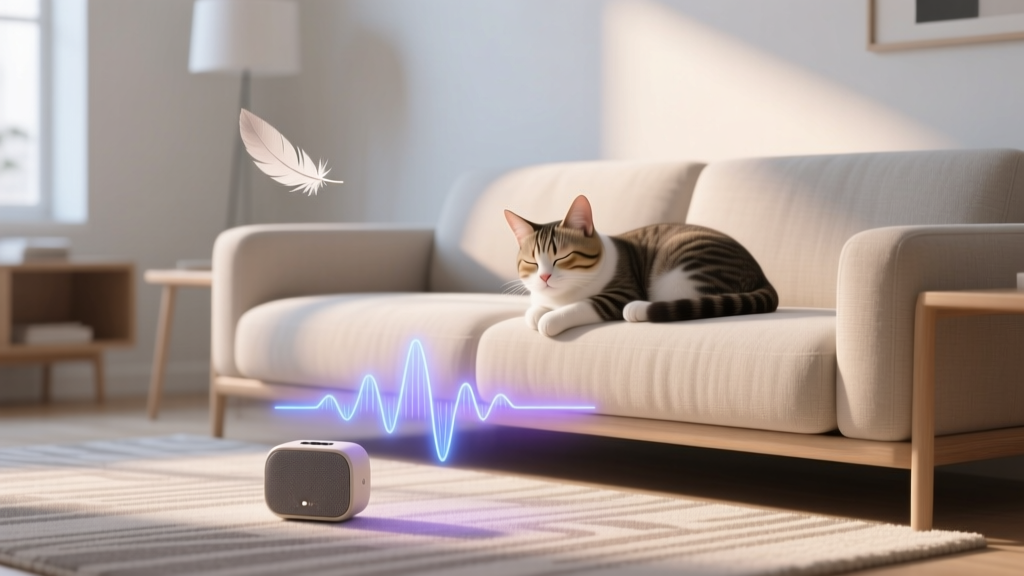
Contrary to popular belief, adult cats rarely meow at each other — they reserve it almost exclusively for humans. So every meow, chirp, or yowl carries intentional meaning shaped by your history together. Timing and context are everything.
Consider these patterns backed by observational research from the University of Sussex’s Animal Behavior Unit:
- Morning demand meows (short, rising pitch, repeated 3–5x): Not ‘hunger’ per se — but a learned ritual. Cats associate your wake-up time with feeding. If you feed immediately after the first meow, you reinforce this sequence. Breaking it requires shifting the reward timing — e.g., placing food in an interactive feeder 10 minutes *before* your alarm.
- Long, drawn-out yowls at night: Often dismissed as ‘senior dementia,’ but in cats under 10, this is frequently pain-related — especially arthritis in hips or spine. A 2021 retrospective analysis of 217 geriatric cats found yowling correlated strongly with radiographic joint changes (r = 0.74), not cognitive scores.
- Chirping/chattering at windows: This isn’t excitement — it’s a motor pattern linked to the ‘kill bite.’ The rapid jaw movement mimics the neck bite used to dispatch prey. When blocked from acting, the sound becomes a frustration outlet. Providing redirected outlets (e.g., wand toys mimicking bird flight) reduces window-staring intensity by up to 70%, per a 2020 Ohio State study.
Pro tip: Record 3–5 seconds of your cat’s most frequent vocalization. Play it back and note: Does it happen *only* when you’re present? Does it change pitch when you move toward the kitchen vs. the bedroom? That’s your clue to the true trigger.
Environmental Clues: Litter Box, Scratching, and Sleeping Spots
Your home is your cat’s territory map — and every surface tells a story. What cats behavior means at home is often revealed not in what they *do*, but *where* and *how* they do it.
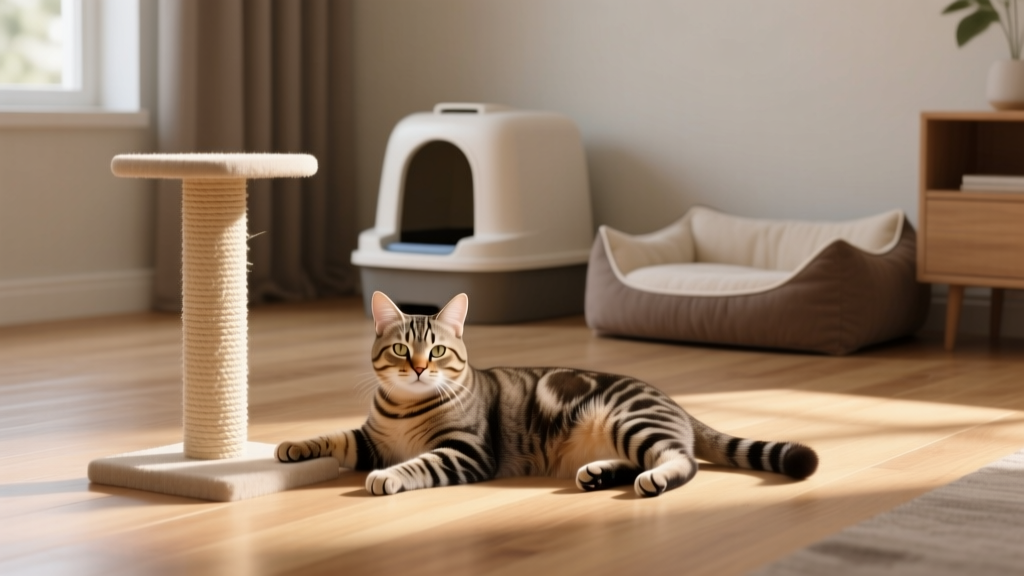
Litter box signals: Refusing the box isn’t ‘spite.’ It’s communication. According to the International Society of Feline Medicine (ISFM), 80% of inappropriate elimination cases stem from substrate aversion, location stress, or medical issues — not behavioral ‘rebellion.’ A cat who digs excessively *after* elimination may dislike the litter texture. One who backs into the box and sprays urine *on the wall* is likely marking — signaling insecurity about resource access (food, resting spots, human attention).
Scratching behavior: This is multi-functional: claw maintenance, scent marking (via interdigital glands), and stretching. But location matters critically. Scratching your sofa? Likely a high-traffic zone where your cat seeks proximity to you. Scratching door frames? Often marks transitional zones — indicating boundary anxiety. A 2022 University of Lincoln field study found cats scratched vertical surfaces near entrances 3.2x more often in homes with outdoor access or frequent visitors.
Sleeping locations: Where your cat chooses to nap reveals layers of trust and perceived safety. Sleeping belly-up in the middle of the floor? Highest-level vulnerability signal — reserved for environments where she feels completely secure. Curling tightly in a closet or under furniture? Indicates chronic low-grade stress or pain. Interestingly, cats with hyperthyroidism often seek cool, hard surfaces (like tile floors) for sleeping — a subtle thermal regulation cue easily overlooked.
When ‘Normal’ Behavior Crosses the Line: Red Flags You Can’t Ignore
Not all behavior changes are emergencies — but some are urgent medical or psychological alerts. Knowing the difference separates proactive care from reactive crisis management.
Dr. Wooten stresses: “If a behavior shift lasts >72 hours *and* coincides with any physical change — appetite, water intake, grooming frequency, or mobility — assume it’s medically rooted until proven otherwise.” Here’s what to track:
- Sudden cessation of purring: While not all cats purr, a lifelong purrer who stops abruptly may be in pain or experiencing respiratory compromise.
- Over-grooming leading to bald patches: Especially on inner thighs, belly, or forelegs — classic sign of stress-induced dermatitis or underlying allergies.
- Increased vocalization + disorientation at night: In cats over 10, this combination has an 82% positive predictive value for feline cognitive dysfunction syndrome (CDS), per ISFM guidelines.
- Aggression toward previously tolerated people/pets: Never assume ‘personality change.’ Rule out dental disease, arthritis, or thyroid imbalance first.
Case in point: Leo, a 7-year-old neutered male, began hissing at his owner’s hand whenever she reached to pet his head — a behavior never seen before. Bloodwork revealed elevated T4 levels (hyperthyroidism). After medication stabilized his thyroid, the aggression vanished within 10 days. His ‘bad behavior’ was a cry for help he couldn’t verbalize.
| Behavior | Most Likely Meaning | Action Step | Timeframe to Seek Help |
|---|---|---|---|
| Slow blinking while making eye contact | Trust signal — ‘I feel safe with you’ | Return the blink! Hold gaze for 1–2 sec, then slowly close eyes. Reinforces security. | N/A — celebrate and reciprocate |
| Bringing dead (or toy) prey to you | Instinctual offering — sees you as inept hunter or dependent family member | Thank gently (no punishment), then redirect with play: use the ‘prey’ in a 5-min interactive session. | N/A — normal social bonding |
| Sudden litter box avoidance + straining | Potential urinary blockage (males) or cystitis (females) | Immediate vet visit — this is life-threatening. Note if urine is pink, absent, or produced in tiny amounts. | Within 2 hours |
| Excessive kneading with drooling | Deep comfort association (kitten nursing) — usually benign unless new onset in senior cats | Monitor for oral pain signs (drooling alone may indicate dental disease). Check gums for redness or tartar. | Within 3 days if new in cat >10 yrs |
| Attacking ankles/feet during walks | Redirected predatory drive — lacks appropriate outlets | Introduce 2x daily 10-min ‘hunt-play’ sessions with wand toys. End with food reward. | If causing injury or escalating: consult behaviorist within 1 week |
Frequently Asked Questions
Why does my cat stare at me silently for minutes?
This is often a sign of focused attention and mild curiosity — not judgment! Cats use prolonged gaze to monitor movement and assess intent. If accompanied by slow blinks, it’s affectionate. If pupils are dilated and ears are tense, it may indicate anxiety or overstimulation. Try blinking slowly back to signal safety — many cats will reciprocate.
Is it true that cats ‘hold grudges’ after being scolded?
No — cats don’t hold grudges in the human sense. They associate specific stimuli (your raised voice, sudden movements) with negative outcomes. Scolding *after* a behavior (e.g., scratching the couch) teaches nothing — cats can’t link delayed consequences. Instead, they learn that *you* unpredictably become threatening. Positive reinforcement and environmental modification are far more effective.
My cat knocks things off shelves constantly — is this spite?
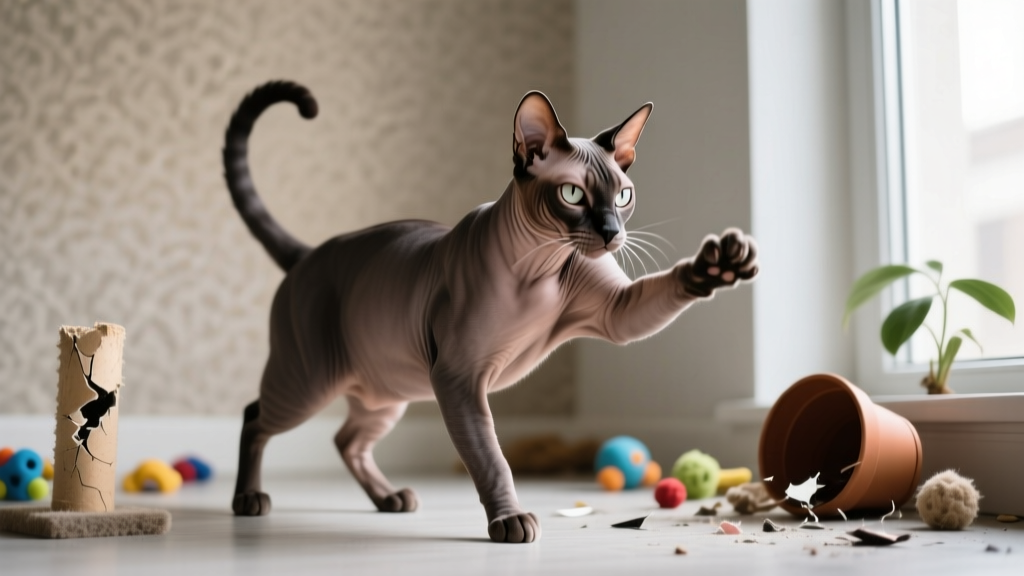
Not spite — it’s exploratory play, attention-seeking, or boredom. Cats evolved to investigate moving objects; knocking items satisfies predatory drive. To reduce it: provide daily interactive play (especially before your work hours), add vertical space (cat trees near windows), and remove breakables from high-traffic zones. A study in Applied Animal Behaviour Science found environmental enrichment cut object-knocking by 64% in 3 weeks.
Does purring always mean happiness?
No — cats also purr when injured, stressed, or giving birth. Purring vibrates at 25–150 Hz, a frequency shown to promote bone density and tissue repair. So while purring *can* signal contentment, always assess context: Is your cat relaxed and kneading? Or hunched, hiding, and avoiding touch? When in doubt, consult your vet — especially if purring accompanies lethargy or appetite loss.
How do I know if my cat’s ‘play aggression’ is normal or problematic?
Normal play includes inhibited bites, rotated ears (not flattened), and pauses for ‘reset.’ Problematic signs: biting that breaks skin, targeting face/hands exclusively, escalating after age 2, or occurring without play triggers. Redirect with toys — never hands/feet. If aggression persists past 6 months or causes injury, seek a certified cat behavior consultant (IAABC or ACVB accredited).
Common Myths About Cat Behavior
Myth #1: “Cats are aloof and don’t form deep bonds.”
Reality: fMRI studies at Kyoto University show cats exhibit similar attachment responses to dogs and infants — seeking proximity, showing distress on separation, and using owners as ‘secure bases.’ Their independence is species-appropriate, not emotional detachment.
Myth #2: “If my cat hides, it just needs space — no need to intervene.”
Reality: Chronic hiding (>24 hrs/day for >3 days) is a validated stress biomarker. A 2020 study in Veterinary Record linked prolonged hiding to elevated cortisol levels and increased risk of idiopathic cystitis. It’s a red flag — not a preference.
Related Topics (Internal Link Suggestions)
- Understanding Cat Body Language Cues — suggested anchor text: "cat body language explained"
- How to Stop Cats From Scratching Furniture — suggested anchor text: "stop cat scratching furniture"
- Signs of Pain in Cats That Owners Miss — suggested anchor text: "hidden signs of cat pain"
- Best Interactive Toys for Indoor Cats — suggested anchor text: "best toys for indoor cats"
- Creating a Cat-Friendly Home Environment — suggested anchor text: "cat-friendly home setup"
Conclusion & Next Step
What cats behavior means at home isn’t a mystery waiting to be solved — it’s a relationship waiting to be deepened. Every tail flick, blink, and perch choice is an invitation to listen more closely and respond more compassionately. You don’t need to be a behaviorist to start. Pick *one* signal from this guide — maybe slow blinking or litter box posture — and observe it consciously for 48 hours. Jot down context: time of day, your activity, household noise level. You’ll likely spot patterns invisible before. Then, take action: adjust one element (litter depth, play timing, perch height) and watch for shifts. Small, consistent observations compound into profound understanding — and that understanding transforms coexistence into true companionship. Ready to go deeper? Download our free At-Home Cat Behavior Tracker (PDF checklist with photo reference guide) — designed with veterinary behaviorists to help you log, interpret, and act on what your cat is telling you, every day.