What Cat Behaviors Mean for Play
Why Understanding What Cat Behaviors Mean for Play Isn’t Just Cute—It’s Critical
If you’ve ever wondered what cat behaviors mean for play, you’re not just curious—you’re likely dealing with a frustrated feline, a scratched arm, or a suddenly disengaged companion who walks away mid-session. Play isn’t optional for cats; it’s biologically hardwired survival training. Kittens practice hunting sequences through play, adults maintain neuromuscular coordination and mental sharpness, and seniors use gentle interaction to preserve cognitive function. Yet 68% of cat owners misinterpret at least three key play signals—leading to overstimulation, redirected aggression, or chronic withdrawal (2023 International Society of Feline Medicine survey). Worse, misreading these cues often gets blamed on ‘personality’ or ‘moodiness,’ when in reality, your cat is sending clear, consistent, species-specific messages—and you’re simply not fluent in feline.
Decoding the Play Sequence: From Stalk to Pounce (and When It Stops Being Fun)
Cats don’t play like dogs—or humans. Their play follows a precise, instinct-driven sequence rooted in predation: stalking → tracking → ambushing → capturing → killing → releasing. What looks like ‘cute chasing’ is actually a high-stakes neurological rehearsal. Dr. Sarah Wooten, DVM and certified feline behavior specialist, explains: ‘When a cat breaks off play abruptly, flattens ears, or flicks their tail rapidly, they’re not “done”—they’re signaling that arousal has crossed into stress. Ignoring that threshold trains them to bite or scratch as their only effective communication tool.’
Here’s how to recognize each phase—and what to do:
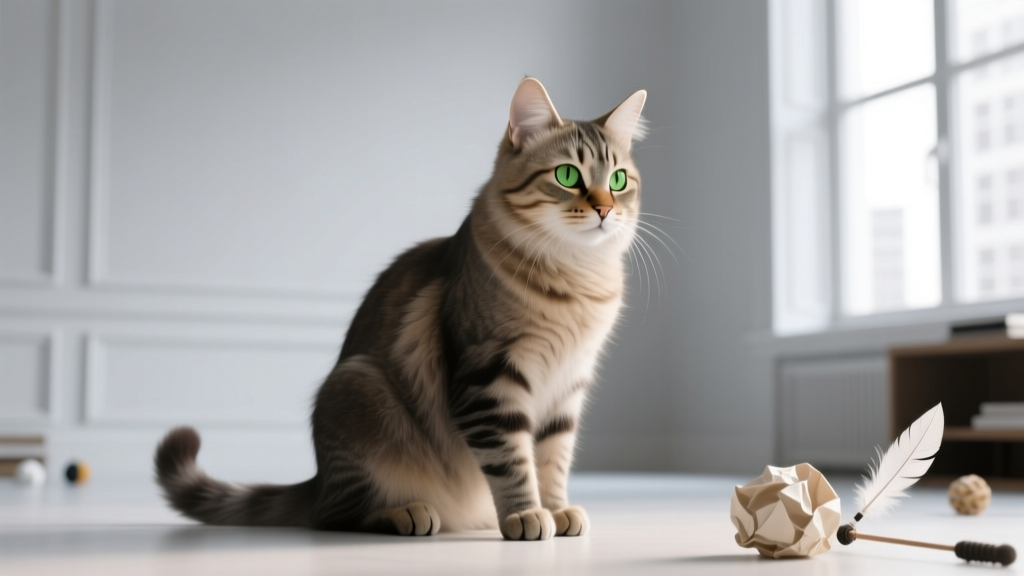
- Stalking (low crouch, slow blink, head held low): This is your green light—but don’t rush in. Let your cat initiate. If you dangle a wand toy too early, you interrupt their focus and trigger frustration.
- Tracking (intense eye fixation, whiskers forward, tail tip twitching): Your cat is calculating distance and timing. Pause movement. Let them lock on. A sudden jerk ruins the simulation.
- Ambushing (rear-end wiggle, deep breath-hold, stillness): This is the most vulnerable moment—and the most critical. Don’t move until they pounce. If you pull the toy away, you teach them that prey escapes unpredictably—a major source of anxiety.
- Capturing (bite, grab, shake): Allow this! Use toys with safe, durable materials (e.g., fleece mice with no loose threads). Never let them bite your hand—even ‘playfully.’ They can’t distinguish between fingers and prey.
- Killing & Releasing (rolling, kicking, dropping toy): This signals completion. End the session here—or offer a treat or meal immediately after. That mimics the natural ‘kill → eat’ reward loop, satisfying their instinctual drive.
Miss one step? Your cat may disengage, vocalize sharply, or swat at your hand—not out of malice, but because the game violated their internal script.
The 7 Silent Signals Your Cat Is Overstimulated (Not ‘Grumpy’)
Overstimulation is the #1 cause of play-related aggression—and it’s almost always preventable. Cats have a lower sensory tolerance than dogs or humans. Their nervous systems process stimuli faster and recover slower. What feels like ‘a few more seconds’ to you may be neurological overload to them.
Watch for these subtle, often-missed signs—before the tail lashing or ear flattening:
- Pupil dilation followed by rapid constriction — indicates autonomic stress response, not excitement.
- Horizontal ear rotation (‘airplane ears’) — ears pulled sideways, not back. This precedes defensive posturing.
- Skin rippling along the spine — involuntary muscle tension, often mistaken for ‘playful wiggling.’
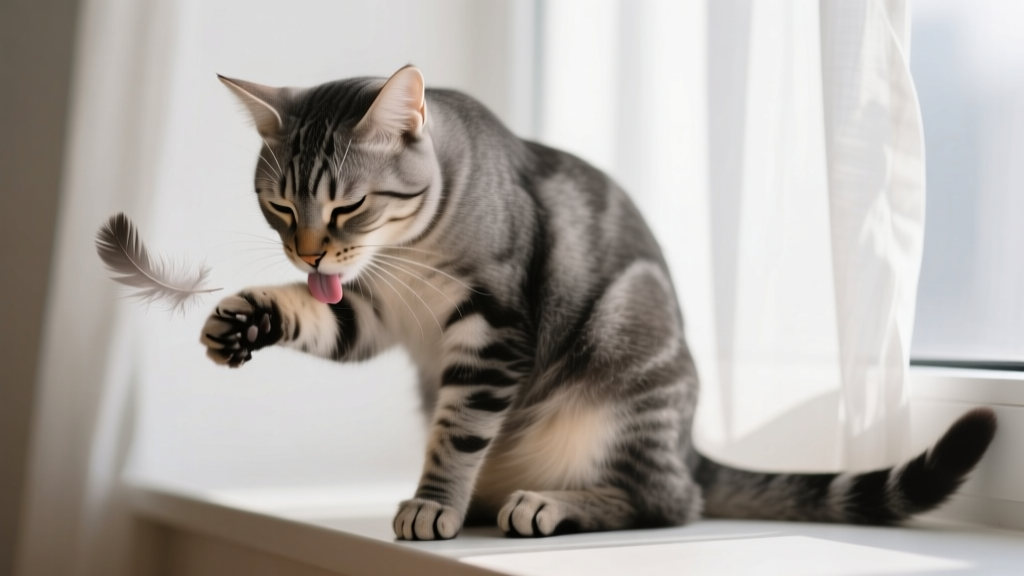
- Excessive grooming mid-play — licking paws or face is a displacement behavior signaling conflict.
- Freezing with wide eyes and shallow breathing — not hesitation; it’s a pre-flight or pre-fight pause.
- Chattering jaw without vocalizing — usually linked to intense focus, but paired with stiff posture = rising stress.
- Turning head away while still watching you — a polite ‘I need space’ signal. Respect it instantly.
Veterinary behaviorist Dr. Tony Buffington emphasizes: ‘Cats don’t escalate like dogs. They go from calm to reactive in under 1.7 seconds. The window to de-escalate is tiny—and it closes the moment you see the tail flick.’
Toy Selection & Technique: Matching Tools to Instinct, Not Preference
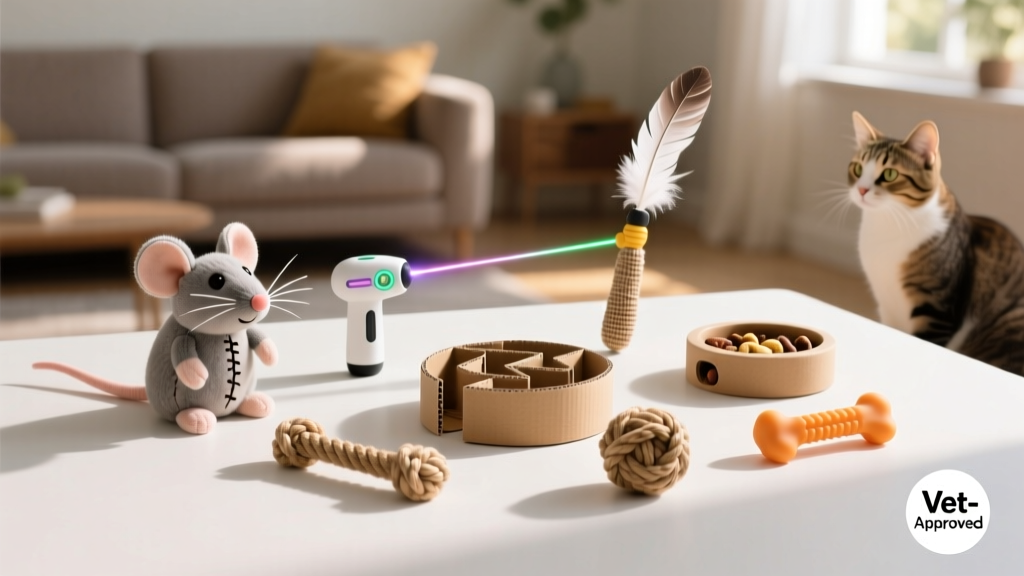
Most cat toys fail—not because cats are ‘picky,’ but because they violate core predatory logic. A laser pointer doesn’t simulate prey: it has no weight, scent, texture, or capture point. Studies show cats exposed to daily laser-only play exhibit 40% higher rates of obsessive behaviors and redirected aggression (Journal of Veterinary Behavior, 2021). Similarly, oversized plush toys ignore the ‘prey size’ instinct: cats naturally target creatures smaller than their head.
Instead, match toys to real-world prey profiles:
- Flying insects → Wand toys with feathers or lightweight streamers (e.g., Da Bird) used with erratic, darting motions.
- Ground rodents → Small, crinkle-filled mice (under 2” long) dragged with pauses and quick retreats.
- Slithering reptiles → Snake-like ropes or flexible silicone worms moved with side-to-side undulation.
Crucially: Always end with a tangible capture. Follow every wand session with a ‘kill toy’—a small, scented mouse or treat-dispensing puzzle your cat can physically hold, bite, and ‘defeat.’ This completes the neurochemical loop and prevents post-play frustration.
Timing matters too. Adult cats have two peak play windows: dawn and dusk—aligned with natural crepuscular rhythms. Schedule 10–15 minute sessions then, not during your lunch break. And never force play. If your cat walks away, respect it. Pushing invites learned helplessness—not engagement.
Play Behavior Differences Across Life Stages & Temperaments
What cat behaviors mean for play shifts dramatically with age, health, and individual wiring. A 4-month-old kitten’s frantic pouncing isn’t ‘hyperactivity’—it’s neural pruning in action. A 12-year-old senior’s gentle paw taps aren’t ‘boredom’—they’re conserving energy while maintaining motor control. Meanwhile, fearful or formerly stray cats may show ‘play avoidance’ not due to disinterest, but trauma: sudden movements or direct eye contact can mimic predator behavior.
Here’s how to adapt:
- Kittens (2–6 months): Prioritize social play with littermates or gentle human interaction. Use multiple short sessions (3–5 min, 5x/day) to avoid exhaustion. Introduce novel textures (crinkly paper, soft grass mats) to build sensory confidence.
- Adolescents (7–18 months): Highest energy + emerging independence. Offer puzzle feeders alongside physical play. Rotate toys weekly to prevent habituation. Introduce ‘hunt-and-find’ games (hide treats under cups).
- Adults (2–10 years): Consistency beats intensity. Two 12-minute sessions daily, same time/same location, builds security. Incorporate vertical elements (cat trees, wall shelves) to engage climbing instincts.
- Sensory-sensitive or anxious cats: Start with ‘parallel play’: sit nearby with a quiet toy (e.g., a feather on a 3-ft pole), moving it slowly only when they glance at it. Reward proximity—not participation.
One real-world case: Luna, a 3-year-old rescue with history of shelter overstimulation, refused all toys for 8 weeks. Her owner began with a single 6-inch feather on a stick, held motionless 3 feet away. On day 12, Luna sniffed it. By week 5, she’d initiated gentle bat-and-retreat games. Today, she plays 2x daily—but only with that specific feather. Her ‘no’ wasn’t rejection—it was self-preservation.
| Behavior Signal | What It Means for Play | Immediate Action to Take | Why It Matters |
|---|---|---|---|
| Tail held low with rapid tip flick | Early overstimulation warning—arousal spiking | Pause all movement. Count silently to 5. Then slowly withdraw toy. | Prevents escalation to biting/swatting; teaches cat that calm = continued play. |
| Ears rotated sideways (‘airplane’) | Nervous system overwhelmed; flight response imminent | Stop interaction. Turn slightly away. Offer a safe retreat space (box, covered bed). | Reduces cortisol spikes; builds trust that you respect their boundaries. |
| Slow blink + head turn toward you | Invitation to continue—sign of relaxed engagement | Resume play at lower intensity; mirror the blink to reinforce safety. | Strengthens bond; signals mutual understanding of consent-based interaction. |
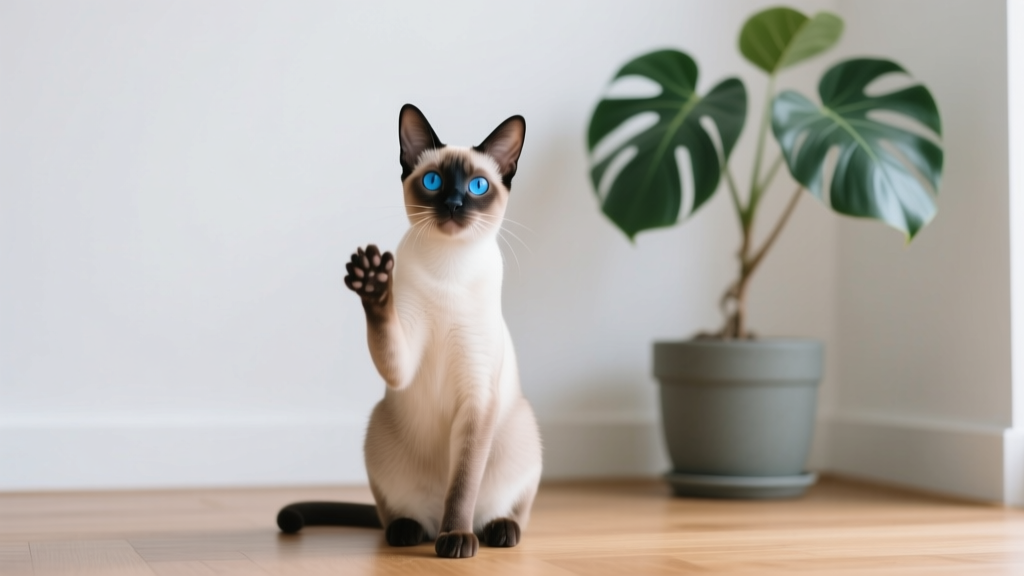
| Pawing at air while lying down | Dream-play or self-soothing—no interaction needed | Observe quietly. Do not touch or disturb. | Interrupting REM sleep play disrupts restorative brain activity. |
| Bringing toy to you and dropping it | ‘Sharing the kill’—a sign of deep trust and social bonding | Thank them verbally. Gently take the toy. Offer praise or a treat. | Reinforces secure attachment; encourages future cooperative play. |
Frequently Asked Questions
Why does my cat bite me gently during play—but then suddenly attack?
This ‘love bite’ followed by aggression is almost always a misread overstimulation cue. Gentle nibbles are part of the ‘killing’ sequence—but if you keep moving your hand, the cat’s instinct overrides affection. Their jaws close harder, faster, as arousal peaks. Solution: Always use toys—not hands—as targets. If biting occurs, freeze completely (no pulling away—that triggers chase instinct), then slowly stand up and walk away for 60 seconds. This teaches that biting ends play—not rewards it.
My cat ignores all toys. Does that mean they don’t want to play?
Not necessarily. Many cats reject toys due to poor design (wrong size, texture, or movement), past negative associations (e.g., a toy that startled them), or medical issues (dental pain, arthritis, hyperthyroidism). Rule out health first with a vet exam—including orthopedic and oral checks. Then try ‘novelty cycling’: introduce one new toy every 3 days, stored away the rest of the time. Also, try food-based play: hide kibble in cardboard tubes or roll treats down ramps. Often, the issue isn’t disinterest—it’s mismatched motivation.
Is it okay to play with my cat using my hands sometimes?
No—never. Even ‘gentle’ hand play teaches your cat that human skin is acceptable prey. Kitten play-biting is normal, but it must be redirected every single time to an appropriate toy. A 2022 study found cats allowed hand play before 16 weeks were 3.2x more likely to exhibit adult-onset play aggression toward owners. Use wand toys with 24+ inch handles to keep hands safely out of range—and always end sessions with a tangible ‘kill’ object.
How much playtime does my cat really need?
Minimum: two 10–15 minute sessions daily, aligned with dawn/dusk. But quality trumps quantity. A focused, instinct-respecting 8-minute session is more valuable than 30 minutes of chaotic chasing. Observe your cat’s body language—not the clock. If they walk away calmly, you’ve met their need. If they stalk your ankles afterward, you missed the ‘release’ phase. Adjust accordingly.
Can play behavior indicate illness?
Yes—absolutely. Sudden withdrawal from play, lethargy during sessions, reluctance to jump or pounce, or increased irritability during interaction can signal pain (dental disease, arthritis, abdominal discomfort) or neurological changes (hypertension, early cognitive decline). Track changes over 3–5 days. If play motivation drops >50% or behavior shifts significantly, schedule a vet visit with a focus on geriatric or feline-specific wellness screening.
Common Myths About Cat Play Behavior
Myth #1: “If my cat doesn’t bring me toys, they don’t love me.”
Fact: Toy-gifting is a learned behavior—not an innate expression of affection. Some cats do it; most don’t. Love is shown in slow blinks, head-butting, sleeping near you, and following your routine—not in dropped mice. Don’t pathologize natural variation.
Myth #2: “Playing rough with kittens teaches them boundaries.”
Fact: Rough play teaches kittens that hands = prey. It increases, not decreases, adult aggression. Instead, use consistent redirection: when kitten bites, say ‘ouch’ firmly, stop moving, and offer a chew toy. Reward gentle mouthing with treats. Socialization works through positive reinforcement—not correction.
Related Topics (Internal Link Suggestions)
- Cat body language dictionary — suggested anchor text: "decoding cat tail positions and ear angles"
- Best interactive cat toys for indoor cats — suggested anchor text: "vet-recommended wand toys and puzzle feeders"
- How to stop cat play aggression — suggested anchor text: "gentle, science-backed techniques to reduce biting and scratching"
- Signs of stress in cats — suggested anchor text: "subtle indicators your cat feels anxious or overwhelmed"
- Cat enrichment ideas for small apartments — suggested anchor text: "space-smart play setups that satisfy hunting instincts"
Conclusion & Your Next Step
Understanding what cat behaviors mean for play isn’t about mastering a checklist—it’s about cultivating interspecies empathy. Every tail flick, ear pivot, and paused stare is data. Your job isn’t to control the play, but to co-regulate it: matching your energy to theirs, honoring their thresholds, and completing the biological loop so your cat feels safe, satisfied, and deeply understood. Start today—not with a new toy, but with observation. For the next 3 days, keep a simple log: note the time, duration, your cat’s first 3 behaviors, and how they ended the session. You’ll spot patterns faster than you think. Then, pick one signal from our table above—and respond to it differently tomorrow. That tiny shift builds trust, reduces conflict, and transforms play from a chore into a shared language. Ready to deepen the connection? Download our free Feline Play Signal Quick Reference Guide—with printable visuals and vet-approved response scripts.