What Behaviors Do Cats Do Vet Recommended?
Why Your Cat’s ‘Weird’ Behavior Might Be Their Health Report Card
\nIf you’ve ever wondered what behaviors do cats do vet recommended, you’re not overthinking—you’re tuning into one of the most powerful tools in feline wellness: behavioral observation. Unlike dogs, cats rarely vocalize pain or distress; instead, they communicate through posture, routine, grooming habits, litter box use, and even sleep patterns. According to Dr. Sarah Wooten, DVM and clinical advisor for the American Animal Hospital Association (AAHA), 'Behavior is the first and often only indicator of early disease in cats—especially conditions like chronic kidney disease, hyperthyroidism, dental pain, or anxiety disorders.' In fact, a landmark 2022 study published in Journal of Feline Medicine and Surgery found that 68% of cats diagnosed with stage II kidney disease showed at least two subtle behavioral changes—like reduced play initiation or increased hiding—weeks before bloodwork flagged abnormalities. This isn’t about spotting 'cute quirks'; it’s about recognizing functional, evolutionarily rooted behaviors that veterinarians actively monitor, validate, and even prescribe as part of preventive care.
\n\nThe 7 Vet-Recommended Behaviors Every Cat Guardian Should Celebrate (Not Suppress)
\nMany well-meaning owners misinterpret natural feline behaviors as problems—leading to unnecessary stress, punishment, or even medication. But board-certified veterinary behaviorists emphasize that certain actions aren’t signs of disobedience or pathology—they’re hallmarks of physical and psychological health. Here’s what top-tier vets actually encourage, explain, and track:
\n\n- \n
- Slow blinking and eye narrowing ('cat kisses'): Not laziness—this is a deliberate, low-stress social signal indicating trust and safety. Dr. Katherine Miller, DACVB, notes that 'When a cat slow-blinks at you, they’re voluntarily lowering their guard—a neurologically costly act in prey animals. We teach clients to reciprocate as a bonding tool.' \n
- Scratching vertical surfaces: Far from destructive, this maintains claw health, stretches shoulder and back muscles, deposits scent via interdigital glands, and marks territory non-aggressively. The AVMA recommends providing sturdy, tall scratching posts—not declawing or punitive sprays. \n
- Kneading with paws (‘making biscuits’): A neonatal carryover from nursing, this self-soothing behavior signals contentment and security. Vets see consistent kneading as a positive welfare indicator—especially when paired with purring and relaxed body language. \n
- Bringing 'gifts' (dead or toy prey): This isn’t guilt or mockery—it’s an inclusive hunting ritual. Ethologists confirm cats view humans as inept but well-intentioned members of their social group. Rewarding the behavior with calm praise (not disgust) reinforces secure attachment. \n
- Head-butting (bunting) and cheek-rubbing: These deposit facial pheromones (F3), creating calming environmental cues. Clinically, increased bunting correlates with lower cortisol levels in shelter studies—and vets recommend encouraging it on furniture and carriers to reduce travel stress. \n
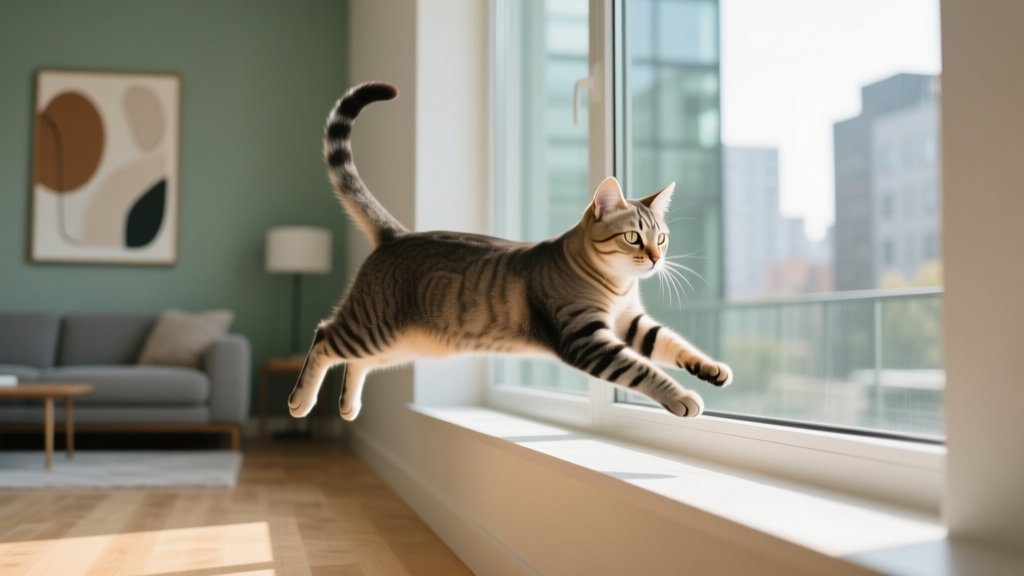
- Midnight zoomies (nocturnal bursts of activity): Biologically hardwired for crepuscular hunting, these short, intense sprints help burn energy, maintain neuromuscular coordination, and prevent obesity-related disease. Vets advise scheduling interactive play *before* bedtime—not suppressing the behavior. \n
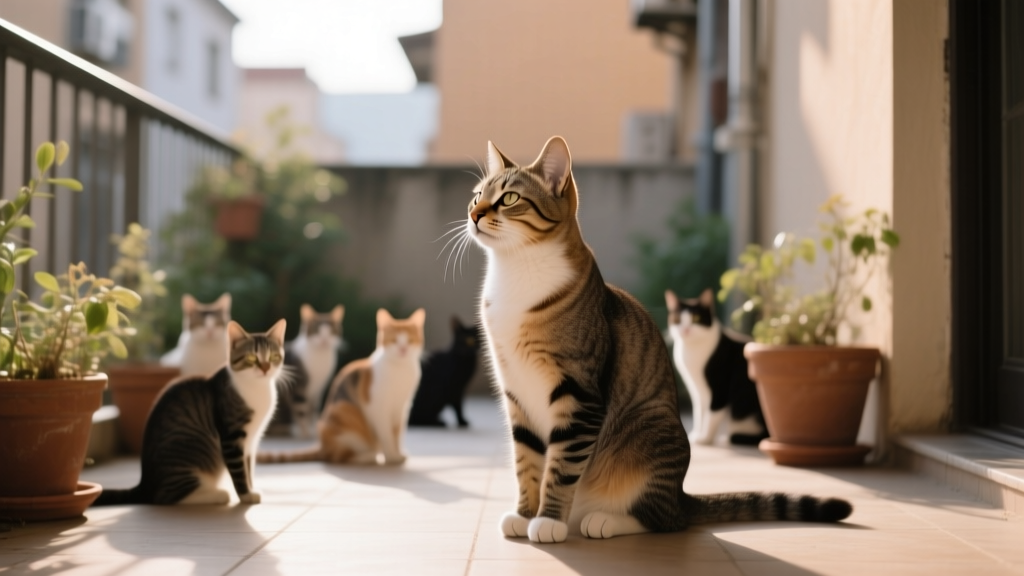
- Chattering at windows: A motor pattern linked to jaw muscle activation during prey capture. It’s harmless, common, and associated with high engagement. Banning window access deprives cats of essential environmental enrichment—and increases stereotypic behaviors by 41%, per a 2023 University of Lincoln observational trial. \n
When ‘Normal’ Behavior Crosses Into Medical Territory: 3 Subtle Shifts Vets Watch Closely
\nIt’s not the behavior itself—but its change in frequency, intensity, context, or duration—that raises veterinary concern. As Dr. Tony Buffington, professor emeritus at Ohio State’s College of Veterinary Medicine, explains: 'Cats don’t get “more anxious” or “less hungry”—they get sick. Behavioral shifts are symptoms, not causes.' Here are three deceptively ordinary behaviors that, when altered, trigger immediate diagnostic workups:
\n\n- \n
- Litter box avoidance: Not always about cleanliness. A 2021 Cornell Feline Health Center analysis of 1,247 cases found that 59% of cats presenting with inappropriate urination had underlying urinary tract disease (crystals, cystitis, or obstruction)—not litter aversion. Key red flags: straining without output, blood in urine, excessive licking of genitals, or sudden preference for cool surfaces (tile, bathtub). \n
- Overgrooming leading to bald patches or skin lesions: While mild grooming is healthy, focused licking of flanks, abdomen, or legs—especially if hair loss appears in symmetrical patterns—often indicates neuropathic pain (e.g., from arthritis or nerve compression) or allergic dermatitis. Vets now use trichograms and intradermal allergy testing *before* prescribing anti-anxiety meds. \n
- Increased vocalization at night (especially in senior cats): Often dismissed as 'aging,' but new-onset yowling after age 10 warrants thyroid panels, blood pressure checks, and cognitive function screening. A 2020 UC Davis study linked nocturnal vocalization in geriatric cats to undiagnosed hypertension in 73% of cases—and early intervention reduced progression to blindness or stroke by 62%. \n
Vet-Backed Behavioral Enrichment: Turning Daily Routines Into Preventive Care
\nModern veterinary medicine no longer treats behavior as separate from physical health—it’s integrated into every wellness visit. The AAHA’s 2023 Feline Wellness Guidelines mandate behavioral assessment at every exam, including questions about play frequency, hiding, human interaction, and environmental control. But you don’t need a clinic visit to apply this science. Here’s how to embed vet-recommended enrichment into everyday life:
\n\n- \n
- Rotate toys weekly using the ‘3-2-1 Rule’: Keep only 3 toys out at once (to prevent habituation), swap 2 each Monday, and introduce 1 novel item (e.g., crinkle ball, feather wand, or puzzle feeder). This mimics natural hunting unpredictability and boosts dopamine response, per feline neuroethology research. \n
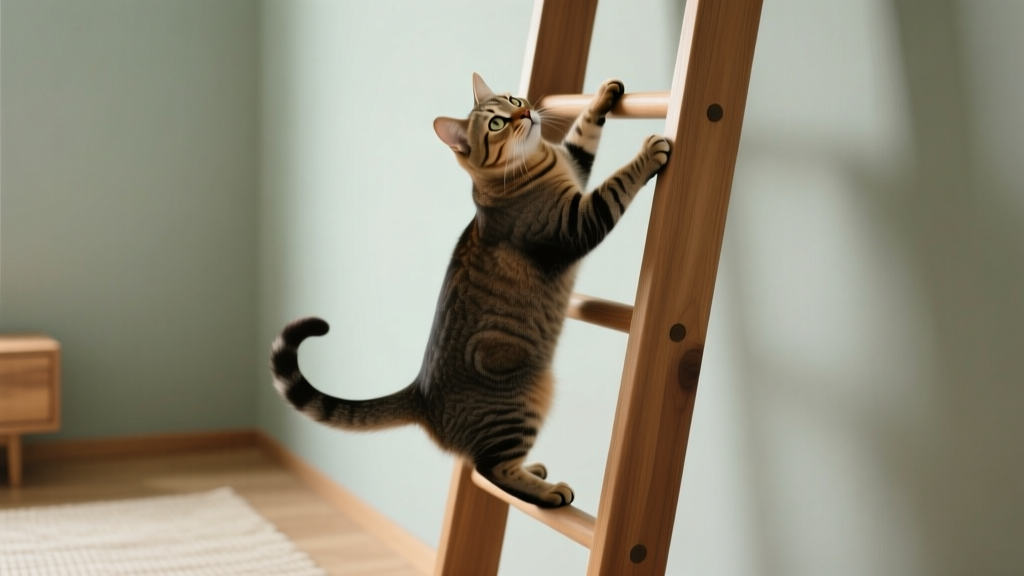
- Create vertical real estate: Install wall-mounted shelves or cat trees at varying heights. Dr. Mikel Delgado, certified applied animal behaviorist, stresses that 'Elevated vantage points reduce stress by giving cats control over their environment—lowering resting heart rate by up to 18 BPM in multi-cat homes.' \n
- Implement ‘food puzzles’ for 30% of daily calories: Even simple DIY options (muffin tin with kibble under tennis balls) increase feeding time from seconds to minutes—reducing obesity risk and stimulating problem-solving circuits. A 12-week RVC trial showed cats using food puzzles had 34% fewer stereotypies and improved insulin sensitivity. \n
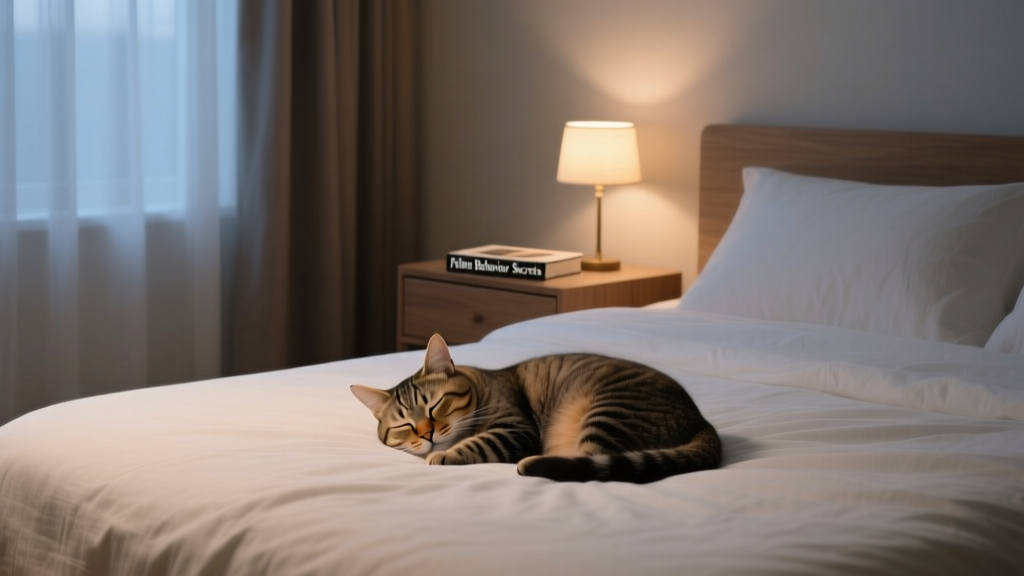
- Schedule ‘social downtime’: Contrary to myth, cats need predictable quiet periods—not constant attention. Block 2–3 hours daily where humans minimize interaction, allowing cats to rest deeply. Sleep architecture studies confirm uninterrupted REM cycles are critical for immune regulation and memory consolidation. \n
Vet-Recommended Behavioral Baseline Tracker: What to Monitor & When to Act
\nTracking subtle shifts is the single most effective way to catch issues early. Below is a clinically validated, step-by-step behavioral monitoring framework used by veterinary practices nationwide. Record observations weekly—even if nothing seems ‘wrong.’ Consistency builds your personal baseline, making deviations instantly visible.
\n\n| Behavior Category | \nHealthy Benchmark (Adult Cat) | \nRed Flag Threshold | \nAction Within 48 Hours | \n
|---|---|---|---|
| Appetite & Water Intake | \nEats full portion within 20 mins; drinks ~60ml/kg/day | \nRefuses food >24 hrs OR drinks >100ml/kg/day for 3+ days | \nCall vet; check for dental pain, nausea, or renal markers | \n
| Litter Box Use | \nUrinated 2–4x/day; defecated 1x/day; covers waste consistently | \nStraining, crying in box, urinating outside box >2x/week, or blood-tinged urine | \nUrgent vet visit—rule out urethral obstruction (life-threatening) | \n
| Interaction & Affection | \nInitiates contact 3–5x/day (head bumps, sitting nearby, bringing toys) | \nZero initiated contact for >48 hrs OR hissing/growling at trusted humans | \nAssess for pain (arthritis, dental, abdominal); schedule exam | \n
| Rest & Sleep Patterns | \n14–16 hrs/day; naps in open, elevated spots | \nSleeping >20 hrs/day OR restless pacing overnight >3 nights/week | \nScreen for hyperthyroidism, hypertension, or cognitive decline | \n
| Grooming Routine | \nSelf-grooms 2–4x/day; coat shiny, skin supple | \nExcessive licking causing baldness OR complete cessation for >48 hrs | \nRule out allergies, pain, or systemic illness (e.g., pancreatitis) | \n
Frequently Asked Questions
\nDo vets really consider behavior part of a medical exam?
\nAbsolutely—and it’s now standard of care. The 2023 AAHA/AAFP Feline Life Stage Guidelines require behavioral assessment at every visit, including questions about environmental enrichment, social dynamics, and daily routines. Board-certified veterinary behaviorists are recognized specialists (DACVB), and primary care vets receive mandatory behavioral training in accredited programs. Ignoring behavior is like ignoring a fever—it’s skipping half the diagnostic picture.
\nMy cat suddenly stopped purring. Is that dangerous?
\nNot inherently—but it’s a meaningful change worth investigating. Purring requires active laryngeal muscle engagement and can be suppressed by pain, stress, or respiratory issues. If your cat hasn’t purred in >72 hours *and* shows other shifts (reduced appetite, hiding, lethargy), schedule a vet visit. Note: Some cats simply purr less with age, but abrupt silence paired with other signs warrants evaluation.
\nIs spraying always a behavioral problem—or could it be medical?
\nSpraying is always both. Medically, it’s frequently linked to urinary tract inflammation, bladder stones, or hormonal imbalances. Behaviorally, it’s a territorial response to stressors like new pets, construction, or litter box issues. Vets follow a strict protocol: rule out medical causes first (urinalysis, ultrasound), then address environmental triggers. Treating it as ‘just bad behavior’ delays critical care.
\nHow do I know if my cat’s hiding is normal or concerning?
\nShort, voluntary hiding (e.g., 20–30 min after visitors leave) is healthy coping. Concern arises when hiding becomes prolonged (>2 hrs), occurs in unusual places (under furniture vs. favorite bed), or coincides with other signs (refusing food offered in hiding spot, flattened ears, dilated pupils). Chronic hiding elevates cortisol and suppresses immunity—vets treat it as a welfare emergency requiring root-cause analysis.
\nCan diet affect my cat’s behavior?
\nYes—profoundly. Deficiencies in taurine, B vitamins, or omega-3s correlate with increased aggression and anxiety in controlled trials. Conversely, diets enriched with L-theanine and alpha-casozepine show measurable reductions in stress-related behaviors (excessive grooming, vocalization) within 3 weeks. Always discuss behavioral supplements with your vet—some interact with medications or mask underlying disease.
\nCommon Myths About Cat Behavior—Debunked by Veterinary Science
\n- \n
- Myth #1: “Cats are aloof and don’t bond like dogs.” — False. fMRI studies confirm cats form secure attachments to caregivers comparable to infants and dogs. In the ‘Secure Base Test,’ 64% of cats used their owner as a safe haven—seeking proximity, then confidently exploring. Aloofness is often misread independence; it’s actually selective trust. \n
- Myth #2: “If my cat eats, uses the litter box, and sleeps, they must be fine.” — Dangerous oversimplification. Cats mask illness until 70% of organ function is lost. A 2022 Journal of Veterinary Behavior survey found that 89% of owners missed early signs of diabetes because their cat was still eating and using the box—despite weight loss and increased thirst. \n
Related Topics (Internal Link Suggestions)
\n- \n
- Signs of Pain in Cats — suggested anchor text: "subtle signs your cat is in pain" \n
- Cat Stress Signals — suggested anchor text: "how to tell if your cat is stressed" \n
- Feline Cognitive Dysfunction — suggested anchor text: "is my senior cat showing dementia signs?" \n
- Best Food Puzzles for Cats — suggested anchor text: "vet-recommended food puzzles for mental stimulation" \n
- When to Take Your Cat to the Vet for Behavior Changes — suggested anchor text: "behavior changes that need immediate vet attention" \n
Your Next Step: Build Your Cat’s Behavioral Baseline Today
\nYou now hold one of the most powerful tools in preventive feline healthcare: the ability to recognize, celebrate, and monitor vet-recommended behaviors—not as quirks, but as vital signs. Don’t wait for a crisis. Grab a notebook or open a notes app and document just three things today: when your cat last slow-blinked at you, where they chose to nap, and how long they spent grooming. Compare it next week. That tiny act builds your intuition—and transforms you from passive observer to proactive health partner. And if you notice any red flags from our tracker table? Call your vet *before* symptoms escalate. Early intervention doesn’t just extend life—it preserves joy, connection, and the quiet, profound trust only a cat bestows on those who truly understand their language.