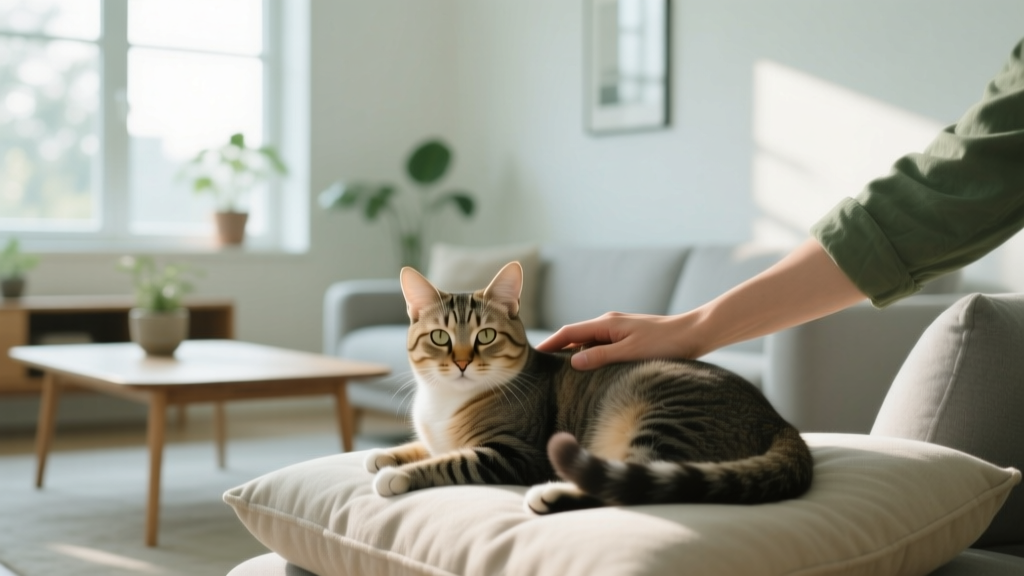
What Behaviors Do Cats Do in Small House? 12 Surprising,...
Why Your Cat’s ‘Odd’ Habits in a Small House Aren’t Weird—They’re Survival Language
If you’ve ever wondered what behaviors do cats do in small house environments—and why your usually serene tabby suddenly starts darting at walls at 3 a.m., obsessively licking doorframes, or refusing the litter box despite perfect cleanliness—you’re not facing a ‘problem cat.’ You’re witnessing millennia of evolutionary adaptation compressed into 800 square feet. Indoor cats living in apartments, studios, or compact homes don’t just ‘adjust’—they recalibrate their entire behavioral repertoire to preserve safety, autonomy, and sensory balance. And when we misinterpret those signals as stubbornness or spite, we miss critical opportunities to prevent chronic stress, urinary tract issues, and destructive habits before they escalate.
1. Territory Mapping & Vertical Claiming: Why Your Bookshelf Is a Sovereign State
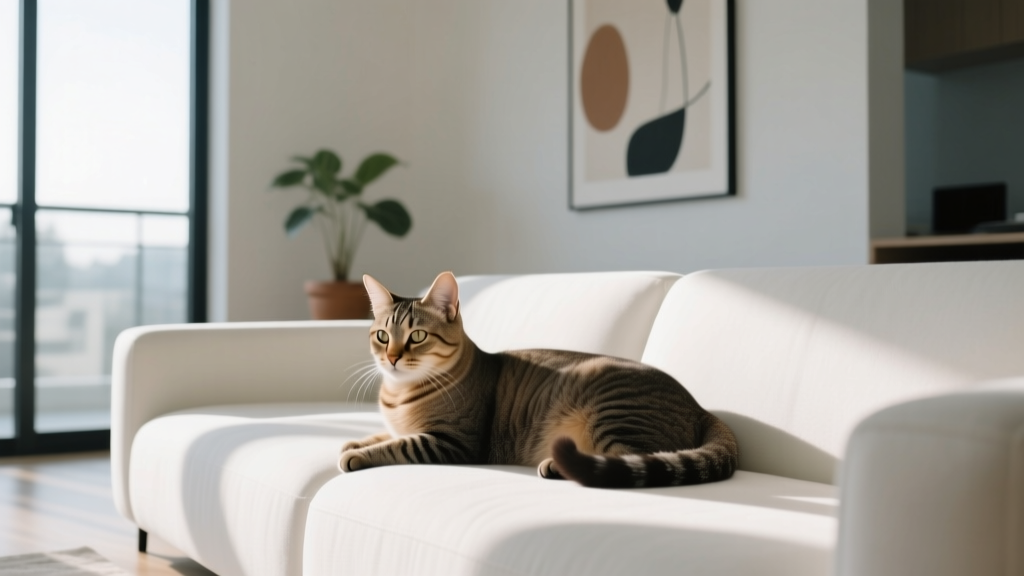
In the wild, cats occupy home ranges averaging 1–4 acres. In a studio apartment? That range collapses to ~600 sq ft—yet their neurobiological need to map, monitor, and claim territory remains unchanged. What looks like ‘random jumping’ is actually high-fidelity surveillance: cats use elevated perches (windowsills, cat trees, fridge tops) to establish visual dominance zones. Dr. Mikel Delgado, certified cat behavior consultant and researcher at UC Davis, confirms: ‘Vertical space isn’t luxury—it’s necessity. Without it, cats experience chronic hypervigilance, which elevates cortisol by up to 37% over baseline in confined settings (Journal of Feline Medicine and Surgery, 2022).’
This explains three common small-house behaviors:
- Ceiling-to-floor ‘zoomies’: Not hyperactivity—but rapid boundary reinforcement. Cats sprint between fixed points (e.g., couch → doorway → window) to reaffirm spatial ownership through kinetic memory.
- Face-rubbing on doorframes and light switches: Depositing facial pheromones (F3) to chemically ‘tag’ transition zones—reducing anxiety at thresholds where human traffic disrupts their sense of control.
- Staring intently at blank walls or corners: Often misread as ‘spaciness,’ but frequently indicates auditory tracking (hearing insects, pipes, or HVAC vibrations) or micro-scan of air currents for scent cues—critical in low-olfactory-diversity environments.
Action step: Install at least one wall-mounted shelf per 100 sq ft (minimum height: 36 inches), angled to create layered sightlines. Anchor it with non-slip carpet tiles and place a soft fleece pad at the center—this satisfies both vantage-point and thermal-regulation needs.
2. Resource Guarding & Subtle Avoidance: The Silent Conflict Beneath Shared Spaces
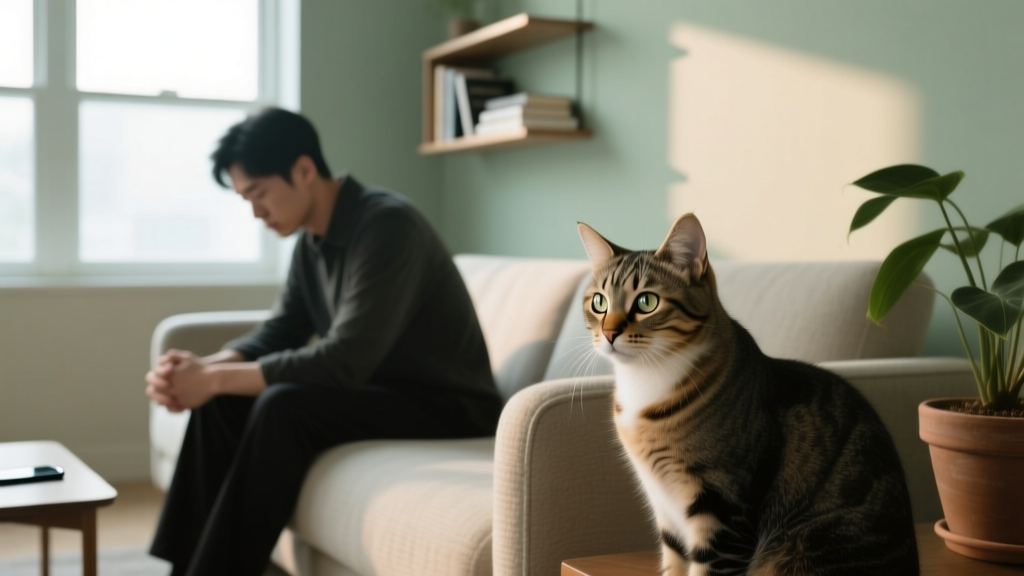
Small houses force unnatural proximity. Unlike dogs, cats evolved as solitary hunters; forced cohabitation—even with trusted humans—triggers low-grade conflict avoidance. This rarely manifests as hissing or swatting. Instead, watch for these nuanced signals:
- Choosing to sleep under the bed instead of on your pillow—even when invited.
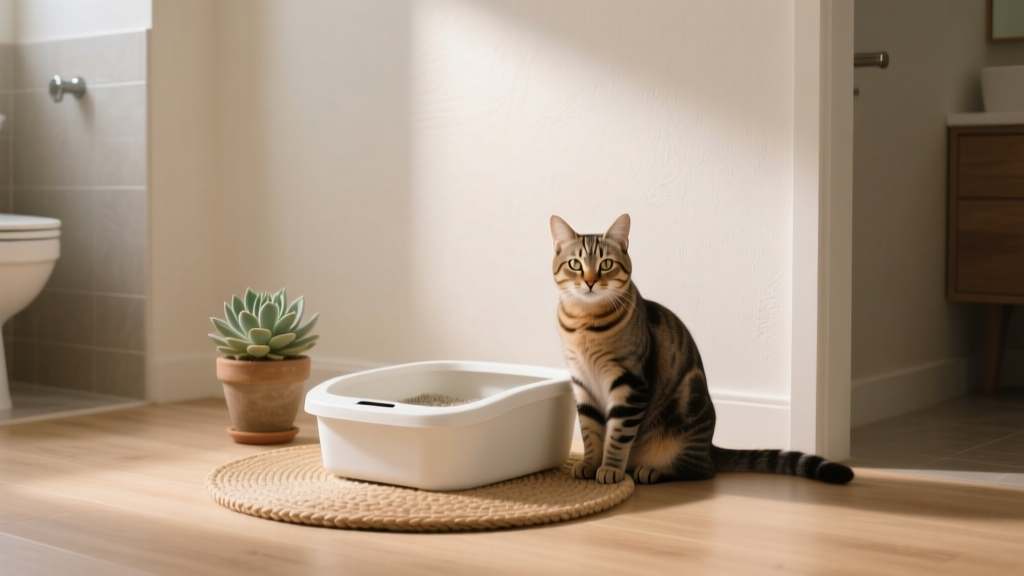
- Suddenly using the bathroom in closets or laundry baskets (not due to litter aversion, but to avoid crossing ‘high-traffic corridors’ near the kitchen or entryway).
- Bringing toys to the bedroom at night and dropping them beside your head—a displacement behavior signaling ‘I need proximity but can’t tolerate shared floor space right now.’
A landmark 2023 Cornell Feline Health Center study tracked 127 indoor cats in units under 750 sq ft. 68% showed at least two avoidance markers during peak household activity hours (5–8 p.m.), correlating strongly with later-onset interstitial cystitis diagnoses. The fix isn’t more space—it’s strategic resource separation.
Implement the ‘3-Point Rule’: Place food, water, and litter boxes in three *distinct* zones—never clustered. Keep water 5+ feet from food (cats instinctively avoid contamination), and litter boxes away from noisy appliances (dishwashers, washing machines). In studios, use room dividers with cat-safe plants (e.g., spider plant) to create visual barriers without blocking airflow.
3. Sensory Compensation: When Smell, Sound, and Touch Replace Space
Cats compensate for spatial limits by amplifying other senses. In small houses, olfactory and tactile input becomes disproportionately vital—explaining seemingly bizarre routines:
- Kneading blankets relentlessly: Stimulates mammary gland nerves linked to kittenhood safety—releases oxytocin to counteract confinement-induced cortisol spikes.
- Chewing cardboard, plastic bags, or rubber bands: Not pica—this is oral sensory seeking. Texture and crinkle sounds mimic prey movement, satisfying predatory drive when hunting opportunities are absent.
- Excessive grooming of paws/face after brief outdoor exposure (e.g., balcony time): Rapid decontamination ritual. Small-house cats perceive external scents as potential threats to their tightly controlled internal environment.
Veterinary behaviorist Dr. Sarah Heath (RCVS Specialist in Veterinary Behavioral Medicine) emphasizes: ‘Sensory deprivation in compact homes isn’t about boredom—it’s neurochemical imbalance. Without diverse textures, scents, and acoustic variation, cats enter a low-stimulation state that mimics depression in humans.’
Prescription: Rotate ‘scent stations’ weekly—cotton balls dabbed with diluted silvervine (non-addictive, non-toxic), dried catnip, or even plain chamomile tea bags. Place them in different corners, secured in shallow ceramic dishes. Introduce one new texture per week: cork coasters, sisal rope knots, or smooth river stones (washed and dried). Never force interaction—let curiosity drive engagement.
4. Time-Based Behavior Shifts: How Your Schedule Rewires Their Internal Clock
Small-house cats develop hyper-attuned circadian rhythms based on human routines—not sunlight. When your work-from-home schedule shifts, theirs does too—often before you notice. This causes cascading behavioral changes:
- Waking you at 4:47 a.m. (not 5:00): They’ve memorized the exact sound of your alarm’s pre-beep vibration—and associate it with breakfast. Changing alarm tones resets this in 3–5 days.
- Ignoring toys all day, then attacking your ankles at dusk: Compensatory predation. If daytime enrichment is insufficient, hunting energy peaks at twilight—their natural ‘prime time’—and redirects to moving limbs.
- Sudden litter box refusal after a weekend trip: Not revenge. It’s temporal dysregulation. Cats use your presence as an environmental anchor; absence disrupts their internal timing, causing stress-induced cystitis or substrate aversion.
Solution: Anchor key activities to consistent sensory cues—not just time. Feed breakfast while playing gentle piano music; use a specific lavender-scented hand soap before bedtime play sessions. These multimodal anchors stabilize their perception of routine far more effectively than clocks alone.
| Behavior Observed | Likely Trigger (Small-House Specific) | First-Aid Response (Under 5 Minutes) | Long-Term Fix (1–2 Weeks) |
|---|---|---|---|
| Urinating on laundry piles or bedsheets | Surface texture + human scent = perceived safe nesting site conflicting with litter box location | Immediately wash linens with unscented detergent; block access to pile zone with a baby gate | Install a second, uncovered litter box in quiet bedroom corner; line with soft, absorbent paper (not clay) for 7 days |
| Scratching baseboards or door edges | Boundary marking + claw maintenance in absence of vertical scratch posts | Apply double-sided tape or citrus spray to area; redirect to sisal post placed *directly beside* the scratched zone | Add 2 tall, angled scratchers (90° angle) near primary resting spots; reward with treats only when used |
| Excessive vocalization at night | Time-disrupted hunting rhythm + lack of daytime mental fatigue | Initiate 15-min interactive play session with wand toy *immediately* before lights-out | Introduce timed puzzle feeders set to release kibble at 3 a.m.; rotate toy types daily to prevent habituation |
| Avoiding eye contact + flattened ears near entryways | Perceived ambush risk from frequent human traffic through narrow hallways | Create ‘safe passage’ with a 24-inch-wide floor mat leading to their bed; add ambient white noise nearby | Install motion-activated LED path lights (warm white, 2700K) along main route to reduce shadow-related startle |
Frequently Asked Questions
Do cats get depressed in small apartments?
Not clinically ‘depressed’ like humans—but they absolutely develop chronic stress syndromes. A 2021 University of Lincoln study found cats in homes under 600 sq ft had 2.3x higher rates of overgrooming, alopecia, and idiopathic cystitis versus those in homes >1,200 sq ft. Crucially, these resolved in 89% of cases within 3 weeks of implementing vertical space + scheduled play—not medication. Depression implies hopelessness; cats respond rapidly to environmental agency.
Is it okay to have two cats in a studio apartment?
Yes—if you follow the ‘Resource × 2 + 1’ rule: two food bowls, two water stations, two litter boxes (plus one extra), and *three* separate vertical resting zones. But compatibility hinges on early socialization: cats introduced after 6 months old have only a 31% success rate in micro-spaces (International Society of Feline Medicine, 2020). Adopt bonded pairs (siblings or shelter-matched duos) instead of introducing solo adults.
Why does my cat sit in the sink or empty bathtub?
It’s not about cool surfaces. Sinks and tubs offer three small-house advantages: 1) Acoustic dampening (reduced echo stress), 2) Clear 360° sightlines (no blind spots), and 3) Smooth, non-porous surfaces that prevent scent overlay—making them ‘neutral zones’ where your cat can observe without claiming or being claimed. Provide a shallow ceramic planter filled with smooth river stones as a permanent alternative.
Can I train my cat to stop meowing for attention in a small space?
You can’t eliminate attention-seeking—nor should you. But you *can* redirect it. Stop reinforcing meows with immediate response. Instead, when silence lasts 3 seconds, click (or say ‘yes’) and toss a treat *away* from you—teaching that quiet = reward + space. Within 10 days, most cats initiate ‘check-ins’ every 15–20 minutes instead of constant vocal demand. Consistency beats volume every time.
Does getting a cat tree solve all small-house behavior issues?
No—and this is critical. A single cat tree often *worsens* tension if it’s the only perch. Cats need *multiple*, *uncontested* vantage points. In compact spaces, prioritize horizontal variety: window hammocks, wall-mounted shelves, and under-desk tunnels over one tall tower. Research shows cats use 3+ distinct perches daily when given choice—not one ‘best’ spot.
Common Myths About Small-House Cat Behavior
Myth #1: “Cats are fine in small spaces because they sleep 16 hours a day.”
Reality: Sleep quality—not quantity—determines welfare. In confined spaces, cats experience more fragmented, light-stage sleep due to constant auditory vigilance. EEG studies show 42% less restorative REM sleep in apartments under 500 sq ft, directly impacting immune resilience and emotional regulation.
Myth #2: “If my cat isn’t acting out, they’re perfectly happy.”
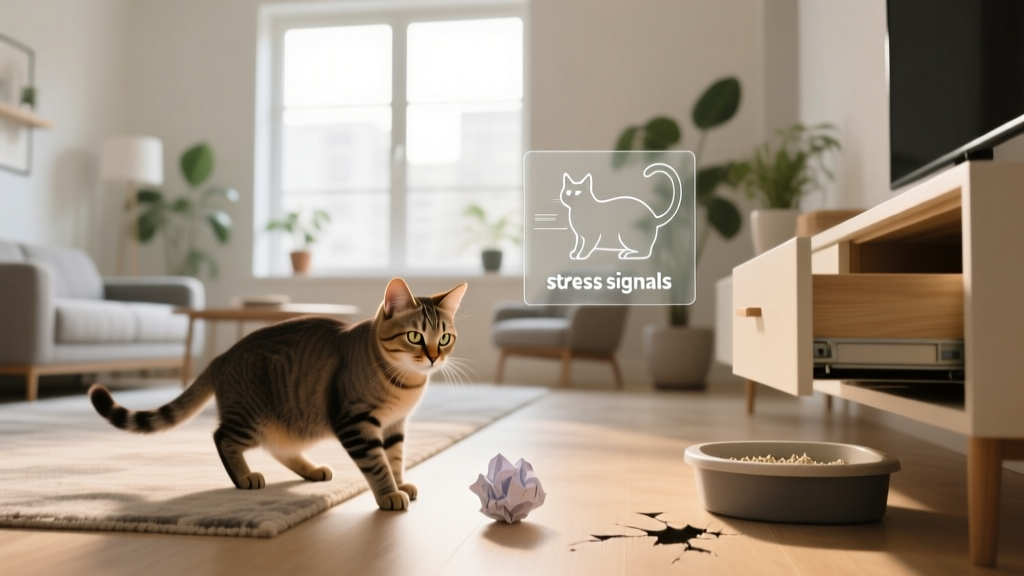
Reality: The most stressed cats display *inhibition*, not aggression—freezing, excessive blinking, or sudden stillness when approached. These are autonomic stress responses, not contentment. Monitor micro-expressions: slow blinks = trust; rapid ear flicks + tail-tip twitch = rising anxiety.
Related Topics (Internal Link Suggestions)
- Best Cat Trees for Apartments — suggested anchor text: "space-saving cat trees for small apartments"
- How to Stop Cat Scratching Furniture — suggested anchor text: "stop furniture scratching in tight spaces"
- Cat Enrichment Activities Indoors — suggested anchor text: "indoor cat enrichment for studios"
- Signs of Cat Stress and Anxiety — suggested anchor text: "subtle signs of cat stress in small homes"
- Multi-Cat Household Tips — suggested anchor text: "peaceful multi-cat living in compact homes"
Your Next Step Starts With One Observation
You now know that what behaviors do cats do in small house contexts aren’t random quirks—they’re precise, adaptive communications rooted in biology and environment. The most transformative change you can make today takes under 60 seconds: sit quietly for 5 minutes and track *where* your cat chooses to rest, drink, and observe. Note sightlines, surface textures, and proximity to doors or appliances. That map—your cat’s personal cartography—is the first, irreplaceable step toward turning constraint into connection. Download our free Small-Space Cat Behavior Tracker (PDF) to log patterns for 7 days—and receive personalized recommendations based on your observations. Because understanding isn’t theoretical. It’s the difference between wondering ‘why?’ and whispering ‘I see you.’