What Behaviors Do Cats Do at Home? 12 Surprising, Science
Why Your Cat’s ‘Normal’ Home Behavior Might Be Screaming for Attention
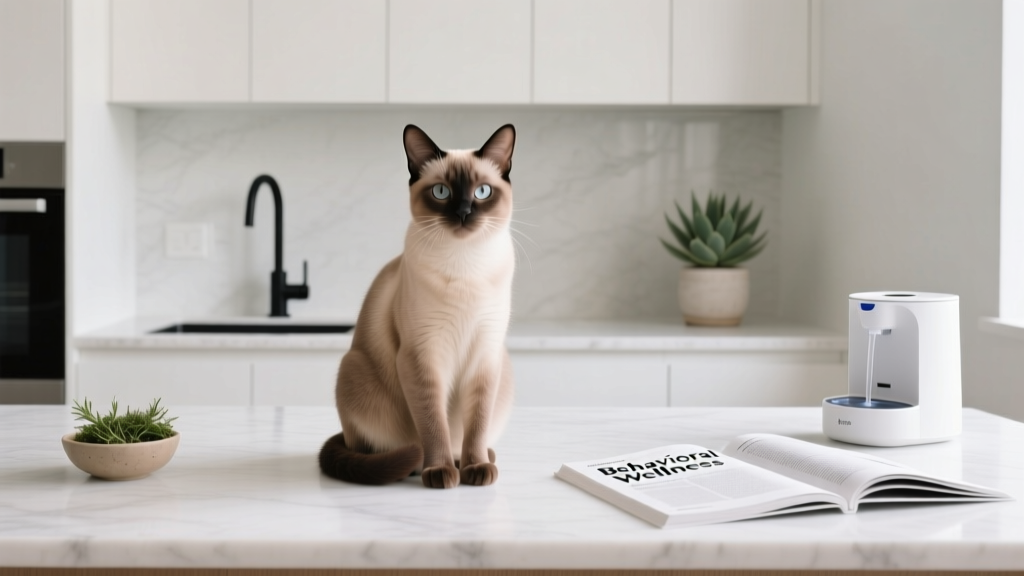
If you’ve ever watched your cat stare blankly at a wall, knock things off shelves at 3 a.m., or suddenly sprint across the living room like a tiny, furry tornado—you’re not alone. But more importantly: what behaviors do cats do at home isn’t just cute trivia—it’s vital behavioral intelligence. These actions are nuanced communication tools rooted in 9,000 years of domestication, feline neurobiology, and unmet environmental needs. In fact, a 2023 study published in Applied Animal Behaviour Science found that 68% of indoor-only cats display at least one behavior linked to chronic low-level stress—often misinterpreted as ‘just being a cat.’ Understanding these signals isn’t about anthropomorphism; it’s about empathy with claws, whiskers, and impeccable timing.
The 4 Core Behavioral Categories (And Why They Matter)
Cats don’t ‘act out’ randomly. Every behavior falls into one of four biologically driven categories: territorial maintenance, predatory rehearsal, social signaling, or stress coping. Recognizing which category a behavior belongs to transforms interpretation from confusion to clarity—and from frustration to proactive care.
Take kneading, for example. Often dismissed as ‘cute baby behavior,’ it’s actually a complex territorial act: kittens knead mammary tissue to stimulate milk flow, and adult cats replicate this on soft surfaces (your lap, blankets, couch cushions) to deposit scent from foot pads and reinforce safety. As Dr. Sarah Halls, a certified feline behaviorist with the International Association of Animal Behavior Consultants (IAABC), explains: ‘Kneading isn’t nostalgia—it’s olfactory anchoring. When your cat does this on you, they’re literally saying, “This space—and you—are part of my secure core territory.”’
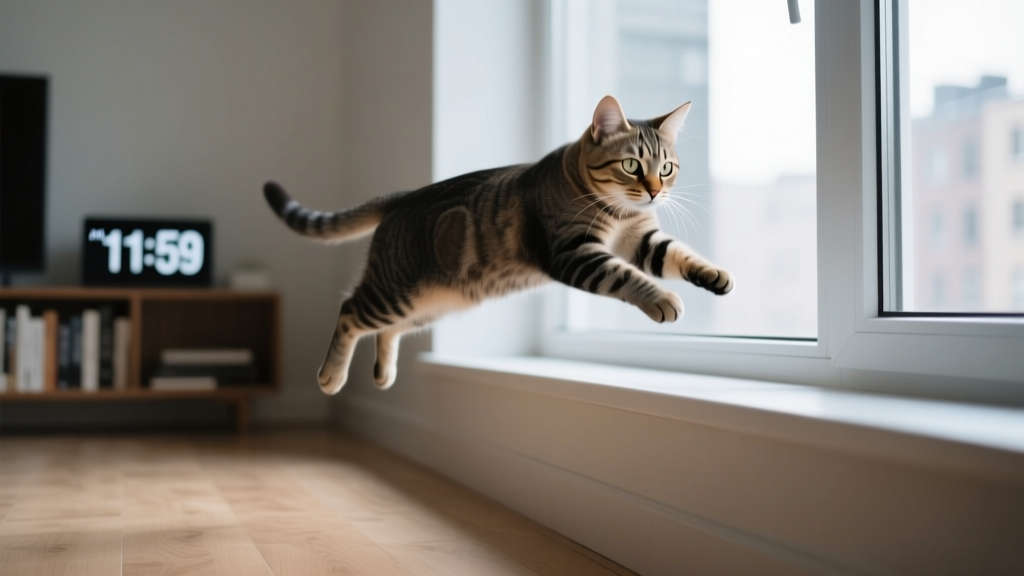
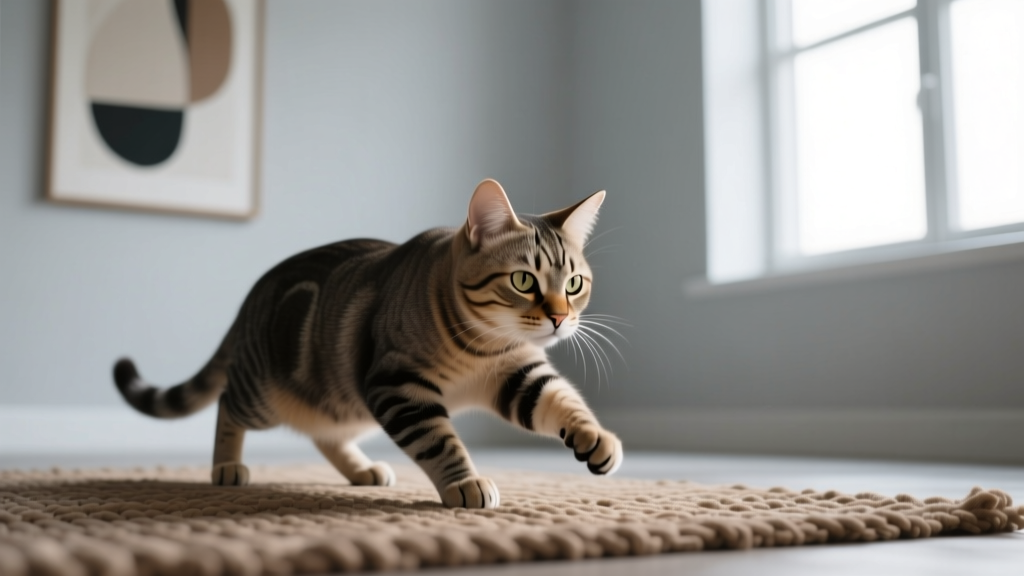
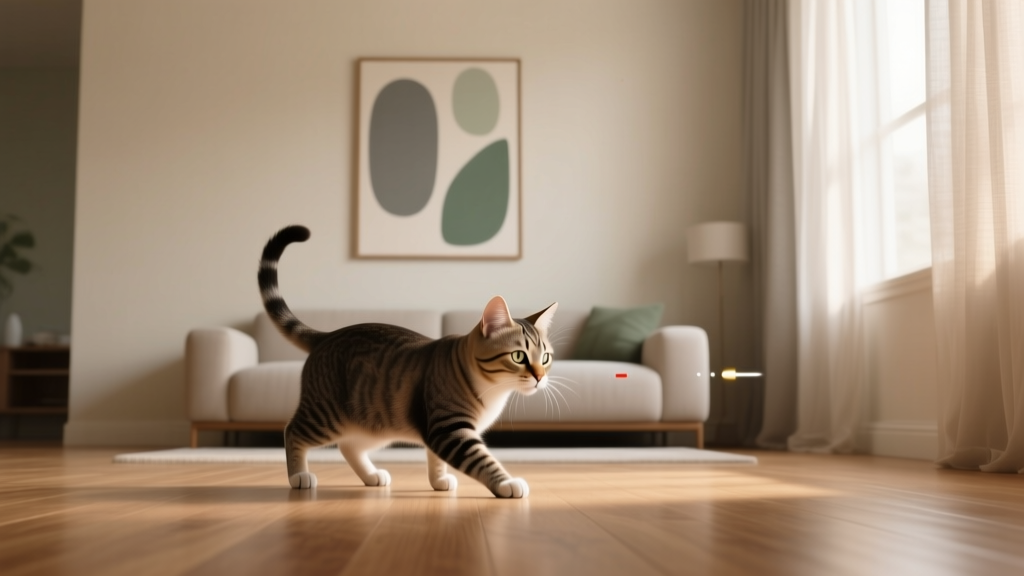
Similarly, the infamous ‘midnight zoomies’ aren’t defiance—they’re circadian-driven predatory energy release. Wild felids hunt most actively at dawn and dusk (crepuscular), and indoor cats compress that burst into nighttime windows because daylight hours lack appropriate outlets. Ignoring this pattern doesn’t make it disappear—it often escalates into redirected aggression or destructive scratching.
Decoding the Top 7 At-Home Behaviors (With Action Steps)
Let’s move beyond labels and into practical translation. Below are the seven most frequently observed home behaviors—with what they mean, why they happen, and exactly how to respond (or not respond).
- Slow Blinking: Often called the ‘cat kiss,’ this is a deliberate, voluntary signal of trust and non-threat. It’s used between cats and humans alike—but only when the cat feels safe. A 2022 University of Sussex study confirmed that cats were significantly more likely to slow-blink back at owners who initiated the gesture, and those interactions correlated with higher owner-reported bonding scores.
- Bringing ‘Gifts’ (Toys, Leaves, or Rodents): This isn’t gratitude—it’s teaching. Mother cats bring prey to kittens to instruct hunting skills. When your cat drops a toy mouse at your feet, they’re inviting you into their social unit and offering mentorship. The best response? Acknowledge it warmly (“Good job!”), then gently redirect to interactive play with a wand toy—never punish or ignore.
- Sitting in Boxes (or Any Enclosed Space): Thermoregulation meets security. Research from the Journal of Feline Medicine and Surgery shows cats prefer ambient temperatures between 86–97°F (30–36°C). Cardboard boxes elevate surface temperature by ~10°F and provide 360° visual control—ideal for conserving energy while staying alert. Pro tip: Place a heated cat bed inside a cardboard box during winter months to amplify comfort without overheating.
- Scratching Vertical Surfaces: This is not furniture destruction—it’s claw maintenance, scent marking (via interdigital glands), and shoulder/hip stretching. A 2021 survey of 1,247 multi-cat households found that homes with ≥2 tall, sisal-wrapped posts placed near sleeping areas saw a 73% reduction in inappropriate scratching versus homes with only horizontal scratchers.
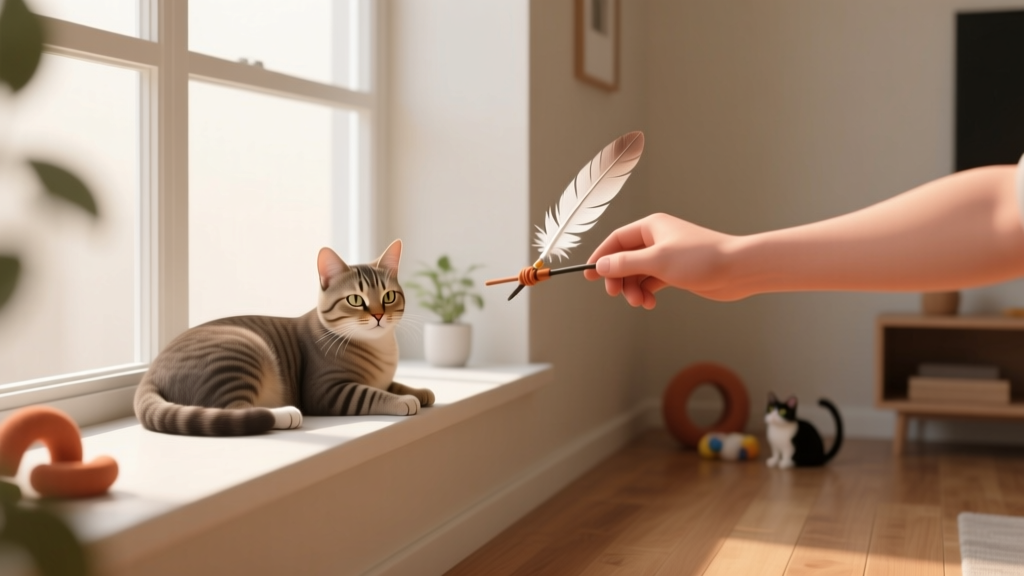
- Chattering at Windows: A vocalization tied to high-arousal predation. When cats see birds but can’t pursue, jaw muscles twitch and vocal cords vibrate—mimicking the bite-and-kill motion. It’s harmless… unless paired with tail-lashing or flattened ears, which indicate escalating frustration. Solution: Add bird feeders *away* from windows, introduce feather wand play *before* peak bird-watching hours, or install window perches with privacy screens.
- Leaving Food Uneaten: Contrary to popular belief, this rarely signals dislike. Cats are obligate nibblers—evolutionarily wired to eat 10–20 small meals per day. Leaving food behind often means: (a) bowl location feels exposed (e.g., near noisy appliances), (b) food has warmed or oxidized (cats detect rancidity within minutes), or (c) they’re regulating intake due to subtle GI discomfort. Try ceramic bowls (non-porous), elevated feeding stations, and portion-controlled timed feeders set for 8–10 micro-meals daily.
- Head-Butting (Bunting): This deposits facial pheromones (F3) onto objects—and people—to mark them as ‘safe and familiar.’ It’s profoundly calming. A landmark 2020 clinical trial found that cats exposed to synthetic F3 pheromone diffusers showed 41% less hiding and 57% fewer urine-marking incidents—but bunting remains the gold standard for authentic, self-administered reassurance.
When ‘Normal’ Is Actually a Red Flag
Some behaviors look typical but carry urgent meaning. Consider these three subtle shifts—documented by veterinary behaviorists as early indicators of underlying issues:
- Sudden cessation of grooming: Healthy cats spend 30–50% of waking hours grooming. A drop lasting >48 hours may indicate pain (dental disease, arthritis), nausea, or depression. Rule out medical causes first—then assess environmental stressors.
- Over-grooming specific areas (especially belly/flanks): Known as ‘psychogenic alopecia,’ this is often linked to anxiety disorders. A 2022 review in Veterinary Clinics of North America noted that 82% of cases resolved with environmental enrichment + targeted anti-anxiety protocols—not topical treatments alone.
- Excessive vocalization at night (especially in senior cats): While some yowling is age-related, persistent nocturnal calling warrants bloodwork. Hyperthyroidism, hypertension, and cognitive dysfunction syndrome (feline dementia) all manifest this way—and are highly treatable when caught early.
Dr. Lena Torres, DVM, DACVB (Diplomate, American College of Veterinary Behaviorists), stresses: ‘Cats mask illness brilliantly. Behavior is their first language—and often their only one. If a behavior changes in frequency, intensity, duration, or context, assume it’s meaningful until proven otherwise.’
How to Build a Behavior-Supportive Home (Without Renovating)
You don’t need a $5,000 catio to meet your cat’s behavioral needs. Evidence shows that three strategic interventions yield outsized impact:
- Vertical real estate: Install at least one floor-to-ceiling cat tree *per cat*, plus wall-mounted shelves or floating ledges. Cats perceive height as safety—and research confirms vertical access reduces inter-cat tension by up to 65% in multi-cat homes.
- Predictable play sessions: Two 15-minute interactive sessions daily (morning and pre-dusk) using wand toys that mimic prey movement (erratic, darting, hiding) satisfy predatory drive better than free-roaming toys. Bonus: Use puzzle feeders for 50% of daily calories to engage foraging instincts.
- Safe retreat zones: Each cat needs ≥1 quiet, low-traffic spot with an exit route (no dead ends), covered sides, and thermal comfort. Think: a covered bed under a desk, a cardboard cave behind a sofa, or a fleece-lined basket atop a bookshelf. These are non-negotiable for stress resilience.
| Behavior | Primary Function | Healthy Frequency | Red Flag Threshold | Action Step |
|---|---|---|---|---|
| Kneading | Territorial marking & comfort-seeking | Daily, especially during relaxed moments | Suddenly stops OR occurs obsessively with vocalization | Check for paw injuries; add soft bedding in favorite spots; rule out oral pain |
| Scratching | Claw conditioning & scent marking | Multiple times daily on appropriate surfaces | Only scratches furniture/walls; avoids provided posts | Reposition posts near sleeping areas; use catnip spray; cover furniture temporarily with double-sided tape |
| Midnight Zoomies | Predatory energy release | 1–3 short bursts nightly (≤5 min each) | ≥4 episodes/night; lasts >10 min; includes aggression toward people/pets | Shift play schedule to dusk; add automatic laser toys on timers; consult vet for hyperactivity screening |
| Slow Blinking | Trust signaling & social bonding | Multiple times/day, especially during calm interaction | Never blinks slowly—even with primary caregiver | Reduce environmental stressors; avoid direct eye contact initially; try blink-training with treats |
| Bringing Gifts | Social inclusion & teaching behavior | Occasional (1–3x/week), usually with toys | Daily; involves live prey or feces; paired with agitation | Provide daily interactive play; secure outdoor access; consult behaviorist if live prey involved |
Frequently Asked Questions
Why does my cat sit and stare at me for minutes without blinking?
This is typically a form of focused attention—not judgment! Cats use sustained gaze to monitor movement, assess intent, or request something (food, door opening, play). If accompanied by purring or slow blinks, it’s affectionate. If paired with dilated pupils, flattened ears, or stiff posture, it may signal mild anxiety or overstimulation. Try softly looking away and offering a treat—if they approach, it was curiosity. If they retreat, give space.
Is it normal for my cat to sleep in weird positions—like upside down or with paws in the air?
Absolutely—and it’s a strong sign of security. Exposing the vulnerable belly means your cat feels completely safe from predators (including you!). This ‘splooting’ or ‘roly-poly’ posture also helps thermoregulation. However, if this is new in an older cat or paired with lethargy, consult your vet: sudden positional changes can indicate joint pain or neurological shifts.
My cat knocks things off counters constantly. Is this spite?
No—cats don’t experience spite. This is almost always one of three things: (1) Attention-seeking (they learn it reliably gets a reaction), (2) Object play practice (testing physics, texture, sound), or (3) Resource guarding (if items belong to you and are placed in ‘their’ zone). Prevention works better than correction: use counter mats with citrus scent (cats dislike it), keep surfaces clear, and redirect with scheduled play before typical ‘knocking hours’ (often 5–7 p.m.).
Why does my cat rub against my legs and then bite gently?
This is ‘petting-induced aggression’—a classic overstimulation signal. Cats have sensitive nerve endings along their backs and tails. What starts as pleasurable rubbing triggers sensory overload, prompting a quick ‘off-switch’ bite. Watch for early cues: tail flicking, skin twitching, flattened ears, or dilated pupils. Stop petting *before* the bite—not after. Respect their threshold, and offer chin scritches instead (less stimulating).
Do indoor cats get bored? What signs should I watch for?
Yes—profoundly. Boredom manifests as repetitive behaviors (excessive licking, pacing), decreased interaction, or increased reactivity. A 2023 RSPCA UK study found that cats with ≤3 novel stimuli per week (new toys, rotated scents, changed layouts) were 3.2× more likely to develop stereotypic behaviors. Rotate toys weekly, hide kibble in muffin tins, and introduce safe outdoor smells (dried catnip, crushed mint leaves) to stimulate olfaction.
Common Myths About Cat Behavior at Home
Myth #1: “Cats are solitary animals and don’t need social interaction.”
Reality: While cats aren’t pack-dependent like dogs, they form complex, fluid social structures. Feral colonies show cooperative kitten-rearing and shared territory defense. Indoor cats bond deeply with trusted humans—and suffer measurable cortisol spikes during prolonged isolation. Daily interactive engagement (even 10 minutes of focused play) is non-negotiable for well-being.
Myth #2: “If my cat isn’t acting sick, their behavior is fine.”
Reality: Behavioral changes are often the *first* and *most reliable* indicator of illness. A 2021 Cornell Feline Health Center analysis revealed that 89% of cats diagnosed with early-stage kidney disease showed subtle behavior shifts (reduced activity, altered litter box habits, decreased appetite) weeks before bloodwork abnormalities appeared.
Related Topics (Internal Link Suggestions)
- Understanding Cat Body Language — suggested anchor text: "how to read your cat's tail, ears, and eyes"
- Best Enrichment Toys for Indoor Cats — suggested anchor text: "indoor cat enrichment ideas that actually work"
- Multi-Cat Household Harmony Guide — suggested anchor text: "reducing tension between cats at home"
- When to See a Veterinary Behaviorist — suggested anchor text: "signs your cat needs professional behavior help"
- Cat Stress Symptoms You’re Missing — suggested anchor text: "hidden signs of anxiety in cats"
Conclusion & Next Step
What behaviors do cats do at home isn’t a question of curiosity—it’s a doorway into their emotional world. Every slow blink, every box occupation, every midnight dash carries intention, history, and need. By moving beyond labeling and into listening—through observation, science, and compassion—you transform cohabitation into true companionship. Start tonight: choose *one* behavior from this article that surprised you, observe it closely for 48 hours, and note context (time, location, your actions before/after). Then, take the next step: download our free At-Home Cat Behavior Tracker (PDF checklist with timestamps, triggers, and vet-ready notes)—designed by feline behavior specialists to turn observation into actionable insight. Because understanding isn’t passive. It’s the first act of love with claws.