Understanding Cat Chattering Teeth at Birds
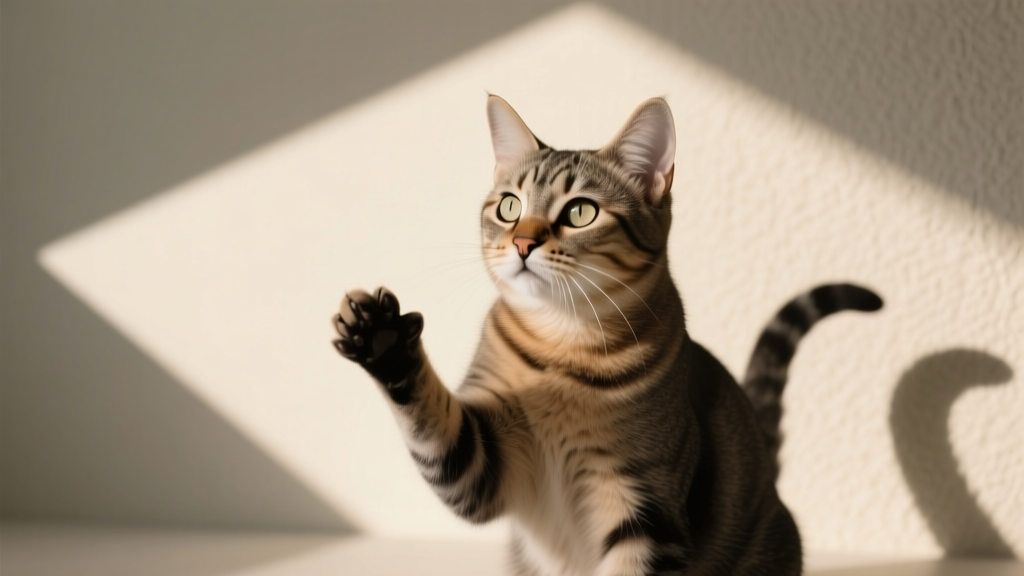
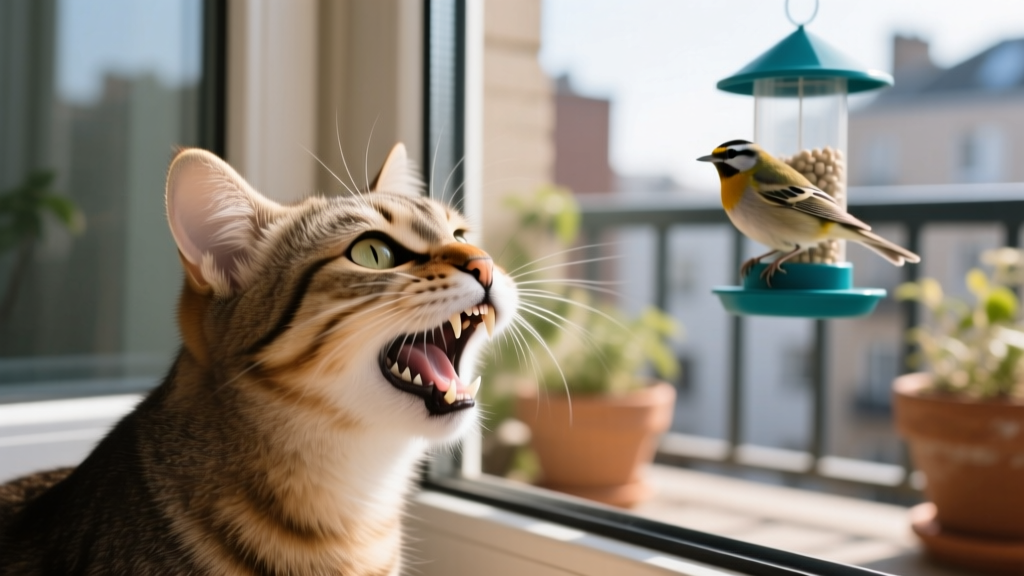
You’re sipping coffee, your cat is perched on the windowsill like a tiny, furry security guard, and outside—there it is. A bird. Maybe a sparrow hopping on the fence, or a pigeon doing that confident sidewalk strut. Your cat freezes. Tail tip starts twitching. Eyes go huge. And then… click-click-click—those little teeth chatter like your cat is auditioning for a wind-up toy role.
If you’ve ever wondered, “Is my cat… talking to the bird?” or “Is that frustration? Excitement? A tiny cat malfunction?” you’re in excellent company. Cat chattering at birds is one of those hilariously specific behaviors that feels personal and mysterious. The good news: it’s usually very normal, very feline, and it tells you a lot about what’s going on in your cat’s head.
The evolutionary “why” behind chattering
Cats are predators built for stalking and ambush hunting. Even the most pampered indoor cat still carries the same basic hardware and instincts as their wild cousins. When a cat sees prey—especially small, fast animals like birds or squirrels—their brain flips into hunting mode.
Chattering is widely believed to be part of that predatory arousal: a surge of excitement and focus when your cat has visually “locked on” to prey but can’t complete the hunt. In nature, a cat might crouch, creep, and then pounce. At your window, the pounce is blocked by glass and physics (rude), so the predatory energy has nowhere to go. The result can look like a funny, rhythmic jaw movement—teeth clicking, lips quivering, sometimes paired with little squeaks or chirps.
There are a few leading theories for what chattering accomplishes from an evolutionary perspective:
- Predatory excitement + frustration: The cat is highly motivated to hunt but prevented from acting.
- Practice for a killing bite: Some researchers and behaviorists suggest the jaw movement may be “rehearsing” the quick, precise bite used to dispatch prey.
- Predatory vocalization mimicry: Those little chirps may imitate bird sounds, potentially helping a cat lure prey closer in the wild (there are also animals like margays known for impressive call mimicry—domestic cats are not that refined, but the instinct may echo here).
- Adrenaline spillover: When arousal is high, cats often show “overflow” behaviors—twitching tails, kneading, or chattering—like the body is buzzing with intention.
One important takeaway: chattering isn’t random. It’s a window into your cat’s deeply wired hunting system.
Breaking down the behavior in different contexts
Not all chattering looks the same, and the context matters. Here are the most common “versions” cat owners notice:
1) Window chattering at birds
This is the classic. Your cat sits still, intensely focused, and the jaw starts clicking. Often you’ll also see:
- Wide pupils or a hard “stare”
- Body low and forward, as if ready to spring
- Tail tip flicks (tiny metronome of intensity)
- Whiskers pushed forward (a hunting face)
Example you’ll recognize: Your cat is silent for ten minutes, then a finch lands on the feeder and your cat instantly turns into a statue with vibrating whiskers and chattering teeth.
2) Chattering at squirrels (or “the audacity of rodents”)
Squirrels often trigger chattering because they move erratically and seem “catchable.” Your cat may alternate between chattering and little butt-wiggles—the classic pre-pounce routine. The more the animal taunts the window line, the more intense the chattering can become.
3) Chattering during play (especially wand toys)
Some cats chatter at feather toys, crinkly “bird-like” toys, or anything that flutters. This is a great clue that the behavior is tied to predatory drive, not just birds specifically. If your cat chatters when the toy pauses just out of reach, that’s the “I should be catching this!” circuitry firing.
4) Silent chattering vs chirpy chattering
Some cats do a purely mechanical click-click with no sound. Others add little chirps or squeaks that sound like a strange cross between a hiccup and a pigeon impression. Both are normal. Vocal cats tend to add more sound; quiet cats keep it subtle.
5) Chattering at “prey” through screens or glass doors
Many cats chatter more intensely when a prey animal is close but unreachable—like a bird on the patio two feet away. The closer the prey, the higher the arousal and the stronger the “blocked hunt” frustration.
What chattering says about your cat’s mood and feelings
If your cat chatters at birds, they’re not “being weird” (okay, they are, but in a perfectly logical cat way). Here’s what it usually means emotionally:
- High interest and excitement: Your cat is engaged. Their brain is running a full hunting scenario.
- Frustration (often mild): The prey is inaccessible. This can create a buzzy, restless feeling.
- Focused attention: This is not casual curiosity. This is “I have a job now.”
- Enrichment is happening: Watching birds can be mentally stimulating—like cat TV with better plot twists.
You can often tell which emotion is strongest by the rest of their body language. A relaxed body with gentle chattering suggests fun, stimulated interest. A tense body, thumping tail, and sudden redirect (like swatting at a nearby cat) can hint at frustration building.
Related behaviors you might also notice
Chattering rarely comes alone. Many cats bundle it with a whole “predatory suite” of behaviors, including:
- Tail tip twitching: A tiny movement that signals high concentration.
- Butt wiggle: That adorable rear-end shimmy right before a pounce—motor planning in action.
- Ekekek/chirping sounds: Short, staccato vocalizations often paired with chattering.
- Window stalking: Creeping along the sill like the world’s smallest jungle cat.
- Post-bird zoomies: After intense watching, some cats release that energy by racing through the house.
- Redirected play aggression: If over-aroused, a cat may suddenly pounce on a sibling cat (or your ankles) because the hunting energy needs an outlet.
If you’ve ever had your cat chattering at the window and then immediately sprint to tackle a toy mouse, you’ve seen this emotional “overflow” firsthand.
When chattering is normal vs when it might be a concern
In most cases, cat chattering is completely normal. That said, there are a few situations where you’ll want to pay closer attention.
Normal chattering looks like:
- Happens during bird/squirrel watching or play
- Your cat seems otherwise comfortable and healthy
- Stops when the trigger is gone
- No signs of pain or distress
Potential concerns to watch for:
- Chattering unrelated to prey or excitement: If your cat chatters randomly while resting, eating, or walking around, consider a vet check.
- Drooling, pawing at the mouth, or bad breath: Could indicate dental disease, oral pain, or something stuck.
- Jaw trembling with disorientation: Rarely, neurological issues can cause tremors—especially if paired with imbalance or odd behavior.
- Frequent gagging or swallowing: Could suggest nausea or throat irritation.
- Sudden behavior change: If your cat never chattered before and suddenly does constantly—or seems distressed—get it checked.
One easy “rule of thumb”: if the chattering is tightly linked to seeing prey and your cat looks alert and engaged, it’s probably behavioral. If it appears out of nowhere or comes with signs of pain, treat it as a medical question.
How to respond (and whether you should encourage it)
Chattering itself doesn’t need to be stopped. Think of it like your cat doing a little involuntary sports commentary while watching the bird Olympics. But you can respond in ways that support your cat’s wellbeing and prevent frustration from boiling over.
1) Provide a better “hunting outlet”
If your cat gets wound up, offer a short interactive play session afterward. Wand toys that mimic birds (fluttering, swooping, perching) are ideal. Let your cat “catch” the toy at the end—predators need closure.
2) Create safe bird-watching stations
- Add a window perch or cat tree near the best view.
- Place a scratching post nearby (good for stress release).
- If possible, set up a bird feeder at a safe distance outside (and keep birds protected—use decals to reduce window strikes).
3) Watch for redirected aggression
If your cat starts swishing their tail hard, growling, or picking fights with other pets after intense bird-watching, interrupt gently. Close the blinds for a bit, move them to another room with a toy, or do a calming activity (snuffle mat, treat puzzle, lickable treat).
4) Don’t punish the chatter
Scolding can increase stress and doesn’t change the underlying instinct. Your cat isn’t “misbehaving”—they’re expressing a normal predatory response in a safe (and frankly adorable) way.
5) Use it as enrichment data
Chattering tells you what kind of “prey style” your cat loves. Bird-like movement? Ground skitters? Quick darts? Use that information to choose toys and play styles your cat finds truly satisfying.
Fun facts and research-flavored tidbits
- The “ekekek” sound has a name (sort of): Many cat people describe the chirpy chatter as “ekekek,” and it’s common enough to be a shared internet language at this point.
- Not all cats do it: Some cats are intense watchers but never chatter. That doesn’t mean they’re less predatory—just different in how they express arousal.
- Cats have specialized teeth for hunting: The carnassial teeth (the sharp back teeth) help shear meat, and the canine teeth are designed for gripping prey. That’s part of why jaw/teeth behaviors show up in hunting excitement.
- Chattering can be “contagious” in multi-cat homes: One cat starts, another appears like, “What are we yelling about?” and suddenly it’s a window-side chorus.
FAQ: Common questions about cat chattering at birds
Why does my cat chatter at birds but not at squirrels (or vice versa)?
Cats have preferences. Birds flutter and trigger aerial “pounce and grab” instincts. Squirrels often trigger stalking and chase instincts. Your cat’s personal experience, temperament, and what they’ve successfully “caught” in play can shape what excites them most.
Is my cat frustrated or angry when they chatter?
Usually it’s excitement mixed with mild frustration—like being stuck behind a window during the world’s best show. If you see stiff posture, strong tail lashing, growling, or your cat gets snappy afterward, frustration may be building and they may need an outlet (play, puzzles, a break from the view).
Should I worry that my cat wants to kill birds?
The instinct is normal. If your cat goes outdoors, the safest approach for wildlife (and for your cat) is to keep them indoors or provide a secured “catio” or harness time. Indoor bird-watching is great enrichment without risk to wildlife.
My cat chatters and chirps—are they trying to talk to the bird?
Not in a conversational sense, but they may be expressing predatory excitement. Some theories suggest the chirps could function as a lure or mimicry. Whether it “works” on birds is another matter, but your cat is certainly emotionally invested.
Can chattering mean my cat has dental pain?
If it happens only when watching prey or playing, it’s likely behavioral. If it happens at random times, during eating, or comes with drooling, bad breath, or pawing at the mouth, it’s worth scheduling a veterinary exam.
How can I make bird-watching more enriching without overstimulating my cat?
Offer a comfortable perch, keep sessions optional, and follow intense watching with a short play routine that ends in a “catch.” If your cat gets too worked up, rotate access to the window view or use frosted film on part of the window to soften triggers.
Cat chattering at birds is one of those delightful reminders that your sweet couch companion is also a highly specialized little hunter—complete with a brain that lights up at the sight of fluttering wings. When you understand what’s behind the clicking teeth, it becomes less “What on earth?” and more “Ah, yes. The hunting software has launched.”
Has your cat ever delivered a particularly dramatic window-chatter performance—full body crouch, chirps, tail twitch, the works? Share your funniest or most puzzling chattering stories with the Cat Lovers Base community at catloversbase.com. We’d love to hear what your tiny predator is plotting.