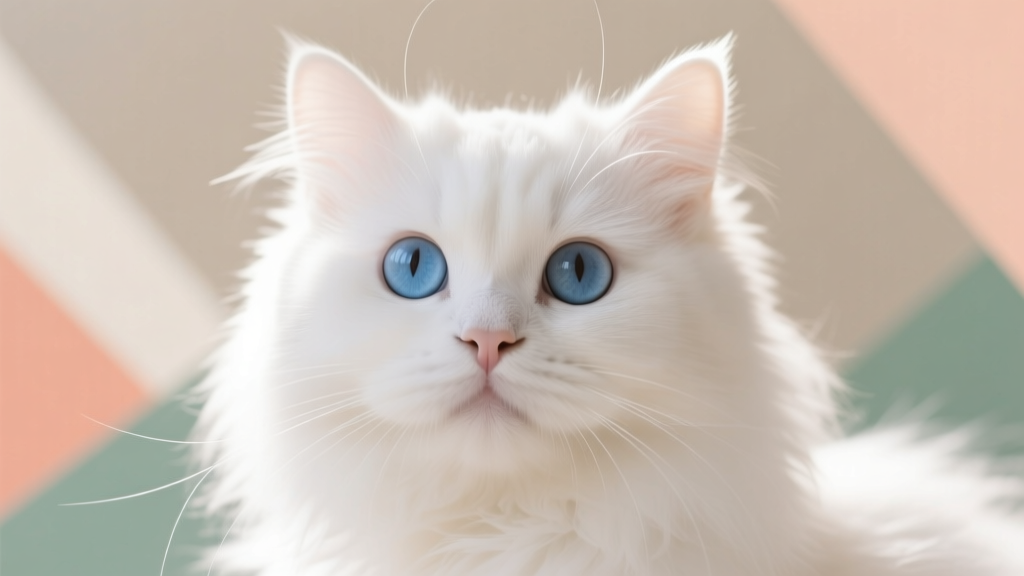
Understanding Cat Body Language
Cats Communicate Through Body Language
Unlike dogs, cats communicate subtly through posture, tail position, ear orientation, and eye behavior. Learning to read these signals strengthens your bond and helps you respond appropriately to your cat's needs.
Tail Language
- Tail straight up — confident, happy, greeting you
- Tail up with a hook — friendly curiosity
- Tail low or tucked — fear, anxiety, or submission
- Tail puffed up — frightened or threatened (trying to look bigger)
- Tail thrashing — irritated, overstimulated, or about to attack
- Tail slowly swishing — focused, possibly stalking prey
Ear Positions
- Ears forward — alert, interested, content
- Ears slightly back — uncertain, assessing the situation
- Ears flattened sideways — irritated or anxious
- Ears pinned back flat — frightened or aggressive; do not approach
Eye Signals
- Slow blink — "cat kiss," sign of trust and affection
- Dilated pupils — excitement, fear, or aggression (context matters)
- Constricted pupils — content in bright light; or aggressive in tense situations
- Hard stare — threat or challenge
- Looking away — deference, not wanting confrontation
Body Posture
Relaxed and Happy
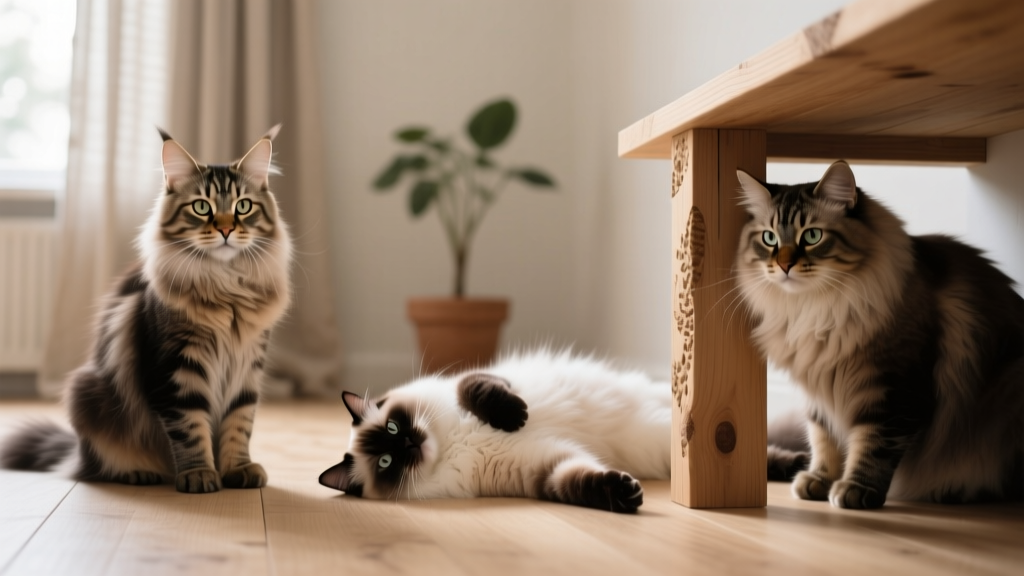
- Lying on back (belly exposed) — ultimate trust
- Kneading ("making biscuits") — contentment from kitten nursing behavior
- Curled in a ball — comfortable and secure
Stressed or Fearful
- Hunched body, trying to look small
- Crouched low to the ground
- Hiding or pressing against walls
Aggressive
- Arched back with puffed fur (Halloween cat pose)
- Sideways stance (maximizing apparent size)
- Direct stare with dilated pupils
Vocalizations and Their Meanings
- Short meow — greeting
- Multiple meows — excited greeting
- Drawn-out meow — demanding something
- Low growl — warning, back off
- Hiss — fear or aggression, feeling threatened
- Chirp/trill — excitement (often when watching prey through window)