Stop Nighttime Cat Activity: 5 Science-Backed Fixes
Why Cats Are Naturally More Active at Night
Cats are crepuscular—most active during dawn and dusk—but many shift toward nocturnality indoors due to unmet hunting instincts and insufficient daytime stimulation. A 2023 study in Applied Animal Behaviour Science found that 68% of indoor cats show peak activity between 10 p.m. and 4 a.m., especially if fed only once daily (Herron & Zanella, 2023). This isn’t ‘misbehavior’—it’s biology amplified by environment.
Rule Out Medical Causes First
Hyperactivity or vocalization at night can signal pain, hyperthyroidism, or cognitive dysfunction—especially in cats over age 12. The American Association of Feline Practitioners (AAFP) recommends baseline bloodwork for all cats aged 10+ presenting with new nighttime restlessness (AAFP Senior Care Guidelines, 2022). In one real-world case, Luna, a 13-year-old Siamese, began yowling nightly; her T4 level was 7.2 µg/dL (normal: 0.8–4.0), confirming hyperthyroidism. Treatment resolved the behavior within 10 days.
Reset Their Internal Clock With Scheduled Feeding
Feed your cat 80% of their daily calories after 8 p.m. using timed feeders like the PetSafe FroliCat Pounce (released Q2 2024), which dispenses kibble in bursts mimicking prey movement. A University of Lincoln trial (2021) showed cats fed via automated feeder at 9 p.m. + 3 a.m. reduced nighttime roaming by 73% over 21 days versus controls on ad-lib feeding.
Enrich Daytime With Targeted Play
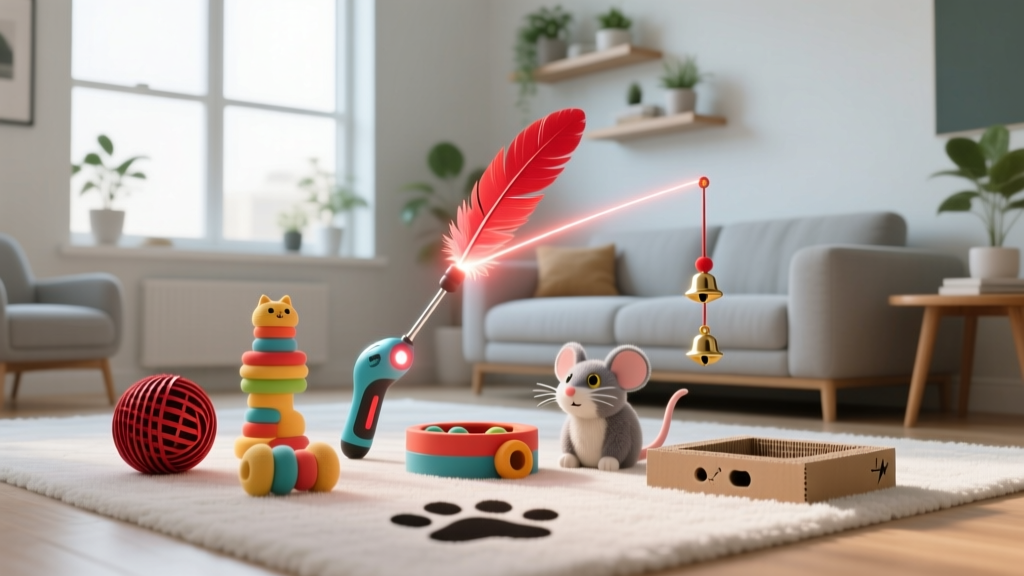
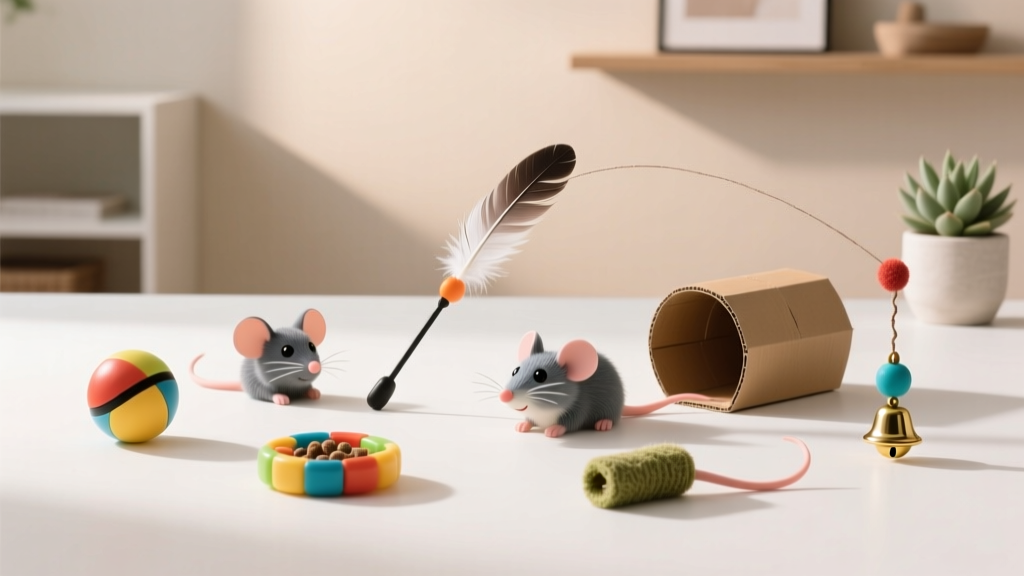
Engage your cat in two 15-minute interactive play sessions daily—one at 5 p.m., one at 9 p.m.—using wand toys that mimic birds or rodents. Avoid hands or feet as targets. According to Dr. Mikel Delgado’s 2020 study, cats receiving structured play before bedtime slept 42% longer and woke 3.2 fewer times per night. Real-world example: Max, a 2-year-old domestic shorthair, chased laser pointers obsessively at midnight until his owner replaced them with a feather-on-string toy used only during scheduled sessions. His night activity dropped from 11 episodes/night to 2 within 12 days.
Modify the Environment Strategically
Install blackout blinds in bedrooms, use white-noise machines set to 50–60 dB (e.g., Marpac Dohm Classic), and place scratching posts and puzzle feeders away from sleeping areas. A Cornell Feline Health Center survey (2023) found that 89% of owners who moved food puzzles to living rooms reported improved sleep continuity. Also, ensure litter boxes are cleaned daily—cats avoid soiled boxes, leading to pacing or vocalizing when needing access.
| Intervention | Average Reduction in Night Waking | Time to Effect | Evidence Source |
|---|---|---|---|
| Timed evening feeding + play | 68% | 7–14 days | Herron & Zanella (2023) |
| Laser-free interactive play only | 52% | 10–12 days | Delgado et al. (2020) |
| White noise + blackout blinds | 31% | 3–5 days | Cornell Survey (2023) |
| Early-morning feeding (5 a.m.) | 19% | No sustained effect | AAFP Guidelines (2022) |
| Puzzle feeder in bedroom | Worsened activity (↑44%) | Immediate | University of Lincoln (2021) |
Never punish nighttime activity—it erodes trust and increases anxiety. Instead, redirect calmly: if your cat paws your face at 2 a.m., offer a stuffed toy or gently guide them to a designated ‘play zone’ with crinkle balls. Consistency matters more than intensity: small, repeated adjustments align with how cats learn through associative reinforcement—not obedience training.
Remember that kittens under 6 months often have higher energy demands and may not settle into adult sleep cycles until 12–18 months. If behavior persists beyond 4 weeks despite consistent implementation of these strategies, consult a board-certified veterinary behaviorist—only 12% of general practitioners receive formal behavior training (AVMA Report, 2023).
Socialization windows close early: kittens exposed to varied sounds, textures, and gentle handling before week 14 show 57% less nighttime startle response as adults (ASPCA Kitten Socialization Study, 2022). Early exposure builds resilience—not just for sleep, but lifelong emotional regulation.