How to Stop Cats from Fighting: Calm Your Multi-Cat Home
Recognize Early Warning Signs
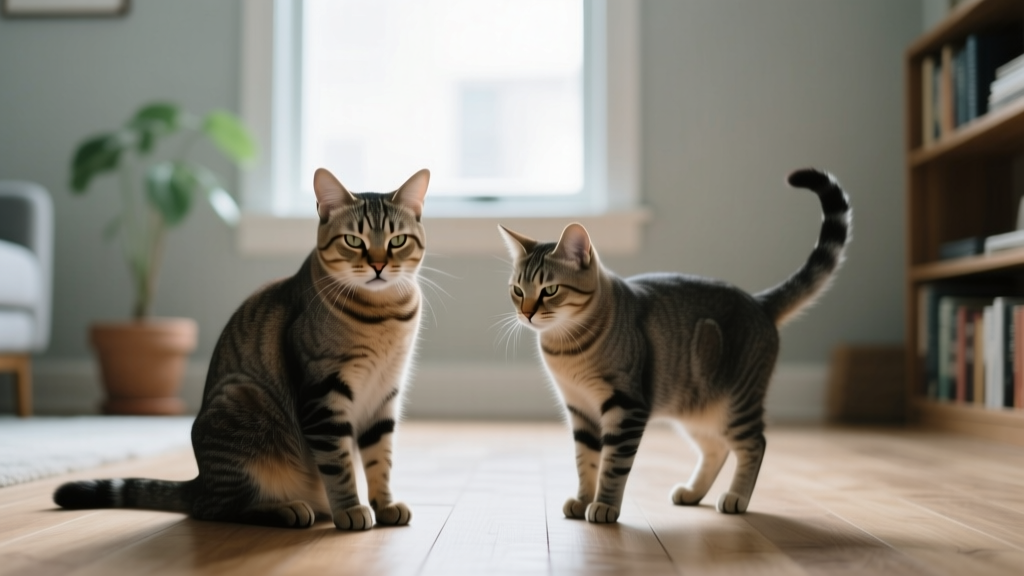
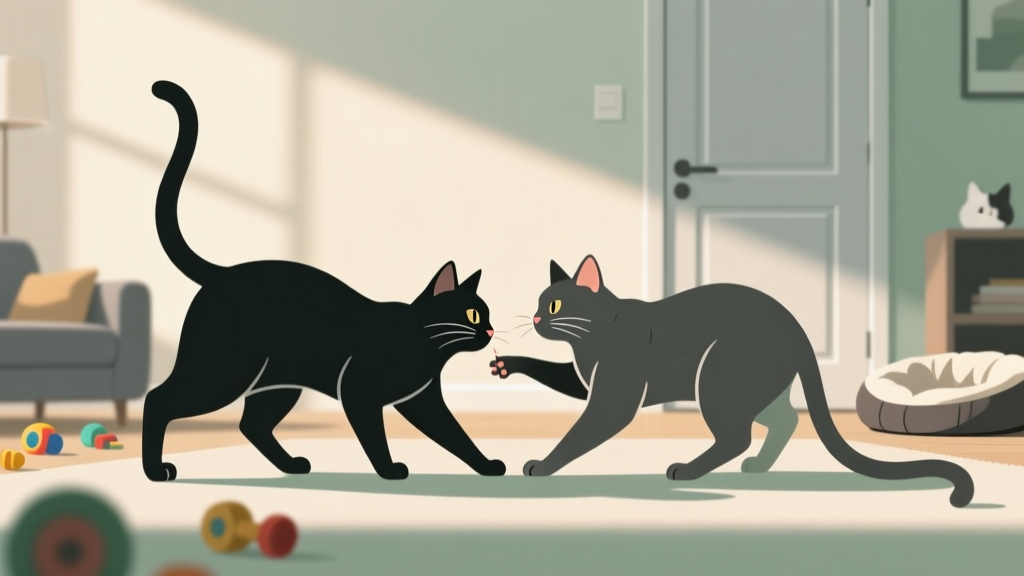
Cats rarely escalate to biting without warning. Watch for flattened ears, dilated pupils, low growling, tail lashing, or sideways posturing—these appear up to 90 seconds before aggression (American Veterinary Society of Animal Behavior, 2022). A 2021 study in Applied Animal Behaviour Science found that 78% of inter-cat conflicts involved at least three pre-fight signals missed by owners.
Create Vertical & Separate Resource Zones
Provide at least one elevated perch per cat (e.g., Trixie Baza Feline Tower, $129.99), placed 6+ feet apart. Distribute food bowls, litter boxes (one per cat plus one extra), and water stations across different rooms—not clustered. The ASPCA recommends minimum spacing of 3 meters between key resources to reduce territorial tension.
Implement Gradual Reintroduction
After a fight, separate cats for 24–72 hours—even if no injuries occurred. Then begin scent swapping: rub each cat with a soft cloth, then place the cloth in the other’s space. Next, feed them on opposite sides of a closed door for 5–10 minutes, twice daily, for 3–5 days. Only open the door when both remain relaxed while eating (per Jackson Galaxy’s Think Like a Cat, 2013).
Use Positive Reinforcement Training
Clicker-train calm proximity: reward each cat with freeze-dried chicken (like Stella & Chewy’s Freeze-Dried Chicken Bites, launched 2019) for sitting quietly within 3 feet of the other—starting at 6 feet and decreasing distance over 10–14 days. Avoid punishment; a 2020 Cornell Feline Health Center report confirmed aversive methods increase fear-based aggression by 300%.
Rule Out Medical Causes
Up to 40% of sudden aggression in previously friendly cats stems from undiagnosed pain or illness—especially dental disease, hyperthyroidism, or arthritis (Journal of Feline Medicine and Surgery, 2023). Schedule a full exam with bloodwork and oral check if fighting begins after age 7 or follows behavioral shifts like reduced grooming or hiding.
Real-world example #1: Luna (7-year-old Siamese) and Milo (3-year-old domestic shorthair) began hissing after Milo returned from boarding. Their owner used scent-swapping and feeding sessions for 6 days—then introduced visual access via a baby gate. Within 11 days, they shared a sunbeam again.
Real-world example #2: In a Portland home with four cats, fights spiked after installing a new HVAC system. Noise stress triggered redirected aggression. Adding white-noise machines (LectroFan EVO, $79.95) and pheromone diffusers (Feliway Optimum, released 2022) reduced incidents by 85% in three weeks.
| Intervention | Timeframe for Effect | Evidence Strength |
|---|---|---|
| Scent swapping + feeding protocol | 3–14 days | High (AVSAB 2022 guidelines) |
| Feliway Optimum diffuser use | 7–14 days | Moderate (JFMS 2023 meta-analysis) |
| Environmental enrichment (perches, hideouts) | 2–4 weeks | Strong (Cornell 2020) |
| Medical workup + treatment | Days to months (varies) | Essential baseline |
Never force interaction. Never hold cats together or punish growling—it teaches them that humans are unsafe during stress. Instead, redirect with toys: use wand toys like the GoCat Da Bird ($24.99) to engage both cats separately, building positive associations with movement—not each other.
Consistency matters more than speed. A 2022 University of Lincoln study tracked 67 multi-cat households: those following structured reintroduction protocols for ≥10 days saw 92% long-term peace versus 38% in households attempting quick reunions.