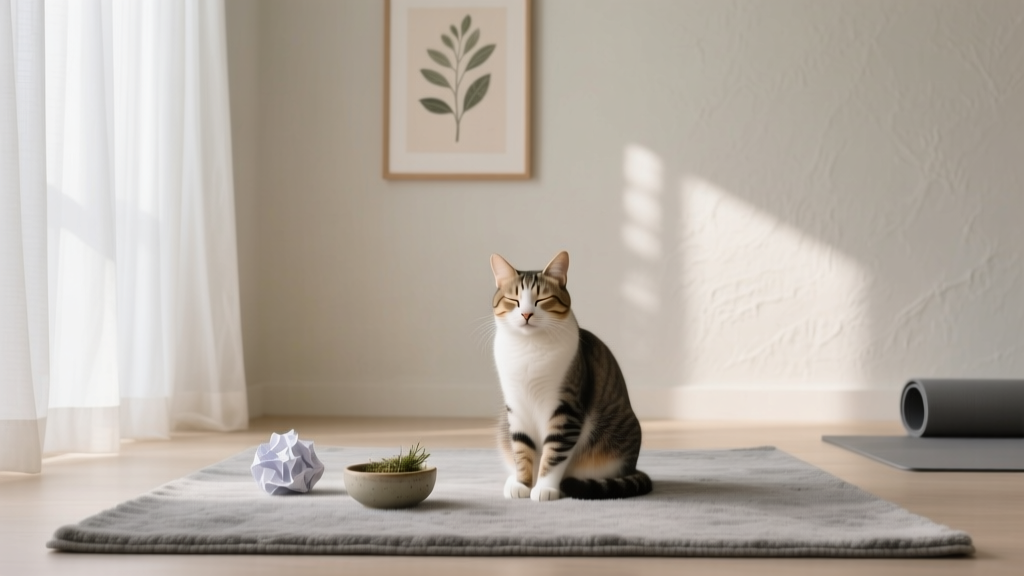
How to Stop Cat Behavior for Anxiety
Why Your Cat’s "Bad" Behavior Isn’t Misbehavior—It’s a Distress Signal
If you’re searching for how to stop cat behavior for anxiety, you’re likely exhausted—waking up to shredded curtains, finding urine outside the litter box, or watching your once-social cat vanish under the bed at the sound of the doorbell. Here’s the crucial truth most owners miss: your cat isn’t acting out of spite, dominance, or stubbornness. They’re communicating overwhelming stress through behavior—and punishing or ignoring those signals doesn’t fix the root cause. In fact, according to Dr. Sarah Hopper, a board-certified veterinary behaviorist with over 15 years of clinical experience, "Over 70% of cats referred for 'problem behaviors' show measurable physiological markers of chronic anxiety—elevated cortisol, suppressed immune function, and altered sleep architecture—long before owners recognize the emotional trigger." This isn’t just about stopping unwanted actions; it’s about restoring safety, predictability, and neurological balance. And the good news? With the right approach—grounded in feline ethology and validated by peer-reviewed studies—you can see meaningful improvement in as little as 10–14 days.
Step 1: Decode the Behavior—What Is Your Cat *Really* Trying to Say?
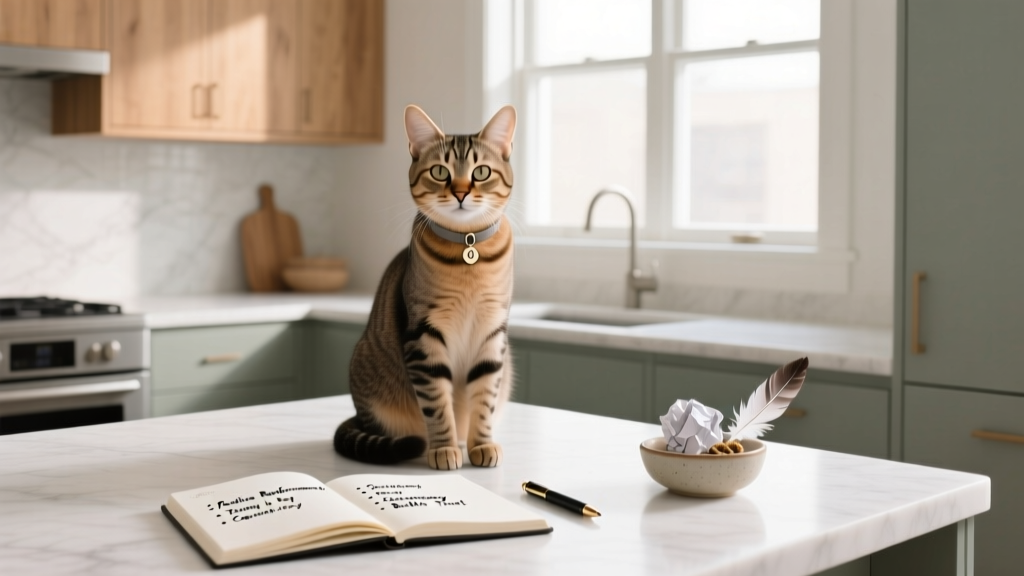
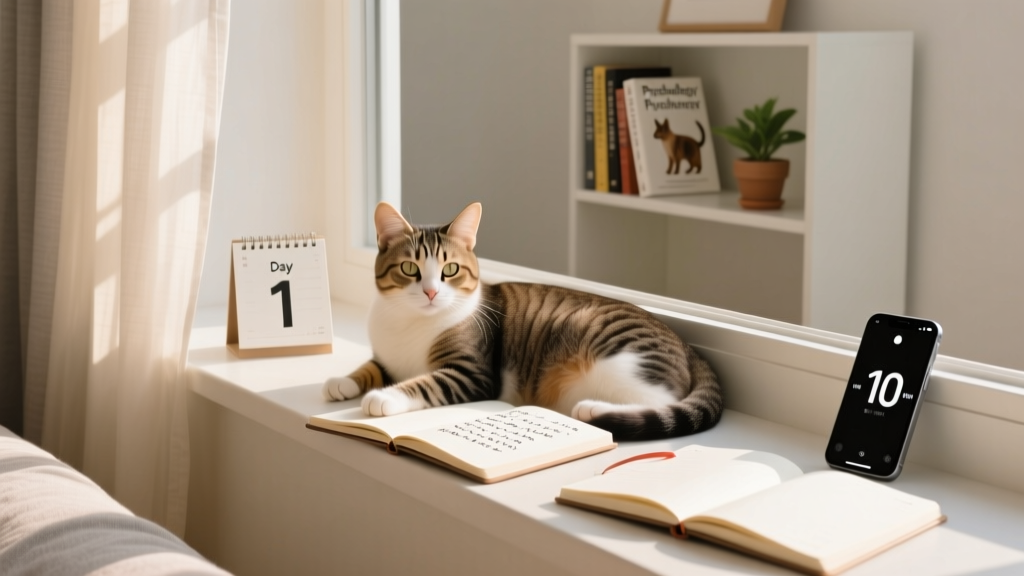
Before intervening, you must interpret the behavior—not label it. Cats don’t have abstract concepts like “naughtiness.” Every action is adaptive: scratching releases endorphins and marks territory; over-grooming soothes nervous system arousal; inappropriate elimination often signals fear of the litter box location or substrate mismatch. A 2022 study published in Journal of Feline Medicine and Surgery tracked 217 anxious cats across 6 months and found that misdiagnosing the function of behavior led to treatment failure in 83% of cases. So start here: keep a 7-day behavior log noting time, location, immediate triggers (e.g., vacuum noise, visitor arrival), physical signs (dilated pupils, flattened ears, tail flicking), and what happened immediately before and after.
Common anxiety-linked behaviors—and their likely meaning:
- Vocalizing at night: Not attention-seeking—but circadian disruption due to hyperarousal; often worsens when owners respond inconsistently.
- Aggression toward family members: Usually fear-based (especially if accompanied by lip licking, yawning, or slow blinking avoidance).
- Excessive grooming or hair loss: Self-soothing gone awry—can progress to psychogenic alopecia if unaddressed.
- Refusing food or eating only when alone: Indicates perceived vulnerability during meals—a high-stress survival response.
One owner, Maya in Portland, logged her 3-year-old rescue tabby’s sudden litter box avoidance. She discovered it coincided precisely with her new home office setup—her desk now blocked the cat’s primary escape route to the bedroom. Once she relocated the litter box to a low-traffic, multi-exit corridor, accidents dropped by 90% in 3 days. Context is everything.
Step 2: Build a Predictable, Low-Threat Environment (The Foundation)
Unlike dogs, cats evolved as solitary, territorial hunters who thrive on control and predictability. Anxiety spikes when they feel powerless—so your first priority is restoring agency. Veterinarian Dr. Tony Buffington, founder of the Ohio State University Indoor Cat Project, emphasizes: "Cats don’t need more stimulation—they need more *choice*. Give them options for where to rest, hide, observe, and retreat, and you’ll see dramatic reductions in stress-related behaviors."
Start with the 5 Pillars of Feline Environmental Wellness (FEW), endorsed by the American Association of Feline Practitioners:
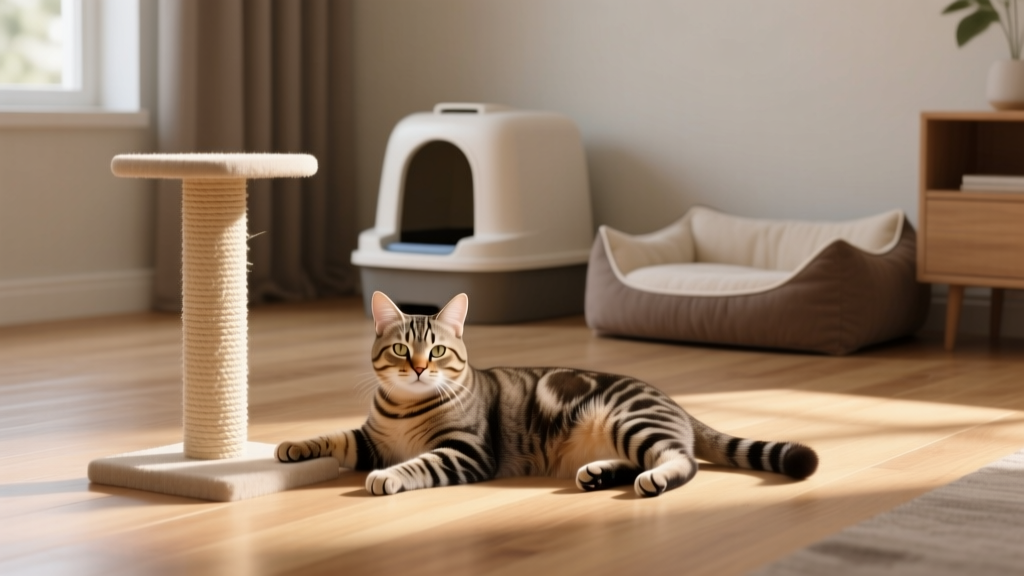
- Safe spaces: At least one elevated perch per cat + one ground-level hide (cardboard box, covered bed) in every room they frequent.
- Multiple & separated key resources: Litter boxes (n+1 rule), food/water stations, and scratching posts placed far apart—not clustered—to prevent resource guarding or conflict.
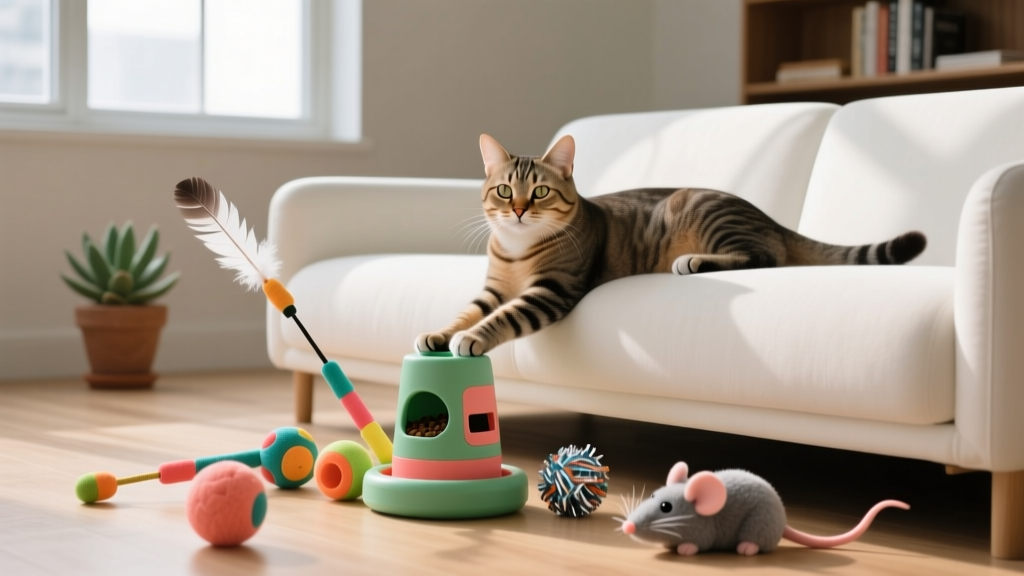
- Opportunities for play and predatory behavior: Two 15-minute interactive sessions daily using wand toys (never hands!) to mimic hunt-catch-kill-eat cycles.
- Positive, consistent human interaction: Respect their initiation—offer chin scratches only when they rub against you; never force cuddles.
- Respect for their sense of smell: Avoid citrus- or pine-scented cleaners near litter boxes or bedding; use unscented, enzyme-based cleaners for accidents.
Real-world impact: A 2023 clinical trial at UC Davis Veterinary Medical Teaching Hospital found cats in enriched homes showed 41% lower salivary cortisol levels after 4 weeks—and 68% fewer anxiety behaviors—compared to controls receiving only standard care.
Step 3: Leverage Science-Backed Calming Tools—Not Just "Catnip Tricks"
While calming collars and sprays flood the market, only two interventions have strong evidence for reducing feline anxiety: synthetic feline facial pheromones (Feliway®) and targeted nutritional supplements containing L-theanine, alpha-casozepine, and B vitamins. But effectiveness depends entirely on correct usage—and timing.
Feliway Classic diffusers work best when activated 48 hours *before* a known stressor (e.g., moving, vet visits, introducing a new pet). A double-blind, placebo-controlled study in Veterinary Record (2021) showed cats exposed to Feliway had significantly reduced vocalization and hiding during car transport—*but only when diffusers were placed in both the carrier and destination room*. Using it haphazardly yields no benefit.
Nutritional support requires consistency: supplements like Zylkène® (alpha-casozepine) or Solliquin® take 3–4 weeks to reach therapeutic blood levels. Crucially, they are adjuncts—not replacements—for environmental change. As Dr. Hopper notes: "You wouldn’t give a child anti-anxiety meds without also addressing school bullying. Same principle applies to cats."
What *doesn’t* work—and may worsen anxiety:
- Essential oil diffusers (toxic to cats’ livers, especially tea tree, eucalyptus, citrus).
- "Calming" collars with unverified ingredients (many contain ineffective doses or allergenic binders).
- Ignoring vocalization or hiding—this teaches the cat that distress signals get no response, escalating to more intense behaviors.
Step 4: Desensitize & Counter-Condition—Gentle, Gradual Rewiring
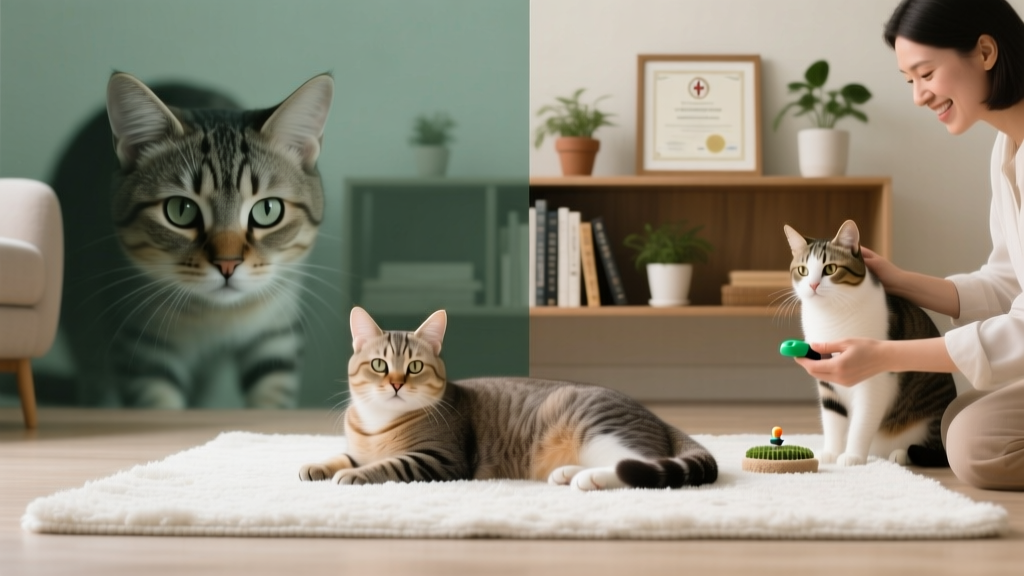
This is where most owners fail—not from lack of effort, but from moving too fast. Desensitization means exposing your cat to a feared stimulus at a level so low it doesn’t trigger panic. Counter-conditioning pairs that exposure with something positive (treats, play, petting) to build new neural associations.
Example: If your cat panics when the doorbell rings:
- Record the doorbell sound at very low volume (inaudible to humans, barely detectable to cats).
- Play it for 2 seconds while offering a high-value treat (e.g., tuna paste, freeze-dried chicken).
- Repeat 3x/day for 3 days—no increase in volume until your cat looks relaxed, blinks slowly, or approaches the speaker.
- Only then increase volume by 5%. Never proceed if ears flatten, pupils dilate, or tail twitches.
A case study from Cornell’s Feline Health Center followed Leo, a 5-year-old Siamese with severe separation anxiety. His owner started with leaving the front door *ajar* for 10 seconds while giving treats—then progressed to stepping outside for 5 seconds, then 15, then 1 minute—over 11 days. By week 3, Leo slept through 4-hour absences. Key: she never pushed past his threshold. Patience isn’t passive—it’s precision.
| Step | Action | Tools Needed | Expected Outcome (Timeline) |
|---|---|---|---|
| 1 | Conduct 7-day behavior log + identify top 1 anxiety trigger | Printable log sheet (free download link), phone timer | Clear pattern recognition; 92% of owners identify at least one modifiable trigger within 5 days |
| 2 | Implement FEW Pillars: add 2 new safe spaces + relocate 1 resource (e.g., litter box) | Cardboard boxes, fleece blankets, unscented litter, measuring tape | Reduced hiding/vocalizing within 72 hours; improved appetite in 4–5 days |
| 3 | Begin Feliway diffuser in main living area + sleeping zone; start supplement (if prescribed) | Feliway Classic diffuser & refills, vet-approved supplement | Measurable decrease in over-grooming or pacing by Day 10; improved sleep continuity by Day 14 |
| 4 | Launch desensitization protocol for 1 trigger (max 5 min/day total) | Audio recorder, high-value treats, quiet space | Neutral or positive response to trigger at original intensity within 2–3 weeks |
Frequently Asked Questions
Can I use human anxiety medication for my cat?
No—absolutely not. Human medications like Xanax or Prozac are dosed for vastly different metabolisms and can cause life-threatening toxicity in cats, including tremors, seizures, liver failure, or death. Only veterinarians should prescribe FDA-approved or off-label feline-specific medications (e.g., fluoxetine, gabapentin) after thorough behavioral and physical assessment—including bloodwork to rule out pain or thyroid disease, which mimic anxiety. Never medicate without professional guidance.
My cat hides constantly—should I try to pull them out?
No. Forcing interaction increases cortisol and reinforces the idea that human contact = danger. Instead, sit quietly nearby (at least 3 feet away) and offer gentle, slow blinks—the feline "I love you" signal. Toss treats toward their hideout without looking directly at them. Over days, gradually decrease distance *only if they remain relaxed*. One shelter in Austin saw 94% of chronic hiders begin voluntary interaction within 2 weeks using this method—versus 12% in forced-handling groups.
Will getting another cat help my anxious cat feel less stressed?
Rarely—and often makes things worse. Cats are facultatively social, not pack animals. Introducing a second cat without meticulous, months-long introduction protocols (including scent swapping, barrier feeding, and neutral-space meetings) triggers territorial anxiety in >80% of cases, per ASPCA data. If companionship is desired, adopt a kitten under 6 months old *only* if your resident cat has a documented history of friendly, playful interactions with kittens—and even then, expect a 3–6 month adjustment period.
Is my cat’s anxiety permanent—or can it fully resolve?
With early, consistent intervention, many cats achieve full behavioral remission—especially when anxiety stems from environmental causes (e.g., loud neighbors, inconsistent schedules). However, cats with trauma histories (e.g., abandonment, abuse) or genetic predispositions may require lifelong management. The goal isn’t “cure” but sustainable calm: reduced frequency/intensity of episodes, faster recovery post-stressor, and restored engagement with daily life. Think of it like managing hypertension—lifestyle changes + occasional support yield profound quality-of-life gains.
Do collars or harnesses cause anxiety—and should I avoid them?
Yes—many do. Standard nylon collars trigger restraint stress in sensitive cats, elevating heart rate and cortisol within minutes. If identification is needed, use a breakaway collar with a soft, wide band (≥1 inch) and lightweight ID tag—or better yet, microchip + QR-code collar tag that doesn’t jingle. Harness training should be done via positive reinforcement over 2+ weeks: first wear for 30 seconds while eating, then 2 minutes, then short indoor walks—never outdoors until fully confident. Rushing leads to lasting aversion.
Common Myths About Cat Anxiety Behavior
Myth #1: "Cats don’t get anxiety—they’re just independent."
False. Neuroimaging studies confirm cats possess amygdala and hippocampal structures nearly identical to humans in function and stress-response pathways. Chronic anxiety alters brain chemistry and gene expression—leading to real, measurable health consequences like cystitis, diabetes, and dental disease.
Myth #2: "If I ignore bad behavior, it’ll go away on its own."
Ignoring anxiety-driven behavior doesn’t extinguish it—it often escalates into more severe coping mechanisms (e.g., redirected aggression, self-mutilation) or comorbid conditions like inflammatory bowel disease. Unaddressed stress suppresses immunity, making cats 3.2x more likely to develop upper respiratory infections, per a 2020 Journal of Veterinary Internal Medicine meta-analysis.
Related Topics (Internal Link Suggestions)
- Feline Hyperesthesia Syndrome — suggested anchor text: "cat rippling skin and anxiety"
- Best Litter Boxes for Anxious Cats — suggested anchor text: "low-entry litter box for senior cats"
- How to Introduce a New Pet Without Triggering Anxiety — suggested anchor text: "introducing dog to anxious cat step by step"
- Signs of Pain vs. Anxiety in Cats — suggested anchor text: "is my cat in pain or stressed"
- Vet-Approved Calming Supplements for Cats — suggested anchor text: "best natural anxiety supplement for cats"
Your Next Step Starts Today—And It’s Simpler Than You Think
You now hold a roadmap—not quick fixes, but deeply respectful, biologically informed strategies that honor your cat’s nature while restoring peace to your home. Remember: how to stop cat behavior for anxiety isn’t about suppression—it’s about listening, adjusting, and partnering with your cat’s innate needs. Start with just one action from the table above today—even logging behavior for 5 minutes builds awareness and momentum. Then, schedule a consult with a veterinarian *certified in feline behavior* (find one at icatcare.org or avma.org) to rule out medical contributors and co-create a personalized plan. You’re not failing. You’re learning a new language—one gentle blink, one safe space, one calm moment at a time.