How to Stop a Cat’s Bad Behavior
Why "How to Stop a Cat’s Bad Behavior" Is Actually About Understanding, Not Fixing
If you’ve ever searched how to stop a cats bad behavior, you’re not alone—and you’re probably exhausted. You’ve tried sprays, scolding, even rearranging furniture… only to find your cat knocking things off shelves at 3 a.m. again. Here’s the truth: cats don’t misbehave out of spite or rebellion. Every so-called "bad" behavior—from urine marking to aggressive swatting—is a form of communication. And when we misinterpret that message, we escalate the problem instead of solving it. In fact, research from the American College of Veterinary Behaviorists shows that over 85% of cats labeled as "aggressive" or "destructive" are actually responding to unmet environmental, social, or physiological needs. This guide walks you through exactly how to decode, de-escalate, and redirect—step by step—with zero punishment and maximum compassion.
Step 1: Rule Out Medical Causes First (Before Blaming the Cat)
Never assume bad behavior is purely behavioral. A sudden change—like inappropriate elimination, excessive vocalization, or uncharacteristic aggression—can signal pain, infection, hyperthyroidism, arthritis, dental disease, or cognitive decline. Dr. Sophia Yin, DVM, MS (deceased but whose protocols remain gold-standard), emphasized this in her landmark text Low-Stress Handling, Restraint and Behavior Modification: "If it’s new, it’s medical until proven otherwise." A 2022 study in the Journal of Feline Medicine and Surgery found that 32% of cats referred for behavior consultations had an underlying medical condition missed during initial vet visits.
What to do:
- Schedule a full wellness exam—including bloodwork, urinalysis, and orthopedic evaluation—even if your cat seems "fine."
- Track timing: Does the behavior happen after eating? At night? Only around certain people or pets?
- Observe subtle signs: Limping, reduced grooming, hiding more than usual, changes in appetite or water intake, or dilated pupils at rest.
One real-world example: Luna, a 9-year-old Siamese, began spraying vertical surfaces near windows. Her owner assumed territorial stress—until her vet discovered early-stage kidney disease causing discomfort and increased urinary urgency. After treatment, the spraying stopped within 5 days.
Step 2: Decode the Real Motivation Behind the Behavior
Cats operate on four core motivations: safety, control, predictability, and resource access. When any of these feels threatened, behavior shifts. Instead of asking "Why is my cat doing this?", ask: "What need is this behavior meeting right now?"
Common behaviors and their likely drivers:
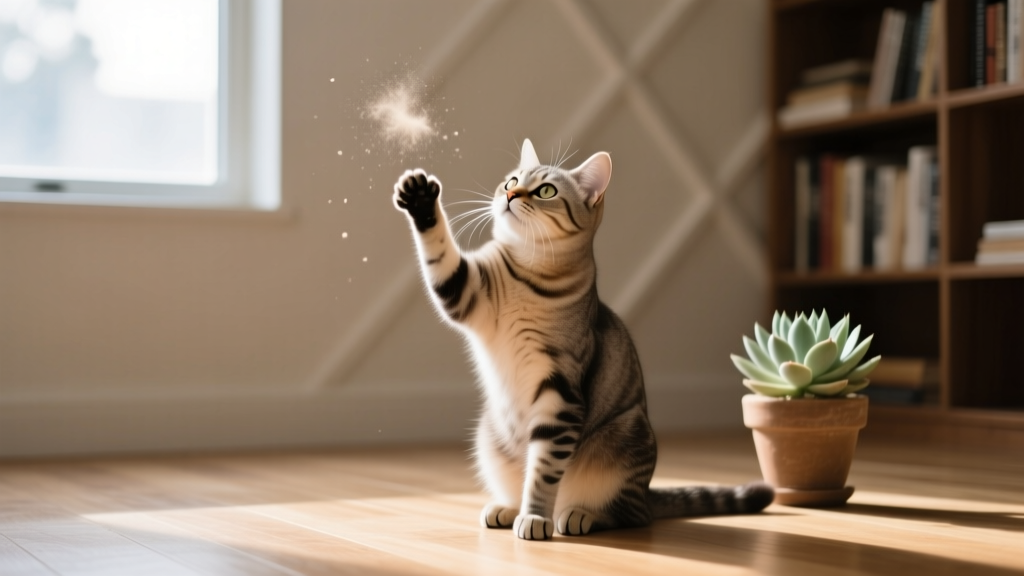
- Scratching furniture: Not destruction—it’s scent-marking, claw maintenance, and stretching. Wild cats scratch to leave visual and olfactory cues.
- Biting during petting: Overstimulation—not rejection. Most cats have a petting threshold of 3–10 seconds before sensory overload triggers a bite.
- Litter box avoidance: Often linked to box location (high-traffic or noisy), type of litter (scented vs. unscented), cleanliness (cats prefer spotless boxes), or substrate aversion (some dislike clay or crystals).
- Early-morning yowling or zoomies: Misaligned circadian rhythm—especially in indoor-only cats deprived of natural dawn/dusk hunting cues.
Dr. Mikel Delgado, Certified Cat Behavior Consultant and researcher at UC Davis, notes: "Cats aren’t trying to train us—they’re trying to survive in an environment they didn’t evolve for. Our job is to redesign the environment, not retrain the instinct."
Step 3: Redesign the Environment Using the "Feline 5" Framework
Veterinary behaviorists recommend evaluating every home through the lens of the Feline 5—five essential welfare needs identified by the International Society of Feline Medicine (ISFM):
- Safe Place (a quiet, elevated, enclosed retreat)
- Predictable Routine (consistent feeding, play, and interaction times)
- Opportunity to Hunt (daily 15-min interactive play sessions mimicking prey sequence: stalk → chase → pounce → kill → eat)
- Positive Human Interaction (respected boundaries, gentle handling, reward-based reinforcement)
- Appropriate Elimination Options (one box per cat + 1, placed in low-traffic, well-lit areas, scooped twice daily)
A 2023 multi-home intervention study published in Applied Animal Behaviour Science showed that households implementing all five elements saw a 76% average reduction in target behaviors (scratching, aggression, vocalizing) within 10 days—compared to only 22% in homes using punishment-only methods.
Pro tip: Use vertical space. Cats feel safest when they can observe from above. Install wall-mounted shelves, cat trees with hideouts, or window perches—even in apartments. One client in NYC transformed a 500-sq-ft studio by adding three levels of shelving; her formerly anxious tabby stopped hiding under the bed and began greeting guests at the door.
Step 4: Redirect, Reinforce, and Replace—Not Correct or Confront
Punishment doesn’t work for cats—and it actively damages trust. A 2021 review in Frontiers in Veterinary Science concluded that punishment-based techniques increase fear, anxiety, and redirected aggression in 91% of cases studied. Instead, use the 3R Method:
- Redirect: Interrupt unwanted behavior *before* it escalates (e.g., toss a toy when your cat starts chewing cords).
- Reinforce: Immediately reward the desired alternative (e.g., clicker + treat when she uses the scratching post).
- Replace: Make the “good” choice easier and more rewarding than the “bad” one (e.g., place a cozy bed near the sunbeam she loves—but away from your laptop keyboard).
Timing is critical: rewards must occur within 1–2 seconds of the desired behavior. Use high-value treats (tiny bits of cooked chicken, freeze-dried salmon) for new learning phases. Avoid human food with onion/garlic, grapes, or xylitol.
Case study: Max, a 3-year-old domestic shorthair, attacked ankles during evening walks. His owner tried spray bottles and yelling—making him more skittish. Using the 3R Method, she started 10-minute laser-pointer hunts *before* dinner, then fed him in his crate with the door open. Within 8 days, he associated human feet with play—not prey—and began rubbing against legs instead of lunging.
| Behavior | Root Cause | Immediate Action (First 72 Hours) | Long-Term Strategy (Days 4–14) | Expected Outcome Timeline |
|---|---|---|---|---|
| Scratching couches | Claw maintenance + territory marking | Apply double-sided tape or aluminum foil to targeted areas; place sisal post beside couch with catnip rubbed on base | Rotate posts monthly; add dangling toys; reward 3x/day when using post | 80% reduction by Day 7; near-total cessation by Day 14 |
| Urinating outside litter box | Pain, aversion, or stress (not spite) | Remove soiled area with enzymatic cleaner; add second box in quiet corner; switch to unscented, clumping litter | Implement Feline 5 routine; consult vet for UTI screening; try pheromone diffuser (Feliway Optimum) | 60% improvement by Day 5 if medical cause ruled out; full resolution possible by Day 12 |
| Aggression toward visitors | Fear-based defense (lack of safe escape) | Confine cat to quiet room pre-arrival; offer treats through cracked door; never force interaction | Desensitize with gradual exposure + positive association (treats when guest enters doorway, then sits, then speaks softly) | Reduced hiding by Day 6; voluntary approach by Day 10–12 |
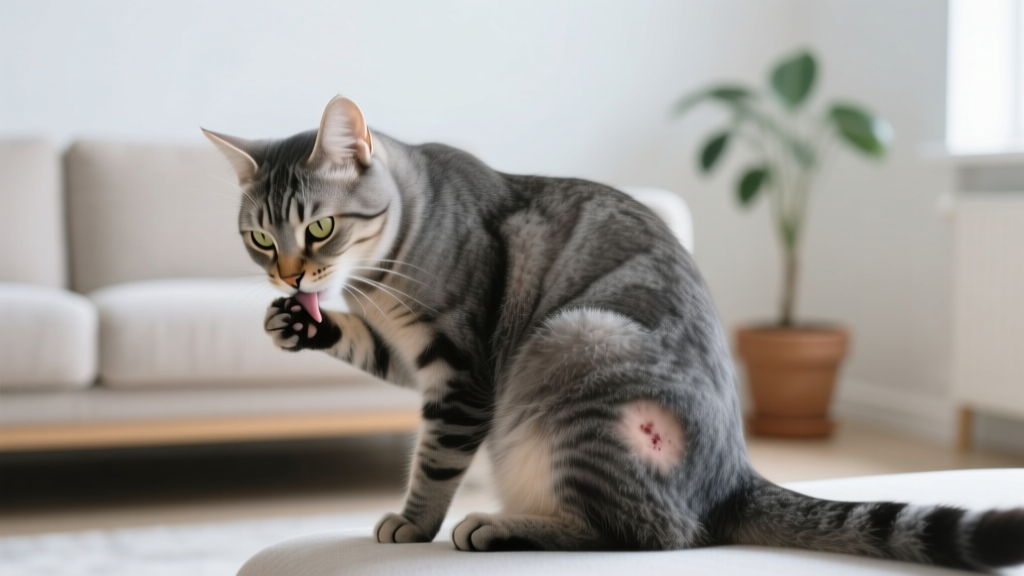
| Overgrooming/bald patches | Anxiety or medical dermatitis | Rule out fleas/allergies with vet; apply soft collar temporarily if self-injury occurs | Introduce puzzle feeders; add daily 5-min brushing sessions; consider calming supplements (L-theanine + B-complex, vet-approved) | Decreased licking frequency by Day 4; hair regrowth visible by Week 3 |
Frequently Asked Questions
Can I use a spray bottle to stop my cat’s bad behavior?
No—and here’s why: Spray bottles trigger fear, not learning. Your cat won’t associate the water with the behavior (e.g., scratching); she’ll associate it with *you*, leading to avoidance or redirected aggression. The American Veterinary Society of Animal Behavior (AVSAB) explicitly advises against punishment-based tools. Instead, use distraction (a tossed toy) or environmental modification (covering cords with bitter apple spray, placing deterrent mats). Positive reinforcement builds lasting trust.
My cat bites me when I pet her—does she hate me?
Not at all. This is almost always overstimulation—a neurological response where petting triggers discomfort or pain (especially along the lower back or tail base). Watch for warning signs: tail flicking, skin rippling, flattened ears, or dilated pupils. Stop petting *before* the bite—not after. Try shorter sessions (3–5 seconds), focus on head/cheek scratches only, and offer treats mid-petting to create positive associations. Many cats learn to tolerate longer sessions once they feel in control.
Will neutering/spaying stop my cat’s spraying or aggression?
It helps—but isn’t a magic fix. Neutering reduces hormone-driven spraying in ~85% of males and aggression in ~60% of intact males. However, if spraying began *after* neutering—or persists despite it—the cause is almost certainly stress-related (e.g., multi-cat tension, outdoor cat visibility). Similarly, spayed females may still urine-mark due to anxiety. Always pair surgery with environmental enrichment and behavior support—not rely on it alone.
Is it too late to change my senior cat’s behavior?
Never. While learning may be slower, older cats absolutely respond to positive reinforcement and environmental adjustments. A 2020 study tracking cats aged 12+ found that 71% showed measurable improvement in anxiety-related behaviors (yowling, pacing, hiding) after 3 weeks of structured play, predictable routines, and pheromone therapy. Key: go slower, reward more generously, and prioritize comfort (e.g., heated beds, ramps, low-entry litter boxes).
Should I get a second cat to "fix" my cat’s loneliness or boredom?
Proceed with extreme caution. Introducing a new cat can worsen existing behavior issues—especially if your current cat is stressed, territorial, or medically compromised. Research shows that 30–40% of multi-cat households report increased aggression or litter box avoidance post-introduction. If considering it, consult a certified feline behaviorist first and follow a 4-week slow-introduction protocol—not just opening the carrier door.
Common Myths About Cat Behavior
Myth #1: “Cats are aloof and don’t care about bonding.”
Reality: Cats form secure attachments to humans—just differently than dogs. A 2019 study in Current Biology found that 64% of kittens displayed secure attachment to caregivers in a modified Strange Situation Test, mirroring human infant patterns. They show love through slow blinks, head-butting, kneading, and following you room-to-room.
Myth #2: “If I ignore bad behavior, it will go away.”
Reality: Ignoring often makes things worse. Unaddressed stress behaviors escalate—e.g., scratching evolves into destructive shredding; mild hissing becomes full-blown aggression. What *does* work is ignoring the *undesired behavior* while immediately reinforcing the *desired alternative*. It’s not neglect—it’s strategic redirection.
Related Topics (Internal Link Suggestions)
- Understanding Cat Body Language — suggested anchor text: "what your cat’s tail flick really means"
- Best Scratching Posts for Stubborn Cats — suggested anchor text: "top 5 vet-recommended scratching solutions"
- Feline Stress Signs You’re Missing — suggested anchor text: "subtle signs your cat is anxious"
- How to Introduce a New Cat Safely — suggested anchor text: "step-by-step cat introduction guide"
- Natural Calming Supplements for Cats — suggested anchor text: "vet-approved anxiety relief for cats"
Your Next Step Starts Today—And It’s Simpler Than You Think
You now know that how to stop a cats bad behavior isn’t about dominance, discipline, or quick fixes—it’s about empathy, observation, and thoughtful environmental design. Start tonight: pick *one* behavior from your list, identify its likely motivation using the Feline 5 framework, and implement just *one* action from the table above. Track it for 72 hours—not with judgment, but curiosity. Notice what changes. Celebrate tiny wins: a single paw swipe on the scratching post, a relaxed blink during petting, a litter box visit without hesitation. Behavior change is rarely linear—but with consistency and compassion, it *is* deeply possible. Ready to go deeper? Download our free Feline Behavior Tracker & 14-Day Action Planner—complete with printable charts, video demos, and a direct link to board-certified behaviorist consultations.