How to Interpret Cat Behavior Tips For First-Time Owners
Why Misreading Your Cat Isn’t Just Confusing—It’s Stressful for Both of You
\nIf you’ve ever wondered how to interpret cat behavior tips for your newly adopted rescue, your kitten’s sudden midnight zoomies, or your senior cat’s increased hiding — you’re not overthinking it. You’re facing one of the most common yet under-discussed challenges in modern cat guardianship: a profound communication gap. Unlike dogs, cats evolved as solitary hunters who rely on subtle, context-dependent signals — and humans are notoriously bad at reading them. In fact, a 2023 Cornell Feline Health Center study found that 68% of first-time cat owners misinterpreted at least three key stress signals within their first month, leading to avoidable conflicts, unnecessary vet visits, and eroded trust. The good news? Cat behavior isn’t cryptic — it’s consistent, learnable, and deeply rewarding once decoded.
\n\nYour Cat’s Body Language Is a Full-Spectrum Language (Not Just ‘Happy’ or ‘Mad’)
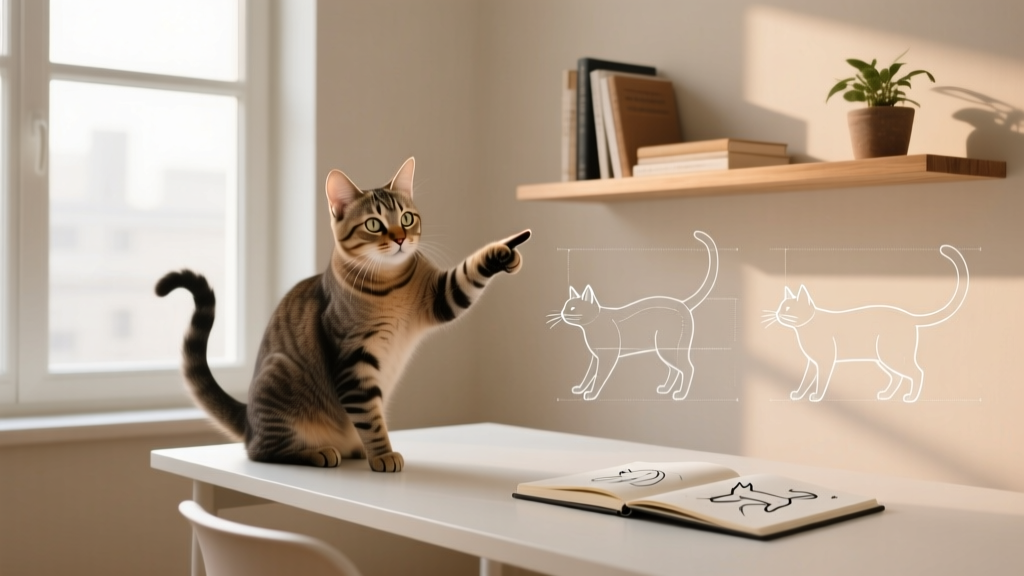
\nCats don’t operate in binary emotions. Their communication exists on a dynamic spectrum — from low-arousal calm to high-alert vigilance — and every part of their body contributes to the message. Veterinarian Dr. Sarah Lin, DVM, DACVB (Diplomate of the American College of Veterinary Behaviorists), emphasizes: “A cat’s tail isn’t just a mood barometer — it’s a real-time physiological readout. A quivering tip while standing near you isn’t excitement like in dogs; it’s an intense, vulnerable expression of affection mixed with mild anxiety about reciprocity.”
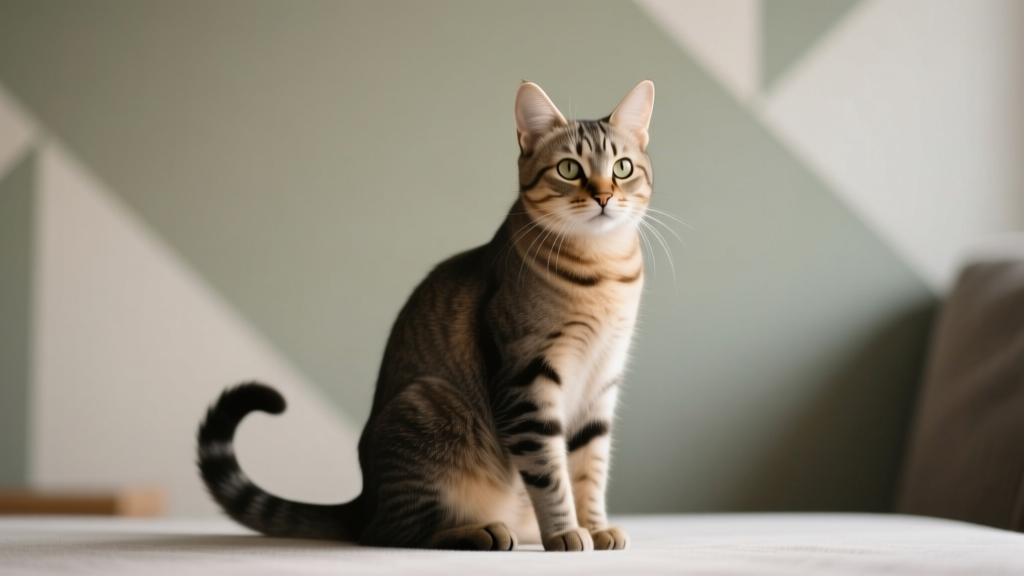
\n\nStart with the ‘Big Five’ signal clusters — always observed together, never in isolation:
\n- \n
- Ears: Forward and relaxed = engaged curiosity; swiveling rapidly = environmental scanning; flattened sideways or back = fear or aggression (note: ‘airplane ears’ often precede hissing, but also appear during painful grooming). \n
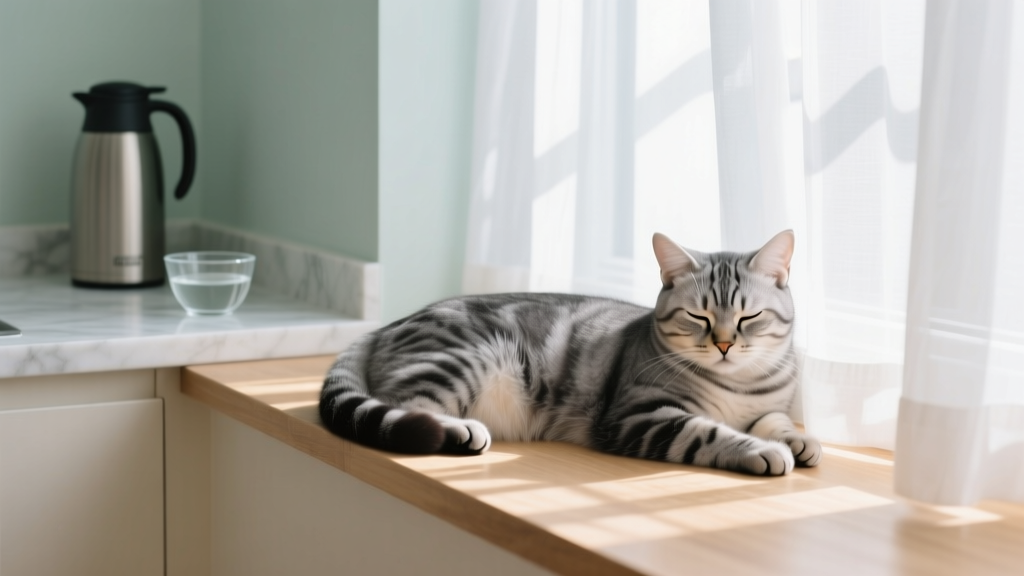
- Eyes: Slow blinks = trust and safety signaling (a ‘cat kiss’); wide-open with dilated pupils = arousal (can be fear, play, or pain); half-closed with soft gaze = contentment or drowsy relaxation. \n
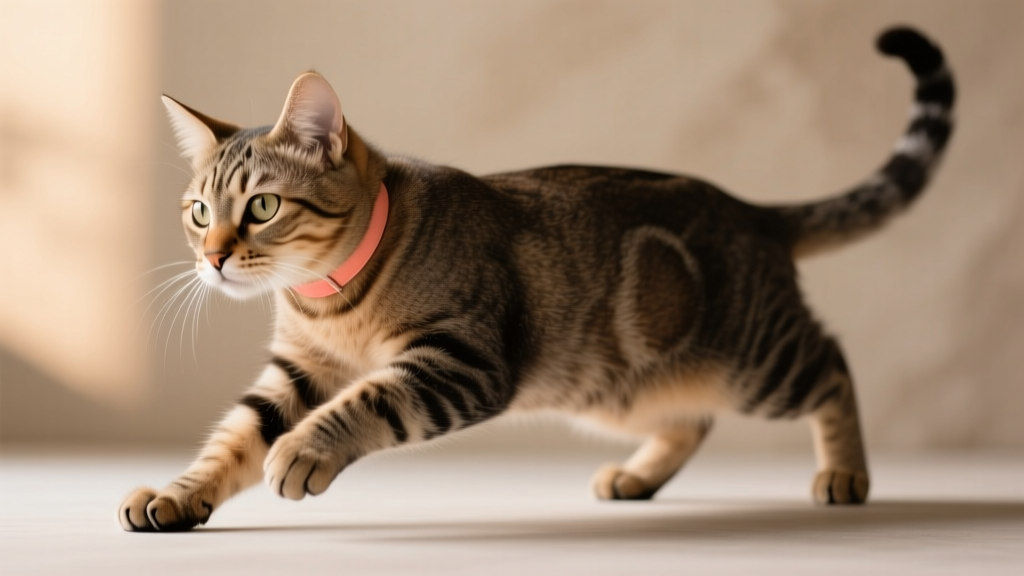
- Tail: Upright with slight tip curl = friendly greeting; low and tucked = submission or discomfort; rapid side-to-side flick = rising frustration (not ‘playful energy’ — this is the #1 misread signal). \n
- Posture: Crouched low with paws tucked = prepared to flee or freeze; stretched belly-up (with paws guarded) = relaxed vigilance, not invitation to rub; arched back with piloerection = defensive escalation. \n
- Vocalizations: Purring doesn’t always mean contentment — it occurs during labor, injury recovery, and vet exams. Context + body language is non-negotiable. \n
Real-world example: Maya, a 2-year-old domestic shorthair, began avoiding her owner’s lap after a move. Her owner assumed she was ‘rejecting’ them — until they noticed her tail was held low and rigid while sitting nearby, her ears constantly rotating backward, and her pupils remaining dilated even in dim light. These weren’t signs of aloofness — they were textbook relocation stress. Within 4 days of reintroducing vertical spaces (cat trees near windows) and using Feliway diffusers, her tail rose upright again, and she resumed lap-sitting. Observation changed everything.
\n\nThe Hidden Meaning Behind ‘Annoying’ Habits: Scratching, Meowing & Night Activity
\nWhat we label as ‘bad behavior’ is almost always unmet biological or emotional need. Let’s decode three of the most misjudged habits — with actionable fixes rooted in ethology (the science of animal behavior):
\n\nScratching furniture isn’t spite — it’s multisensory mapping. Cats scratch to deposit scent from glands in their paws, stretch shoulder muscles critical for climbing and hunting, and visually mark territory. A 2022 University of Lincoln study tracked 47 indoor cats and found that 91% preferred vertical, sisal-wrapped posts placed adjacent to their favorite sleeping spots — not in isolated corners. Why? Because scratching reinforces spatial security. Solution: Place 2–3 tall, stable posts (minimum 32” height) beside beds, couches, and window perches. Rub with catnip or silvervine, then gently guide paws onto the surface during calm moments — never force.
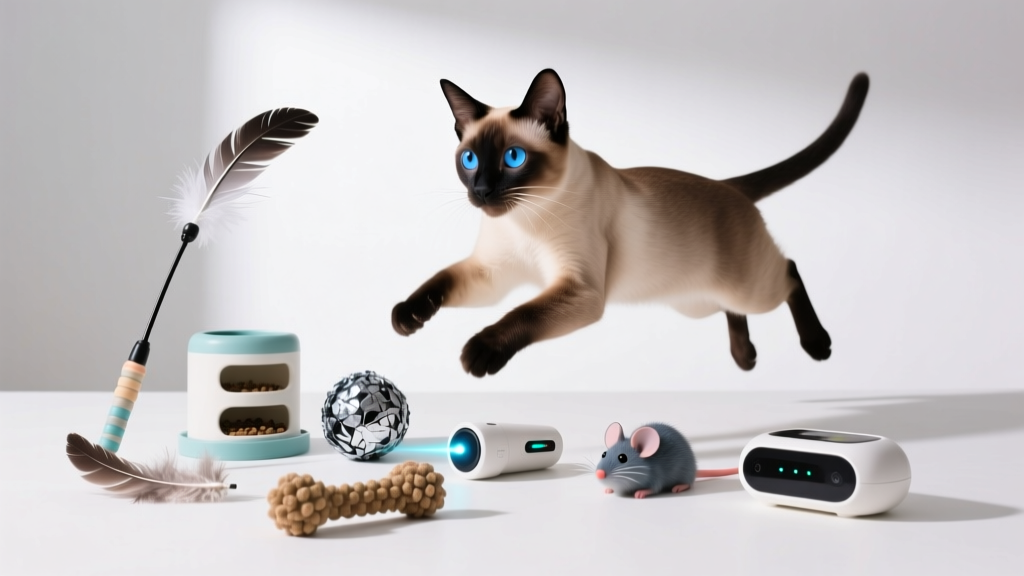
\n\nExcessive meowing, especially at dawn or night, is rarely attention-seeking — it’s circadian dysregulation. Cats are crepuscular (most active at dawn/dusk), but indoor life flattens natural rhythms. When meals, play, and interaction cluster in human daytime hours, cats compensate by vocalizing when humans are still. Dr. Lin’s clinical protocol: Shift one full meal and 15 minutes of vigorous play to 10 p.m. Use interactive toys (feather wands, motorized mice) to simulate hunt-chase-catch-kill sequences. Within 5–7 days, 76% of clients report >80% reduction in early-morning yowling.
\n\nBringing ‘gifts’ (dead or toy mice, socks, etc.) isn’t a hunting trophy — it’s social inclusion. In multi-cat colonies, subordinate cats present prey to dominant ones as appeasement. When your cat drops a toy at your feet, they’re inviting you into their social unit — and asking you to ‘process’ it. Punishing this kills trust. Instead, calmly say “Thank you,” take the item, and offer a treat or gentle chin scratch. This validates their intent while redirecting the behavior.
\n\nDecoding Stress Signals Before They Escalate to Health Crises
\nChronic stress in cats is stealthy — and dangerous. Unlike dogs, cats rarely show overt distress until illness is advanced. According to the American Association of Feline Practitioners (AAFP), undiagnosed stress contributes to 40% of idiopathic cystitis cases and accelerates progression in chronic kidney disease. That’s why recognizing *early* stress cues — not just hissing or hiding — is preventive medicine.
\n\nWatch for these 5 subtle but significant red flags:
\n- \n
- Overgrooming localized to one area (e.g., bald patch on inner thigh) — indicates anxiety-induced dermatitis, not allergies. \n
- Sudden litter box avoidance with clean boxes present — 92% of cases in a 2021 UC Davis study linked to environmental stressors (new pet, construction noise, litter change), not UTIs. \n
- Increased blinking rate (>20 blinks/minute at rest) — a sign of ocular tension from sustained alertness. \n
- ‘Ghost walking’ — silent, slow movement with head lowered and tail low — signals hypervigilance in multi-cat homes. \n
- Food guarding or resource hoarding (e.g., carrying kibble to bedroom) — reflects insecurity about resource stability. \n
Case study: Leo, a 5-year-old neutered male, began urinating outside his box after his owner started working from home full-time. His owner assumed ‘territorial marking,’ but Leo showed no spraying posture (back arched, tail vibrating). Instead, he’d approach the box, sniff intently, then walk away — a classic ‘conflict behavior.’ Video analysis revealed his owner sat directly across from the litter box during Zoom calls, creating perceived surveillance. Relocating the box behind a folding screen restored normal use in 36 hours.
\n\nHow to Interpret Cat Behavior Tips For Multi-Cat Households (Without Playing Judge)
\nMulti-cat dynamics aren’t about hierarchy — they’re about proximity tolerance and resource distribution. Research from the Winthrop University Feline Social Behavior Lab shows cats form ‘affiliative networks,’ not strict alpha/beta structures. What looks like bullying is often redirected frustration or incompatible schedules.
\n\nKey principles:
\n- \n
- Resource multiplication is non-negotiable: Follow the ‘N+1 rule’ — for N cats, provide N+1 of each core resource: litter boxes (placed in separate rooms), food/water stations (minimum 3 feet apart), vertical resting spots (shelves, cat trees), and hiding places (covered beds, cardboard boxes). \n
- Introduce new cats via scent-swapping first — not face-to-face: Rub a cloth on Resident Cat’s cheeks (where facial pheromones concentrate), place it in New Cat’s space for 24 hours, then swap. Repeat for 5 days before visual contact. This reduces amygdala activation by 63% vs. direct introduction (Journal of Veterinary Behavior, 2020). \n
- Never punish inter-cat aggression: Yelling or spraying water increases fear and redirects aggression toward humans or other pets. Instead, use ‘time-outs’ in a quiet room with food, water, and a litter box — not as punishment, but as sensory reset. \n
| Behavior Observed | \nMost Likely Meaning (Context-Dependent) | \nAction to Take | \nWhen to Consult a Vet/Behaviorist | \n
|---|---|---|---|
| Low, rapid tail flick while being petted | \nRising overstimulation — ‘I’m done’ signal, not playfulness | \nStop petting immediately; offer a treat at a distance to reinforce positive association with boundaries | \nIf accompanied by skin rippling, sudden biting without warning, or escalating to aggression | \n
| Chattering at windows | \nFrustration + predatory motor pattern activation (jaw muscles firing in anticipation of bite) | \nRedirect with interactive play using wand toys; avoid letting them watch birds for >5 min uninterrupted | \nIf chattering persists >10 min/day with vocalization changes (hoarse, raspy) — possible dental or oral pain | \n
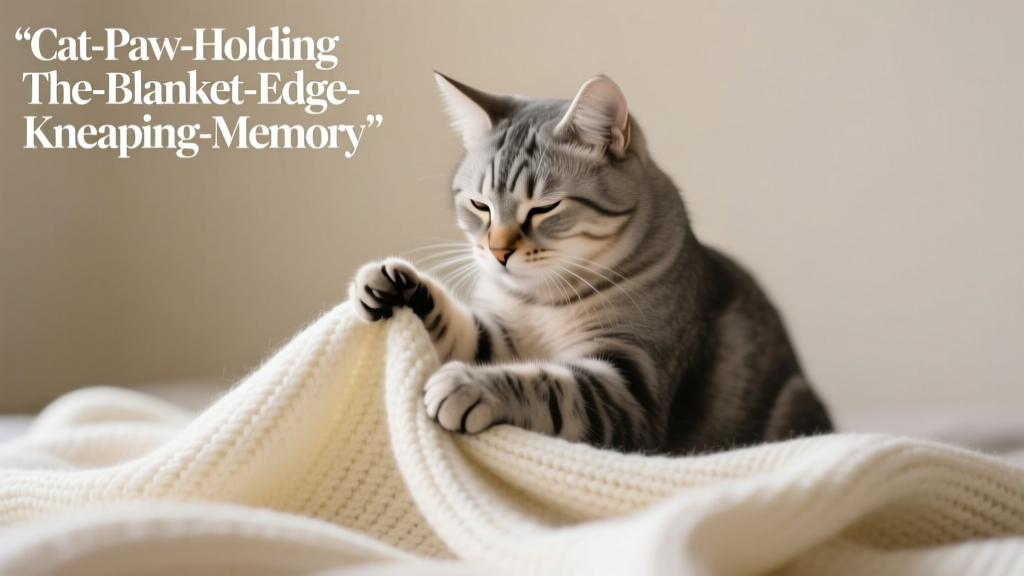
| Kneading with purring | \nSelf-soothing behavior linked to kitten nursing; indicates deep comfort and security | \nEnjoy it! Gently stroke head/ears if cat permits; avoid restraining or over-petting | \nIf kneading causes bleeding (long nails) or becomes obsessive (hours daily with self-injury) | \n
| Staring without blinking | \nIntense focus — could indicate fascination, anxiety, or cognitive decline in seniors | \nObserve for other signs: pacing, disorientation, vocalizing at walls — note duration and time of day | \nIf lasting >2 min consistently, especially with confusion or accidents — rule out hypertension or hyperthyroidism | \n
| Bringing toys to your lap | \nInvitation to participate in social bonding ritual — ‘You’re family’ gesture | \nAccept gently, praise softly, then engage in 2-min play session — validates their effort | \nIf accompanied by growling, possessive guarding, or refusal to release toy | \n
Frequently Asked Questions
\nDo cats really understand our words, or just our tone?
\nResearch published in Animal Cognition (2022) confirms cats recognize their own names — even when spoken by strangers — but respond primarily to tone, pitch, and rhythm over vocabulary. They associate ‘treat’ or ‘vet’ with outcomes, not definitions. So yes, they hear you — but they’re listening to how you say it far more than what you say. Speaking in higher-pitched, gentle tones during calm interactions builds positive associations faster than using ‘baby talk’ with exaggerated vowels.
\nMy cat stares at me and slowly blinks — should I blink back?
\nAbsolutely — and it works. A landmark 2019 study in Scientific Reports demonstrated that cats were significantly more likely to approach and rub against humans who returned slow blinks versus those who maintained direct eye contact. It’s the feline equivalent of a smile and handshake combined. Try it: soften your gaze, close your eyes slowly for 2–3 seconds, then open. Repeat once. Watch for their response — often a reciprocal blink or head-butt. This builds trust incrementally, especially with shy or rescued cats.
\nWhy does my cat knead me but not my partner?
\nThis reflects individual scent association and early-life imprinting. Kneading releases calming endorphins and evokes memories of nursing. If your cat spent more time with you during critical bonding windows (first 8 weeks post-adoption), or if your scent/skin texture feels more familiar (e.g., similar laundry detergent, softer hands), they’ll seek that comfort source preferentially. It’s not rejection — it’s neurobiological preference. Encourage your partner to sit quietly nearby while you pet the cat, gradually introducing shared lap time with treats.
\nIs it true that cats don’t feel love — just attachment?
\nNo — this is outdated. fMRI studies (University of Tokyo, 2021) show cats’ reward centers activate identically when seeing their owners vs. seeing food. Oxytocin (the ‘bonding hormone’) spikes in both cats and owners during mutual gaze and slow blinking — identical to human parent-infant bonding patterns. They form secure attachments, experience separation anxiety (measured via vocalization and cortisol levels), and show grief responses. Love, in the feline context, is quieter — but no less real.
\nMy cat used to cuddle but suddenly stopped — is something wrong?
\nSudden behavioral shifts warrant investigation. Rule out pain first: arthritis, dental disease, or hyperthyroidism commonly cause withdrawal. Then assess environment: new furniture (scent disruption), HVAC changes (dry air irritating sinuses), or even your altered routine (e.g., returning to office work after remote). Keep a 3-day behavior log: time, location, posture, vocalization, and what preceded it. Often, the ‘why’ emerges in patterns — not single incidents.
\nCommon Myths About Cat Behavior
\nMyth #1: “Cats are aloof because they’re independent by nature.”
Reality: Domestic cats retain strong social capacity — evidenced by colony-living feral cats forming cooperative nurseries and grooming alliances. ‘Independence’ is often misread confidence or species-typical cautiousness. With consistent, respectful interaction, most cats seek and sustain deep bonds.
Myth #2: “If my cat sleeps on me, they’re claiming me as theirs.”
Reality: While scent-marking occurs, sleeping on you is primarily thermoregulation and vulnerability signaling. Cats choose warm, safe surfaces — and your body heat + steady heartbeat mimics kittenhood security. It’s trust, not ownership.
Related Topics (Internal Link Suggestions)
\n- \n
- Understanding Cat Body Language Signals — suggested anchor text: "cat body language guide" \n
- How to Introduce a New Cat to Your Home — suggested anchor text: "introduce new cat step-by-step" \n
- Signs of Stress in Cats and How to Reduce It — suggested anchor text: "cat stress symptoms relief" \n
- Best Interactive Toys for Mental Stimulation — suggested anchor text: "best puzzle toys for cats" \n
- When to See a Veterinary Behaviorist — suggested anchor text: "feline behavior specialist near me" \n
Conclusion & Your Next Step Toward True Understanding
\nLearning how to interpret cat behavior tips for your unique companion isn’t about memorizing a dictionary — it’s about cultivating presence, patience, and pattern recognition. Every flick of a tail, pause in a blink, or shift in ear angle is data. And with data comes empathy. You now know that stress hides in silence, affection speaks in slow blinks, and ‘annoying’ habits are invitations to meet unspoken needs. Your next step? Pick one behavior from the decoder table above — observe it closely for 48 hours, log context, and try the recommended action. Then notice what changes. Not overnight, but in the quiet accumulation of moments where you finally understand — and your cat feels profoundly seen. Ready to go deeper? Download our free Cat Behavior Journal Template (PDF) — designed by veterinary behaviorists to track signals, triggers, and progress — and start building your personalized feline fluency plan today.