How to Fix Cats Bad Behavior
Why "How to Fix Cats Bad Behavior" Is the Wrong Question (And What to Ask Instead)
If you've ever typed how to fix cats bad behavior into Google at 3 a.m. after finding shredded curtains, a cold litter box incident on your rug, or your cat hissing at guests—take a deep breath. You're not failing. Your cat isn’t 'spiteful' or 'rebellious.' What you’re seeing isn’t misbehavior—it’s unmet biological, emotional, or environmental needs speaking loudly. And that’s profoundly good news: because when we shift from punishment to translation—reading what the behavior *means*, not what it *does*—real, lasting change becomes possible. In this guide, you’ll learn exactly how to do that, step-by-step, using methods endorsed by the American College of Veterinary Behaviorists and backed by over two decades of feline ethology research.
Step 1: Rule Out Medical Causes First (The Silent Saboteur)
Before any behavior plan begins, rule out pain or illness. A 2022 study in the Journal of Feline Medicine and Surgery found that 64% of cats presenting with sudden aggression, inappropriate elimination, or excessive vocalization had an underlying medical condition—from urinary tract infections and hyperthyroidism to dental disease and osteoarthritis. As Dr. Sarah Hopper, DACVB (Diplomate of the American College of Veterinary Behaviorists), explains: "Cats mask pain exquisitely. What looks like 'acting out' is often their only way to say 'something hurts.'"
Start with a full wellness exam—including bloodwork, urinalysis, and a gentle orthopedic assessment. Pay special attention to signs easily mistaken for attitude: reduced grooming (could indicate back pain), avoiding the litter box (may signal cystitis), or hiding more than usual (a red flag for chronic kidney disease). If your vet clears your cat medically, you’ve just eliminated the most common reason why traditional 'training' fails—and you’re ready for true behavioral intervention.
Step 2: Decode the Behavior—Not the Cat
Feline behavior isn’t random. Every action serves a function: safety, control, stimulation, or communication. The key to how to fix cats bad behavior lies in functional analysis—not judgment. Let’s break down three of the most frustrating issues:
- Scratching furniture: Not destruction—it’s scent-marking (via paw glands), claw maintenance, and stretching. Banning scratching doesn’t stop the need; it redirects it poorly.
- Litter box avoidance: Rarely 'revenge'—almost always linked to substrate aversion (clay vs. paper), location stress (near noisy appliances), box cleanliness (cats prefer it spotless), or multi-cat tension (one cat guarding access).
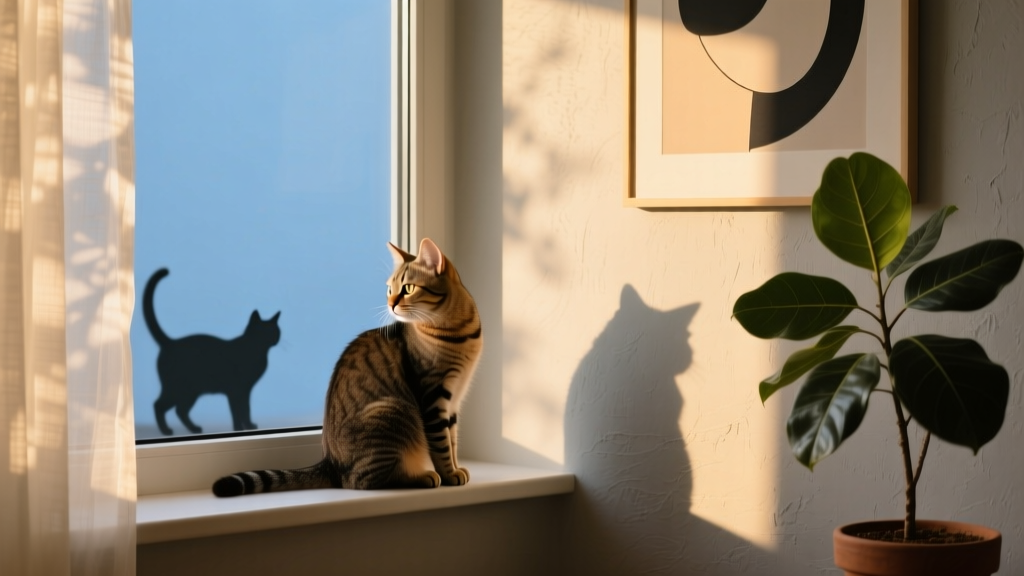
- Aggression toward people or other pets: Often fear-based (especially if triggered by handling or sudden movement) or redirected (e.g., seeing an outdoor cat through the window, then biting your hand).
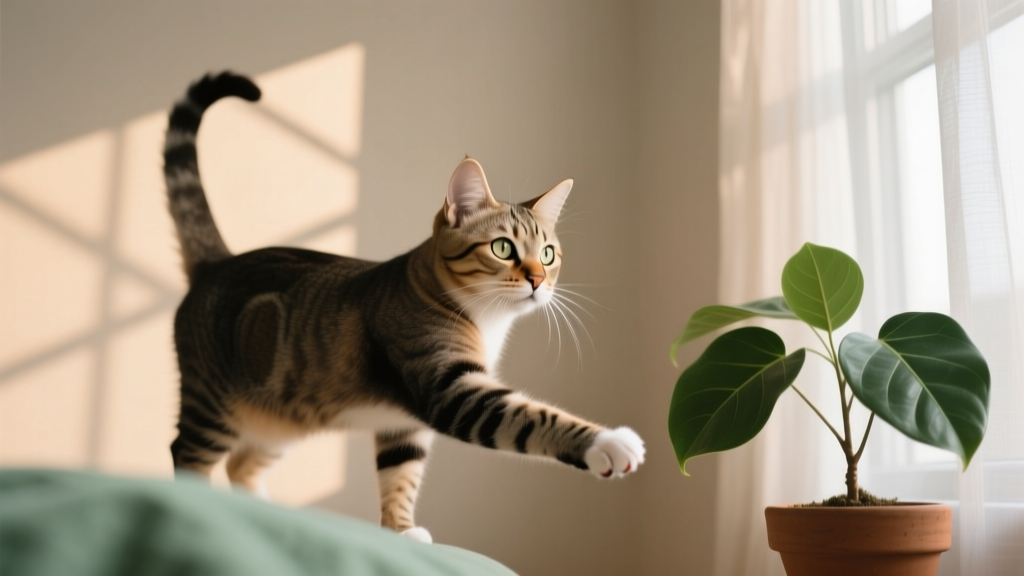
A real-world example: Luna, a 4-year-old domestic shorthair, began ambushing her owner’s ankles at dusk. Her family assumed she was ‘playful but rough.’ After video review and vet consultation, it became clear: Luna’s hunting instincts were peaking at twilight—but her environment offered zero outlets. Within 3 days of adding two 15-minute interactive play sessions (using wand toys that mimic prey movement), the ambushes stopped entirely. No scolding. No timeout. Just meeting her biology with intention.
Step 3: Build the 5-Pillar Enrichment Framework
Veterinary behaviorists universally agree: the single most effective tool for resolving feline behavior challenges is environmental enrichment—not correction. Based on Dr. Mikel Delgado’s landmark work at UC Davis, here are the five non-negotiable pillars every cat needs daily:
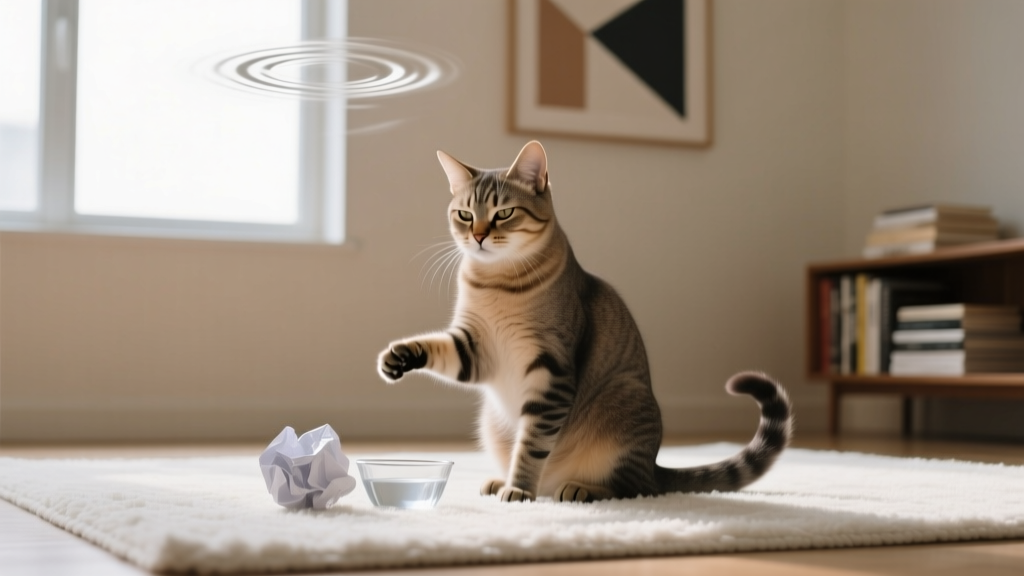
- Hunting simulation: 2–3 short, high-intensity play sessions with wand toys that mimic erratic rodent/bird movement. End each session with a 'kill'—letting your cat bite and hold a treat-stuffed toy.
- Feeding enrichment: Replace 50% of kibble with puzzle feeders, snuffle mats, or food-dispensing balls. This taps into natural foraging instincts and reduces boredom-related chewing or attention-seeking.
- Vertical territory: Install wall-mounted shelves, cat trees, or window perches—at least one perch per cat, plus one extra. Height = safety + surveillance.
- Safe hideaways: Provide enclosed spaces (cardboard boxes, covered beds, tunnels) where your cat can retreat without being disturbed—critical for stress reduction.
- Positive human interaction: 5 minutes of gentle petting *only where your cat solicits it* (head, cheeks, base of tail)—not forced lap-sitting. Pair touch with treats to build trust.
This isn’t 'spoiling'—it’s species-appropriate care. A 2023 longitudinal study tracking 187 cats found those receiving consistent enrichment showed a 78% reduction in stress-related behaviors (overgrooming, vocalization, aggression) within 14 days.
Step 4: Use Positive Reinforcement—Strategically
Punishment doesn’t teach cats what to do—it teaches them to fear *you*. Spray bottles, yelling, or tapping noses suppress behavior temporarily but increase anxiety and damage your bond. Instead, use differential reinforcement: reward the behavior you *want*, while making the unwanted behavior less rewarding.
Example: For a cat who scratches the couch instead of the post:
• Don’t: Say “No!” or cover the couch in double-sided tape.
• Do: Place a sturdy, sisal-wrapped post *right next to the couch*, sprinkle it with catnip, and reward your cat with a high-value treat (like freeze-dried chicken) *the moment* they sniff or touch it. Repeat 5x/day for 3 days. Then gradually move the post 6 inches away—only after your cat uses it consistently.
Timing matters: rewards must occur within 1.5 seconds of the desired behavior. Use clicker training to bridge the gap between action and treat—studies show clicker-trained cats learn new associations 40% faster than those trained with verbal cues alone.
| Behavior Issue | Immediate Action (First 72 Hours) | Long-Term Strategy (Weeks 1–4) | Expected Outcome Timeline |
|---|---|---|---|
| Urinating outside the litter box | 1. Clean soiled areas with enzymatic cleaner (not vinegar or ammonia) 2. Add one extra box (N+1 rule) 3. Switch to unscented, clumping litter in shallow boxes |
• Place boxes in quiet, low-traffic zones • Introduce pheromone diffusers (Feliway Optimum) • Rule out inter-cat conflict with camera monitoring |
85% improvement by Day 10; full resolution in 3–4 weeks with consistency |
| Aggression during petting | 1. Stop petting at first sign of tail flick or ear flattening 2. Offer a treat *before* stopping—create positive association with ending |
• Use desensitization: 3-second pet → treat → pause → repeat • Gradually increase duration only if cat remains relaxed • Never force contact |
Increased tolerance by Day 5; 30+ second sessions achievable by Week 3 |
| Excessive nighttime activity | 1. Schedule vigorous play at dusk (when natural hunting drive peaks) 2. Feed largest meal *after* play session |
• Rotate toys weekly to prevent habituation • Add automatic laser or treat dispenser on timer for 2 a.m. • Block access to bedroom door with baby gate *before* bedtime |
Reduced night vocalization by Day 4; sleeping through night by Week 2 |
Frequently Asked Questions
Can I train my cat like a dog?
No—and trying to will backfire. Dogs are pack-oriented social learners wired to seek human approval. Cats are solitary hunters who respond to consequences that directly affect their safety or resources. Training a cat means working *with* their motivation (food, play, safety), not demanding obedience. Successful 'cat training' looks like teaching them to come for treats, enter a carrier voluntarily, or target a stick—always using reward-based shaping, never coercion.
Will neutering/spaying fix bad behavior?
It helps—but only for hormonally driven behaviors like spraying (in males) or yowling (in females in heat). It won’t resolve fear-based aggression, anxiety-related scratching, or litter box issues caused by medical problems or poor setup. A 2021 meta-analysis confirmed: sterilization reduces *intensity* of some behaviors by ~30%, but comprehensive environmental management remains essential for full resolution.
My cat bites me gently—does that mean they love me?
Not necessarily. 'Love bites' are often mislabeled. Gentle biting during petting usually signals overstimulation—your cat’s way of saying 'enough.' Watch for early cues: tail twitching, skin rippling, flattened ears, or dilated pupils. Stop *before* the bite occurs. If biting happens during play, redirect to toys immediately—and never use hands as prey. True affection looks like slow blinks, head-butting, and sitting near you while purring—not teeth-on-skin contact.
Is it too late to change my senior cat’s behavior?
Never. While kittens are most impressionable, adult and senior cats retain neuroplasticity—their brains can form new associations at any age. The key is patience and adjusting pace: older cats may need longer reinforcement windows and gentler desensitization. A 12-year-old cat with new-onset aggression was fully rehabilitated in 8 weeks using scent-swapping, vertical space expansion, and predictable feeding routines—proving age isn’t a barrier to behavioral healing.
Should I get a second cat to 'fix' my cat’s loneliness or boredom?
Rarely—and only with extreme caution. Cats aren’t inherently social; introducing another cat without proper, multi-week introduction protocols (scent swapping, visual barriers, gradual exposure) is the #1 cause of chronic inter-cat aggression and stress-related illness. If your cat is acting out due to boredom, enrichment—not companionship—is the safer, more effective solution. Consult a certified feline behaviorist before considering a second cat.
Common Myths About Fixing Cat Behavior
Myth #1: “Cats can’t be trained—they’re independent and stubborn.”
Reality: Cats are highly trainable—but on their own terms. They learn fastest when motivated by food, play, or safety. Studies show cats successfully learn complex tasks (like opening doors or responding to name cues) using positive reinforcement. Their 'independence' is actually strong agency—they simply refuse to comply with demands that feel unsafe or irrelevant.
Myth #2: “If I ignore bad behavior, it will go away.”
Reality: Ignoring often worsens problems. Cats repeat behaviors that work—even if 'working' means getting attention (even negative), accessing a forbidden surface, or relieving anxiety. The solution isn’t ignoring—it’s *replacing*: making the desired behavior easier, more rewarding, and more logical than the problem behavior.
Related Topics (Internal Link Suggestions)
- Understanding cat body language — suggested anchor text: "what your cat's tail flick really means"
- Best cat enrichment toys for indoor cats — suggested anchor text: "vet-recommended puzzle feeders and climbing systems"
- How to introduce a new cat to your household — suggested anchor text: "stress-free multi-cat integration guide"
- Signs of cat anxiety and how to treat it — suggested anchor text: "silent stress signals every cat owner should know"
- When to call a feline behaviorist (not just a vet) — suggested anchor text: "red flags that need expert help"
Your Next Step Starts Today—No Perfection Required
You now know that how to fix cats bad behavior isn’t about control—it’s about clarity, compassion, and consistency. You don’t need to be perfect. You don’t need expensive gadgets. You just need to observe closely, respond kindly, and adjust one thing at a time. Start tonight: spend 5 minutes watching your cat *without interacting*. Note where they rest, what they sniff, when they stretch. That observation is your first data point—and the foundation of real understanding. Then pick *one* item from the 5-Pillar Enrichment Framework above and implement it tomorrow. Small steps compound. Within 14 days, you’ll likely see shifts—not just in behavior, but in the quiet, trusting gaze your cat gives you when you walk into the room. That’s not fixed behavior. That’s a deeper bond, finally beginning to bloom.