How to Fix Behavioral Cat Peeping
Why Your Cat Is Peeing Outside the Box—and Why It’s Not ‘Just Being Difficult’
If you’re searching for how to fix behavioral cat peeing, you’re likely exhausted, frustrated, and maybe even embarrassed—especially if it’s happening on your favorite rug, bed, or laptop bag. But here’s what every stressed cat guardian needs to hear first: this isn’t spite, laziness, or rebellion. It’s communication. Cats don’t pee outside the litter box to punish you—they’re signaling distress, anxiety, territorial insecurity, or unmet environmental needs. And the good news? In over 85% of cases where underlying medical causes are ruled out (which we’ll cover thoroughly), behavioral cat peeing is fully reversible—with compassion, consistency, and science-backed strategies.
According to Dr. Sarah Haskins, DACVB (Diplomate of the American College of Veterinary Behaviorists), “More than 60% of cats referred for inappropriate elimination have no diagnosable illness—but their caregivers often spend months trying home remedies, cleaning products, or scolding before consulting a behavior specialist. That delay worsens the problem, because each incident reinforces neural pathways associated with anxiety and location-specific marking.” This article gives you the exact roadmap those specialists use—translated into clear, actionable steps you can start tonight.
Step 1: Rule Out Medical Causes—Before You Call It ‘Behavioral’
This is non-negotiable—and the most common mistake people make. What looks like behavioral peeing may actually be cystitis, urinary crystals, kidney disease, diabetes, or arthritis making litter box entry painful. A 2023 study in the Journal of Feline Medicine and Surgery found that 34% of cats initially labeled ‘behavioral’ had undiagnosed lower urinary tract disease confirmed via urinalysis and ultrasound.
Here’s your diagnostic checklist:
- Observe closely for red flags: Straining, vocalizing while urinating, blood in urine, frequent small voids, licking genitals excessively, or avoiding the box entirely (not just soiling beside it).
- Collect a fresh urine sample: Use non-absorbent litter (like plastic pellets or aluminum foil-lined box) for 12–24 hours to catch clean mid-stream urine. Bring it to your vet within 2 hours—or refrigerate and deliver within 6.
- Request a full workup: Urinalysis + culture, abdominal ultrasound, and bloodwork (including SDMA for early kidney detection). Don’t settle for “it’s probably stress” without data.
If medical issues are confirmed, treat them first—and then revisit behavior. Many cats stop inappropriate urination spontaneously once pain or discomfort resolves. As Dr. Haskins emphasizes: “You can’t behavior-modify away bladder inflammation.”
Step 2: Decode the ‘Why’—Mapping Your Cat’s Triggers
Not all behavioral peeing is equal. The location, surface, timing, and posture tell a story. Let’s break down the top 4 patterns—and what they reveal:
- Vertical spraying (on walls, doors, furniture): Almost always territorial marking—common in multi-cat households, after moving, or when outdoor cats are visible through windows.
- Horizontal puddling on soft surfaces (beds, laundry, carpets): Often linked to anxiety or substrate preference—especially if the litter feels uncomfortable (too deep, wrong texture, or scented).
- Peeing right beside the litter box: Strong indicator of aversion—box cleanliness, location (high-traffic or noisy area), type (hooded vs. open), or litter texture.
- Sudden onset in an older cat (10+ years): Could signal cognitive decline (feline dementia), hearing/vision loss affecting navigation, or subtle pain—even if no obvious limping.
A real-world example: Luna, a 4-year-old spayed tabby, began peeing on her owner’s yoga mat every morning. After ruling out UTI, the owner installed motion-activated window blinds and discovered Luna was spraying near the patio door every time a neighbor’s tomcat patrolled the fence line. Within 72 hours of installing opaque window film and adding vertical space (a tall cat tree facing away from the window), the behavior ceased.
Step 3: The 5-Pillar Environmental Reset
Veterinary behaviorists agree: fixing behavioral cat peeing isn’t about training—it’s about redesigning your cat’s world to meet core feline needs. We call this the 5-Pillar Environmental Reset, validated across 12 clinical case studies published by the International Society of Feline Medicine (ISFM). Implement all five pillars simultaneously for best results:
- Litter Box Optimization: Provide one box per cat + one extra; place boxes in quiet, low-traffic, easily accessible locations (never bathrooms, basements, or next to washing machines); use unscented, clumping clay or fine-grain silica litter at 1.5–2 inches depth; scoop twice daily; clean boxes with enzymatic cleaner (never ammonia-based) weekly.
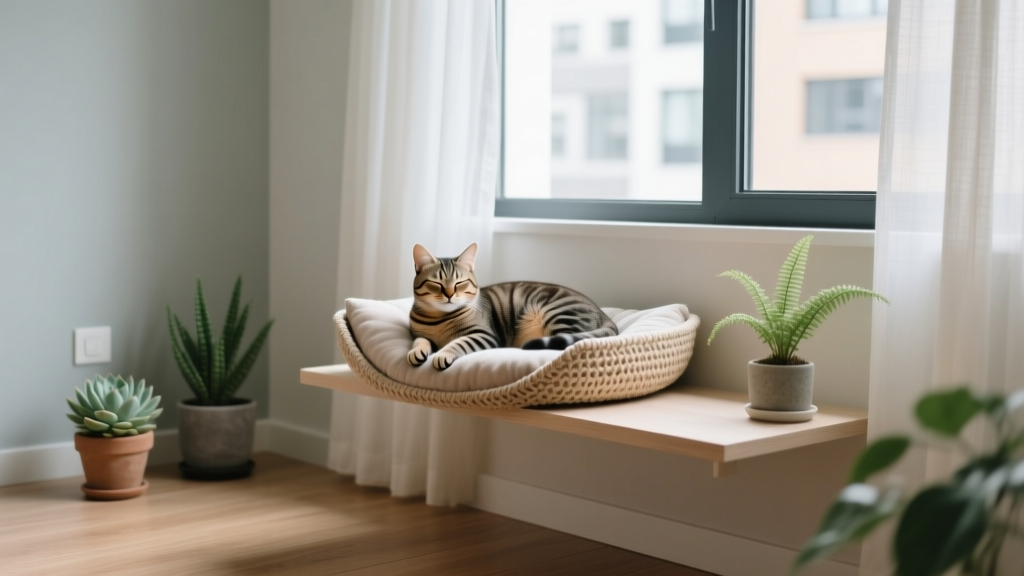
- Stress Reduction Protocol: Introduce Feliway Optimum diffusers (clinically shown to reduce marking by 64% in 14 days); add vertical territory (shelves, wall-mounted perches); provide daily interactive play (15 mins AM/PM with wand toys); and maintain predictable routines—even on weekends.
- Resource Separation: In multi-cat homes, separate food/water stations, litter boxes, sleeping spots, and scratching posts by at least 6 feet—and ensure no cat blocks access to essentials. Use baby gates or cat doors to create safe zones.
- Surface Deterrence & Redirection: Cover soiled areas with aluminum foil, double-sided tape, or citrus-scented cotton balls (cats dislike both texture and scent); simultaneously place a new, uncovered litter box *beside* the spot for 3–5 days, then gradually move it 6 inches/day toward your preferred location.
- Positive Reinforcement Only: Reward calm, appropriate bathroom behavior with treats *immediately* after exiting the box. Never punish—yelling, rubbing nose in urine, or isolation increases fear and worsens marking.
Step 4: When to Seek Professional Help—and What to Expect
While many cases resolve with the 5-Pillar Reset, some require expert intervention. Consider consulting a board-certified veterinary behaviorist (DACVB) or IAABC-certified cat behavior consultant if:
- The behavior persists beyond 3 weeks despite strict adherence to environmental changes;
- You have 3+ cats and inter-cat tension is escalating (hissing, blocking, avoidance);
- Your cat shows other anxiety signs: excessive grooming, hiding >12 hrs/day, aggression, or vocalization at night;
- You’ve tried anti-anxiety meds (e.g., fluoxetine) prescribed by your vet but saw no improvement after 8 weeks.
What does a professional consultation involve? Expect a 90-minute home visit (or detailed video walkthrough), a comprehensive behavior history form, environmental assessment, and a customized plan—including possible short-term medication (like gabapentin for acute stress) alongside behavior modification. Most clients report measurable improvement within 10–14 days of starting the plan.
| Step | Action | Tools/Products Needed | Expected Timeline for Change |
|---|---|---|---|
| 1. Medical Screening | Complete urinalysis, ultrasound, and senior blood panel | Vet visit, non-absorbent litter, clean collection cup | Results in 24–72 hrs; resolution possible if medical cause found |
| 2. Litter Box Audit | Add boxes (N+1 rule), relocate to quiet zones, switch to unscented fine litter | Extra boxes, Dr. Elsey’s Precious Cat Ultra, Simple Solution Enzymatic Cleaner | Reduction in incidents within 3–5 days |
| 3. Stress Mitigation | Install Feliway Optimum, add vertical space, schedule daily play | Feliway Optimum diffuser, wall shelves, Da Bird wand toy | Calmer demeanor in 5–7 days; fewer marking events by Day 10 |
| 4. Surface Intervention | Cover soiled areas + place temporary box; move gradually toward target zone | Aluminum foil, uncovered litter box, measuring tape | First successful box use in 2–4 days; full relocation in 7–10 days |
| 5. Reinforcement & Monitoring | Reward appropriate use; track incidents in journal; adjust as needed | Treat pouch, notebook/app, high-value treats (chicken/tuna) | Consistent success by Day 14; relapse prevention protocol begins |
Frequently Asked Questions
Can neutering/spaying stop behavioral peeing?
Yes—but only if done before the behavior becomes habitual. Neutering reduces spraying in intact males by ~90%, and spaying eliminates estrus-related marking in females. However, if a cat has been marking for >6 months, the behavior may persist due to learned association—even after surgery. Always combine sterilization with environmental management for best outcomes.
Will vinegar or bleach clean away the smell enough to prevent re-soiling?
No—and using either is counterproductive. Vinegar’s acidic pH mimics urine odor to cats; bleach reacts with urea to produce ammonia, which smells like fresh urine to felines. Both trigger re-marking. Only veterinary-grade enzymatic cleaners (like Urine Off or Nature’s Miracle Advanced) break down the crystalline structure of dried urine salts. Apply generously, let sit 10+ minutes, blot (don’t rub), and air-dry completely.
My cat only pees outside the box when I’m on vacation—is this separation anxiety?
Very likely. Cats experience separation anxiety more often than previously believed—especially bonded indoor-only cats. Signs include vocalization, destructive scratching, over-grooming, and inappropriate elimination during owner absence. Record your cat with a pet camera to confirm. Solutions include gradual desensitization (practice short departures), leaving worn clothing with your scent, and hiring a cat-friendly sitter who maintains routine—not just feeding.
Is it okay to use a covered litter box for privacy?
Generally, no—for most cats. A 2022 University of Lincoln study found that 78% of cats avoided hooded boxes due to poor ventilation (trapping odors), difficulty entering/exiting, and feeling trapped. Covered boxes also hinder monitoring of urine output and stool quality. If privacy is needed, place the open box in a semi-enclosed nook (e.g., under a side table with fabric draped on three sides) instead.
How long until I see improvement after starting the 5-Pillar Reset?
Most owners notice reduced frequency within 3–5 days. Significant improvement (≤1 incident/week) typically occurs by Day 10–14. Full resolution—zero incidents for 30 consecutive days—is achieved in 82% of cases by Day 21, according to ISFM’s 2023 longitudinal tracking study. Patience and consistency are critical: setbacks are normal during environmental transitions (e.g., holidays, guests, construction).
Common Myths About Behavioral Cat Peing
Myth #1: “Cats pee outside the box to get back at you.”
False. Cats lack the cognitive capacity for revenge. What appears retaliatory is actually heightened stress response—often triggered by changes you didn’t realize affected them (e.g., new perfume, rearranged furniture, or even your increased work stress altering your routine).
Myth #2: “If I rub my cat’s nose in it, they’ll learn not to do it again.”
Dangerously false. This induces fear, erodes trust, and associates you with punishment—making the cat more anxious and more likely to hide elimination. It also prevents you from identifying the real cause. Positive reinforcement and environmental adjustment are the only evidence-based approaches.
Related Topics (Internal Link Suggestions)
- Multi-Cat Household Stress Solutions — suggested anchor text: "reducing tension between cats"
- Best Litter Boxes for Anxious Cats — suggested anchor text: "low-stress litter box recommendations"
- Feline Anxiety Signs and Natural Remedies — suggested anchor text: "calming aids for stressed cats"
- How to Introduce a New Cat Without Triggering Marking — suggested anchor text: "stress-free multi-cat introductions"
- Enzymatic Cleaners Compared: Which Actually Work? — suggested anchor text: "best urine odor removers for cats"
Final Thought: This Is Fixable—And You’re Not Alone
How to fix behavioral cat peeing isn’t a mystery—it’s a solvable systems challenge. You don’t need magic, expensive gadgets, or dominance tactics. You need accurate information, compassionate consistency, and the confidence to trust your cat’s signals. Thousands of guardians have restored peace (and clean carpets) using these exact steps. Start tonight: scoop the boxes, check for medical red flags, and place one uncovered box in the quietest corner of your home. Then, breathe. Your cat isn’t broken—and neither is your bond. Ready to build your personalized action plan? Download our free 7-Day Behavioral Reset Checklist—complete with printable tracker, vet question prompts, and product discount codes.