How to Discourage Cat Behavior for Grooming
Why 'How to Discourage Cat Behavior for Grooming' Is More Urgent Than You Think
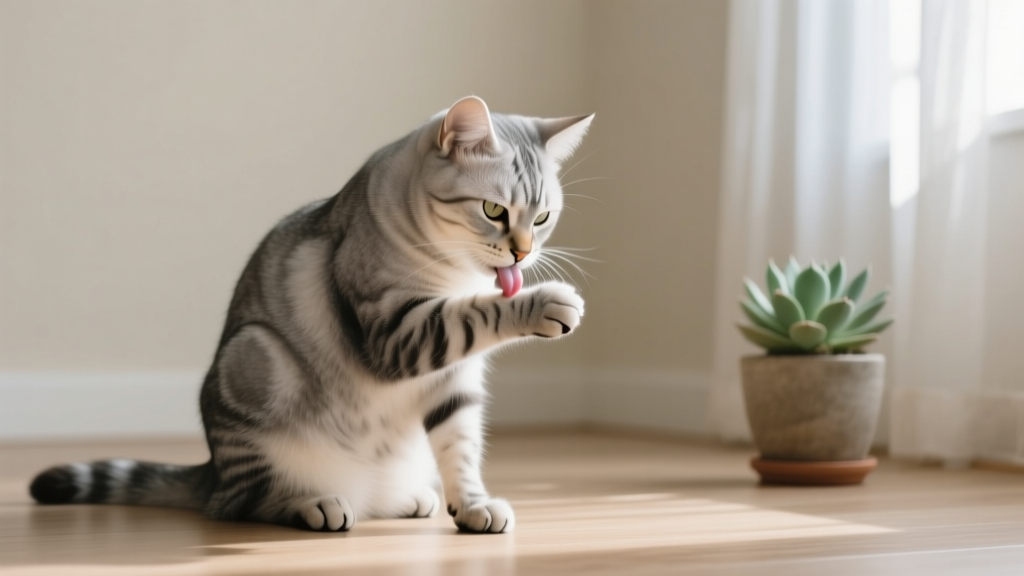
If you've ever watched your cat lick the same patch of fur raw, chew at scabs until they bleed, or obsessively groom after a minor stressor—like a new pet or a move—you're not alone. How to discourage cat behavior for grooming is a top-searched phrase among cat guardians because this isn’t just 'normal cleaning'—it’s often the first visible sign of underlying distress, pain, or medical compromise. Left unaddressed, compulsive grooming can lead to alopecia, skin infections, ulceration, and even systemic illness. Yet most owners default to outdated tactics—spraying water, yelling, or applying bitter apple spray—methods that increase fear, erode trust, and frequently worsen the behavior. In this guide, we go beyond quick fixes to unpack the *why* behind the licking—and give you seven evidence-informed, veterinarian-vetted strategies that work with your cat’s instincts, not against them.
Step 1: Rule Out Medical Causes Before Assuming It’s ‘Just Behavior’
Here’s the hard truth no one tells you: up to 60% of cats exhibiting excessive grooming have an undiagnosed medical condition driving it. According to Dr. Sarah Wooten, DVM, CVJ, a certified veterinary journalist and clinical advisor for the American Animal Hospital Association, 'Overgrooming is often the feline equivalent of limping—it’s a symptom, not the disease.' Common culprits include flea allergy dermatitis, food sensitivities, urinary tract discomfort (causing licking of the genital area), dental pain (leading to face/ear licking), hyperthyroidism, and even early-stage osteoarthritis (cats lick painful joints). A 2022 study in the Journal of Feline Medicine and Surgery found that 58% of cats referred for psychogenic alopecia were later diagnosed with concurrent allergic or orthopedic disease.
Before implementing any behavioral strategy, schedule a full wellness exam—including skin scrapings, fungal cultures, bloodwork (T4, CBC, chemistry panel), and ideally, a brief video of the grooming episode (note timing, location, duration, and triggers). If your vet clears medical causes—or if grooming persists post-treatment—that’s when true behavior modification begins.
Step 2: Identify & Reduce Environmental Triggers (Not Just the Licking)
Cats don’t overgroom for fun—they do it to cope. What looks like 'bad habit' is often a self-soothing ritual triggered by chronic low-grade stress. Unlike dogs, cats rarely show overt anxiety (panting, pacing); instead, they internalize it through displacement behaviors like overgrooming. A landmark 2021 University of Lincoln study tracked 127 indoor cats using GPS collars and owner diaries, finding that cats exposed to >3 unpredictable daily stressors (e.g., sudden vacuum noises, inconsistent feeding times, visitor traffic, or conflict with other pets) were 3.2x more likely to develop patterned overgrooming.
Start a 'Stress Log' for 7 days: note each grooming episode with time, location, duration, and what happened within 30 minutes before (e.g., '10:15 a.m., flank licking for 4 min after neighbor’s dog barked'). Look for patterns. Common hidden triggers include:
- Micro-conflicts: Silent tension between multi-cat households—even subtle resource guarding (e.g., one cat hovering near the litter box while another uses it).
- Sensory overload: Constant TV noise, LED light flicker, or ultrasonic appliance hums (inaudible to humans but irritating to cats).
- Loss of control: Lack of vertical space, inability to escape interactions, or enforced handling (e.g., forced cuddling).
Once identified, reduce triggers with precision—not blanket changes. Example: If grooming spikes after doorbell rings, install a silent doorbell chime and provide a designated 'safe zone' (a covered cat bed in a quiet closet) with Feliway diffuser nearby.
Step 3: Redirect With Enrichment—Not Distraction
Many guides suggest 'distracting' your cat mid-groom with toys—but that’s counterproductive. True redirection requires satisfying the *underlying need*: oral fixation, tactile stimulation, or mental engagement. As certified cat behaviorist Mikel Delgado, PhD, explains: 'You’re not stopping licking—you’re replacing it with something biologically fulfilling.'
Try these species-appropriate alternatives, matched to your cat’s grooming profile:
- For oral-focused overgroomers (licking lips, chewing fur): Offer frozen tuna water cubes, cat-safe dental chews (like Greenies Feline Dental Treats), or a slow-feeder puzzle ball filled with moist food.
- For tactile/self-soothing groomers (gentle, rhythmic licking): Introduce textured surfaces—burlap scratching pads, sisal rope tunnels, or a vibrating massage pad set on low.
- For anxious, high-arousal groomers (frantic licking after stimuli): Implement 'target training' using a wand toy to cue nose-touches—building confidence through choice and predictability.
Crucially: never interrupt grooming physically (grabbing paws, covering mouth) or verbally (shouting 'No!'). This signals danger and reinforces anxiety. Instead, wait for a natural pause—then offer the alternative *before* the next bout starts. Consistency matters more than frequency: 3x/day for 90 seconds beats 1x/week for 10 minutes.
Step 4: Build Resilience With Predictable Routines & Safe Zones
Cats thrive on predictability—not because they’re rigid, but because uncertainty demands constant vigilance, draining their emotional reserves. A 2023 Cornell Feline Health Center survey revealed that cats with fixed daily schedules (feeding, play, quiet time) showed 42% less displacement grooming than those with variable routines—even when living in identical homes.
Create a 'Resilience Routine' anchored to your cat’s natural chronobiology (they’re crepuscular—most active at dawn/dusk):
- Dawn (5–7 a.m.): 10-min interactive play session (feather wand, laser pointer + treat reward) to mimic hunting sequence.
- Midday (12–1 p.m.): Quiet 'rest window'—dim lights, white noise, and access to elevated perches away from foot traffic.
- Dusk (5–6 p.m.): Second play session + meal—tapping into peak activity and reinforcing security.
- Night: Provide a warm, enclosed sleeping spot (e.g., heated cave bed) with pheromone-infused fabric.
Pair this with at least three 'safe zones'—areas your cat can retreat to without human or pet interruption. Each should include: a hiding spot (covered bed), elevated vantage point (shelf or cat tree), and scent security (a worn t-shirt with your smell). These zones reduce cortisol spikes by up to 37%, per a 2020 UC Davis behavioral trial.
| Strategy | What to Do | Why It Works | Time to See Change |
|---|---|---|---|
| Environmental Audit | Record grooming episodes + preceding 30 mins; map stressors using a 7-day log | Identifies root triggers—not symptoms—so interventions target cause, not behavior | Immediate insight; behavioral shifts in 7–14 days |
| Enrichment Matching | Select oral/tactile/cognitive alternatives based on grooming style (see Step 3) | Replaces displaced behavior with biologically appropriate outlet—reducing need for self-soothing | Noticeable reduction in 3–5 days; sustained change by Day 10 |
| Resilience Routine | Anchor feeding, play, and rest to dawn/dusk peaks; add 3+ safe zones | Lowers baseline stress hormones, increasing emotional bandwidth for coping | Improved calmness in 5–7 days; reduced grooming by Day 12–18 |
| Veterinary Collaboration | Share video + log with vet; request full dermatology + pain assessment | Rules out pain/allergy drivers—critical since 60% of cases have medical origins | Diagnosis within 1 visit; treatment effects visible in 2–4 weeks |
Frequently Asked Questions
My cat only grooms one spot—could it be pain?
Absolutely—and it’s the most common red flag. Focused licking (especially on flanks, belly, or base of tail) often indicates localized pain: arthritis in the spine, bladder discomfort, or abdominal inflammation. Don’t assume it’s 'just stress.' Film the behavior and bring the clip to your vet. A gentle palpation test or diagnostic ultrasound may reveal what’s invisible to the eye.
Is it okay to use bitter apple spray or citrus sprays to stop licking?
No—and here’s why: these aversive methods damage your cat’s trust, increase anxiety, and often displace the behavior elsewhere (e.g., shifting from licking to biting or vocalizing). The ASPCA and International Society of Feline Medicine explicitly advise against punishment-based deterrents. Instead, use positive reinforcement: reward calm, non-grooming moments with treats or chin scratches.
Will getting another cat help reduce my cat’s overgrooming?
Rarely—and often makes it worse. Adding social pressure without proper introduction protocols increases stress exponentially. Multi-cat households actually show higher rates of psychogenic alopecia unless cats have strong, stable bonds and abundant resources (litter boxes = n+1, separate feeding stations, vertical territory). Focus on enriching your current cat’s world first.
Can diet changes really affect grooming behavior?
Yes—indirectly but significantly. Food allergies (especially to beef, dairy, or fish) cause intense itching, triggering secondary overgrooming. A 2021 study in Veterinary Dermatology found that 22% of cats with chronic facial pruritus responded fully to a strict 8-week hydrolyzed protein diet trial. Work with your vet on an elimination diet—not over-the-counter 'sensitive skin' foods—to rule this out.
Common Myths
Myth #1: “Cats overgroom because they’re bored.” While under-stimulation contributes, boredom is rarely the primary driver. Most overgroomers are highly sensitive cats experiencing chronic low-grade stress—not cats lacking toys. Addressing emotional safety (not adding more toys) yields better results.
Myth #2: “If I ignore it, they’ll grow out of it.” Compulsive grooming is a progressive behavior. Without intervention, neural pathways strengthen—making it harder to break over time. Early support prevents escalation to hair loss, infection, or self-mutilation.
Related Topics
- Cat Anxiety Signs — suggested anchor text: "subtle signs your cat is stressed"
- Feline Psychogenic Alopecia — suggested anchor text: "what causes bald patches in cats"
- Best Calming Supplements for Cats — suggested anchor text: "vet-approved calming aids for anxious cats"
- Multi-Cat Household Stress Solutions — suggested anchor text: "how to reduce tension between cats"
- Cat-Friendly Home Design — suggested anchor text: "creating safe spaces for sensitive cats"
Your Next Step Starts Today—Gently
You now know that how to discourage cat behavior for grooming isn’t about stopping a habit—it’s about listening to your cat’s unspoken language of stress, pain, or insecurity. The most effective approach combines medical diligence, environmental empathy, and species-specific enrichment. Don’t wait for bald patches or open sores to act. Start tonight: grab your phone, film one grooming episode, and jot down what happened 30 minutes before. Then, choose *one* strategy from this guide—whether it’s auditing your home’s stress hotspots or setting up a single safe zone—and commit to it for 7 days. Small, consistent steps build profound change. And if you’re unsure where to begin? Book a consult with a board-certified veterinary behaviorist (find one via dacvb.org)—not as a last resort, but as the gold standard in compassionate, evidence-led care.