How to Discourage Behavior in Cats the Right Way
Why 'How to Discourage Behavior in Cats' Is One of the Most Misunderstood Questions in Cat Care
If you've ever searched how to discourage behavior in cats, you've likely encountered conflicting advice—some urging stern correction, others promising instant fixes with sprays or gadgets. But here’s the truth: cats don’t misbehave out of spite or defiance—they communicate unmet needs through behavior. When your cat scratches the couch, wakes you at 3 a.m., or eliminates outside the litter box, it’s rarely about disobedience—it’s about stress, confusion, or biology. And punishing those signals doesn’t fix the root cause; it often deepens anxiety, damages trust, and can even trigger redirected aggression or urinary issues. In fact, the American College of Veterinary Behaviorists reports that over 68% of cats referred for ‘problem behaviors’ show significant improvement within 4–6 weeks—not with punishment—but with targeted environmental enrichment and consistent, reward-based intervention.
1. Understand the ‘Why’ Before You Try to Change the ‘What’
Before reaching for a spray bottle or scolding, pause and ask: What is my cat trying to tell me? Feline behavior is rarely random. Scratching isn’t vandalism—it’s scent-marking, muscle stretching, and claw maintenance. Nighttime zoomies? A natural crepuscular rhythm amplified by daytime napping. Urinating on your laundry? Often a sign of litter box aversion, medical discomfort (like cystitis), or social stress from multi-cat households.
Dr. Sarah H. Heath, a European Board-Certified Veterinary Behaviourist, emphasizes: “Every behavior has function. If you suppress the symptom without addressing the driver, you’ll either get a new problem—or worse, a silent one like chronic stress-induced cystitis.”
Start with a full health check. Rule out pain (arthritis, dental disease, UTIs) and hormonal imbalances—especially in senior cats or those with sudden behavior shifts. Then, map the ABCs: Antecedent (what happens right before), Behavior (the action itself), and Consequence (what happens right after—including your reaction). Keep a 3-day log. You might discover your cat only bites during petting because she’s signaling overstimulation—not aggression.
2. Redirect, Don’t Repress: The Power of Positive Alternatives
Punishment—yelling, clapping, squirt bottles—doesn’t teach cats what to do instead. It teaches them to fear *you* or hide the behavior. Instead, use redirection: offer an equally rewarding, species-appropriate alternative and reinforce its use.
- For scratching furniture: Place sturdy, upright sisal posts near favorite spots (not hidden in corners), rub with catnip, and reward with treats *while* she uses it—even for 2 seconds. Gradually move the post 6 inches per week toward your ideal location.
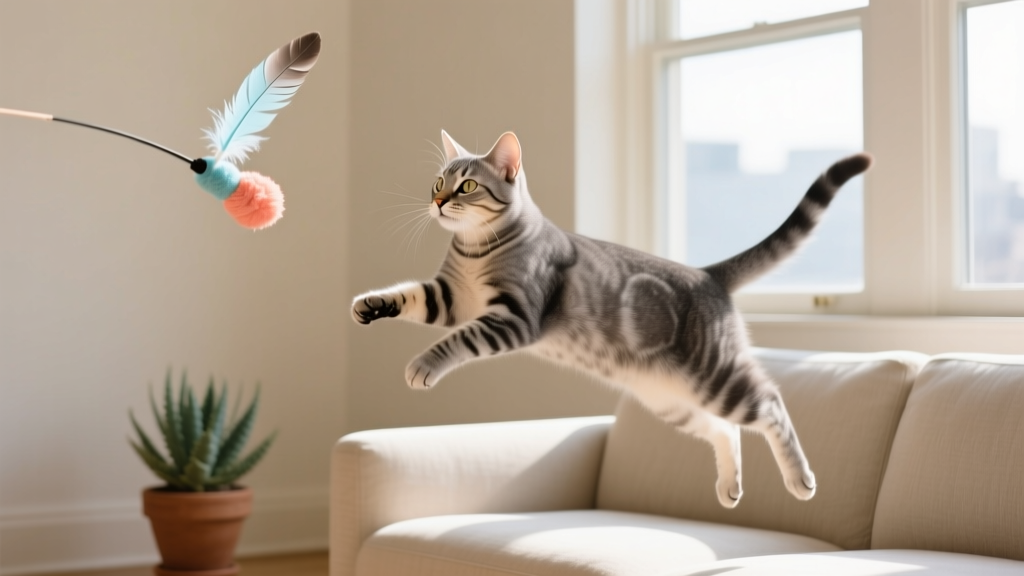
- For nighttime activity: Shift play sessions to 30 minutes before bedtime using wand toys that mimic prey movement. Follow with a high-protein snack (e.g., freeze-dried chicken) to trigger post-hunt drowsiness. This mimics natural hunting–eating–sleep cycles.
- For attention-seeking meowing: Never respond mid-yowl. Wait for silence—even half a second—and immediately reward with eye contact + treat. Over time, increase the silence duration required before reinforcement.
This method works because it leverages operant conditioning: cats repeat behaviors that yield desirable outcomes. A landmark 2022 study in Applied Animal Behaviour Science found cats trained with positive redirection showed 92% sustained reduction in unwanted scratching after 8 weeks—versus just 37% in punishment-only groups.
3. Engineer the Environment—Not Just the Cat
Cats are masters of environmental control. When their world feels unpredictable or resource-poor, they compensate with behavior we label ‘problematic.’ Environmental modification isn’t luxury—it’s foundational care.
Consider these evidence-based adjustments:
- Litter box logistics: The gold standard is N+1 boxes (e.g., 3 boxes for 2 cats), placed on different floors, away from noisy appliances, with unscented, clumping litter at least 3 inches deep. A 2023 Cornell Feline Health Center survey found 81% of inappropriate elimination cases resolved after optimizing box placement and substrate—no medication or training needed.
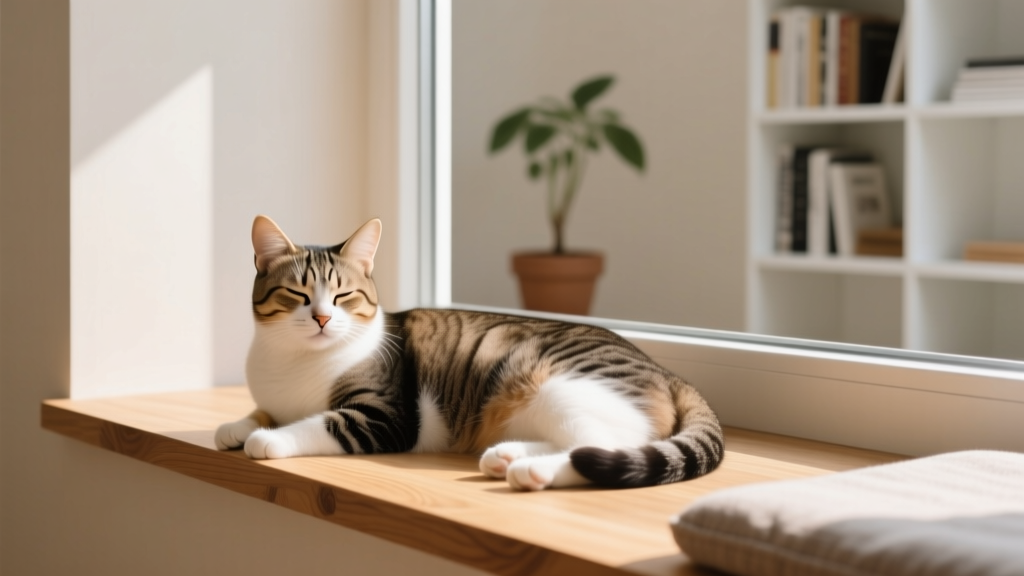
- Vertical territory: Install wall-mounted shelves, window perches, or cat trees at varying heights. Vertical space reduces tension in multi-cat homes and satisfies natural vantage-point instincts. Dr. Mikel Delgado, certified cat behavior consultant, notes: “Cats don’t need more toys—they need more territory. A single 3-foot shelf can reduce inter-cat aggression by up to 50%.”
- Scent safety: Avoid citrus- or menthol-based deterrents—they irritate feline respiratory tracts. Instead, use synthetic feline facial pheromones (Feliway Optimum diffusers) in high-stress zones. Peer-reviewed trials show a 42% average reduction in stress-related marking when used consistently for 4+ weeks.
4. When to Seek Professional Help—and What to Look For
Some behaviors signal deeper issues requiring expert support: persistent urine marking (especially on vertical surfaces), sudden aggression toward people or other pets, compulsive grooming leading to bald patches, or vocalization changes in seniors. These aren’t ‘bad habits’—they’re red flags.
Seek help if:
- The behavior started abruptly after age 10 (rule out hyperthyroidism or cognitive decline)
- It occurs alongside weight loss, appetite change, or lethargy
- Your cat hides more, avoids interaction, or shows flattened ears/tucked tail consistently
- You’ve tried consistent, humane strategies for 6+ weeks with no improvement
Look for a board-certified veterinary behaviorist (DACVB.org directory) or a IAABC-certified cat behavior consultant. Avoid trainers who use prong collars, e-collars, or ‘alpha rolls’—these are not only ineffective for cats but actively harmful. As Dr. Katherine Houpt, former DACVB president, states: “Cats don’t submit. They withdraw. Punishment breaks bonds faster than any other species.”
| Step | Action | Tools/Supplies Needed | Expected Outcome Timeline |
|---|---|---|---|
| 1. Medical Screening | Schedule vet visit with full physical exam + urinalysis & bloodwork (T4, kidney panel) | Vet appointment, basic lab panel ($120–$280) | Within 1–3 days (diagnostic clarity) |
| 2. ABC Behavior Log | Record antecedent-behavior-consequence for 3 days (use free app like CatLog or notebook) | Notebook or printable log sheet (free download at felinebehaviors.org/log) | Pattern recognition in 48–72 hours |
| 3. Environmental Audit | Map litter boxes, food/water stations, resting spots, and escape routes. Identify bottlenecks or conflict zones. | Pen, floor plan sketch, measuring tape | Immediate adjustments possible; full optimization in 3–5 days |
| 4. Redirection Protocol | Introduce alternative behavior + reward within 1 second of desired action. Repeat 5x/day for 10 days minimum. | High-value treats (tuna flakes, chicken bits), target stick or wand toy | First signs of consistency in 5–7 days; strong habit formation by Day 21 |
| 5. Pheromone Support | Install Feliway Optimum diffuser in main living area + one in bedroom if night waking is issue | Feliway Optimum diffuser + refills ($65–$95 total) | Measurable calmness in 7–14 days; peak effect at 4 weeks |
Frequently Asked Questions
Can I use a spray bottle to discourage bad behavior in cats?
No—and here’s why: Spray bottles startle cats but don’t teach alternatives. Worse, cats quickly associate the spray with *you*, not the behavior. A 2021 study in Journal of Veterinary Behavior found cats exposed to spray bottles showed increased avoidance of owners and elevated cortisol levels—even when the bottle wasn’t present. Redirect instead: catch your cat mid-scratch on the sofa, gently lift her to a nearby post, and reward 3 seconds of use. Consistency beats correction every time.
My cat bites when I pet her—is this aggression or overstimulation?
Most often, it’s overstimulation—a neurological threshold response, not aggression. Watch for early cues: tail flicking, skin rippling, flattened ears, or dilated pupils. Stop petting *before* biting occurs—not after. Use short, gentle strokes on the head/cheeks only (most cats prefer this). Track tolerance: start with 5-second sessions, reward calm disengagement, and gradually extend as she builds stamina. If biting is sudden, painful, or directed at strangers, consult a vet to rule out pain or anxiety disorders.
Will neutering/spaying stop spraying or fighting?
Neutering reduces hormone-driven spraying in ~85% of male cats if done before sexual maturity (under 6 months). But if spraying starts after age 1, it’s likely stress-related—not hormonal—and won’t resolve with surgery alone. Likewise, spaying females prevents heat-cycle yowling but won’t stop inter-cat aggression rooted in resource competition. Always pair surgery with environmental management and behavior support—not as a standalone fix.
Are ultrasonic deterrents or citrus sprays safe and effective?
Ultrasonic devices lack peer-reviewed efficacy and may cause chronic low-grade stress in sensitive cats. Citrus sprays (orange, lemon) irritate nasal passages and can trigger asthma in predisposed cats. Neither addresses motivation. Safer, proven alternatives include double-sided tape on furniture corners (tactile aversion), aluminum foil (sound + texture), or motion-activated air canisters (Ssscat) used *only* on off-limits surfaces—not near litter boxes or beds. Even then, pair with positive alternatives—never rely on aversion alone.
How long does it take to see results when discouraging behavior in cats?
With consistent, science-based methods, expect noticeable shifts in 7–14 days for simple behaviors (e.g., scratching redirection). Complex issues—like multi-cat tension or anxiety-based elimination—typically require 4–8 weeks of environmental tuning + behavior work. Patience isn’t passive waiting; it’s daily observation, small adjustments, and celebrating micro-wins (e.g., “She used the new perch today!”). Rushing leads to frustration—and often, regression.
Common Myths About Discouraging Behavior in Cats
Myth #1: “Cats can’t be trained—they’re too independent.”
False. Cats learn constantly through operant and classical conditioning—they simply respond best to high-value, immediate rewards (not praise or clickers alone). Shelter programs using clicker + treat training have taught cats to enter carriers voluntarily, tolerate nail trims, and even give paws on cue.
Myth #2: “If I ignore bad behavior, it will go away on its own.”
Ignoring *reinforced* behavior (e.g., meowing for food) can work—but ignoring biologically driven or stress-based behavior (e.g., spraying due to new baby) lets underlying distress worsen. Unaddressed stress increases risk of idiopathic cystitis, overgrooming, and depression-like withdrawal.
Related Topics (Internal Link Suggestions)
- Understanding Cat Body Language — suggested anchor text: "read your cat's body language"
- Best Litter Boxes for Multi-Cat Households — suggested anchor text: "litter box solutions for multiple cats"
- How to Introduce a New Cat Without Conflict — suggested anchor text: "stress-free cat introductions"
- Signs of Pain in Cats (Often Missed) — suggested anchor text: "hidden signs your cat is in pain"
- Enrichment Ideas for Indoor Cats — suggested anchor text: "indoor cat enrichment activities"
Conclusion & Your Next Step
Learning how to discourage behavior in cats isn’t about control—it’s about compassionate communication. Every scratch, bite, or yowl is data, not defiance. By shifting from punishment to partnership—using veterinary insight, environmental wisdom, and reward-based learning—you don’t just stop unwanted actions; you deepen trust, reduce chronic stress, and invite your cat to thrive in your shared home. So grab a notebook tonight and start your ABC log. Pick *one* behavior to focus on—not all at once. Small, steady steps build lasting change. And if you’re feeling overwhelmed? Bookmark this page, share it with your vet, and remember: the most powerful tool you own isn’t a spray bottle—it’s your patience, your curiosity, and your willingness to listen.