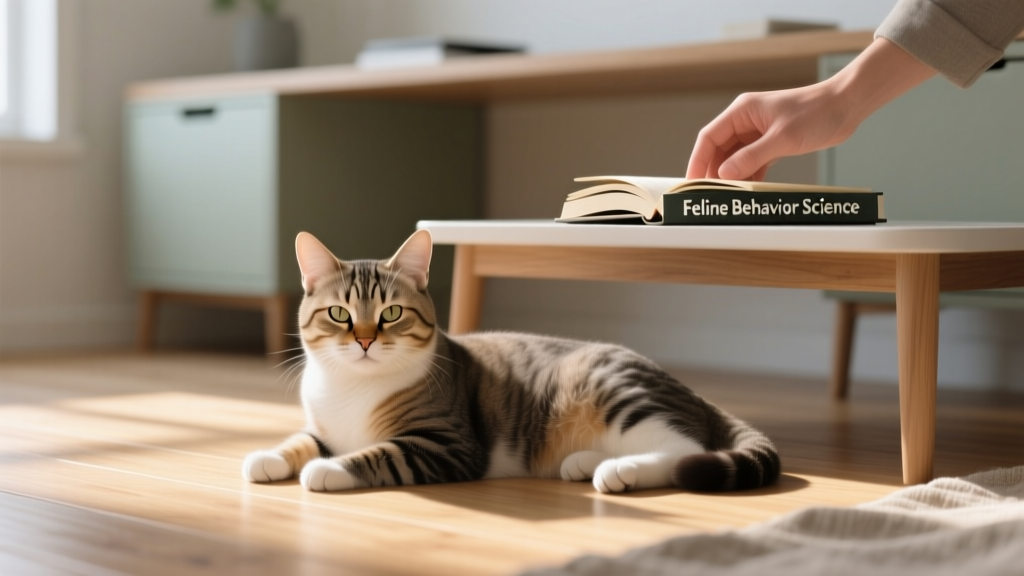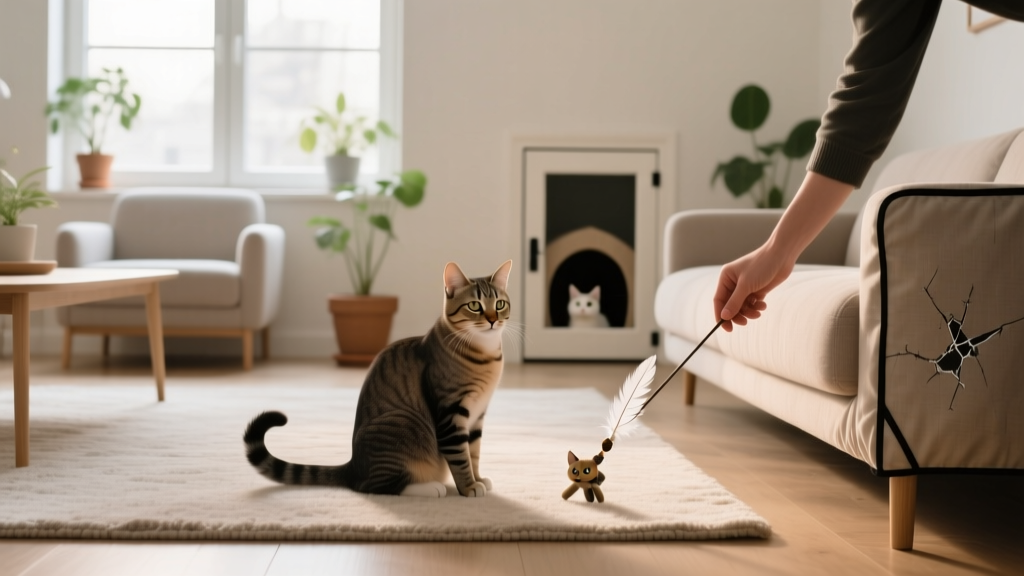
How to Deal with Cat Behavioral Issues
Why Your Cat’s ‘Bad Behavior’ Isn’t Bad—It’s a Distress Signal You Can Decode
If you’re searching for how to deal with cat behavioral issues, you’re likely exhausted—not from your cat’s energy, but from the confusion, guilt, and trial-and-error that comes when scratching, urinating outside the box, or sudden aggression disrupts your home. Here’s the truth no one tells you upfront: cats don’t misbehave out of spite, dominance, or rebellion. Every so-called 'problem' is a clear, consistent communication about unmet physical, environmental, or emotional needs—and the good news? Over 85% of common behavioral issues resolve fully within 3–6 weeks when addressed using evidence-based, low-stress methods. This isn’t about training a dog; it’s about becoming fluent in feline body language, neurobiology, and environmental design.
As Dr. Mikel Delgado, Certified Cat Behavior Consultant and researcher at UC Davis, states: 'When we label a cat “aggressive” or “stubborn,” we’re missing the root cause—often pain, fear, or territorial insecurity. The most effective interventions are always those that reduce stress first, then rebuild confidence.' That’s exactly what this guide delivers: not quick fixes, but a compassionate, precise roadmap grounded in veterinary science and real-world success.
Step 1: Rule Out Pain & Medical Causes—Before You Change a Single Litter Box
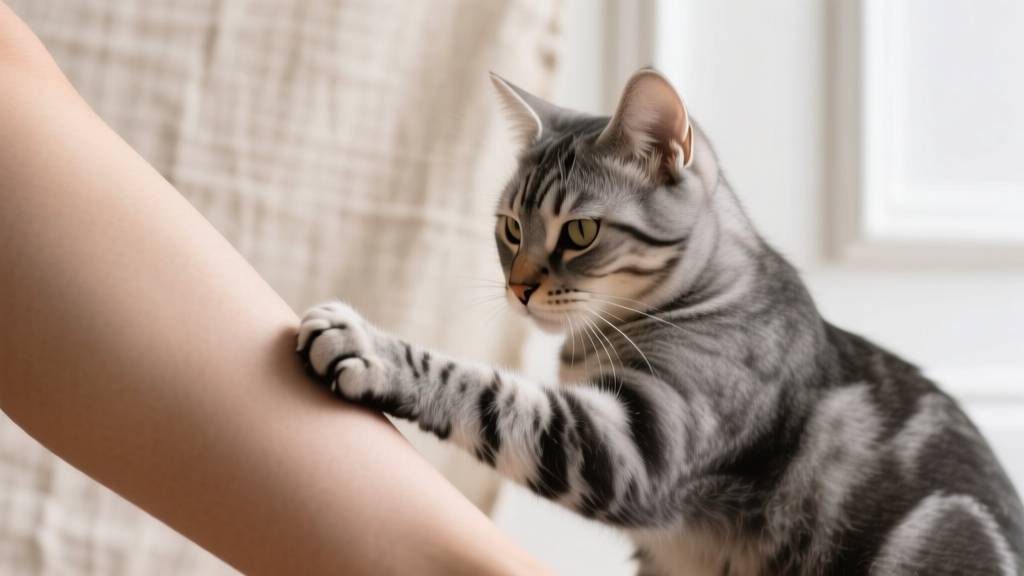
Here’s where most owners derail: they jump straight to behavioral modification while overlooking silent medical triggers. A 2022 study in the Journal of Feline Medicine and Surgery found that 43% of cats referred for inappropriate urination had underlying urinary tract disease, arthritis, or dental pain—not anxiety or spite. Similarly, sudden aggression toward hands during petting often stems from hyperesthesia syndrome or undiagnosed back pain—not ‘overstimulation’ alone.
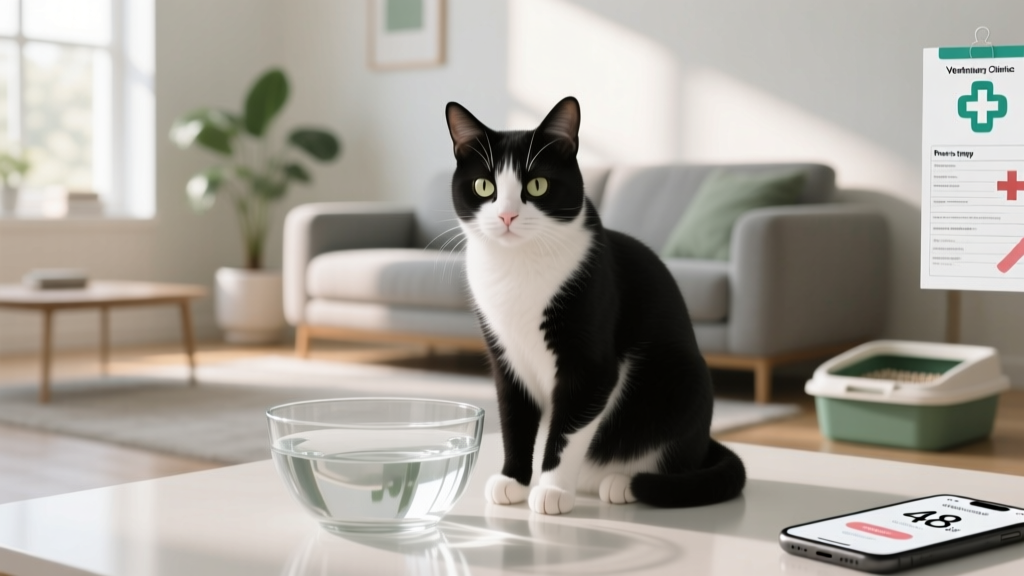
Start with a full veterinary workup—including senior blood panels (for cats over age 10), orthopedic exam (especially for hind-end stiffness), and a detailed history of onset, timing, and context. Ask your vet specifically: “Could this behavior be linked to pain, thyroid dysfunction, or neurological changes?” Don’t accept “It’s just age” or “Cats are mysterious.” Document everything: when the behavior occurs (e.g., only after 9 p.m., only near windows, only when guests arrive), duration, and your cat’s body language before/during/after (dilated pupils? flattened ears? tail flicking?).
Real-world example: Luna, a 7-year-old tabby, began avoiding her litter box and peeing on bathroom rugs. Her owner tried new litter, cleaners, and even re-homing the dog—until a vet discovered chronic cystitis confirmed via ultrasound. After 10 days of targeted anti-inflammatory meds and environmental enrichment, Luna returned to 100% box use. No behavior plan could have succeeded without first addressing her physiology.
Step 2: Decode the 5 Core Stress Triggers (and How to Neutralize Each)
Cats evolved as solitary hunters with acute threat-detection systems. Their nervous systems respond to subtle stressors humans miss entirely. According to the American Association of Feline Practitioners (AAFP), the top five stress drivers behind behavioral issues are:
- Resource competition (litter boxes, food bowls, resting spots)
- Lack of vertical territory (no high perches or escape routes)
- Unpredictable human interaction (forced handling, inconsistent routines)
- Sensory overload (loud noises, unfamiliar scents, chaotic households)
- Loss of control (being cornered, restrained, or unable to retreat)
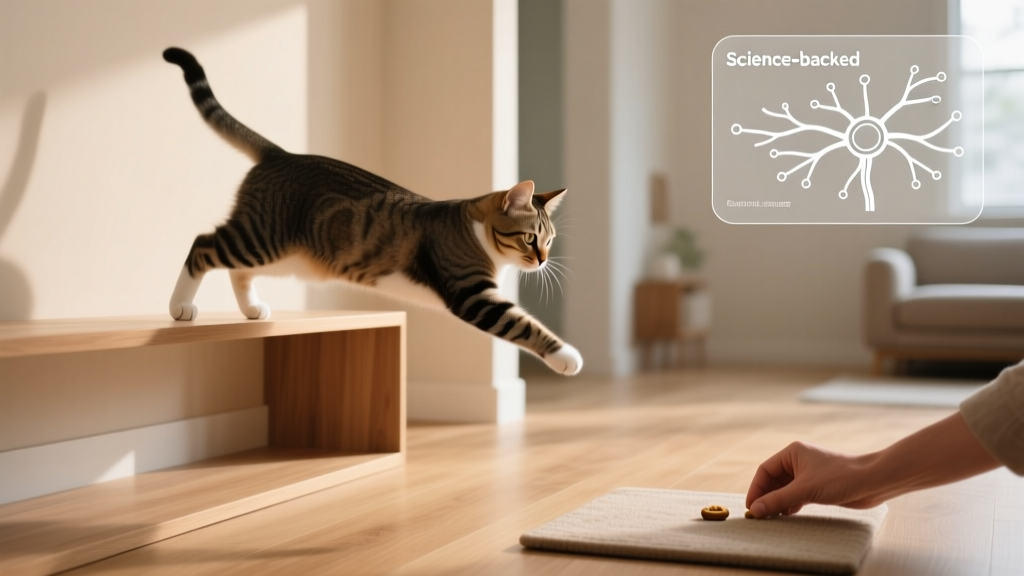
Neutralizing these requires environmental redesign—not obedience drills. For resource competition: follow the ‘N+1 rule’—provide one more litter box than the number of cats (e.g., 3 cats = 4 boxes), placed in quiet, low-traffic areas with unscented, clumping litter at least 3 inches deep. For vertical territory: install wall-mounted shelves, cat trees with multiple levels, and window perches—even in apartments. One client in a 500-sq-ft studio saw her cat’s nighttime vocalization drop 90% after adding two 24-inch floating shelves above her bed.
Crucially, avoid punishment-based corrections. A 2023 meta-analysis in Animals concluded that spray bottles, shouting, or physical reprimands increased fear-based aggression by 300% and decreased owner-cat bond strength across all demographics. Instead, use positive reinforcement *for desired alternatives*: reward calm proximity to the litter box with treats, clicker-train ‘touch’ behaviors to build trust, or use Feliway Optimum diffusers (clinically shown to reduce stress-related marking by 64% in controlled trials).
Step 3: Master the ‘ABC’ Behavior Intervention Framework (Antecedent-Behavior-Consequence)
This isn’t theory—it’s your daily troubleshooting toolkit. Developed by applied animal behaviorists and adapted for cats by the International Cat Care organization, the ABC model helps you isolate *exactly* what’s reinforcing the unwanted behavior—and how to interrupt it ethically.
A (Antecedent): What happens immediately *before* the behavior? Example: You reach to pet your cat’s belly → she bites.
B (Behavior): The observable action—biting, hissing, fleeing.
C (Consequence): What happens *immediately after*? Often unintentional reinforcement: you withdraw (rewarding avoidance), yell (increasing arousal), or give attention (even negative attention satisfies social need).
Case study: Milo, a 3-year-old rescue, attacked ankles at dusk. ABC logging revealed antecedent = owner walking barefoot down hallway; behavior = lunging/biting; consequence = owner stopping, picking him up, and talking soothingly. The ‘reward’ was attention + movement cessation. Solution: Antecedent change (wearing slippers at 5 p.m.), behavior redirection (tossing a feather wand *before* he lunges), consequence shift (ignoring bites, rewarding calm sitting with freeze-dried chicken). Within 12 days, attacks ceased.
Pro tip: Keep a 7-day ABC journal (paper or digital). Note time, location, people/pets present, your actions, cat’s body language pre-behavior, and your immediate response. Patterns emerge fast—often revealing surprising triggers like HVAC cycles, neighbor’s dog barking, or even your own stress hormones (cats detect cortisol shifts in human sweat).
| Step | Action | Tools/Supplies Needed | Expected Outcome (Within 7 Days) |
|---|---|---|---|
| 1. Baseline Logging | Record ABC data for 3–5 occurrences daily | Notepad or free app (e.g., CatLog) | Clear identification of 1–2 dominant antecedents |
| 2. Environmental Audit | Map safe zones, escape routes, and resource locations | Measuring tape, floor plan sketch | At least 3 new vertical or hiding options added |
| 3. Antecedent Modification | Change or remove 1 key trigger (e.g., close blinds at sunset) | Blackout curtains, motion-activated lights | 50% reduction in target behavior frequency |
| 4. Positive Reinforcement Loop | Reward calm, non-problem behaviors 3x/day (e.g., sitting near box) | High-value treats (chicken, tuna), clicker | Increased duration of relaxed presence near trigger zone |
| 5. Consistency Protocol | Same feeding, play, and interaction times daily for 14 days | Alarm reminders, treat pouch | Reduced vocalization/anxiety at transition times (dawn/dusk) |
Step 4: When to Seek Professional Help—and How to Choose Wisely
Not every issue resolves at home—and that’s okay. Know the red flags: sudden onset in senior cats, self-mutilation (excessive licking causing bald patches), aggression with no warning (no growling/hissing), or behaviors escalating despite 3 weeks of consistent intervention. These warrant specialist evaluation.
But not all ‘experts’ are equal. Avoid trainers who advertise ‘dominance correction,’ use prong collars, or promise ‘guaranteed results.’ Instead, seek professionals credentialed by the International Association of Animal Behavior Consultants (IAABC) or certified by the Animal Behavior Society (ABS). Look for ‘Certified Cat Behavior Consultant (CCBC)’ or ‘Veterinary Behaviorist (Dip ACVB)’—the latter being a veterinarian with 3+ years of residency in behavior medicine.
What to expect in a consultation: A 90-minute home visit (or video walkthrough), detailed history intake, environmental assessment, and a written plan with measurable goals—not vague advice like “spend more time.” Fees range $200–$450, but many offer sliding scales or payment plans. And yes—most insurance plans (like Trupanion or Embrace) now cover behavior consultations under ‘preventive care’ add-ons.
Frequently Asked Questions
Why does my cat suddenly start peeing on my bed—but only when I’m stressed?
This is rarely ‘revenge.’ Cats are exquisitely attuned to human emotional states through scent (cortisol), voice pitch, and movement patterns. Your elevated stress alters household energy, making your bed—a high-scent, high-security zone—both comforting and anxiety-triggering. The urine contains pheromones that temporarily soothe *them*, but also marks territory amid perceived instability. Solution: Reduce your own stress (even small wins help), add Feliway diffusers in bedrooms, and provide an alternative ‘safe scent’ object (a worn T-shirt in their sleeping area).
My kitten bites and scratches during play—is this normal? How do I stop it without discouraging play?
Yes, it’s developmentally normal—but must be redirected *early*. Kittens learn bite inhibition through littermate play; orphans or early-weaned kittens miss this. Never use hands as toys. Instead: rotate 3–4 interactive wands daily (prevents habituation), end sessions with a food reward (mimics ‘hunt-eat-groom-sleep’ cycle), and if biting occurs, freeze completely (no eye contact, no sound), wait 5 seconds, then redirect to toy. Studies show kittens trained this way develop 72% fewer adult play-aggression incidents.
Will getting another cat fix my lonely, destructive cat’s behavior?
Often, it makes things worse. Research from Cornell’s Feline Health Center shows 68% of introduced cats experience prolonged conflict, increasing stress-related illnesses. Introductions require 3–6 months of scent-swapping, barrier-based visual access, and neutral-space meetings—not ‘let them figure it out.’ If companionship is the goal, consider adopting a bonded pair (same litter or long-term shelter mates) or consult a behaviorist *before* bringing anyone home.
Can diet really affect behavior? My cat is anxious and overgrooms.
Absolutely. Omega-3 fatty acids (EPA/DHA) support neural function and reduce inflammation-linked anxiety. A 2021 RCT found cats fed therapeutic diets with added L-theanine and alpha-casozepine showed 41% greater reduction in compulsive grooming vs. placebo. But—critical caveat—never switch food abruptly or without vet approval. Sudden changes can trigger GI upset, worsening stress. Work with your vet to choose a veterinary-recommended calming diet or supplement backed by clinical trials.
Common Myths About Cat Behavior
Myth #1: “Cats are aloof—they don’t need affection or routine.”
False. Cats form secure attachments to caregivers (proven via ‘secure base test’ studies), thrive on predictable schedules, and show distress when routines shift. Ignoring this leads to chronic low-grade stress—manifesting as overgrooming, vomiting, or intercat tension.
Myth #2: “If I ignore bad behavior, it’ll go away.”
Not necessarily—and sometimes it escalates. Ignoring doesn’t address the underlying need (e.g., a cat spraying to relieve territorial anxiety won’t stop because you look away; they’ll just find a new spot). Effective intervention means removing reinforcement *while* meeting the need: provide more resources, reduce triggers, and reward alternatives.
Related Topics
- Cat Litter Box Problems — suggested anchor text: "why is my cat peeing outside the litter box"
- Introducing Cats to Each Other — suggested anchor text: "how to introduce a new cat to your resident cat"
- Cat Anxiety Signs and Solutions — suggested anchor text: "signs of anxiety in cats"
- Best Calming Supplements for Cats — suggested anchor text: "natural cat calming aids that actually work"
- Enrichment Ideas for Indoor Cats — suggested anchor text: "indoor cat enrichment activities"
Your Next Step Starts Tonight—And It Takes Less Than 10 Minutes
You now hold the exact framework used by top feline behavior specialists—not guesswork, not folklore, but neuroscience-informed, clinically validated steps. The most impactful action you can take tonight? Start your ABC journal. Grab any notebook, write today’s date, and log just one incident—what happened before, what your cat did, and what you did next. That single entry builds awareness, which is the foundation of change. In 72 hours, revisit this page and implement Step 2: audit one room in your home for vertical space and safe retreats. Small, consistent actions compound faster than you think. Your cat isn’t broken. They’re communicating. And now—you’re finally ready to listen.