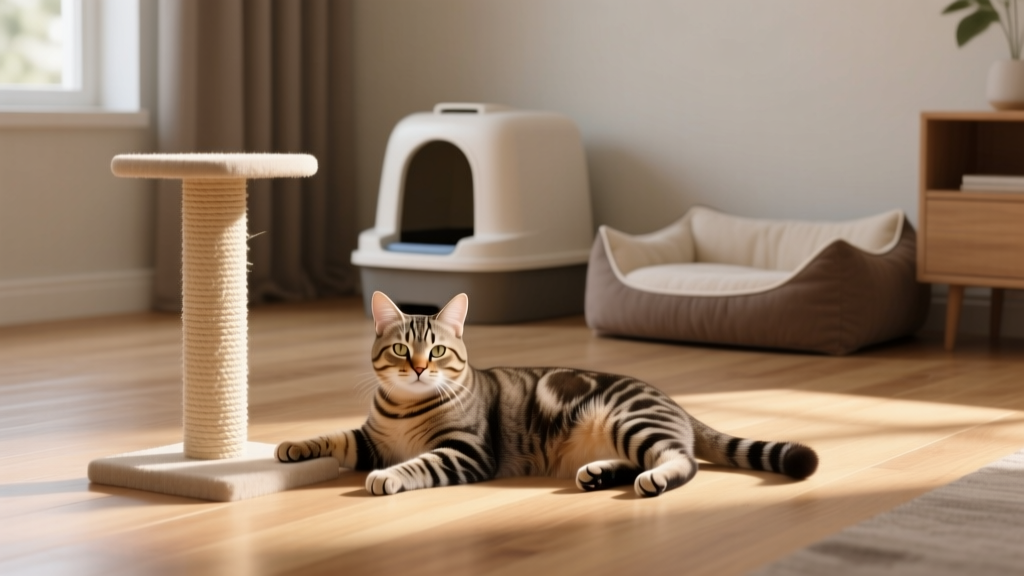
How to Correct Cat Behavior Guide
Why Your "How to Correct Cat Behavior Guide" Search Matters More Than Ever
If you've ever typed how to correct cat behavior guide into Google after your sofa was shredded, your ankles ambushed at 3 a.m., or your pristine litter box sat untouched for three days—this isn’t just about inconvenience. It’s about your cat’s emotional health, your home’s harmony, and the silent stress that builds when you misinterpret their signals as defiance instead of distress. Modern feline behavior science confirms what leading veterinary behaviorists have known since the early 2010s: over 85% of so-called 'bad behaviors' stem from unmet biological needs—not stubbornness or spite. And yet, most online guides still default to punishment-based tactics proven to increase fear, aggression, and urinary issues (per the 2022 ISFM/AAFP Feline Environmental Needs Guidelines). This isn’t another quick-fix list—it’s your evidence-based, empathy-first roadmap to understanding *why* your cat acts the way they do—and exactly how to respond in ways that build trust, not tension.
Step 1: Decode the Real Message Behind the 'Misbehavior'
Before any correction begins, you must translate behavior into communication. Cats don’t act out—they signal. Dr. Sarah Heath, a European Veterinary Specialist in Behavioural Medicine, emphasizes: "Every problematic behavior is a solution the cat has found to an unsolved problem." Scratching isn’t vandalism—it’s scent-marking, muscle stretching, and claw maintenance. Nighttime zoomies aren’t ‘evil’—they’re instinctual hunting rhythms amplified by daytime naps and insufficient mental stimulation. Urinating outside the box? Often a sign of pain (e.g., cystitis), anxiety (e.g., new pet or construction noise), or substrate aversion (clay litter tracked onto carpet).
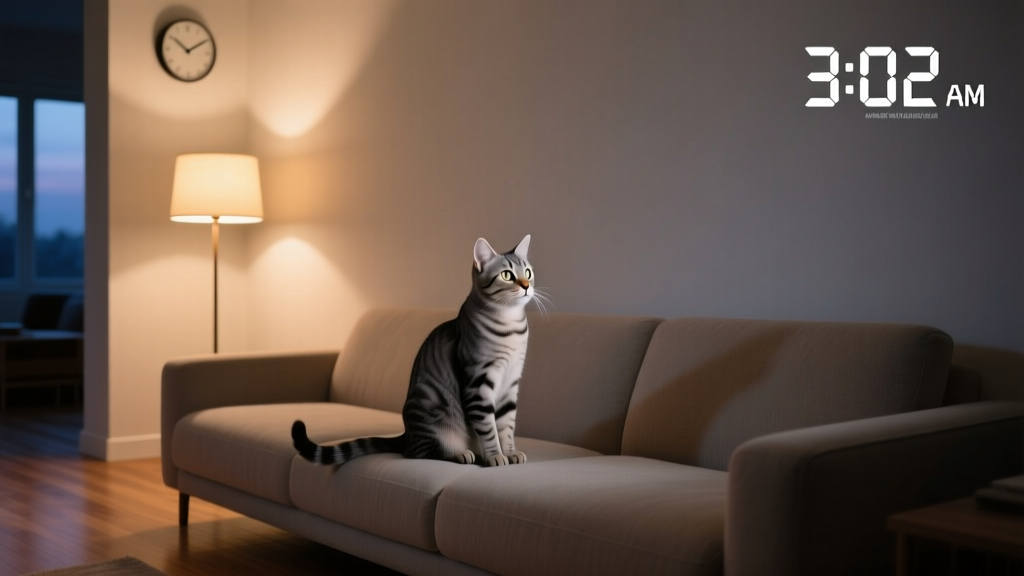
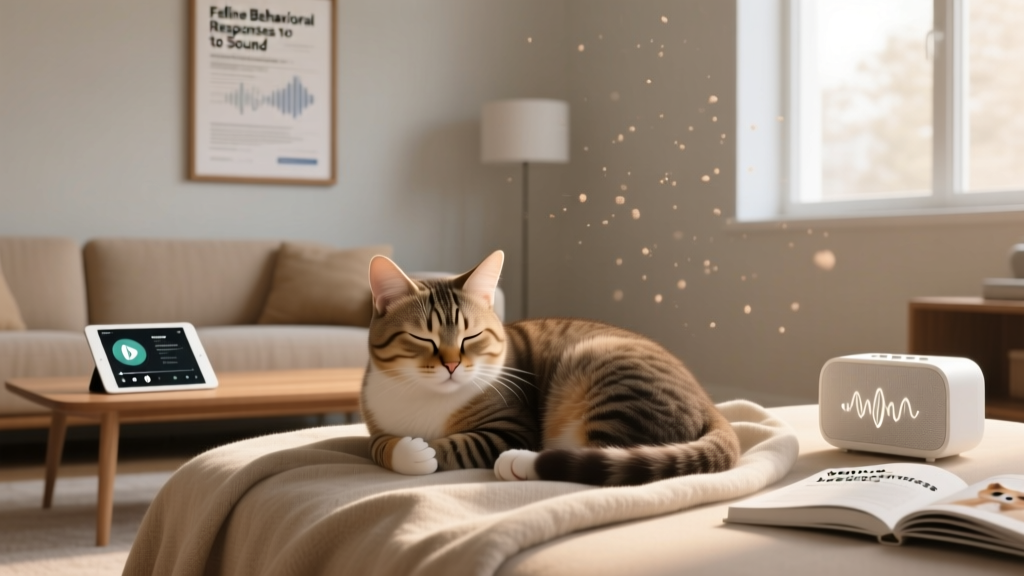
Start with a 72-hour 'Behavior Log': Record every incident—including time, location, immediate triggers (e.g., doorbell rang, dog barked), your cat’s body language pre- and post-event (dilated pupils? flattened ears? tail flicking?), and what you did. Patterns emerge fast: One client discovered her 4-year-old Maine Coon only attacked ankles between 4–5 a.m.—coinciding with her neighbor’s early garbage pickup. Removing the auditory trigger (white noise machine) resolved 90% of incidents in 4 days.
Key diagnostic questions to ask yourself:
- Is this behavior new—or has it escalated? Sudden changes warrant urgent vet screening (hyperthyroidism, arthritis, dental pain).
- Does it happen around specific people, places, or objects? Targeted aggression often points to resource guarding or fear-based associations.
- What does your cat do *right before* the behavior? A low crouch + tail twitch = imminent pounce; slow blinking + turning away = stress de-escalation attempt.
Step 2: Fix the Foundation—Not Just the Symptom
Correction fails when we treat symptoms while ignoring root causes. The 2023 Cornell Feline Health Center study found cats in homes meeting all five core environmental needs (as defined by the AAFP/ISFM) showed 68% fewer behavior referrals—even among formerly reactive individuals. These needs are non-negotiable:
- Safe Spaces: Vertical perches (cat trees, shelves) + covered hideaways (cardboard boxes, tunnels) placed at multiple heights and locations.
- Predictable Routine: Feeding, play, and quiet time within 30-minute windows daily—cats thrive on temporal security.
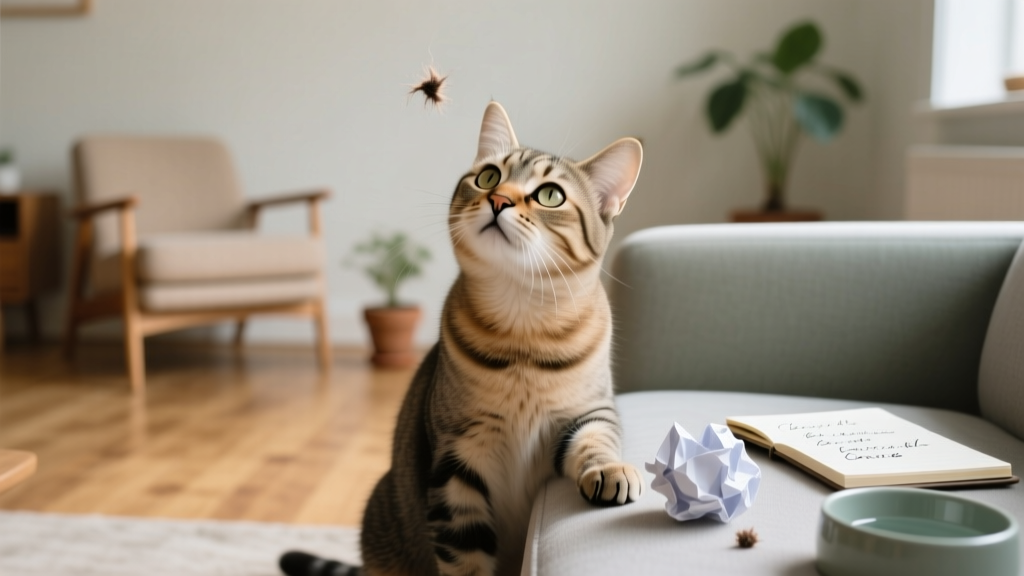
- Hunting Simulation: 3x15-minute interactive play sessions daily using wand toys (never hands/feet) to mimic prey sequence: stalk → chase → pounce → kill → eat.
- Positive Human Interaction: Respect consent—offer chin scratches only when cat rubs head first; stop before tail flicks or ear rotation.
- Appropriate Elimination Options: One more box than number of cats, scooped twice daily, placed in quiet, low-traffic zones with unscented clumping litter 2–3 inches deep.
A real-world example: When Leo, a 3-year-old domestic shorthair, began urine-marking his owner’s bed, the vet ruled out UTI—but the behavior log revealed marking occurred only after the owner’s new partner entered the bedroom. The fix wasn’t 'training'—it was adding a pheromone diffuser (Feliway Optimum) near the bed, rotating bedding scents gradually, and creating a dedicated 'safe zone' (a cozy perch overlooking the hallway) where Leo could observe without pressure. Marking ceased in 11 days.
Step 3: Apply Positive Reinforcement—Strategically & Consistently
Punishment doesn’t teach cats what to do—it teaches them to fear *you*. The American College of Veterinary Behaviorists states unequivocally: "Punishment increases fear, anxiety, and aggression, and damages the human-animal bond." Instead, use differential reinforcement: reward the behavior you *want*, while preventing rehearsal of the unwanted one.
For scratching furniture:
- Redirect: Place a sturdy sisal post *next to* the couch leg (not across the room)—cats scratch where they sleep/rest. Rub catnip on it and reward with treats *while* they use it.
- Block access temporarily: Use double-sided tape or aluminum foil on the targeted area for 7–10 days—cats dislike the texture. Remove only after consistent post-use.
- Never punish mid-scratch: Yelling or spraying water creates negative association with *you*, not the furniture.
For biting during petting:
- Read micro-signals: Tail tip twitch? Ears flattening? Stop *before* the bite—reward calm sitting with a high-value treat (freeze-dried chicken).
- Teach 'petting tolerance': Start with 3 seconds of gentle strokes, then treat. Gradually increase duration *only* if no warning signs appear. Reset if cat walks away.
Consistency is critical: All household members must follow the same protocol. One family reduced play-biting by 95% in 3 weeks by enforcing a strict 'no hands as toys' rule—even children used feather wands exclusively.
Step 4: Know When to Call in Reinforcements
Some behaviors require professional support—not because you’ve failed, but because biology and environment intersect in complex ways. According to Dr. Dennis Turner, ethologist and author of The Domestic Cat: The Biology of its Behaviour, persistent aggression toward humans, self-mutilation (excessive licking/grooming), or elimination outside the box for >2 weeks warrants expert assessment.
Red flags demanding veterinary behaviorist referral:
- Aggression with no clear trigger (e.g., sudden swatting while being petted)
- Obsessive pacing, vocalizing, or hiding for >12 hours/day
- Elimination avoidance paired with straining, blood in urine, or excessive licking of genitals
- Any behavior change in cats over age 10 (cognitive decline or metabolic disease likely)
Telehealth options now make specialist access easier: The International Association of Animal Behavior Consultants (IAABC) offers a searchable directory of certified feline behavior consultants who provide video consultations and customized plans—often covered partially by pet insurance.
| Step | Action | Tools/Supplies Needed | Expected Timeline for Noticeable Change |
|---|---|---|---|
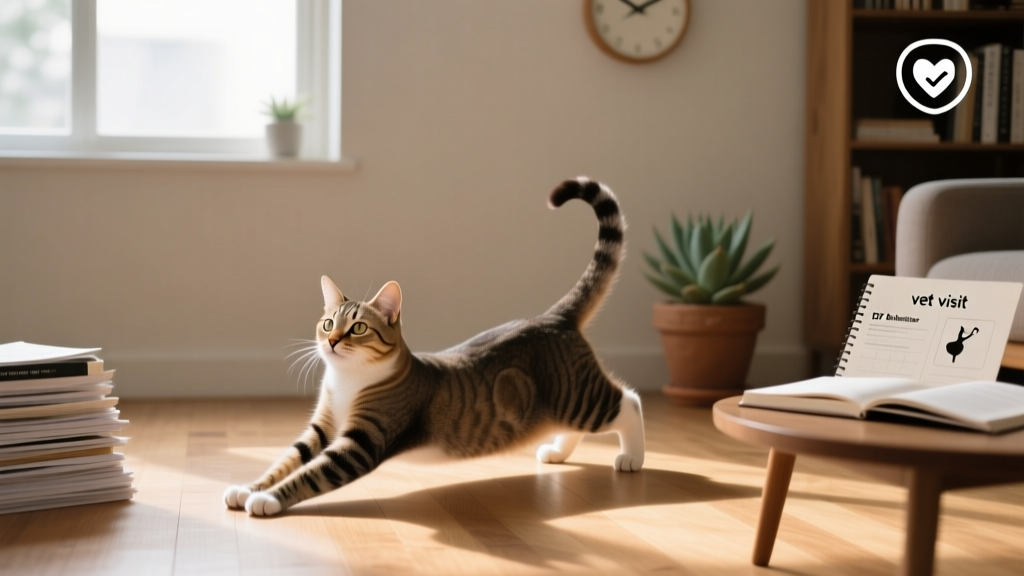
| 1. Baseline Assessment | Complete 72-hour behavior log + vet wellness check | Printable log template, vet appointment | Immediate awareness; vet results in 3–5 days |
| 2. Environmental Audit | Map safe spaces, play zones, litter box placement, and stressors | Measuring tape, notebook, pheromone diffuser (optional) | Implementation in 1–2 days; reduced anxiety in 3–7 days |
| 3. Positive Reinforcement Launch | Begin 3x daily play sessions + reward alternative behaviors | Wand toy, high-value treats, clicker (optional) | Improved engagement in 2–4 days; behavior reduction in 7–14 days |
| 4. Consistency & Refinement | Review log weekly; adjust timing/placement based on patterns | Updated log, calendar reminders | Sustained improvement by Day 14–21; long-term habit formation by Day 30 |
Frequently Asked Questions
Can I use spray bottles or loud noises to stop bad behavior?
No—and here’s why: Spray bottles create fear-based associations with *you*, not the object. A landmark 2019 study in Applied Animal Behaviour Science found cats subjected to spray punishment were 3.2x more likely to develop redirected aggression toward other pets. Loud noises (clapping, cans of coins) induce startle responses that escalate anxiety, potentially worsening the very behavior you’re trying to correct. Positive alternatives—like redirecting to a toy or using a gentle 'psst' sound to interrupt—are far more effective and humane.
My cat pees on my bed—does this mean they’re angry or spiteful?
No. Spite is a human emotion requiring complex moral reasoning—cats lack the neuroanatomy for it. Urine marking on bedding almost always signals insecurity (e.g., new baby, partner, or pet), territorial stress, or medical discomfort. In a 2021 UC Davis survey of 1,200 cat owners, 73% of 'bed-peeing' cases resolved after adding vertical space and pheromone support—without any 'discipline.' Always rule out UTI or kidney disease first with your vet.
How long does it take to see results using positive reinforcement?
It varies—but consistency accelerates progress dramatically. Simple behaviors (scratching post instead of couch) often improve in 5–7 days. Complex issues (fear-based aggression) may take 4–12 weeks of daily practice. Crucially, setbacks are normal: A minor regression during travel or home renovation doesn’t mean failure—it means your cat needs temporary extra support (e.g., extra play, familiar blanket, quiet retreat). Track small wins: longer calm petting sessions, increased use of designated scratching posts, or relaxed body language near previously stressful areas.
Do indoor cats really need 'hunting' play if they’re well-fed?
Yes—absolutely. Hunting is hardwired, not hunger-driven. Even well-fed cats experience frustration without outlet, manifesting as over-grooming, aggression, or destructive behavior. A 2022 University of Lincoln study showed cats engaging in daily simulated hunting had 41% lower cortisol levels and 2.7x more restful sleep. The sequence matters: 5 minutes of stalking (slow drag), 3 minutes of chasing (fast zig-zag), 2 minutes of 'killing' (bites on toy), followed by a 'feeding' (treat or meal)—mimics natural rhythm and satisfies neural pathways.
Common Myths About Cat Behavior Correction
Myth #1: “Cats can’t be trained like dogs.”
False. Cats learn through operant conditioning—just like dogs—but respond best to high-value rewards (not praise) and shorter, more frequent sessions. Clicker training works exceptionally well for targeting behaviors like 'sit' or 'come'—and is widely used by shelter behavior teams to prepare cats for adoption.
Myth #2: “Rubbing your cat’s nose in accidents teaches them.”
Dangerously false. This causes extreme fear and confusion. Cats don’t associate the scent with the act—they associate *your anger* with the location (or you). It also risks respiratory irritation from ammonia in urine. Clean accidents with enzymatic cleaner only—and focus on making the litter box more appealing, not punishing the cat.
Related Topics (Internal Link Suggestions)
- Cat Litter Box Problems — suggested anchor text: "how to fix litter box avoidance in cats"
- Feline Aggression Types — suggested anchor text: "understanding play vs. fear-based cat aggression"
- Best Cat Toys for Enrichment — suggested anchor text: "vet-recommended interactive cat toys"
- Cat Anxiety Signs — suggested anchor text: "subtle signs your cat is stressed"
- Introducing Cats Safely — suggested anchor text: "step-by-step guide to introducing cats without fighting"
Your Next Step Starts Today—Gently and Confidently
You now hold a science-grounded, compassion-led how to correct cat behavior guide—not a list of commands, but a framework for partnership. Remember: Every scratched chair, midnight sprint, or misplaced 'gift' is data—not disobedience. Start with your 72-hour log tonight. Watch closely. Respond kindly. Adjust patiently. The bond you rebuild will be deeper, safer, and more joyful than before—because true correction isn’t about control. It’s about connection. Download our free printable Behavior Log + Environmental Audit Checklist (linked below) and join 12,000+ cat guardians who transformed frustration into fluency—one respectful, rewarding interaction at a time.