How to Correct Behavior Problems in Cats
Why "How to Correct Behavior Problems in Cats" Is the #1 Question We Get From Desperate Cat Parents
If you've ever stared at your cat mid-sprint across the kitchen counter at 3 a.m., found shredded curtains beside a blissfully napping feline, or cleaned up urine outside the litter box for the third time this week—you're not failing. You're facing one of the most misunderstood challenges in companion animal care: how to correct behavior problems in cats. Unlike dogs, cats don’t respond to dominance-based corrections, scolding, or even most treats—and misapplied 'solutions' often worsen anxiety, damage trust, and escalate issues. The truth? Over 70% of so-called 'bad behaviors' are actually unmet biological needs, undiagnosed medical triggers, or signals of chronic stress. This guide cuts through the noise with actionable, vet-reviewed strategies that work—not because they’re trendy, but because they align with feline neurobiology, ethology, and decades of clinical behavior research.
Step 1: Rule Out Medical Causes — Before You Change a Single Thing
Here’s what most owners miss: behavior change is often the first and only sign of illness. A cat suddenly avoiding the litter box may have interstitial cystitis (a painful bladder condition), not 'spite'. Excessive grooming could indicate allergies or hyperthyroidism. Aggression toward handling might signal dental disease or arthritis. According to Dr. Sarah Hensley, DACVB (Diplomate of the American College of Veterinary Behaviorists), "In my referral practice, nearly 40% of cats labeled 'aggressive' or 'anxious' had underlying pain or metabolic disease confirmed on exam and diagnostics." Don’t assume it’s 'just behavior' until you’ve ruled out physical causes.
Start with a full veterinary workup including:
- A complete physical exam—with special attention to joints, teeth, ears, and skin
- Urinalysis and urine culture (for inappropriate urination)
- Bloodwork (CBC, chemistry panel, T4) to screen for kidney disease, diabetes, or thyroid dysfunction
- Fecal testing if overgrooming or GI-related symptoms accompany behavior shifts
Tip: Record video of the problematic behavior—especially timing, context, and body language (e.g., flattened ears, tail flicking, dilated pupils). Share it with your vet. What looks like 'play aggression' may be redirected fear.
Step 2: Decode the Real Message Behind the Behavior
Cats don’t misbehave—they communicate. Every 'problem' is data. Your job isn’t to suppress it, but to interpret and respond. Let’s break down four common patterns:
- Scratching furniture: Not destruction—it’s scent-marking, nail maintenance, and shoulder-strengthening. Punishing it teaches fear, not alternatives.
- Urine marking (vertical spraying): Often triggered by social stress—new pets, construction, or even outdoor cats visible through windows. It’s territorial signaling, not house-training failure.
- Nighttime yowling & zoomies: Reflects natural crepuscular rhythms—but amplified by boredom, lack of daytime engagement, or cognitive decline in seniors.
- Biting during petting: Known as 'petting-induced aggression', it’s almost always a clear 'overstimulation' signal—twitching tail, flattened ears, or skin rippling before the bite.
Dr. Mikel Delgado, certified cat behavior consultant and researcher at UC Davis, emphasizes: "Cats give us dozens of subtle cues before escalating to biting or scratching. If we miss those micro-signals—like slow blinking cessation or ear rotation—we’re training them that only big reactions get our attention." Keep a 3-day behavior log: note time, location, trigger (if any), your response, and the cat’s body language. Patterns emerge fast.
Step 3: Redesign the Environment Using Feline Ethology Principles
Cats evolved as solitary hunters in complex, vertical terrain. Modern homes are sensory deserts by comparison—and that mismatch fuels stress-related behaviors. Environmental enrichment isn’t ‘nice to have’; it’s foundational to how to correct behavior problems in cats. Here’s what works, backed by a landmark 2022 study in Applied Animal Behaviour Science tracking 127 cats over 12 weeks:
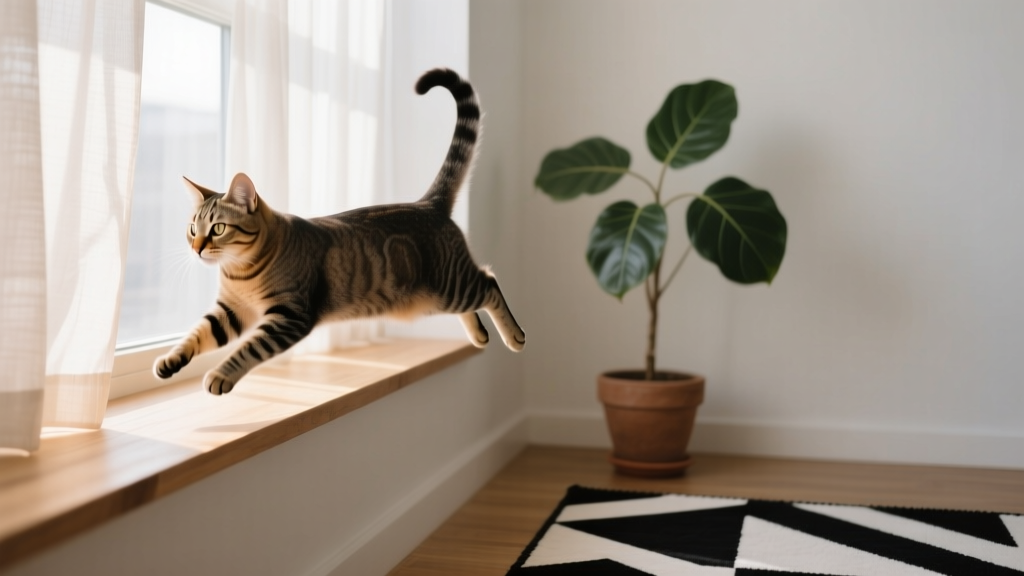
- Vertical space: Install wall-mounted shelves, cat trees, or window perches. Cats using ≥3 elevated zones showed 63% fewer aggression incidents and 51% less destructive scratching.
- Hunting simulation: Rotate 3–5 interactive toys daily (feathers on strings, motorized mice, treat balls). Schedule two 10-minute 'hunts' at dawn and dusk—their natural peak activity times.
- Safe retreats: Provide at least one enclosed, low-traffic hideaway per cat (covered beds, cardboard boxes with blankets, tunnels). In multi-cat homes, ensure each has exclusive access to food, water, litter, and resting spots—no sharing required.
- Olfactory safety: Use synthetic feline facial pheromones (Feliway Optimum diffusers) in high-stress zones (near litter boxes, entryways, or where spraying occurs). Clinical trials show 74% reduction in marking when used consistently for 4+ weeks.
Real-world example: Maya, a 4-year-old rescue tabby, began urinating on her owner’s laundry after a new puppy arrived. Her vet cleared her medically. Then, her owner installed a quiet 'cat-only' room with a window perch, added a second litter box away from the puppy’s path, and used Feliway in the hallway. Within 11 days, accidents stopped—and Maya began sleeping on the owner’s bed again.
Step 4: Reinforce Desired Behaviors—Not Just Suppress Unwanted Ones
Forget punishment. It damages your bond, increases cortisol (stress hormone), and rarely stops the behavior—it just makes the cat sneakier. Instead, use positive reinforcement rooted in feline motivation. But here’s the catch: most cats aren’t food-motivated like dogs. Their primary reinforcers are often control, play, and predictability.
Try these evidence-based techniques:
- Clicker + play pairing: Click *during* desired behavior (e.g., stepping into carrier, touching target stick), then immediately initiate a 60-second hunting sequence with a wand toy. This builds positive association faster than treats alone.
- Choice-based training: Offer two options—e.g., 'Would you like to sit on the couch or on this nearby cat tree?' Reward whichever they choose. Autonomy reduces stress-related acting out.
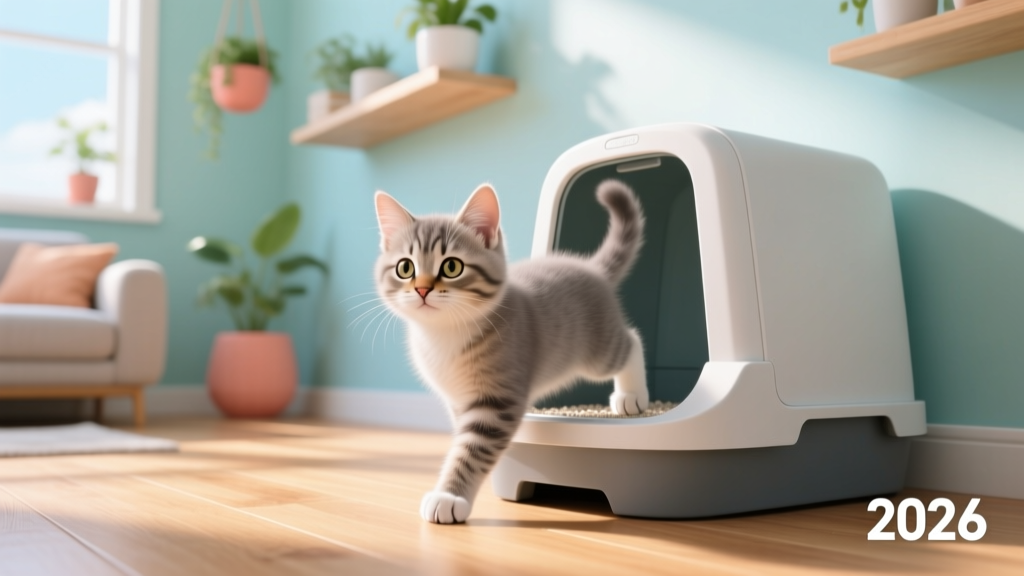
- Litter box success stacking: If your cat avoids the box, place a second one in the location they prefer to eliminate—then gradually move it 6 inches/day toward the desired spot while keeping the original clean and accessible.
Consistency matters more than frequency. Even 2–3 minutes of focused, reward-based interaction twice daily reshapes neural pathways. As certified feline behaviorist Ingrid Johnson notes: "Cats learn best in short, predictable bursts—not marathon training sessions. Think 'micro-moments of connection,' not obedience school."
| Step | Action | Tools/Supplies Needed | Expected Timeline for Noticeable Change |
|---|---|---|---|
| 1 | Complete veterinary medical screening | Vet visit, basic diagnostics (urinalysis, bloodwork) | Within 1–3 days of appointment |
| 2 | Conduct 3-day behavior & environment audit | Notebook/app, phone camera, floor plan sketch | Insights emerge within 48 hours |
| 3 | Implement core environmental upgrades (vertical space, hiding spots, litter box optimization) | Shelves, covered beds, litter boxes (1 per cat + 1 extra), unscented clumping litter | Behavioral improvement begins in 5–10 days; peak effect at 3 weeks |
| 4 | Begin daily 2x 5-min positive reinforcement sessions (play + choice) | Wand toy, clicker (optional), quiet space | Increased calmness & responsiveness within 1 week; reduced reactivity in 2–3 weeks |
| 5 | Add targeted pheromone support (Feliway Optimum) in stress zones | Feliway Optimum diffuser & refills | Measurable reduction in marking/anxiety in 14–21 days |
Frequently Asked Questions
Can I use spray bottles or shouting to stop bad behavior?
No—and here’s why it backfires. Spray bottles trigger fear-based avoidance, not learning. A 2020 study in Journal of Veterinary Behavior found cats subjected to aversive methods were 3.2x more likely to develop redirected aggression and 5x more likely to avoid their owners long-term. Shouting raises ambient stress levels for all household members—including other pets. Instead, interrupt unwanted behavior with a gentle 'psst' sound or toss a soft toy *away* from the target (e.g., toss near scratching post when they scratch the couch), then redirect to an appropriate outlet.
My cat pees outside the litter box—should I get a new box or punish them?
Punishment is never appropriate—and rarely effective. First, rule out medical causes (see Step 1). Then assess litter box setup: Is it in a noisy/high-traffic area? Is the litter depth less than 2 inches? Is it covered (many cats dislike confinement)? Do you scoop daily? Try adding a second box in a quiet, accessible location with unscented, clumping litter—and remove the lid. Research shows 68% of inappropriate elimination resolves within 2 weeks when litter box hygiene and placement are optimized—even without medication or behavior meds.
Will neutering/spaying fix aggression or spraying?
It helps—but only for hormonally driven behaviors. Early-age spay/neuter (before 5 months) reduces urine spraying in males by ~85% and roaming in both sexes. However, if spraying started *after* neutering—or if aggression is fear- or pain-based—surgery won’t resolve it. In fact, punishing a neutered cat for spraying reinforces anxiety. Always pair surgery with environmental management and, if needed, veterinary behavior consultation.
How long does it take to see real progress?
Most owners report meaningful improvement within 2–3 weeks when medical causes are ruled out and environmental changes are consistently applied. Complex cases (multi-cat households, trauma histories, or chronic stress) may require 6–12 weeks—and benefit from collaboration with a board-certified veterinary behaviorist (find one at dacvb.org). Patience isn’t passive—it’s strategic recalibration.
Are calming supplements or medications safe and effective?
Some are—under veterinary guidance. L-theanine and alpha-casozepine (found in Zylkène) show mild anxiolytic effects in studies, but results vary widely. For moderate-to-severe cases, prescription options like fluoxetine (Reconcile) or gabapentin (for situational stress) can be highly effective when combined with behavior modification. Never use human anti-anxiety meds or essential oils (many are toxic to cats). Always discuss pros, cons, and monitoring plans with your vet.
Common Myths About Correcting Cat Behavior
Myth #1: “Cats can’t be trained.”
False. Cats absolutely learn through operant conditioning—but they choose whether to participate. Training requires understanding their motivators (play > food for many), respecting their autonomy, and keeping sessions under 90 seconds. Clicker-trained cats routinely learn 'touch,' 'spin,' 'high-five,' and even 'go to mat' on cue.
Myth #2: “If I ignore bad behavior, it’ll go away.”
Ignoring doesn’t erase the underlying need driving the behavior. A cat scratching the sofa because claws need maintenance won’t stop—it may switch to your arm. Ignoring *without addressing the root cause* simply delays resolution and risks escalation. Intervention means meeting the need, not suppressing the symptom.
Related Topics (Internal Link Suggestions)
- Understanding Cat Body Language — suggested anchor text: "read your cat's tail, ears, and eyes"
- Best Litter Boxes for Multi-Cat Households — suggested anchor text: "low-tracking, high-sided, self-cleaning options"
- Feline Hyperesthesia Syndrome Explained — suggested anchor text: "why your cat suddenly bites its tail or darts away"
- How to Introduce a New Cat Without Fighting — suggested anchor text: "step-by-step scent-swapping and space-sharing guide"
- When to See a Veterinary Behaviorist — suggested anchor text: "signs your cat needs specialist help"
Your Next Step Starts With One Observation
You now know how to correct behavior problems in cats isn’t about control—it’s about clarity, compassion, and cat-centered design. The most powerful tool you own isn’t a spray bottle or a treat pouch. It’s your curiosity. So tonight, before bed, watch your cat for just 90 seconds: Where do they choose to rest? How do they approach their food bowl or litter box? What makes their tail twitch or ears swivel? That observation is your first data point—and the beginning of a calmer, more connected relationship. Ready to go deeper? Download our free Feline Behavior Audit Checklist—a printable, vet-reviewed tracker that turns observation into action. Because every cat deserves to feel safe, understood, and utterly at home.