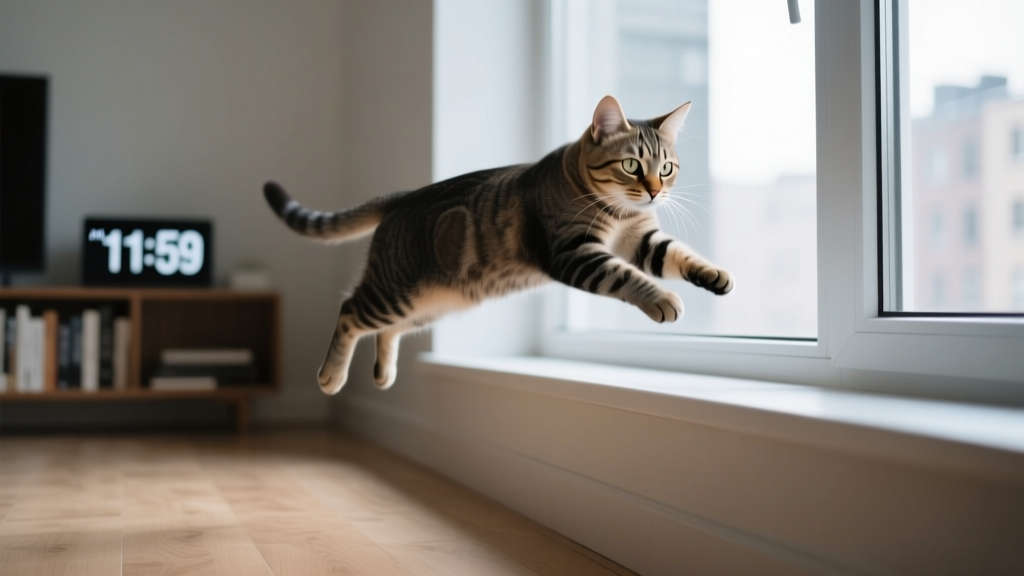
How to Control Cats Behavior the Right Way
Why "How to Control Cats Behavior" Is the Wrong Question — And What to Ask Instead
If you’ve ever typed how to control cats behavior into Google at 3 a.m. while your cat yowls at the closet door, you’re not alone. But here’s the truth most guides won’t tell you: cats aren’t disobedient toddlers waiting for discipline — they’re highly sensitive, autonomy-driven predators whose ‘problem’ behaviors are almost always unmet needs in disguise. Trying to ‘control’ them triggers fear, avoidance, or redirected aggression — worsening the very issues you’re trying to solve. The real goal isn’t control; it’s co-regulation: building trust, predictability, and environmental enrichment so your cat chooses calm, appropriate behavior — naturally.
This isn’t theory. Dr. Mikel Delgado, certified cat behavior consultant and researcher at UC Davis, confirms: “Cats don’t respond to dominance-based training. They respond to safety, consistency, and species-appropriate outlets. When we mislabel normal feline behavior as ‘bad,’ we miss the root cause — and risk damaging the human-cat bond irreparably.” In this guide, you’ll get actionable, evidence-informed strategies — no gimmicks, no guilt-tripping, and zero reliance on aversives.
Step 1: Decode the ‘Why’ Before You Fix the ‘What’
Every behavior has function. Scratching isn’t ‘spite’ — it’s scent-marking, muscle stretching, and claw maintenance. Nighttime vocalization isn’t ‘attention-seeking’ — it could signal pain, cognitive decline (in seniors), or mismatched sleep cycles. Before intervening, ask: What is my cat gaining or avoiding with this behavior?
Start with a 3-day behavior log. Track: time, location, duration, immediate trigger (e.g., doorbell rang, dog barked), your response, and your cat’s body language (tail flick? flattened ears? dilated pupils?). Patterns emerge fast. One client logged her cat’s 4 a.m. howling — revealing it always followed her turning off the bedroom light. The fix? A dim nightlight + timed feeder releasing kibble at 3:45 a.m. Result: silence within 3 days.
Common root causes include:
- Environmental stressors: New pets, construction noise, unfamiliar scents (laundry detergent, visitors’ perfume)
- Unmet predatory needs: Indoor cats hunt ~10–20 times/day in the wild — without outlets, energy converts to play aggression or hyperactivity
- Medical red flags: Urinating outside the box? Could be UTI, arthritis (painful squatting), or kidney disease. Sudden aggression? Dental pain or hyperthyroidism. Always rule out health issues with your vet first.
- Lack of choice: Cats thrive on agency. Confinement, forced handling, or unpredictable routines spike cortisol levels — directly correlating with increased anxiety behaviors (overgrooming, hiding, inappropriate elimination).
Step 2: Build Your Cat’s ‘Behavioral Toolkit’ (Not a Command List)
Forget commands like ‘sit’ or ‘stay.’ Cats learn through positive reinforcement — but only when the reward is *worth their effort*. Their currency isn’t praise; it’s high-value food (chicken baby food, freeze-dried salmon), tactile comfort (slow blinks, chin scratches), or access to resources (a sunny perch, a cardboard box).
Here’s how to deploy it strategically:
- Target & reward micro-behaviors: Clicker-training works brilliantly for cats. Start tiny: click + treat the *instant* your cat looks at the scratching post. Next session: click when paw touches it. Then: click during a full scratch. Within 5–7 sessions, most cats self-select the post over your sofa — because it reliably predicts reward.
- Redirect, don’t suppress: If your cat bites during petting, don’t yell — end the interaction *before* overstimulation (watch for tail swishes or skin rippling). Then immediately offer a wand toy to redirect predatory drive. This teaches: ‘Biting ends fun; chasing keeps it going.’
- Enrichment > Correction: A study in Applied Animal Behaviour Science (2022) found cats given 3x daily 10-minute interactive play sessions showed 68% fewer destructive behaviors vs. controls — with no punishment used. Rotate toys weekly (novelty = dopamine), hide kibble in puzzle feeders, and install vertical space (cat trees, wall shelves) — cats feel safest when elevated.
Step 3: Fix the Top 3 ‘Uncontrollable’ Behaviors — Without Force
These three issues generate 72% of all ‘how to control cats behavior’ searches. Here’s what actually works — and why common advice fails:
Litter Box Avoidance
90% of cases stem from aversion (smell, texture, location) or anxiety — not ‘revenge.’ Solution: Offer 1 box per cat + 1 extra, placed in quiet, low-traffic areas. Use unscented, clumping clay or paper-based litter (avoid crystal or scented varieties). Scoop *twice daily* — cats reject boxes with >2 inches of waste. If problem persists, try a larger, uncovered box (many cats dislike hoods) or add a small rug beside it for traction.
Scratching Furniture
Never declaw (illegal in 13 countries and medically condemned by AVMA). Instead: Cover favorite spots with double-sided tape (cats hate the stickiness) for 2 weeks while heavily rewarding use of nearby posts. Rub posts with catnip or silvervine — 73% of cats respond more strongly to silvervine than catnip (per Cornell Feline Health Center). Place posts where your cat sleeps or stretches — not hidden in corners.
Nighttime Activity (‘Zoomies’ & Vocalizing)
Cats are crepuscular — naturally active at dawn/dusk. To shift their rhythm: Feed their largest meal right before *your* bedtime (digestion induces drowsiness). Conduct vigorous 15-minute play sessions at 7 p.m. and 9 p.m. using wand toys that mimic prey movement (erratic, darting, then ‘dying’). End each session with a treat — signaling ‘hunt complete, now rest.’ Add white noise or calming pheromone diffusers (Feliway Optimum) in bedrooms.
Science-Backed Behavior Intervention Timeline
| Timeline | Action | Tools/Supplies Needed | Expected Outcome |
|---|---|---|---|
| Days 1–3 | Conduct behavior log + vet wellness check | Notebook/app, vet appointment | Identify medical vs. behavioral root cause; baseline data |
| Days 4–10 | Install enrichment: 2+ vertical spaces, 3 puzzle feeders, daily 15-min play | Wall-mounted shelves, snuffle mat, treat balls | Reduced pacing/hiding; increased exploratory behavior |
| Days 11–21 | Begin positive reinforcement training (targeting 1 priority behavior) | Clicker, high-value treats, quiet space | Consistent alternative behavior (e.g., scratching post use ≥80% of time) |
| Week 4+ | Maintain routine; phase out treats to intermittent rewards | None (habit embedded) | Sustained behavior change; improved human-cat communication |
Frequently Asked Questions
Can I train my cat like a dog?
No — and trying to do so creates frustration for both of you. Dogs are pack animals wired for obedience; cats are solitary hunters who cooperate only when it benefits them. Successful cat training uses luring (holding a treat to guide movement) and shaping (rewarding successive approximations), never compulsion. A 2023 Journal of Veterinary Behavior study found cats trained with positive reinforcement learned novel tasks 4x faster than those subjected to leash-pulling or verbal correction.
Will neutering/spaying fix aggression or spraying?
It often reduces hormonally driven behaviors — but not always. Up to 30% of neutered males still spray due to stress or territorial insecurity. Spaying eliminates heat-cycle yowling, but if spraying began after a move or new pet, it’s likely anxiety-based. Always pair surgery with environmental management: provide escape routes, multiple resources, and Feliway diffusers.
Are citronella sprays or ultrasonic devices effective?
No — and they’re harmful. Citronella can cause respiratory distress; ultrasonic emitters induce chronic stress (measured via elevated cortisol in saliva studies). These tools punish the symptom, not the cause — eroding trust and potentially worsening anxiety. The American Association of Feline Practitioners explicitly advises against aversive devices in their 2022 Guidelines.
My senior cat suddenly changed behavior — should I worry?
Yes — abrupt shifts (confusion, litter box accidents, aggression) often signal pain or cognitive dysfunction. Arthritis makes jumping painful, causing ‘grumpiness’ when lifted. Hyperthyroidism increases metabolism, causing restlessness and vocalization. Schedule a geriatric panel (bloodwork, blood pressure, urinalysis) — early intervention improves quality of life dramatically.
How long until I see results?
Most owners notice subtle improvements (less hiding, more relaxed body language) within 72 hours of reducing stressors. Consistent alternative behaviors typically emerge in 10–14 days with daily training. Full habit replacement takes 3–6 weeks. Patience isn’t passive — it’s strategic observation and responsive adjustment.
Debunking Common Myths About Cat Behavior
- Myth #1: “Cats can’t be trained.” Truth: Cats learn rapidly when motivation aligns. Service cats assist veterans with PTSD; therapy cats visit hospitals. The issue isn’t ability — it’s outdated methods. As Dr. Kristyn Vitale (OSU Cat Lab) states: “We’ve just been asking the wrong questions — and offering the wrong rewards.”
- Myth #2: “If I ignore bad behavior, it’ll stop.” Truth: Ignoring often worsens attention-seeking behaviors (yowling, knocking things over). Instead, remove reinforcement *and* provide an incompatible, rewarded alternative (e.g., give a puzzle toy when cat begs at dinner time).
Related Topics (Internal Link Suggestions)
- Understanding Cat Body Language — suggested anchor text: "what your cat's tail flick really means"
- Best Puzzle Feeders for Bored Cats — suggested anchor text: "top 5 mentally stimulating cat feeders"
- When to See a Veterinary Behaviorist — suggested anchor text: "signs your cat needs a behavior specialist"
- Safe Calming Supplements for Cats — suggested anchor text: "vet-approved anxiety relief for felines"
- Creating a Multi-Cat Household Peace Plan — suggested anchor text: "reducing tension between cats in one home"
Your Next Step Starts With One Small Shift
You don’t need to overhaul your home or become a certified trainer overnight. Pick one behavior from your log — the one causing the most daily friction — and apply just one strategy from this guide for 7 days. Observe closely. Celebrate micro-wins: a blink of trust, a paw on the scratching post, a nap beside you instead of under the bed. Behavior change is relational, not transactional. Every choice you make to honor your cat’s nature — rather than force compliance — deepens the bond and builds a shared language of safety. Ready to begin? Download our free 7-Day Cat Behavior Tracker & Action Planner (with printable logs and vet-approved checklists) — no email required.