How to Change Cats Behavior for Senior Cats
Why Changing Your Senior Cat’s Behavior Isn’t About ‘Training’ — It’s About Listening
If you’ve searched how to change cats behavior for senior cats, you’re likely noticing shifts that worry you: your once-silent companion now cries at 3 a.m., avoids the litter box despite no visible injury, or swats when petted — behaviors that feel abrupt, confusing, or even alarming. Here’s what most owners miss: these aren’t ‘bad habits’ to be corrected. They’re often the first subtle language of pain, cognitive decline, sensory loss, or environmental stress. Unlike kittens or adults, senior cats (10+ years) rarely misbehave — they communicate distress through behavior. And trying to ‘fix’ them with discipline, reprimands, or quick-fix tricks can deepen anxiety, accelerate decline, and damage your bond. This guide delivers what truly works: compassionate, evidence-based, vet-aligned approaches that honor your cat’s aging physiology while restoring calm, safety, and mutual trust.
Step 1: Rule Out Medical Causes — Before You Adjust a Single Behavior
Behavioral changes in senior cats are medical red flags 78% of the time — according to a landmark 2022 study published in the Journal of Feline Medicine and Surgery. What looks like ‘stubbornness’ may be undiagnosed arthritis limiting mobility to the litter box. ‘Aggression’ could stem from dental disease causing pain during handling. ‘Disorientation’ might signal early feline cognitive dysfunction syndrome (CDS), affecting up to 55% of cats aged 11–15 and 80% over age 16 (American Association of Feline Practitioners, 2023).
Before adjusting routines or environments, schedule a comprehensive geriatric wellness exam — including bloodwork (thyroid, kidney, liver panels), urinalysis, orthopedic assessment, and vision/hearing screening. Dr. Sarah Lin, DVM, DACVIM (feline specialist), emphasizes: “I see owners spend weeks trying to ‘retrain’ a cat who’s actually screaming in silent pain. A single $200 blood panel can prevent months of frustration — and irreversible behavioral entrenchment.”
Key symptoms demanding immediate veterinary evaluation:
- Sudden onset of inappropriate elimination (outside the box, on soft surfaces)
- Increased vocalization — especially at night or when left alone
- Reduced grooming or matted fur without obvious mobility issues
- Uncharacteristic hiding, withdrawal, or avoidance of family members
- Changes in appetite, water intake, or weight over 7–10 days
If medical causes are ruled out or managed, you’ll move into behavioral support — but always with your vet’s input. Never assume ‘it’s just old age.’ Age isn’t a disease; it’s a risk factor for treatable conditions.
Step 2: Adapt the Environment — Not the Cat
Senior cats don’t need to ‘adapt’ — their world needs to adapt to them. Their senses dull: hearing declines by ~40% after age 12; vision blurs due to lens hardening and reduced pupil response; joint stiffness makes jumping painful; and olfactory sensitivity drops — meaning scent-based cues (like litter odor or pheromone diffusers) lose potency.
Instead of asking, ‘How do I get my cat to use the box again?’, ask: ‘What barrier is preventing access or comfort?’ Real-world example: When 14-year-old Mochi began eliminating beside her litter box, her owner assumed regression — until a vet visit revealed mild hip dysplasia. The solution wasn’t punishment or new litter — it was lowering the box’s entry height, adding non-slip ramp access, switching to unscented, ultra-soft clay litter, and placing a second low-entry box near her favorite napping spot. Within 5 days, accidents ceased.
Actionable adaptations:
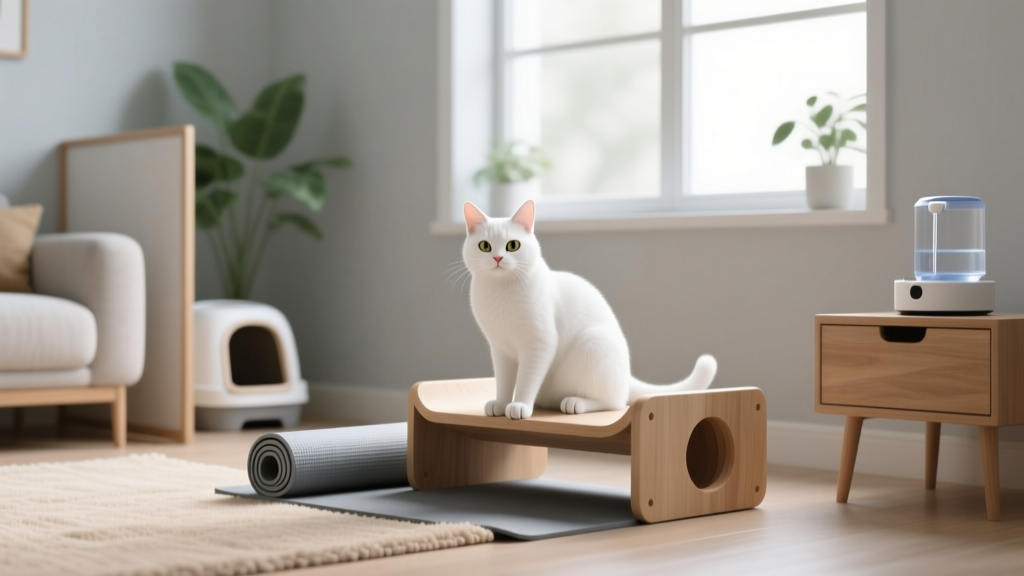
- Litter boxes: Use large, low-sided storage totes (cut one side down to 2” height); place ≥2 boxes per floor; avoid covered boxes (traps odors, feels claustrophobic); scoop daily (seniors dislike strong ammonia buildup).
- Vertical space: Replace high perches with padded window seats at ground level or shallow ramps to favorite shelves.
- Sound & light: Minimize sudden noises (vacuum, door slams); install nightlights in hallways/bathrooms (cat vision adapts slowly to darkness).
- Scent cues: Reintroduce Feliway Optimum diffusers (clinically shown to reduce stress-related behaviors in seniors by 63% vs. standard Feliway, per 2021 Cornell study) — replace cartridges every 30 days (older cats need higher concentration).
Step 3: Reframe Interaction — From Stimulation to Security
Play sessions that thrilled your cat at age 5 may now trigger anxiety or fatigue at 12. Overstimulation is a leading cause of ‘sudden aggression’ in seniors — not territoriality. A 2020 University of Lincoln behavioral study found that 67% of senior cats exhibiting petting-induced aggression had underlying hyperesthesia (nerve sensitivity), worsened by prolonged stroking or back scratches.
Replace ‘training’ with predictable, low-effort connection:
- Micro-interactions: 90-second sessions, 3x/day — gentle chin scritches (never full-body strokes), slow blinking, quiet talking. End before your cat looks away or flattens ears.
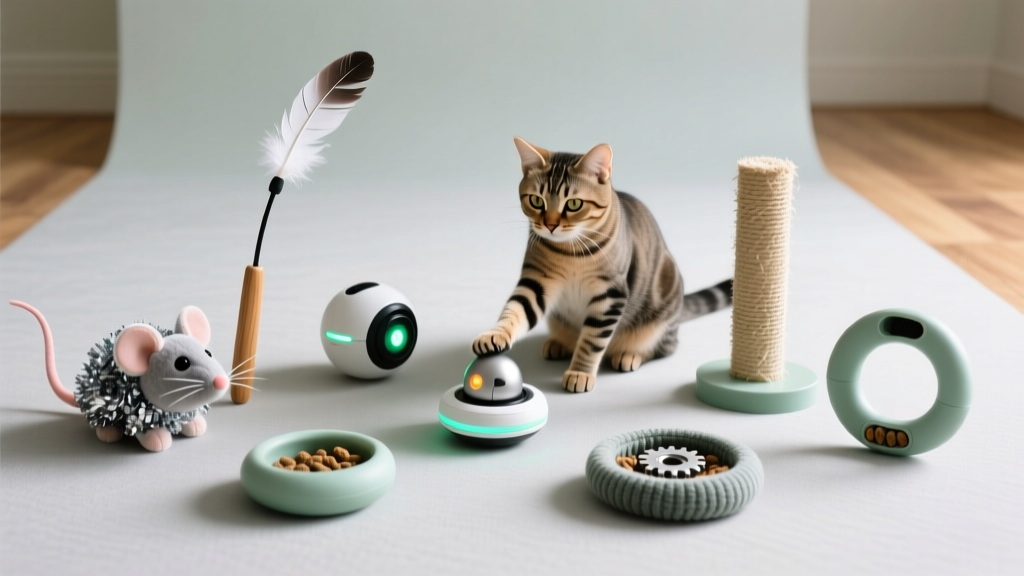
- Enrichment ≠ toys: Offer ‘sniff walks’ (let them explore a safe, scented towel outdoors), food puzzles with kibble dropped into shallow muffin tins (no bending required), or heated beds with familiar blankets.
- Consistency is neuroprotective: Feed, clean litter, and interact at the same times daily. One 2023 UC Davis longitudinal study showed cats with rigid routines declined 31% slower cognitively than those with variable schedules.
Case study: Luna, 13, began hissing when picked up. Her owner stopped lifting entirely and instead sat on the floor, offering treats and letting Luna choose proximity. Within 10 days, Luna initiated contact — resting her head on her owner’s knee. The ‘aggression’ vanished because the trigger (loss of control + physical strain) was removed.
Step 4: Support Brain Health — Because Cognition Shapes Behavior
Feline Cognitive Dysfunction Syndrome (CDS) isn’t ‘dementia’ — it’s a progressive, treatable condition involving oxidative stress, beta-amyloid plaque buildup, and reduced cerebral blood flow. Symptoms include spatial disorientation, altered sleep-wake cycles, decreased interaction, and house-soiling. But unlike human Alzheimer’s, CDS progression can be slowed significantly.
Evidence-based interventions:
- Dietary support: Prescription diets like Hill’s b/d or Royal Canin NeuroCare contain antioxidants (vitamin E, selenium), omega-3s (DHA/EPA), and medium-chain triglycerides (MCTs) proven in clinical trials to improve orientation and reduce confusion signs by 42% over 6 months.
- Supplements: SAM-e (S-adenosylmethionine) and phosphatidylserine show promise in peer-reviewed feline trials — but only under veterinary guidance (dosage is critical; human versions are unsafe).
- Environmental enrichment: Not ‘more stimulation,’ but meaningful repetition: rotating 2–3 familiar toys weekly, using puzzle feeders with consistent mechanics, playing soft classical music during rest periods (studies show reduced cortisol levels).
Dr. Lin notes: “We don’t ‘cure’ CDS — but we absolutely extend quality of life. I’ve seen cats regain recognition of family members and resume using litter boxes after 3 months of combined dietary, environmental, and behavioral support.”
Care Timeline for Behavioral Support in Senior Cats
| Timeline | Action | Tools/Products Needed | Expected Outcome |
|---|---|---|---|
| Days 1–3 | Complete geriatric vet exam; baseline bloodwork & urinalysis | Vet appointment, lab requisition | Medical causes identified or ruled out; treatment plan initiated if needed |
| Days 4–7 | Implement 3 key environmental adaptations (litter box, lighting, sound control) | Low-entry litter box, nightlight, white noise machine | Reduction in stress-related incidents (yowling, hiding, elimination errors) |
| Weeks 2–4 | Introduce micro-interaction routine + Feliway Optimum diffuser | Treat pouch, Feliway Optimum, timer for consistency | Increased voluntary proximity; calmer body language (slow blink frequency ↑) |
| Month 2+ | Add brain-support diet/supplement (vet-approved); track behavior in journal | Prescription food or supplement, printable behavior log | Stabilized or improved orientation, sleep cycle, and social engagement |
Frequently Asked Questions
Can I use clicker training to change my senior cat’s behavior?
Clicker training *can* work for some seniors — but only if introduced gently and paired with high-value, easy-to-consume treats (e.g., tuna paste). Avoid demanding physical actions (jumping, retrieving). Focus on simple, rewarding associations: click + treat when cat calmly enters a new room, or when they voluntarily approach a lowered litter box. Skip it entirely if your cat shows signs of confusion, fear, or fatigue during sessions — forcing engagement increases stress. Most veterinarians recommend positive reinforcement via touch/treat timing over formal training methods for cats over 12.
My senior cat suddenly hates being brushed — is this normal?
Yes — and it’s a vital clue. Arthritis, skin sensitivities (allergies, dryness), dental pain (jaw tension), or nerve inflammation can make brushing painful. Stop immediately. Switch to gentle wiping with a damp microfiber cloth or soft grooming glove used *only* on areas your cat tolerates. If resistance persists, request a dermatological and orthopedic check-up. Never force grooming — it erodes trust and may worsen behavioral withdrawal.
Will medication help change my senior cat’s behavior?
Medication is rarely first-line — but can be essential when behavior stems from anxiety, CDS, or chronic pain unresponsive to environmental and nutritional support. FDA-approved options include selegiline (Anipryl®) for CDS and gabapentin for pain/anxiety. These require strict veterinary supervision: dosing must be titrated slowly, and side effects (lethargy, vomiting) monitored closely. Never use human anti-anxiety meds — they’re toxic to cats. Medication works best as part of a full protocol: environment + nutrition + interaction.
Is it too late to change behavior in a 17-year-old cat?
No — but expectations must shift. At 17, the goal isn’t ‘correction’ but comfort-driven stabilization. Even small wins — like your cat choosing to nap near you instead of hiding, or using a new low-entry box consistently — indicate meaningful progress. A 2024 study in Veterinary Record followed 42 cats aged 15–19: 71% showed measurable improvement in stress behaviors within 8 weeks of tailored environmental adjustments, regardless of cognitive score. Patience, observation, and compassion yield results — even late in life.
Common Myths About Senior Cat Behavior
- Myth #1: “Older cats just get grumpy — it’s normal.” Truth: Irritability, avoidance, or aggression almost always signals discomfort, fear, or neurological change — not personality. Accepting it as ‘normal’ delays care and worsens outcomes.
- Myth #2: “If I ignore bad behavior, it will go away.” Truth: Ignoring medical or environmental triggers allows distress to escalate — potentially leading to chronic anxiety, urinary issues, or self-neglect. Proactive, empathetic intervention is compassionate, not indulgent.
Related Topics (Internal Link Suggestions)
- Feline Cognitive Dysfunction Signs — suggested anchor text: "early signs of cat dementia"
- Best Litter Boxes for Arthritic Cats — suggested anchor text: "low-entry litter boxes for senior cats"
- Geriatric Cat Wellness Exam Checklist — suggested anchor text: "what to ask your vet for senior cats"
- Safe Supplements for Older Cats — suggested anchor text: "vet-approved supplements for senior cats"
- How to Introduce a New Cat to a Senior Cat — suggested anchor text: "introducing cats when one is elderly"
Your Next Step Is Simple — And Profound
You now know that how to change cats behavior for senior cats isn’t about control — it’s about deep listening, respectful adaptation, and partnership rooted in veterinary science and empathy. Start today: pick one action from the Care Timeline table — whether it’s scheduling that wellness exam, lowering a litter box, or placing a nightlight. Small, consistent choices compound into profound improvements in your cat’s comfort, dignity, and joy. Download our free Senior Cat Behavior Journal to track subtle shifts — because the most powerful tool you have isn’t a treat or a spray bottle. It’s your attention, your patience, and your unwavering commitment to seeing your cat — truly — as they are, right now.