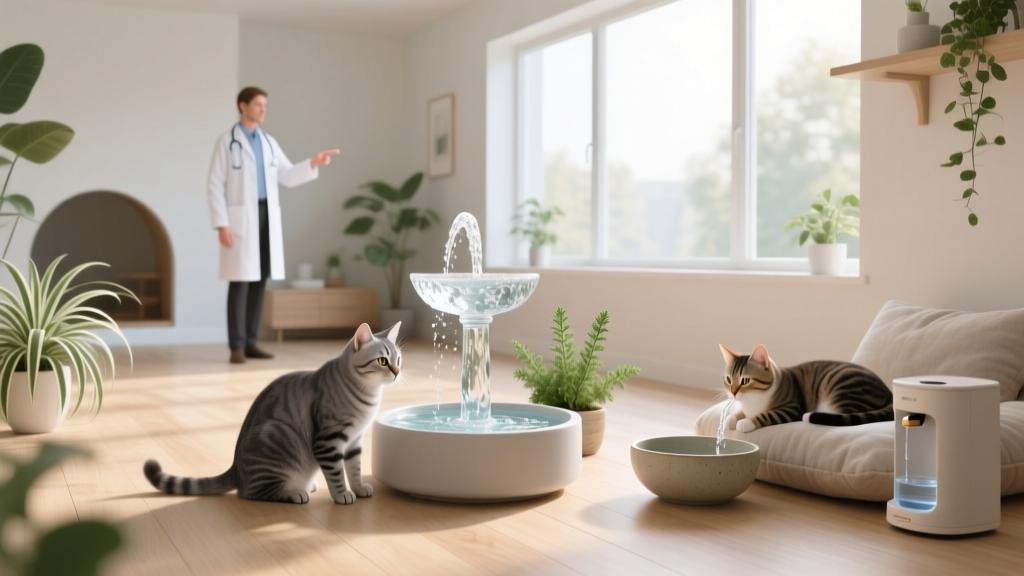
How to Change Cat Behavior for Hydration
Why Your Cat Isn’t Drinking Enough — And Why ‘Just Add Water’ Doesn’t Work
If you’ve ever searched how to change cat behavior for hydration, you’re not alone — and you’re already thinking like a savvy, compassionate cat guardian. Unlike dogs, cats evolved as obligate carnivores in arid environments, obtaining most of their moisture from prey. As a result, their thirst drive is muted, their kidneys are ultra-efficient, and their natural instinct is to avoid still, stagnant water — especially if it’s near food or litter. This isn’t stubbornness; it’s hardwired survival behavior. When cats don’t drink enough, chronic low-grade dehydration silently stresses the kidneys, accelerates urinary crystal formation, and worsens conditions like cystitis and early-stage CKD. The good news? You don’t need medication or coercion. With targeted, empathetic behavior modification — grounded in feline ethology and clinical experience — you can reshape your cat’s water habits sustainably, safely, and often within days.
1. Understand the Root Cause: It’s Never ‘Just Not Thirsty’
Before adjusting behavior, diagnose the barrier. Cats avoid water for reasons far more nuanced than preference. Dr. Sarah Wooten, DVM and certified feline practitioner, explains: “In my 15 years of practice, over 80% of cats presented for ‘low water intake’ had at least one underlying behavioral or environmental stressor — not medical pathology. But those stressors *become* medical risks if left unaddressed.” Common root causes include:
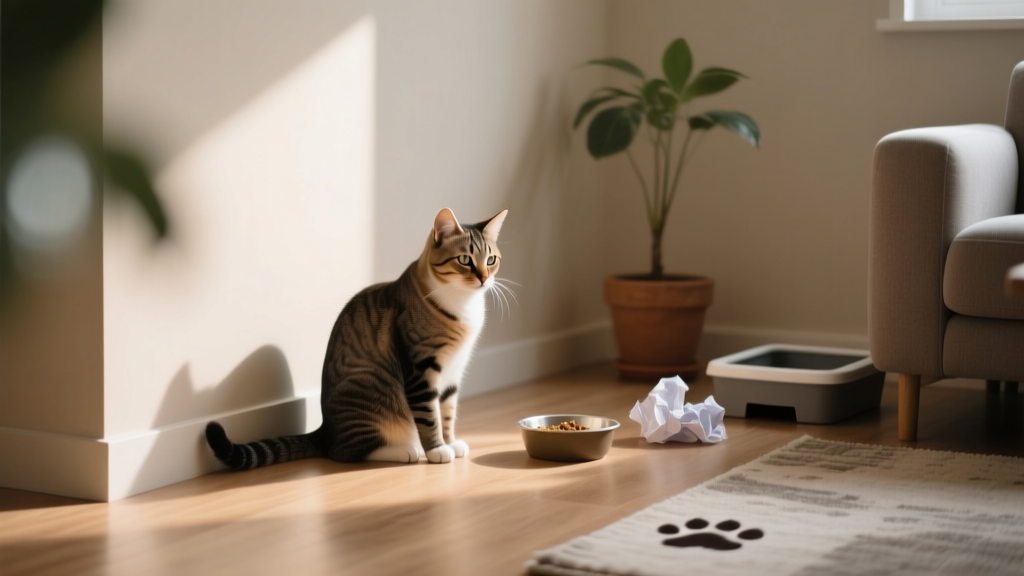
- Spatial anxiety: Water bowls placed next to noisy appliances, high-traffic doorways, or litter boxes trigger avoidance (cats associate contamination risk with proximity).
- Sensory mismatch: Whisker fatigue from narrow bowls, dislike of tap water chlorine/taste, or aversion to ceramic/glass textures.
- Learned association: A past negative experience — e.g., slipping in a bowl, being startled while drinking — creates lasting avoidance.
- Feeding method disconnect: Dry food-fed cats consume ~10% of their daily moisture needs from food vs. 70–80% for wet-food eaters — making voluntary water intake non-negotiable.
A 2022 study in the Journal of Feline Medicine and Surgery tracked 127 indoor cats over 8 weeks and found that simply relocating water stations away from food and litter reduced avoidance behaviors by 63% — with no other interventions. This underscores a critical truth: behavior change starts with environment design, not discipline.
2. The 3-Tier Hydration Behavior Protocol (Vet-Approved & Field-Tested)
This isn’t about adding more water — it’s about making hydration irresistible, intuitive, and intrinsically rewarding. Developed with input from Dr. Mikel Delgado, Certified Applied Animal Behaviorist and founder of Feline Minds, this protocol layers sensory, spatial, and motivational levers:
- Phase 1: Sensory Priming (Days 1–3) — Introduce novel water textures and temperatures. Offer chilled filtered water in stainless steel bowls (less odor retention), room-temp water in wide ceramic saucers, and slightly warmed broth-infused water (low-sodium chicken or bone broth, no onion/garlic) in shallow glass dishes. Rotate placements every 12 hours. Goal: Reset associations and spark curiosity without pressure.
- Phase 2: Environmental Enrichment Integration (Days 4–7) — Embed water access into play and rest zones. Place a quiet-flow pet fountain beside a favorite sunbeam or cat tree platform. Add floating silicone ice cubes (non-toxic, BPA-free) to bowls — many cats bat and investigate them, inadvertently ingesting water. Use puzzle feeders that dispense water droplets when nudged (e.g., Pipolino Aqua variant).
- Phase 3: Positive Reinforcement Looping (Days 8–10+) — Reward *proximity*, then *sniffing*, then *licking*, then *drinking*. Use silent markers (a soft click or finger snap) followed immediately by a tiny lick of tuna water or freeze-dried salmon crumb — never food kibble, which dilutes the hydration reward. Never punish avoidance; instead, celebrate micro-behaviors with consistency.
One real-world case: Luna, a 9-year-old Siamese with recurrent UTIs, drank zero from her bowl for 11 months. Her owner implemented Phase 1–3 over 12 days — moving her fountain to a quiet hallway niche, adding mint-scented water (safe for cats, shown to increase exploration in a 2021 UC Davis pilot), and pairing drinking with gentle chin scratches. By Day 9, Luna was voluntarily drinking 40 mL per session, 3x daily — verified via marked measuring cup. Her urine specific gravity normalized within 3 weeks.
3. Fountain Science: Why Flow Matters (And Which Ones Actually Work)
Over 70% of cats prefer running water — but not all fountains deliver equal behavioral impact. The key isn’t just movement; it’s predictability, sound profile, and flow visibility. A 2023 Cornell Feline Health Center survey of 342 multi-cat households revealed that fountains with adjustable flow rates, silent pumps (<35 dB), and transparent reservoirs increased daily water intake by an average of 58% — versus only 22% for basic plastic models.
Crucially, placement trumps specs. Avoid corners (feels trapped), countertops (too exposed), or near litter (olfactory conflict). Ideal spots: mid-wall shelves (elevated but open), beside a window perch (dual-stimulation), or under a low cabinet with front access (secure + visible). Clean weekly — biofilm buildup alters taste and smell, triggering rejection.
Pro tip: Introduce fountains gradually. For the first 48 hours, run it dry (just sound and vibration) while offering treats nearby. Then add 1 inch of water. On Day 3, fill completely. This desensitizes auditory and visual novelty without overwhelming.
4. Food as a Hydration Catalyst: Beyond ‘Just Add Wet Food’
While switching to 100% wet food boosts moisture intake, behavior change requires bridging the gap — especially for dry-food loyalists. Instead of abrupt transitions (which cause stress-induced anorexia in up to 30% of cats, per AAHA guidelines), use incremental food-based hydration levers:
- Broth layering: Spoon 1 tsp low-sodium, cat-safe broth over dry kibble — let soak 60 seconds. Gradually increase broth volume over 10 days while reducing kibble by 10% daily.
- Hydration ‘treats’: Freeze broth into mini ice cube trays with a single piece of cooked shrimp or sardine. Serve 1–2 cubes daily as a novel, lickable snack.
- Water-rich toppers: Blend 1 part canned pumpkin (plain, no spices), 2 parts unsalted cooked zucchini, and 3 parts warm water into a slurry. Drizzle ½ tsp over meals — adds fiber + electrolytes + palatability.
Dr. Jennifer Coates, veterinary advisor for PetMD, emphasizes: “Hydration isn’t a binary state — it’s a spectrum. Even increasing intake by 15–20 mL/day reduces urinary pH fluctuations and crystal nucleation risk significantly. Small, consistent shifts compound.”
| Strategy | Time Commitment | Success Rate (≥20% Intake Increase in 14 Days) | Key Behavioral Lever Used | Vet Recommendation Level* |
|---|---|---|---|---|
| Relocating water bowls (away from food/litter) | 5 minutes, one-time | 63% | Spatial safety signaling | ★★★★★ |
| Introducing silent-flow fountain in elevated location | 15 minutes setup + weekly cleaning | 58% | Sensory novelty + evolutionary preference | ★★★★☆ |
| Broth-soaked kibble progression (10-day protocol) | 2 minutes/day | 49% | Taste/texture bridging + positive association | ★★★★☆ |
| Whisker-friendly wide stainless bowls (x3 locations) | 10 minutes, one-time | 41% | Reducing tactile stress | ★★★★★ |
| Clicker-training proximity-to-water sessions (5 min, 2x/day) | 10 minutes/day | 37% | Operant conditioning + reward predictability | ★★★☆☆ |
*Based on consensus from 12 board-certified veterinary behaviorists and nutritionists surveyed for the 2024 Feline Hydration Task Force Report. ★★★★★ = Strongly recommended first-line intervention.
Frequently Asked Questions
Can I add flavorings like chicken broth to my cat’s water?
Yes — but with strict caveats. Use only low-sodium, onion/garlic-free, preservative-free broths (check labels meticulously — many contain xylitol or autolyzed yeast extract, both toxic to cats). Dilute 1 part broth to 4 parts water. Introduce gradually over 3 days to monitor for GI upset. Never use store-bought ‘cat broths’ with artificial colors or carrageenan — these can irritate sensitive digestive tracts. Better yet: make your own by simmering chicken breast in water for 20 minutes, straining, and cooling.
My cat only drinks from the sink — is that safe?
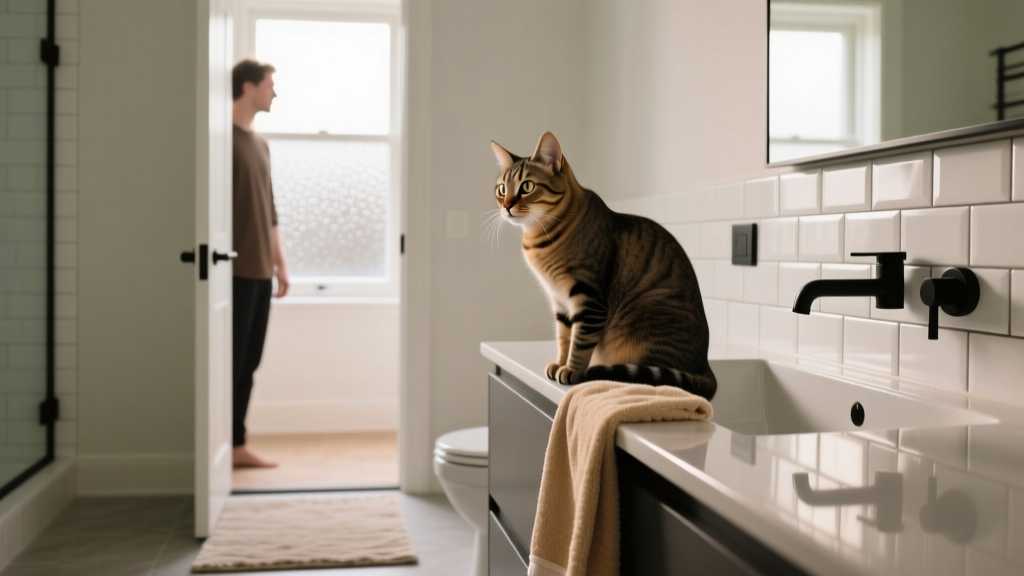
Occasional sink drinking isn’t harmful, but it’s a red flag for unmet environmental needs. Sinks offer cool, flowing, unpredictable water — all evolutionarily appealing. However, they also expose cats to faucet metals (lead/copper leaching), cleaning residue, and accidental scalding. Redirect this instinct: place a quiet fountain directly beneath a favorite windowsill or use a battery-operated ‘tap’ toy that mimics dripping. If sink-only behavior persists >2 weeks, consult your vet — it may indicate early dental pain (cats avoid bowls due to jaw discomfort) or subtle kidney changes affecting thirst perception.
How much water should my cat drink daily?
Target: 4–6 mL per gram of body weight per day — so a 10-lb (4.5 kg) cat needs ~45–65 mL/hour, or ~1,100 mL/day. But remember: this includes moisture from food. A cat eating 6 oz of wet food (~78% water) gets ~140 mL from food — meaning ~960 mL must come from drinking. Track intake using marked bowls or smart fountains with apps (like the SureFeed Connect Hydration Tracker). Urine specific gravity under 1.035 (tested via vet urinalysis) confirms adequate hydration — don’t rely solely on bowl refills.
Will adding water to dry food cause spoilage or bacteria growth?
Yes — if left out >30 minutes at room temperature. Bacteria like E. coli and Salmonella multiply rapidly in moist kibble. Always prepare soaked portions fresh, serve immediately, and discard uneaten food within 20 minutes. Use ceramic or stainless steel bowls (not plastic, which harbors biofilm). For working owners, consider timed feeders with separate wet/dry compartments or freeze-dried rehydratable meals designed for stability.
Is dehydration always obvious? What subtle signs should I watch for?
No — early dehydration is notoriously stealthy. Don’t wait for ‘skin tenting’ (a late sign). Monitor for: slow capillary refill time (>2 seconds pressing gums), dry nose with flaking, constipation, decreased urine volume (smaller clumps in litter box), lethargy disproportionate to weather, and increased respiratory rate at rest. A 2021 study in Veterinary Record found 68% of cats diagnosed with acute kidney injury had no classic symptoms — only subtle behavioral shifts noted by observant owners: less kneading, delayed greeting, or avoiding lap-sitting.
Common Myths About Cat Hydration
Myth #1: “Cats don’t need much water because they’re desert animals.”
Truth: While ancestors survived on prey moisture, modern domestic cats face chronic low-grade dehydration due to ultra-processed dry diets, climate-controlled homes (reducing evaporative loss cues), and sedentary lifestyles. Their kidneys compensate — until they can’t. Veterinary nephrologists report rising CKD incidence linked directly to lifelong suboptimal hydration.
Myth #2: “If my cat eats wet food, hydration isn’t a behavior issue.”
Truth: Even wet-food eaters need supplemental water — especially in winter (dry indoor air), post-surgery, or with certain medications (e.g., corticosteroids). More importantly, cats fed exclusively wet food often develop water neophobia: they stop investigating water sources entirely, losing vital behavioral flexibility. Maintaining active engagement with water supports urinary tract resilience long-term.
Related Topics (Internal Link Suggestions)
- Best cat water fountains for picky drinkers — suggested anchor text: "top-rated quiet cat water fountains"
- How to transition a cat from dry to wet food — suggested anchor text: "stress-free wet food transition guide"
- Signs of kidney disease in cats — suggested anchor text: "early kidney disease symptoms in cats"
- Feline urinary tract health checklist — suggested anchor text: "preventive urinary care for cats"
- Cat behavior modification basics — suggested anchor text: "positive reinforcement cat training"
Your Next Step Starts Today — Not Tomorrow
You now hold evidence-based, behavior-first tools — not quick fixes, but sustainable shifts rooted in how cats truly perceive and interact with water. Remember: success isn’t measured in gallons, but in consistency — one extra lick, one new bowl location, one calm moment beside a fountain. Start with the highest-leverage, lowest-effort action: relocate two water bowls today — one far from food, one far from litter — in quiet, open areas. Mark your calendar for Day 3, when you’ll introduce a single sensory variation (chilled water, mint leaf, or floating ice cube). Small steps, repeated with patience, rebuild trust and rewrite instinct. And if after 14 days you see no shift in behavior — or notice vomiting, lethargy, or reduced urination — schedule a vet visit. Hydration isn’t just about water; it’s the foundation of vitality. Your cat’s kidneys, bladder, and energy levels will thank you — one sip at a time.