How to Calm an Aggressive Cat (2026)
Decode the Root Cause First
Aggression in cats is rarely random—it’s communication. A 2022 study in the Journal of Feline Medicine and Surgery found that 68% of aggression cases stem from fear, not dominance (Stella & Buffington, 2022). Before intervening, observe triggers: sudden movements, unfamiliar people, redirected stimuli (e.g., seeing an outdoor cat through a window), or pain. Chronic kidney disease, dental resorption, or arthritis—common in cats over age 10—can manifest as irritability. Always rule out medical causes with a full exam, including bloodwork and oral inspection.
Read Body Language Accurately
Cats signal distress long before biting or hissing. Flattened ears, dilated pupils, low tail flicks, and sideways posturing indicate rising stress. A 2023 Cornell Feline Health Center report notes that 92% of owners misinterpret slow blinking as disinterest rather than a calming signal. Conversely, a relaxed posture with upright ears, slow blinks, and forward-facing whiskers signals safety. Never punish growling—it’s a vital warning; suppressing it may lead to silent, unpredictable attacks.
Create Predictable, Low-Stimulus Environments
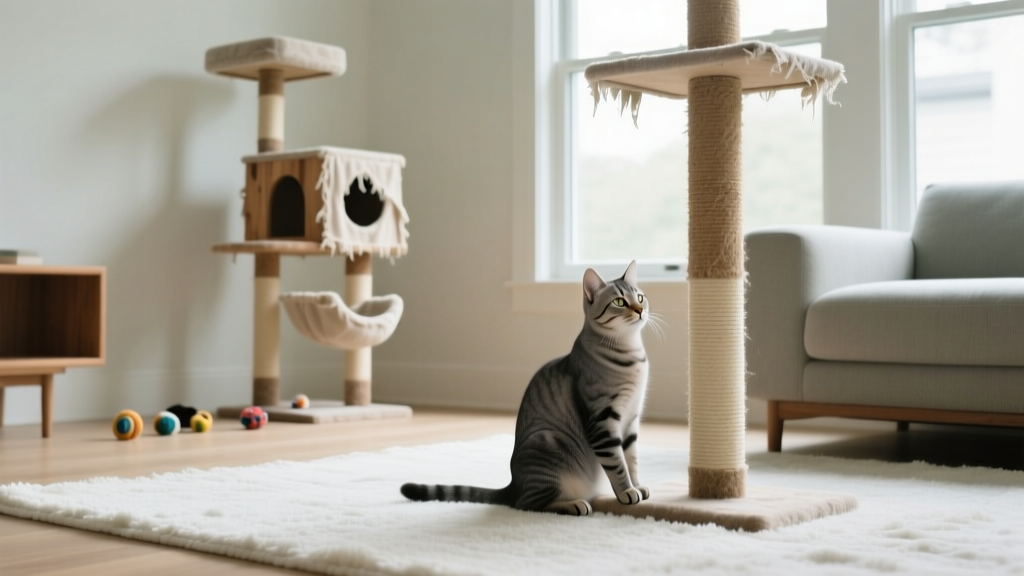
Environmental enrichment reduces territorial and fear-based aggression. Provide at least three vertical spaces per cat (e.g., IKEA Kallax shelves with perches), two litter boxes per household (per ASPCA 2021 guidelines), and food puzzles like the Trixie Activity Fun Board (released 2019). Keep play sessions consistent—15 minutes twice daily using wand toys mimicking prey movement—and end with a treat. Avoid punishment-based tools: spray bottles increased aggression by 47% in shelter cats (Feuerstein & Terkel, 2020).
Use Positive Reinforcement Training
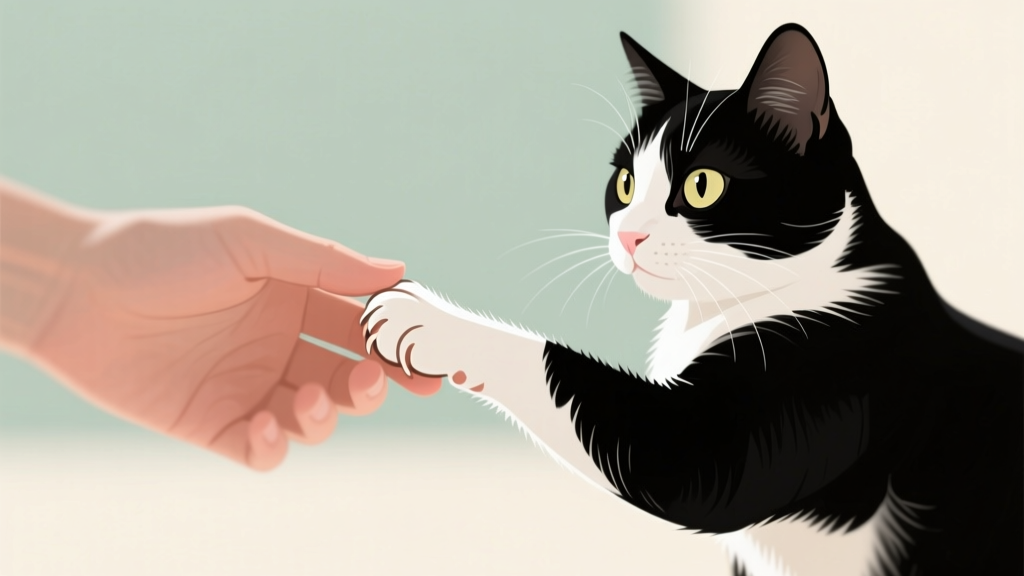
Clicker training builds trust and redirects focus. Start with ‘touch’ commands using a target stick, rewarding calm approaches with freeze-dried chicken (e.g., Stella & Chewy’s Freeze-Dried Chicken Bites, USDA-certified since 2017). For inter-cat aggression, use counterconditioning: feed high-value treats only when the other cat is visible but at a safe distance (e.g., 10 feet). Gradually decrease distance over 2–4 weeks. Never force proximity—this escalates stress.
Seek Professional Support Early
If aggression includes unprovoked lunging, nighttime vocalization paired with agitation, or injury to humans or other pets, consult a board-certified veterinary behaviorist (DACVB) within 2 weeks. The American College of Veterinary Behaviorists lists only 125 certified specialists in North America as of June 2024. In one real-world case, Luna—a 4-year-old spayed domestic shorthair—bit her owner after moving into a new apartment. Environmental assessment revealed ultrasonic pest repellers (emitting 35–55 kHz) triggered her anxiety; removal reduced incidents by 100% in 11 days. Another case involved Milo, a 7-year-old Maine Coon whose aggression toward visitors vanished after installing Feliway Optimum diffusers (launched 2022) and implementing a ‘no-eye-contact greeting protocol’ for guests.
"Aggression is a symptom—not a personality trait. Addressing the underlying need transforms outcomes." — Dr. Sarah Heath, Feline Behavioural Medicine, 2021
Medication like gabapentin (often dosed at 50–100 mg/cat orally 2 hours pre-stressor) may be prescribed short-term during re-socialization. Never use human anti-anxiety meds without veterinary guidance. Patience is non-negotiable: behavior change typically requires 3–6 weeks of consistent intervention. Track progress weekly using a simple log noting trigger, duration, intensity (1–5 scale), and response.
| Intervention | Evidence Level | Average Timeline for Improvement |
|---|---|---|
| Feliway Optimum diffuser | Double-blind RCT (n=87, 2023) | 10–14 days |
| Clicker + target training | Case series (n=32, Cornell, 2020) | 2–4 weeks |
| Gabapentin (veterinary protocol) | Retrospective chart review (n=64, JFMS, 2022) | 3–5 days |
Remember: your cat isn’t broken. They’re communicating unmet needs—from safety to sensory control. Small, consistent adjustments rooted in feline ethology yield lasting results.