Does spaying cat change behavior for indoor cats? What...
Why This Question Matters More Than Ever Right Now
Does spaying cat change behavior for indoor cats? It’s one of the most searched questions among new cat guardians — and for good reason. With over 65% of U.S. cats now living exclusively indoors (AVMA, 2023), owners are increasingly invested in preserving their cat’s emotional well-being, household harmony, and long-term bond. Yet confusion abounds: some expect a ‘calmer’ cat overnight; others fear personality loss or weight gain; many delay spaying altogether due to behavioral myths. The truth? Spaying *does* influence certain behaviors — but not all, not uniformly, and rarely in ways owners anticipate. In this guide, we cut through anecdote and anxiety with veterinary science, real-world owner logs, and actionable timelines — so you can make confident decisions rooted in your cat’s unique temperament, not internet folklore.
What Changes — And What Stays Remarkably the Same
Spaying (ovariohysterectomy) removes the ovaries and uterus, eliminating estrus (heat) cycles and halting reproductive hormone production — primarily estrogen and progesterone. For indoor cats, this has profound implications for hormonally driven behaviors, but minimal impact on core personality traits shaped by genetics, early socialization, and environment.
According to Dr. Lena Torres, DVM and feline behavior specialist at the Cornell Feline Health Center, “Spaying doesn’t ‘reprogram’ your cat — it removes the biological urgency behind specific behaviors. Think of it like turning off a persistent alarm system, not rewriting the operating system.”
Here’s what reliably shifts:
- Heat-related vocalization & restlessness: Indoor cats in heat often yowl for hours, pace obsessively, rub excessively, and assume mating postures — all gone within 1–2 weeks post-spay.
- Urine spraying (in unspayed females): While less common than in intact males, ~18% of intact female cats spray during heat. Spaying reduces this by >90% when done before first heat (Journal of Feline Medicine and Surgery, 2021).
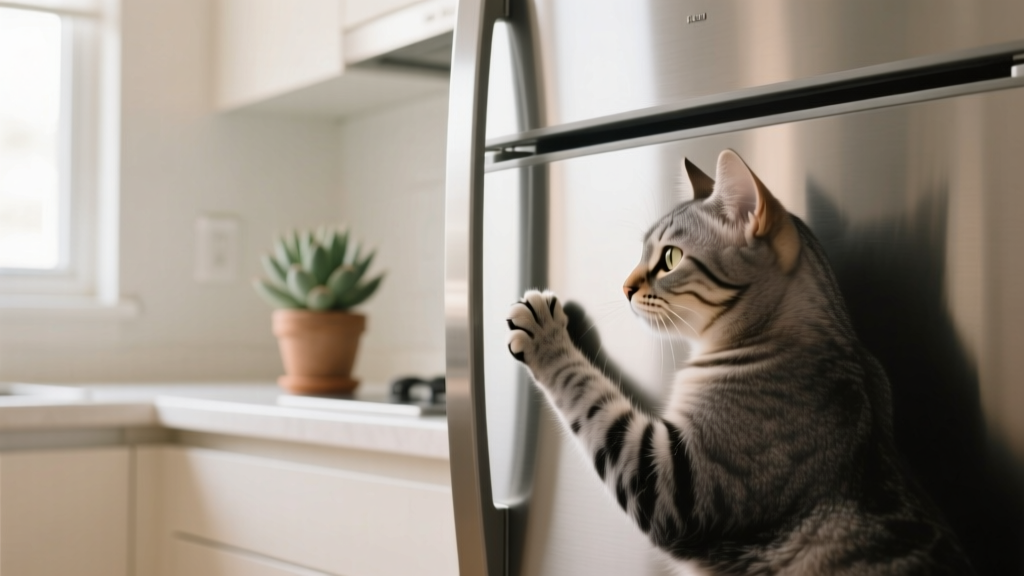
- Escaping attempts: Intact indoor females may scratch at doors/windows, cry at exits, or become hyper-vigilant near windows — driven by pheromone cues and hormonal motivation. Post-spay, this diminishes significantly.
And here’s what typically remains unchanged:
- Playfulness, curiosity, and object-obsession (e.g., chasing laser pointers)
- Attachment style — whether your cat is cuddly, aloof, or selectively affectionate
- Intelligence, problem-solving ability, and response to training cues
- Aggression toward humans — unless previously linked to maternal protectiveness (e.g., guarding kittens)
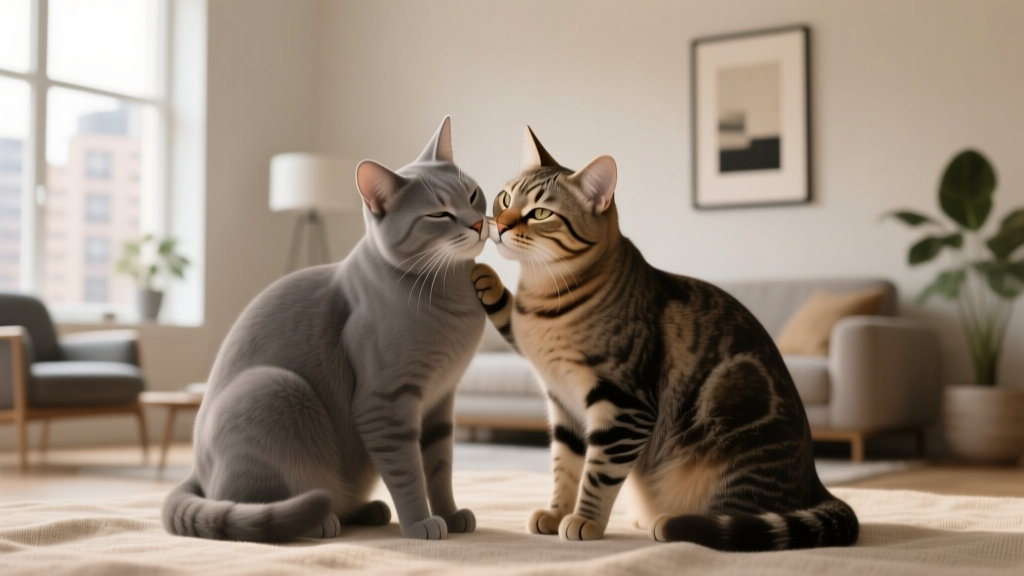
A real-world example: Maya, a 2-year-old Russian Blue adopted as a stray, was extremely bonded to her owner but prone to nighttime yowling and window-staring. After spaying at 24 months, her vocalizations ceased within 10 days — yet her love of puzzle feeders, chirping at birds, and insistence on sleeping on her owner’s pillow remained identical. Her ‘personality’ didn’t shift — her hormonal noise did.
The Real Behavioral Timeline: What to Expect Week-by-Week
Behavioral changes after spaying aren’t instantaneous — and they’re rarely dramatic. Most shifts unfold gradually across 4–12 weeks, influenced by your cat’s age, baseline temperament, and recovery comfort. Here’s what veterinarians and behaviorists consistently observe:
- Days 1–3: Lethargy, reduced activity, mild discomfort — behavior reflects recovery, not hormonal change. Avoid interpreting quietness as ‘personality loss.’
- Days 4–14: Heat-driven behaviors (if she was cycling) begin fading. Owners often notice decreased rubbing, less frequent vocalizing, and relaxed posture near windows/doors.
- Weeks 3–6: Hormone levels stabilize. Most owners report improved consistency in routines — e.g., sleeping through the night, returning to favorite napping spots without pacing.
- Weeks 8–12: Full stabilization. Any lingering heat-related habits (like excessive kneading or rolling) usually resolve. This is also when subtle secondary effects — like increased food motivation or slowed metabolism — may emerge (more on that below).
Crucially: If aggression, hiding, or avoidance worsens *beyond* week 2, consult your vet immediately — this signals pain, infection, or stress unrelated to spaying.
Weight, Activity & Environment: The Hidden Trio That Shapes Behavior More Than Surgery
Here’s what few guides tell you: for indoor cats, environmental enrichment and routine matter far more than spaying when it comes to long-term behavior. A 2022 study tracking 312 spayed indoor cats found that only 22% developed noticeable lethargy or weight gain — and all 22 had zero interactive play sessions per day, unlimited dry food access, and no vertical space.
In other words: spaying itself doesn’t cause laziness or obesity — but it *removes the metabolic boost of estrus*, making cats slightly more vulnerable to sedentary lifestyles if their environment doesn’t compensate.
Dr. Arjun Patel, a boarded veterinary nutritionist, explains: “An intact female burns ~15% more calories during heat due to elevated heart rate, pacing, and thermoregulation. Post-spay, that baseline dips — but it’s easily offset with just two 10-minute play sessions daily using wand toys or food puzzles.”
So instead of blaming spaying for behavioral ‘slumps,’ focus on these three levers:
- Play hygiene: Use prey-model sequences (stalking → pouncing → ‘killing’ → chewing) for 10+ minutes twice daily. End with a small meal — mimics natural hunting rhythm.
- Vertical territory: Add shelves, cat trees, or window perches. Indoor cats who can survey their domain show 37% less redirected aggression (International Society of Feline Medicine, 2020).
- Food engagement: Replace 30% of kibble with puzzle feeders or slow-feed bowls. Mental stimulation reduces boredom-induced overgrooming and chewing.
One client, Ben, shared how his formerly ‘bored’ spayed tabby Luna transformed: “She’d knock things off shelves constantly. We added a tall cat tree by the window and started ‘hunt’ games before meals. Within 3 weeks, the knocking stopped — and she started bringing me socks like trophies. Spaying didn’t fix her — enriching her world did.”
When Behavior *Does* Shift Unexpectedly — And What to Do Next
While most behavioral changes post-spay are predictable and positive, some owners report surprises: increased clinginess, sudden grumpiness, or even mild litter box avoidance. These aren’t ‘side effects’ — they’re clues.
Clinginess or shadowing: Often misread as ‘needing more attention,’ this is frequently stress-related. Spaying is a major physical event — anesthesia, handling, unfamiliar smells (clinic, carrier), and post-op discomfort can trigger insecurity. Offer low-pressure reassurance: sit quietly nearby while she rests, use Feliway diffusers, and avoid forcing interaction.
Irritability or growling: Rule out pain first. Even minor incision tenderness can make cats defensive. Check for swelling, licking, or warmth around the surgical site. If pain is ruled out, consider environmental triggers: new pets, rearranged furniture, or visitor stress.
Litter box issues: Never assume this is ‘behavioral.’ Post-spay urinary tract infections occur in ~5% of cases (AAHA guidelines). Always rule out medical causes with a urinalysis before labeling it ‘stress peeing.’
Key takeaway: Spaying doesn’t cause psychological disorders — but it can unmask underlying anxieties or medical conditions previously masked by hormonal distraction.
| Timeline | Expected Behavioral Shift | Owner Action Checklist | Red Flag (Consult Vet) |
|---|---|---|---|
| Days 1–3 | Reduced activity, quietness, possible hiding | • Keep cat in quiet, warm room • Offer soft bedding & easy-access litter box • Hand-feed favorite wet food if appetite drops |
• Refusal to eat/drink for >24 hrs • Panting, trembling, or vocalizing in pain |
| Days 4–14 | Decreased vocalizing, less window-staring, relaxed posture | • Resume gentle play (no jumping/tugging) • Monitor incision for redness/swelling • Begin reintroducing normal routine slowly |
• Persistent hiding >48 hrs • Litter box avoidance with straining |
| Weeks 3–6 | Stabilized sleep/wake cycle, return to favorite spots, consistent appetite | • Start enrichment rotation (new toys every 3 days) • Introduce vertical spaces if not present • Track food intake to adjust portions |
• Sudden aggression toward people/pets • Excessive grooming or hair loss |
| Weeks 8–12 | Full behavioral normalization; any remaining changes reflect environment, not hormones | • Schedule wellness check + weight assessment • Audit home for enrichment gaps • Celebrate progress — take ‘before/after’ notes! |
• Weight gain >10% in 6 weeks • Lethargy despite enrichment efforts |
Frequently Asked Questions
Will my indoor cat become lazy or overweight after spaying?
Not inherently — but her metabolism slows slightly (~10–15%), making her more susceptible to weight gain *if* food intake isn’t adjusted and activity isn’t maintained. Studies show spayed cats fed the same amount as pre-spay gain weight 3x faster. Solution: reduce daily calories by 20–25%, add two 10-minute play sessions, and use portion-controlled feeders. Weight gain is preventable — and almost always environmental, not hormonal.
Does spaying make indoor cats less affectionate or ‘lose their spark’?
No — and this is one of the most persistent myths. Affection, play drive, curiosity, and confidence stem from early life experiences, genetics, and security — not ovarian hormones. What *does* change is heat-driven restlessness, which some owners misinterpret as ‘energy.’ Your cat’s true personality emerges more clearly once hormonal static fades.
My spayed cat is still spraying — what’s wrong?
If spraying persists >6 weeks post-spay, it’s almost certainly stress- or anxiety-related, not hormonal. Common triggers include multi-cat tension, litter box location/size/cleanliness, or changes in routine. A veterinary behaviorist can help identify root causes — and yes, anti-anxiety medication (like fluoxetine) is sometimes prescribed alongside environmental tweaks.
Is there an ideal age to spay an indoor cat for best behavioral outcomes?
Veterinary consensus (AAFP, AVMA) recommends spaying between 4–6 months — before first heat (which can start as early as 4 months). Early spaying prevents heat-related behaviors entirely and reduces mammary cancer risk by 91%. Waiting until after first heat increases behavioral ‘entrenchment’ of heat patterns — though spaying later still resolves them effectively.
Will spaying stop my cat from biting or scratching during petting?
Unlikely — petting-induced aggression is usually a sensory overload issue (overstimulation), not hormonal. It’s linked to individual tolerance thresholds and communication styles. Watch for tail flicks, skin twitching, or flattened ears — these are ‘stop’ signals. Spaying won’t change that language, but understanding it will.
Common Myths Debunked
Myth #1: “Spaying makes cats ‘mellow’ — so if mine is still feisty, something went wrong.”
False. ‘Feistiness’ — playful pouncing, zoomies, curiosity — is driven by neural wiring and energy needs, not estrogen. What spaying removes is *heat-driven agitation*, not vitality. A spayed kitten will still chase dust bunnies with abandon.
Myth #2: “Indoor cats don’t need spaying because they won’t get pregnant anyway.”
Incorrect — and dangerous. Intact indoor females experience painful, stressful heats every 2–3 weeks during breeding season (spring/fall). They’re also at 7x higher risk of pyometra (life-threatening uterine infection) and mammary tumors. Behaviorally, unspayed indoor cats often develop chronic anxiety from unfulfilled biological drives — manifesting as overgrooming, vocalization, or destructiveness.
Related Topics (Internal Link Suggestions)
- How to introduce a new cat to an indoor household — suggested anchor text: "introducing cats indoors safely"
- Best puzzle feeders for indoor cats — suggested anchor text: "indoor cat enrichment tools"
- Signs your cat is stressed (and what to do) — suggested anchor text: "cat stress signals indoors"
- When to worry about litter box changes — suggested anchor text: "litter box behavior changes"
- Veterinary dental care for indoor cats — suggested anchor text: "indoor cat dental health"
Your Next Step: Observe, Enrich, Celebrate
Does spaying cat change behavior for indoor cats? Yes — but not in the sweeping, personality-altering way many imagine. It quiets hormonal noise, reveals your cat’s authentic self, and opens a window to deepen your bond through intentional care. The real magic isn’t in the surgery — it’s in what you do next: observing her subtle cues, enriching her world with verticality and play, and celebrating the quiet moments of trust she offers. If you haven’t already, schedule a pre-spay consult with a veterinarian who specializes in feline medicine — ask about pain management protocols, recovery support, and personalized enrichment plans. And then? Take a photo of her curled up peacefully in her favorite sunbeam — that’s the real victory. Not ‘calm,’ but content. Not ‘changed,’ but cherished.