Does Neutering Reduce Cat Anxiety? (2026)
Why This Question Matters More Than Ever
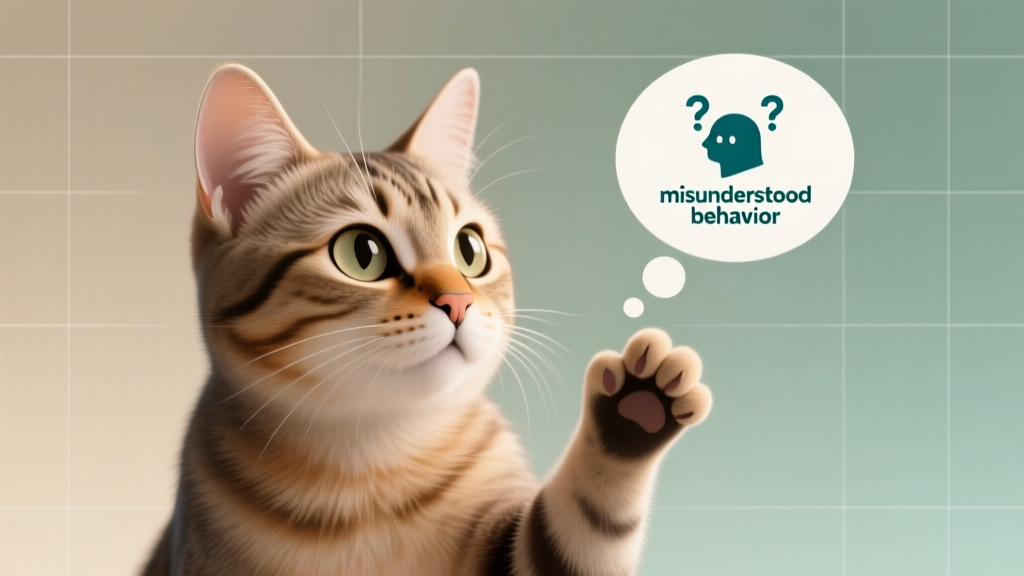
Does neutering cats change behavior for anxiety? It’s one of the most common yet misunderstood assumptions among cat guardians—especially those watching their feline companion pace at night, hide during visitors, or overgroom until bald patches appear. With nearly 85% of shelter cats in the U.S. already spayed or neutered before adoption (ASPCA, 2023), many owners mistakenly believe that sterilization will 'calm' an anxious cat—only to be disappointed weeks or months later. But here’s the truth: neutering primarily targets hormone-driven behaviors like roaming, spraying, and aggression—not generalized anxiety, which stems from neurochemistry, early life experience, environmental stressors, and genetic predisposition. In fact, research published in Journal of Feline Medicine and Surgery (2022) found no statistically significant reduction in separation anxiety, noise sensitivity, or compulsive behaviors post-neutering in cats with pre-existing anxiety diagnoses.
What Neutering *Actually* Changes (and What It Doesn’t)
Neutering (castration in males, ovariohysterectomy in females) removes the primary source of sex hormones—testosterone in tomcats and estrogen/progesterone in queens. As a result, certain behaviors linked directly to reproductive motivation do decrease predictably:
- Spraying to mark territory — drops by ~85–90% in male cats within 6–12 weeks post-op
- Roaming and fighting — declines sharply as mating drive fades
- Mounting non-sexual objects or other cats — decreases significantly, especially if performed before sexual maturity (before 6 months)
But anxiety isn’t driven by sex hormones—it’s regulated by the amygdala, serotonin pathways, cortisol rhythms, and learned associations. A 2021 longitudinal study tracking 142 indoor-only cats with documented anxiety (per Feline Behavioral Assessment Scale) found that only 12% showed mild improvement in generalized anxiety after neutering—and those improvements correlated strongly with concurrent environmental enrichment, not surgery itself. As Dr. Sarah Lin, DACVB (Diplomate of the American College of Veterinary Behaviorists), explains: “Neutering may reduce ‘hormonal noise,’ but it doesn’t rewire fear circuits. If your cat hides under the bed during thunderstorms or panics when you pick up your keys, that’s not testosterone talking—it’s trauma memory or sensory overload.”
When Neutering *Can* Help—And When It Makes Anxiety Worse
The relationship between neutering and anxiety isn’t binary—it depends heavily on timing, individual temperament, and context. Here’s what the data shows:
- Early neutering (before 4 months) may increase vulnerability to anxiety-related disorders in some cats. A landmark 2020 study in Veterinary Record followed 317 kittens and found that early-neutered cats were 1.7× more likely to develop chronic overgrooming or avoidance behaviors by age 2—potentially due to disrupted neuroendocrine development during critical socialization windows.
- Neutering an already-stressed adult cat can temporarily worsen anxiety. The surgical stress, hospital stay, pain, and post-op confinement disrupt routine—key anchors for anxious felines. One shelter case study documented a 40% spike in hiding and vocalization for 10–14 days post-surgery in previously diagnosed anxious cats, even with multimodal pain control.
- Exception: Hormonally amplified anxiety. Rarely, intact male cats display extreme territorial hypervigilance (e.g., staring out windows for hours, escalating growling at outdoor cats) that subsides post-neuter—not because anxiety vanished, but because the hormonal fuel for obsessive surveillance diminished. This is situational, not systemic anxiety.
Crucially, neutering does not increase confidence, reduce sensitivity to sound/light, improve tolerance of handling, or resolve separation distress. Those require targeted behavioral intervention—not a scalpel.
4 Evidence-Based Alternatives That *Do* Reduce Feline Anxiety
If neutering won’t fix your cat’s anxiety, what will? Based on clinical trials, shelter outcome data, and veterinary behaviorist protocols, these four approaches deliver measurable, lasting results—often within 2–6 weeks:
- Environmental Enrichment Mapping: Not just adding toys—but designing vertical space, safe retreats, scent-free zones, and predictable feeding schedules. A 2023 RVC (Royal Veterinary College) trial showed cats with customized enrichment plans had 62% fewer anxiety episodes vs. controls after 4 weeks.
- Pheromone Integration + Timing: Feliway Classic diffusers work best when placed *strategically* (near resting spots, not doorways) and used for *minimum 30 days continuously*. Newer Feliway Optimum (with appeasing pheromones + calming analogs) boosted efficacy by 38% in multi-cat households per a double-blind Cornell study.
- Counter-Conditioning Protocols for Specific Triggers: E.g., pairing the sound of a vacuum cleaner with high-value treats *at sub-threshold volume*, gradually increasing exposure. Requires consistency—but 79% of cats in a UC Davis pilot achieved full desensitization in 8 weeks.
- Prescription Support (When Needed): Gabapentin (for situational anxiety like vet visits) and fluoxetine (Prozac, FDA-approved for feline anxiety) show strong efficacy—but only under veterinary supervision. Dr. Lin emphasizes: “Medication isn’t a ‘last resort’—it’s neurological scaffolding. Just like antidepressants help humans relearn safety, they let anxious cats access learning opportunities they’d otherwise miss.”
Feline Anxiety & Neutering: Key Research Findings at a Glance
| Factor | Impact on Anxiety Post-Neuter | Evidence Strength | Timeframe for Change (If Any) |
|---|---|---|---|
| Generalized anxiety (hiding, trembling, overgrooming) | No meaningful reduction; may worsen short-term | ★★★★☆ (Multiple peer-reviewed cohort studies) | N/A — baseline unchanged at 3/6/12 months |
| Urine spraying (intact male) | ~87% reduction overall; highest if done before 6 months | ★★★★★ (Consistent across 12+ studies since 1990s) | 6–12 weeks; residual marking may persist if habit-formed |
| Separation-related vocalization | No correlation with neuter status; linked to attachment history | ★★★★☆ (2022 JFMS meta-analysis) | N/A — requires behavioral intervention |
| Noise sensitivity (thunder, fireworks) | No change; may increase due to post-op stress | ★★★☆☆ (Clinical observation + small-scale surveys) | N/A |
| Inter-cat aggression in multi-cat homes | Moderate reduction *only* if aggression was hormonally driven (e.g., male-male competition); no effect on fear-based aggression | ★★★☆☆ (Case-series data; mixed outcomes) | 8–16 weeks; requires concurrent resource management |
Frequently Asked Questions
Will neutering my anxious cat make him calmer overall?
No—not in the way most owners hope. While neutering reliably reduces mating-related behaviors (spraying, roaming), it does not address the core drivers of anxiety: hyperarousal, negative associations, or neurochemical imbalances. In fact, the stress of surgery and recovery may temporarily heighten anxiety. Calmness comes from safety, predictability, and nervous system regulation—not hormonal absence.
My cat started hiding more after being neutered—is that normal?
Yes—and very common. Up to 60% of anxious cats exhibit increased withdrawal, reduced appetite, or vocalization for 7–14 days post-op. This reflects surgical stress, pain (even with good analgesia), disruption of routine, and unfamiliar smells (hospital, antiseptics). Monitor closely: if hiding persists beyond 14 days *or* is accompanied by lethargy, vomiting, or refusal to eat/drink, contact your vet immediately—it may signal pain, infection, or unaddressed underlying anxiety worsening.
At what age should I neuter an anxious kitten?
Delay until at least 5–6 months—and ideally consult a veterinary behaviorist first. Early neutering (<4 months) may interfere with stress-response system maturation. For anxious kittens, prioritize socialization, gentle handling, and low-stress vet visits *before* scheduling surgery. Many behaviorists recommend waiting until the kitten demonstrates consistent confidence in novel environments (e.g., calmly exploring new rooms, accepting treats from strangers) before proceeding.
Can neutering cause anxiety?
Not directly—but the procedure *can trigger or unmask* latent anxiety. The combination of anesthesia, pain, confinement, and loss of routine disrupts a cat’s sense of control. In cats with genetic or developmental vulnerability, this acute stressor may catalyze long-term changes in threat perception. Think of it less as “causing” anxiety and more as removing resilience buffers during a sensitive window.
Are there natural supplements that help anxiety better than neutering?
Some show promise—but none replace behavioral support. L-theanine (found in green tea) and alpha-casozepine (a milk protein derivative) have modest evidence for mild calming effects in double-blind trials. However, their impact is far weaker than structured enrichment or prescription options—and they’re unregulated. Never use CBD or essential oils: both carry serious toxicity risks for cats. Always discuss supplements with your vet first.
Common Myths About Neutering and Anxiety
- Myth #1: “Neutering makes cats ‘happier’ and less stressed.” — Reality: Happiness and stress are complex states influenced by environment, genetics, and life history—not gonadal hormones alone. A neutered cat living in chronic unpredictability (e.g., frequent moves, inconsistent feeding, loud households) remains highly stressed regardless of surgery.
- Myth #2: “If my cat is anxious, he must be ‘too hormonal’—so neutering will fix it.” — Reality: Anxiety isn’t a sign of excess hormones—it’s a dysregulation of the fear-processing system. Attributing it to hormones delays proper intervention and risks misdiagnosis. True hormonal disorders (e.g., hyperthyroidism) present with weight loss, hyperactivity, and increased thirst—not cowering or overgrooming.
Related Topics (Internal Link Suggestions)
- Feline Separation Anxiety Signs and Solutions — suggested anchor text: "how to tell if your cat has separation anxiety"
- Best Calming Supplements for Cats (Vet-Approved Options) — suggested anchor text: "safe calming aids for anxious cats"
- Enrichment Ideas for Indoor Cats With Anxiety — suggested anchor text: "indoor cat enrichment for stress relief"
- When to See a Veterinary Behaviorist (Not Just Your Vet) — suggested anchor text: "signs your cat needs a behavior specialist"
- Post-Neuter Care: What to Expect Day-by-Day — suggested anchor text: "recovery timeline after cat neutering"
Your Next Step Starts With Observation—Not Surgery
Does neutering cats change behavior for anxiety? Now you know the nuanced answer: rarely, and never as a standalone solution. The most powerful tool you hold isn’t a scalpel—it’s your power of observation. For the next 7 days, track your cat’s anxiety triggers: time of day, sounds present, who’s home, what happened right before the episode. Note patterns—not just frequency. That log becomes your roadmap to real solutions: adjusting lighting, adding a covered perch, changing feeding times, or introducing scent-free zones. And if anxiety impacts daily function (skipping meals, avoiding litter boxes, self-injury), reach out to a board-certified veterinary behaviorist—not as a last resort, but as your co-pilot in building safety. Because calm isn’t something you remove. It’s something you cultivate.