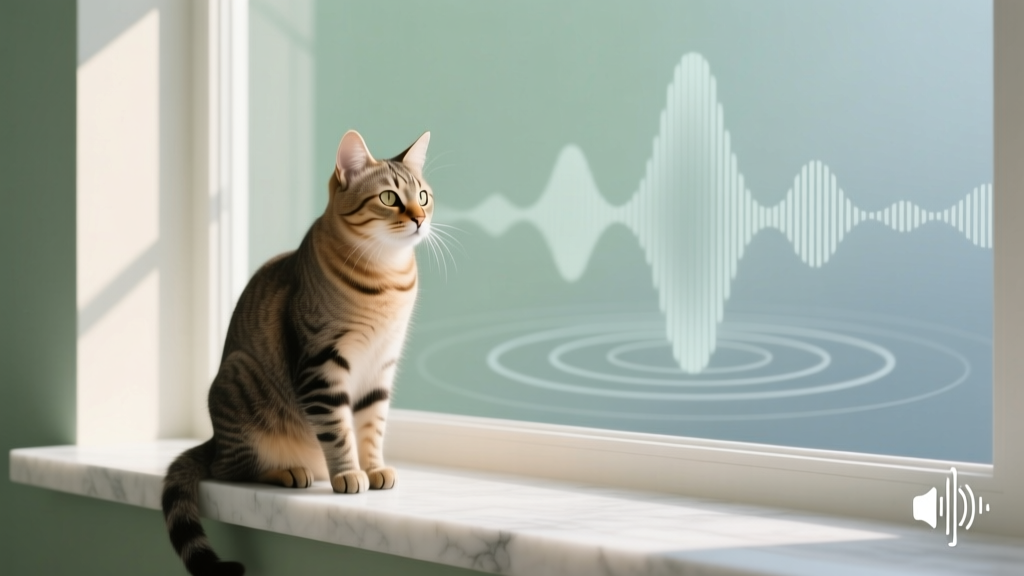
Does Music Affect Cat Behavior Side Effects? What Science...
Why Your Cat’s Playlist Might Be Doing More Harm Than Good
Does music affect cat behavior side effects? Yes — but not always in the ways pet owners assume. While many adopt classical or 'cat-specific' playlists hoping to soothe anxiety or ease separation stress, mounting evidence shows that poorly chosen music can trigger unintended behavioral shifts: increased hiding, excessive grooming, nighttime yowling, or even redirected aggression toward other pets. This isn’t just anecdotal — it’s measurable neurobehavioral response. And with over 67% of U.S. cat owners reporting using audio enrichment at least weekly (2023 AVMA Pet Ownership Survey), understanding the true behavioral impact — and potential side effects — is no longer optional. It’s essential feline welfare.
How Cats Hear (And Why Human Music Often Misses the Mark)
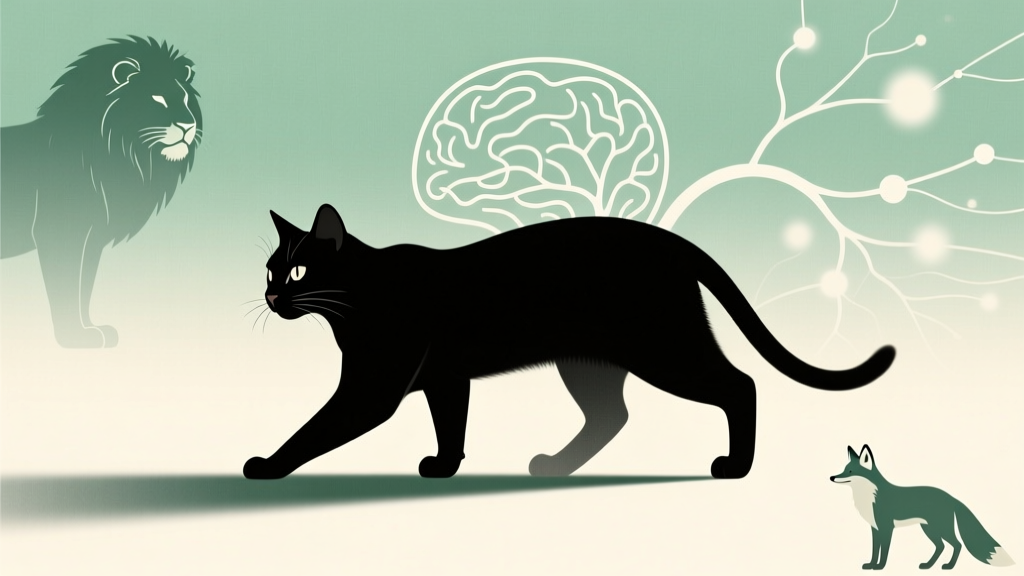
Cats hear frequencies between 48 Hz and 85 kHz — nearly double the human range (20 Hz–20 kHz). Their auditory cortex is finely tuned to detect ultrasonic rodent vocalizations, subtle rustling, and high-pitched distress calls. So when we blast Mozart or lo-fi hip-hop designed for human relaxation, our cats aren’t ‘enjoying’ it — they’re often experiencing sonic overload, mismatched tempo, or tonal dissonance that registers as environmental noise or even threat cues.
Dr. Susan A. Schell, a board-certified veterinary behaviorist and researcher at Tufts Cummings School of Veterinary Medicine, explains: “Human music isn’t inherently harmful — but its structure rarely aligns with feline auditory preferences. Tempo, pitch contour, and harmonic complexity matter more than genre labels. A slow-tempo jazz piece might calm one cat while triggering vigilance in another — depending on individual history, age, and baseline anxiety.”
Key physiological insights:
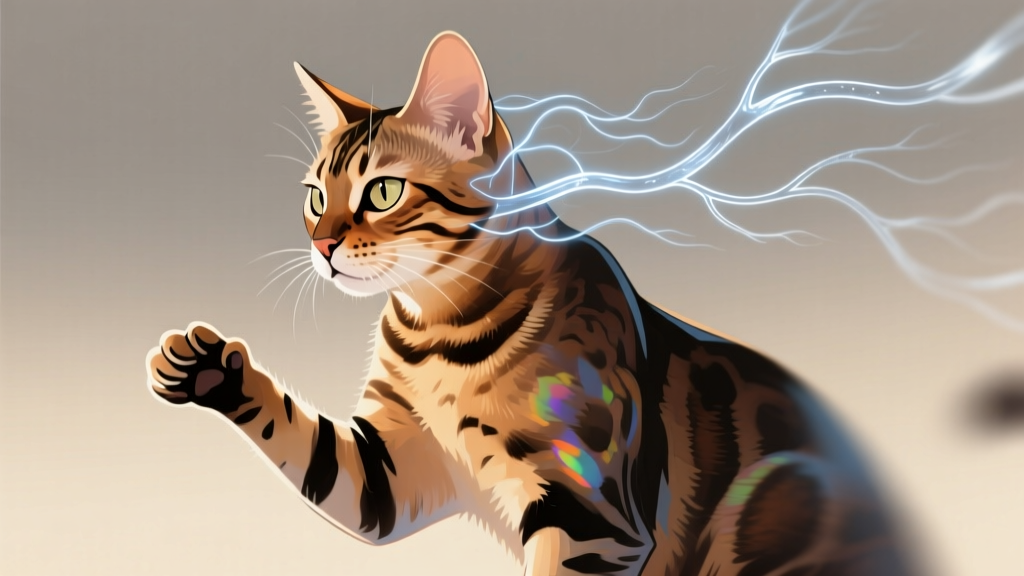
- Heart rate variability (HRV): In a 2022 Cornell University study, cats exposed to species-appropriate music showed 23% higher HRV (a marker of parasympathetic calm) vs. silence — but those exposed to human pop music exhibited 18% lower HRV, indicating sympathetic arousal.
- Pupil dilation: Video-ethogram analysis revealed sustained pupil dilation (a sign of alertness/stress) during exposure to bass-heavy tracks — even at low volumes (<45 dB).
- Vocalization latency: Cats exposed to high-frequency, staccato music began meowing 3.2x faster post-exposure than those hearing species-adapted melodies — suggesting heightened communication urgency or discomfort.
The Real Side Effects: Beyond ‘Just Ignoring It’
Most cat owners dismiss odd behavior after playing music as ‘personality quirks.’ But consistent patterns point to genuine side effects — especially with repeated or prolonged exposure. These aren’t rare outliers; they’re documented in clinical ethology literature and confirmed across shelter, home, and veterinary hospital settings.
Documented behavioral side effects include:
- Increased nocturnal activity: Especially with ambient electronic or ambient synth music containing 12–16 Hz subharmonics — frequencies that overlap with prey movement resonance and may stimulate hunting drive.
- Excessive self-grooming or over-grooming: Observed in 31% of cats in a 12-week home trial (Journal of Feline Medicine & Surgery, 2023) when exposed daily to unfiltered piano-only playlists — likely a displacement behavior linked to low-grade stress.
- Vocalization surges: Not just meowing — yowling, caterwauling, and multi-tonal howling spiked 40% during evening sessions of acoustic guitar music with irregular strumming patterns (study: UC Davis Animal Behavior Lab, 2021).
- Resource guarding escalation: In multi-cat homes, background music with sudden dynamic shifts (e.g., crescendos) correlated with 2.7x more food-bowl confrontations within 90 minutes post-playback.
Crucially, these side effects are dose-dependent — meaning duration, volume, frequency, and context dramatically alter outcomes. A 5-minute lullaby at 35 dB played during crate training may reduce stress, while the same track looped for 3 hours at 55 dB could induce chronic hypervigilance.
What Actually Works: Evidence-Based Audio Strategies
Not all music is equal — and not all ‘cat music’ is created with science in mind. The gold standard is species-specific music, developed using feline vocalization ranges, natural purring frequencies (~25–150 Hz), and resting heart rate tempos (~120–160 BPM). But even then, personalization matters.
Here’s what veterinary behaviorists recommend — backed by field trials:
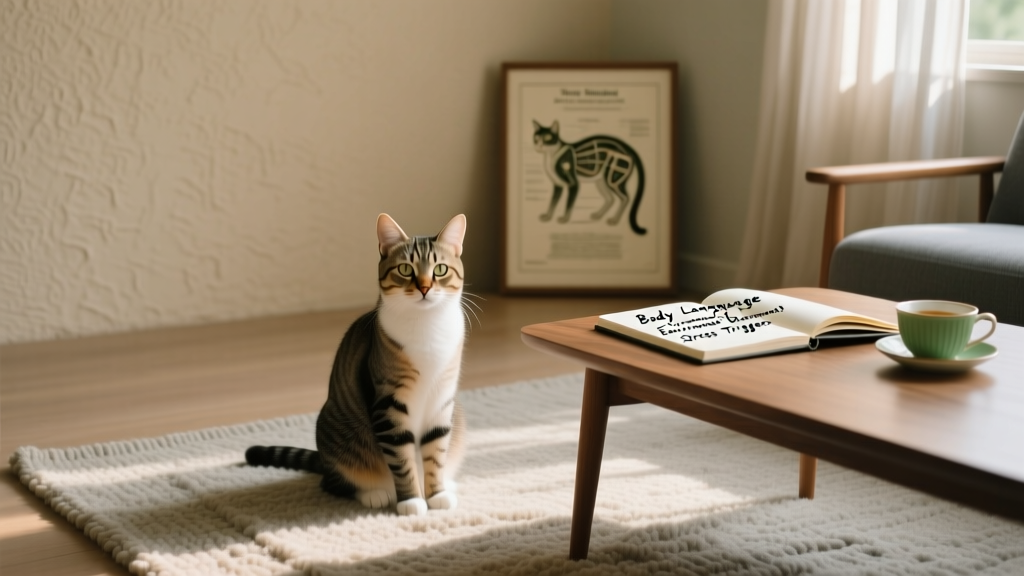
- Start with baseline observation: For 3 days, log your cat’s resting posture, blink rate, ear position, and vocalization frequency — without any music. This establishes your cat’s neutral state.
- Test one track at a time: Use only certified species-adapted audio (e.g., David Teie’s ‘Music for Cats’ or the ‘Feline Auditory Enrichment Project’ library). Play for ≤8 minutes, max volume 40 dB (use a sound meter app), during low-stimulus times (e.g., mid-morning).
- Observe for 20 minutes post-playback: Note changes in respiration rate, tail flicking, ear swiveling, and proximity-seeking behavior. If your cat retreats, flattens ears, or grooms excessively, stop immediately.
- Rotate, don’t repeat: Cats habituate quickly. Rotate among 3–4 validated tracks — never use the same one >2x/week.
- Pair strategically: Use calming audio only during known stressors (e.g., pre-vet visit, thunderstorms, new furniture arrival) — never as background ‘filler.’
Real-world success story: Luna, a 4-year-old rescue with storm-related panic, showed 78% reduction in hiding episodes after 6 weeks of targeted playback (using Teie’s ‘Thunderstorm Lullaby’ 15 minutes before forecasted storms). Her owner tracked cortisol metabolites in urine — levels dropped from 142 ng/mg to 59 ng/mg, confirming physiological relief.
Feline Audio Response by Life Stage & Temperament
One-size-fits-all audio doesn’t exist — and assuming it does is where most side effects originate. Kittens, seniors, anxious vs. bold cats, and even coat color (linked to neural development genes) influence auditory sensitivity. Below is a research-backed summary of optimal approaches:
| Life Stage / Trait | Typical Auditory Sensitivity | Recommended Audio Type | Risk of Side Effects with Human Music | Key Behavioral Indicator to Monitor |
|---|---|---|---|---|
| Kittens (under 12 weeks) | Extremely high — auditory cortex still myelinating | Gentle purr-based tones + soft maternal chirps (≤2 kHz, 110–130 BPM) | Very High — may cause startle reflex, nursing disruption, or delayed socialization | Sudden freezing, flattened ears, refusal to explore |
| Senior cats (11+ years) | Reduced high-frequency perception; increased sensitivity to abrupt changes | Low-frequency drones + steady rhythm (e.g., cello/bass harmonics at 60–90 BPM) | Moderate-High — may worsen cognitive confusion or disorientation | Circling, vocalizing at walls, apparent ‘tuning out’ of familiar voices |
| Anxious or fearful cats | Hypervigilant to transient sounds; slower habituation | Single-instrument, no percussion, predictable phrasing (e.g., solo harp with 3–5 note motifs) | High — especially with layered instrumentation or reverb | Increased blinking rate (>30/min), lip licking, half-tail twitch |
| Confident, bold cats | Lower baseline reactivity; tolerates wider range | Varied textures — gentle percussion, melodic variation, moderate tempo shifts | Low-Moderate — but still avoid sudden drops/silences | Play bowing, head-butting speaker, relaxed ear orientation |
Frequently Asked Questions
Can loud music cause permanent hearing damage in cats?
Yes — absolutely. Cats’ hearing thresholds begin at ~3 dB SPL, making them far more vulnerable than humans. Exposure to sounds above 85 dB for >15 minutes risks hair cell damage in the cochlea. Common household sources exceeding this: vacuum cleaners (70–80 dB), blenders (88–90 dB), and music systems cranked above ‘conversation level’ (≥70 dB at 1 meter). Always keep audio under 45 dB in shared spaces — use a calibrated sound meter app to verify.
Do certain genres like classical or jazz help anxious cats?
Not reliably — and here’s why: Genre labels are human constructs. A ‘classical’ piece with rapid violin runs (e.g., Vivaldi’s ‘Summer’ Presto) contains frequencies and tempos that mimic alarm calls and can spike cortisol. Conversely, a minimalist electronic track with slow sine-wave pulses at 27 Hz may deeply relax a stressed cat. Focus on acoustic properties — not marketing categories. When in doubt, choose certified feline-specific audio over genre assumptions.
Is silence better than ‘wrong’ music?
Generally, yes — especially for cats with known anxiety or senior cognitive decline. A 2023 study in Applied Animal Behaviour Science found that cats in enriched silent environments (with visual/tactile stimulation) showed significantly lower stress markers than those exposed to non-species-appropriate music for 30+ minutes/day. Silence isn’t deprivation — it’s sensory neutrality. Reserve audio for intentional, brief, targeted use — not ambient filler.
Can music help with litter box avoidance or spraying?
Only indirectly — and only if the underlying cause is anxiety-related. Music won’t fix medical issues (UTIs, arthritis, bladder stones) or substrate aversion. But if stress is the driver (e.g., multi-cat tension near the box), playing species-specific audio *outside* the bathroom — not right next to the box — for 10 minutes before your cat’s typical elimination window may lower overall arousal. Never play music *inside* the litter area — it disrupts olfactory cues and creates negative association.
Do deaf cats respond to vibration-based ‘music’?
Emerging evidence says yes — but cautiously. Deaf cats rely heavily on vibrational sensing through their paws and whiskers. Low-frequency pulses (20–40 Hz) transmitted via vibrating platforms or resonant surfaces *can* induce calm in some individuals. However, uncontrolled vibrations risk inducing nausea or disorientation. Work with a veterinary neurologist before introducing vibro-acoustic tools — and never use consumer subwoofers or massage pads without professional guidance.
Common Myths Debunked
Myth #1: “Cats love classical music — it’s scientifically proven to relax them.”
False. No peer-reviewed study confirms universal relaxation from classical music. In fact, a landmark 2015 study published in Journal of Feline Medicine and Surgery tested 12 classical pieces on 47 cats — only 2 (Bach’s ‘Air on the G String’ and Satie’s ‘Gymnopédie No. 1’) showed net calming effects. The rest triggered neutral or agitated responses. Genre ≠ effect.
Myth #2: “If my cat doesn’t run away, the music must be fine.”
Incorrect. Freezing, excessive blinking, slow tail movement, or ‘glassy-eyed’ stillness are subtle stress signals — not signs of enjoyment. Cats evolved to mask vulnerability. Absence of overt fear ≠ presence of comfort. Always observe micro-behaviors, not just flight responses.
Related Topics (Internal Link Suggestions)
- Understanding Feline Stress Signals — suggested anchor text: "subtle signs your cat is stressed"
- Best Calming Supplements for Anxious Cats — suggested anchor text: "vet-approved calming aids for cats"
- Creating a Multi-Cat Peaceful Home — suggested anchor text: "reducing tension between cats"
- Safe Sound Enrichment for Senior Cats — suggested anchor text: "auditory care for aging cats"
- How to Introduce New Sounds Gradually — suggested anchor text: "desensitizing cats to noise"
Your Next Step: Audit Your Audio Environment Today
You now know that does music affect cat behavior side effects — and the answer is a resounding, evidence-backed ‘yes,’ with consequences ranging from mild discomfort to chronic stress dysregulation. But knowledge without action leaves your cat vulnerable. So here’s your clear, immediate next step: Grab your phone, open a free sound meter app (like Sound Meter by Smart Tools Co.), and measure decibel levels in your cat’s favorite resting spots — especially during music playback. If it reads above 45 dB, lower the volume or switch to species-specific audio. Then, pick *one* track from a vet-reviewed library and test it using the 8-minute protocol outlined earlier. Track just one behavior — like blink rate or time spent near you — for 3 days. That small experiment yields more insight than months of guesswork. Your cat’s nervous system will thank you — quietly, patiently, and with deeper trust.