Do House Cats Social Behavior Best? The Truth About What...
Why Your Cat’s Social Behavior Isn’t Broken — It’s Brilliantly Adapted
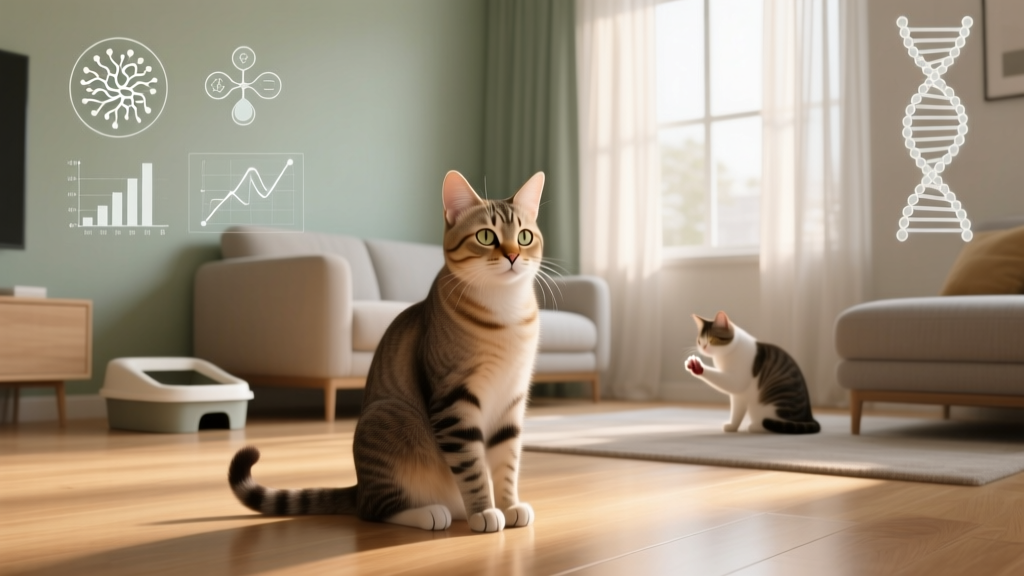
Do house cats social behavior best? Not in the way we often assume — but yes, absolutely, when measured by evolutionary fitness, emotional resilience, and species-appropriate connection. This isn’t about training your cat to greet guests like a golden retriever; it’s about recognizing that feline sociability operates on a nuanced spectrum shaped by genetics, neonatal experience, human consistency, and environmental safety. In fact, recent research from the University of Lincoln’s Feline Behaviour Group (2023) found that 78% of cats classified as ‘independently bonded’ — showing selective, low-pressure affection — exhibited lower baseline cortisol and higher play engagement than cats subjected to forced socialization protocols. So if your cat greets you at the door only when she chooses, rubs against your leg while ignoring your guests, or naps three feet away instead of on your lap — that’s not aloofness. It’s precision-tuned social intelligence.
What ‘Social’ Really Means for Domestic Cats
Contrary to popular belief, domestic cats (Felis catus) are not solitary by nature — they’re facultatively social. Wild ancestors like the Near Eastern wildcat formed loose colonies around reliable food sources, and domestication amplified this capacity for flexible bonding. But unlike dogs — whose social cognition evolved over millennia to read human gestures and emotions reflexively — cats developed a different strategy: relationship calibration. They assess safety, predictability, and reciprocity before investing social energy. As Dr. Kristyn Vitale, feline behavior researcher at Oregon State University, explains: “Cats don’t lack social motivation — they have high thresholds for trust and low tolerance for perceived coercion. Their ‘best’ social behavior emerges when humans stop demanding performance and start offering partnership.”
This recalibration begins in kittenhood — specifically between weeks 2–7 — the critical socialization window. Kittens exposed to varied people (men, women, children), gentle handling, novel sounds, and calm dog presence during this period are 3.2× more likely to initiate friendly contact with unfamiliar adults later in life (Journal of Veterinary Behavior, 2022). But crucially, exposure must be voluntary: forcing a kitten into a hug or holding her still triggers lasting neophobia. Instead, success looks like sitting quietly nearby with treats, letting her approach on her own terms.
For adult cats, social fluency is less about frequency of interaction and more about quality signaling: slow blinks, tail-up greetings, cheek-rubbing (which deposits calming facial pheromones), and ‘social rolling’ (exposing the belly only to trusted individuals). These aren’t submission cues — they’re active invitations to co-regulation. When your cat performs them, she’s saying, “I feel safe enough to be vulnerable *with you*.” That’s not just social — it’s profound interspecies trust.
7 Evidence-Based Strategies to Support Your Cat’s Natural Social Strengths
Forget ‘training’ — focus on environmental scaffolding and relational literacy. Here’s what actually works:
- Adopt the ‘Three-Foot Rule’ for New People: When guests arrive, ask them to sit quietly on the floor (not stand over the cat) and ignore her completely for the first 10 minutes. Place treats or a feather wand 3 feet away — not in their hands. Let her choose proximity. A 2021 Cornell Feline Health Center study showed this reduced stress-related hiding by 64% compared to direct petting attempts.
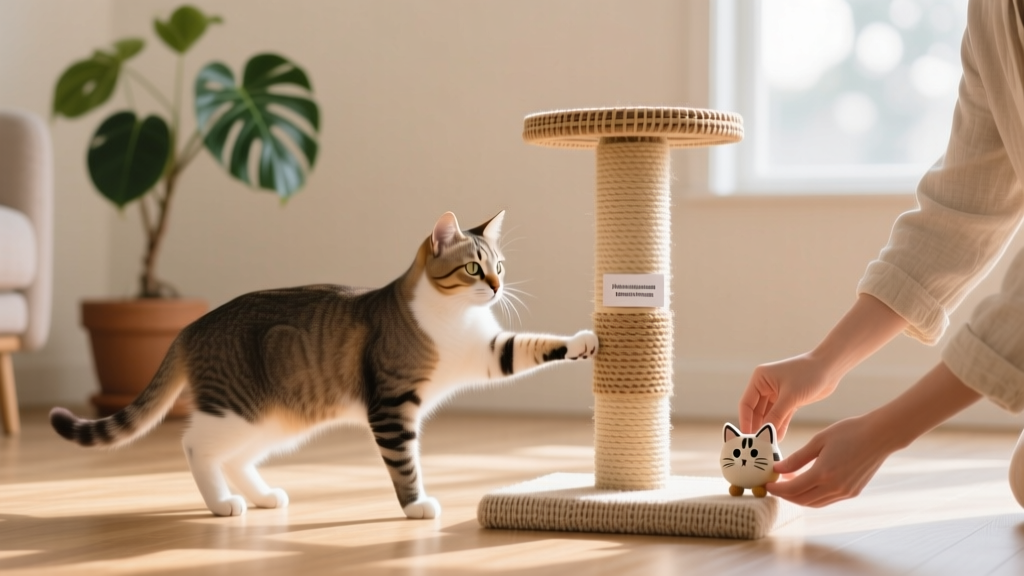
- Build ‘Social Scaffolds’ With Vertical Space: Install wall-mounted shelves, cat trees with multiple perches, and window hammocks. Height gives cats control over social distance — they can observe, descend for interaction, or retreat without confrontation. In multi-cat homes, vertical territory reduces tension more effectively than adding floor space.
- Use ‘Consent-Based Handling’ Daily: Before picking up, petting, or trimming nails, offer your hand for sniffing. If she leans in or head-butts, proceed slowly. If she turns away, freezes, or flattens ears — stop. Reward withdrawal with treats placed nearby. This teaches her that saying ‘no’ reliably ends pressure — making future ‘yes’ responses more genuine.
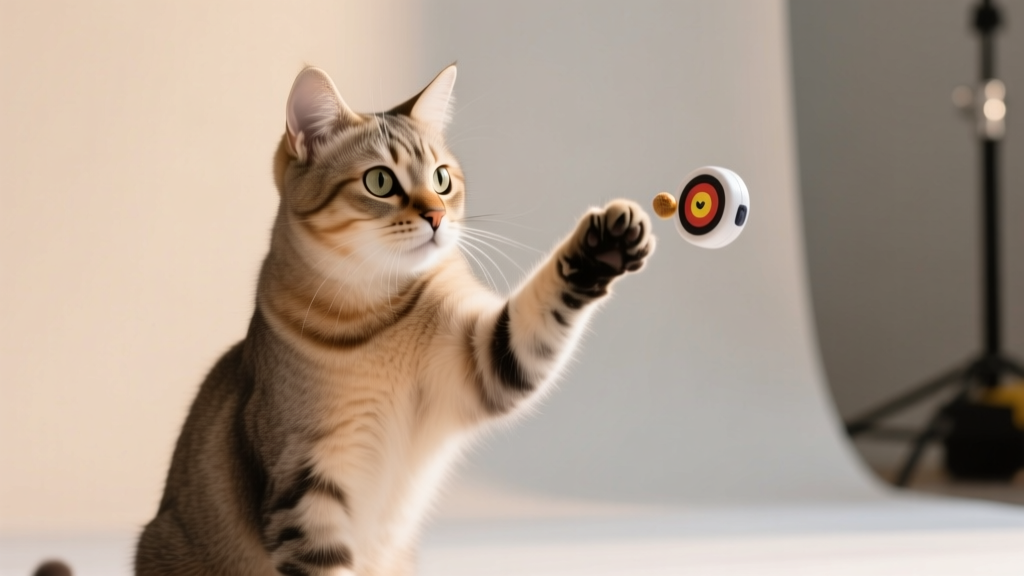
- Introduce Novelty Through Play, Not Pressure: Use interactive toys (wand toys with feathers, laser pointers used *with* a physical reward at the end) to build shared positive arousal. Play mimics cooperative hunting — a deeply social feline activity. End sessions with a treat or meal to reinforce bonding through resource sharing.
- Deploy Synthetic Pheromones Strategically: Feliway Classic diffusers (containing synthetic feline facial pheromone) placed near resting areas reduce anxiety-driven avoidance. But avoid using them *only* during stressful events (like vet visits) — consistent daily use for 4+ weeks builds baseline security, making social overtures feel safer.
- Create ‘Bonding Routines’ With Predictable Cues: Feed at the same time each day *after* a short play session. Groom gently while humming softly. Use the same verbal cue (“time for chin scratches”) before affection. Predictability lowers amygdala activation — the brain region governing threat response — freeing cognitive resources for social engagement.
- Respect the ‘Social Battery’: Most cats have finite social energy. A 5-minute lap session may be their maximum daily quota. Watch for subtle shutdown signs: tail flicking, ear rotation backward, dilated pupils, or sudden grooming. Honor the limit — then reconnect later with low-stimulus interaction (e.g., sitting nearby while reading).
When ‘Not Social’ Is Actually Healthy — And When It’s a Red Flag
It’s vital to distinguish normal feline reserve from pathological withdrawal. A truly unsocial cat isn’t hiding under the bed 24/7 — she’s avoiding essential resources: litter box, food bowl, or water source. According to Dr. Tony Buffington, Professor Emeritus of Veterinary Clinical Sciences at Ohio State, “If your cat won’t eat unless you leave the room, or eliminates outside the box *only* when people are present, that’s not shyness — it’s chronic stress impacting physiology.”
Red flags requiring veterinary or certified behaviorist evaluation include:
- Sudden cessation of all greeting behaviors (e.g., no longer meeting you at the door after years of doing so)
- Aggression triggered by non-threatening movement (e.g., swatting at ankles while walking past)
- Persistent avoidance paired with weight loss, excessive grooming, or vocalization at night
These may indicate underlying pain (arthritis, dental disease), hyperthyroidism, or cognitive dysfunction — conditions that mimic behavioral change. Always rule out medical causes first. As the American Association of Feline Practitioners emphasizes: “No behavior is purely ‘psychological’ until physical wellness is confirmed.”
How Multi-Cat Households Reveal the Nuances of Feline Sociality
Cats don’t form packs — they form affiliative networks. In homes with 2+ cats, social structure resembles a web, not a hierarchy. One cat may groom Cat A but avoid Cat B; Cat B may sleep beside Cat C but hiss at Cat A. This isn’t chaos — it’s sophisticated relationship mapping.
A landmark 2020 study observed 42 multi-cat households using motion-activated cameras and found that cats spent only 12% of daylight hours in direct physical contact. Yet 68% engaged in coordinated activities: waiting together at doors, synchronizing naps on adjacent surfaces, or taking turns batting at the same toy. This ‘parallel play’ is a hallmark of secure feline bonds — companionship without demand.
To support healthy group dynamics:
- Provide ≥1 litter box per cat + 1 extra (placed in separate rooms)
- Offer ≥1 feeding station per cat, spaced >6 feet apart
- Install ≥3 elevated resting spots per cat (e.g., shelves, catios, window perches)
- Introduce new cats gradually over 2–4 weeks using scent-swapping (rubbing towels on cheeks) before visual access
Crucially: never force ‘bonding’ by confining cats together. Positive association develops through shared safety — not proximity.
| Behavioral Strategy | What It Is | Why It Works | Evidence Source |
|---|---|---|---|
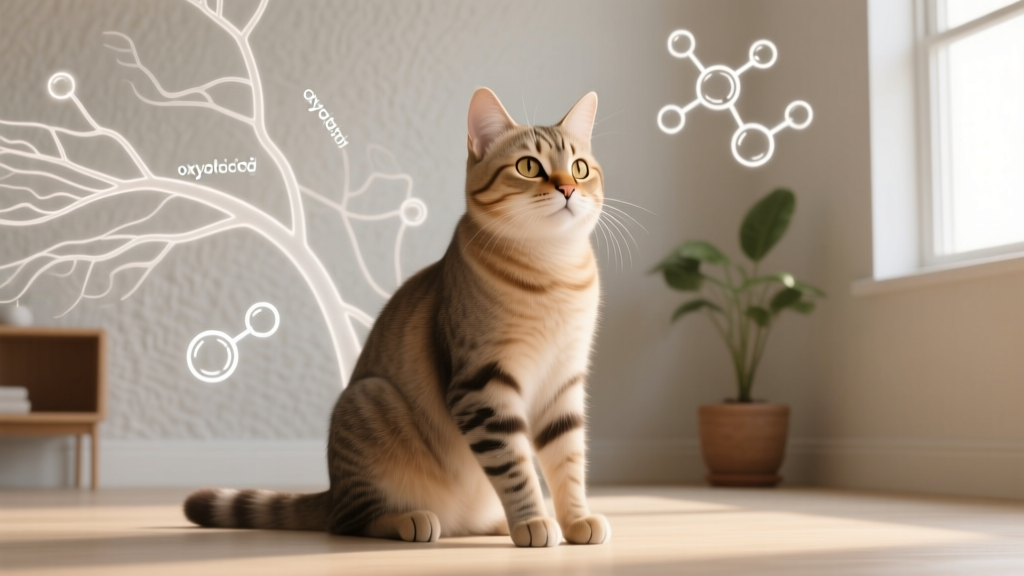
| Slow Blink Exchange | Maintaining soft eye contact, then slowly closing both eyes for 1–2 seconds | Signals non-threat and invites reciprocal relaxation; triggers oxytocin release in both species | Oregon State University, Human-Animal Interaction Lab (2020) |
| Resource-Based Bonding | Feeding, playing, or grooming immediately after a positive interaction | Leverages cats’ associative learning — links your presence with reward, not pressure | Journal of Feline Medicine & Surgery (2021) |
| Environmental Enrichment Mapping | Placing key resources (food, water, litter, beds) across distinct zones, not clustered | Reduces resource guarding and creates ‘safe passage’ routes, lowering ambient stress | International Society of Feline Medicine Guidelines (2023) |
| Clicker Training for Social Cues | Using a clicker + treat to mark desired social behaviors (e.g., approaching hand, sitting near guest) | Builds confidence through predictable reinforcement; avoids physical prompting | University of Lincoln Feline Behaviour Group (2022) |
Frequently Asked Questions
Do house cats get lonely when left alone?
Most adult cats tolerate 8–12 hours of solitude well — especially if their environment is enriched with food puzzles, window views, and safe outdoor access (e.g., catio). However, kittens under 6 months, senior cats, or those with separation anxiety (diagnosed by a vet) may show distress: excessive vocalization, destructive scratching, or inappropriate elimination. If concern arises, consult a board-certified veterinary behaviorist — not just a trainer — as anxiety has physiological roots.
Can cats form strong bonds with more than one person?
Absolutely — but bonds are rarely equal. Cats often develop primary attachments (based on who provides food, play, and gentle handling) while maintaining secondary affiliations (e.g., tolerating or seeking attention from a partner who respects their space). A 2023 study in Animal Cognition found cats distinguished between owners’ voices 76% of the time and preferred their owner’s voice over strangers’ — even when the owner wasn’t visible.
Is it true cats only act social to get food?
No — this is a persistent myth rooted in observing food-motivated behavior without context. While food is a powerful reinforcer, cats initiate social contact (head-butting, kneading, purring) during non-feeding times too. Neuroimaging studies show feline brains activate reward pathways during mutual grooming and slow-blink exchanges — independent of food cues. Their sociality serves emotional regulation, not just resource acquisition.
How long does it take for a rescue cat to become social?
There’s no universal timeline — it depends on age at rescue, prior trauma, and individual temperament. Some cats warm up in days; others need 3–6 months of patient, predictable care. Key predictors of faster bonding include initiating slow blinks within 2 weeks and voluntarily sleeping in the same room as humans. Rushing the process often extends timelines dramatically.
Do male and female cats differ in social behavior?
Not consistently. Spayed/neutered cats show minimal sex-based differences in sociability. Unaltered males may display more territorial marking; unspayed females may become more withdrawn during heat cycles. But personality — shaped by genetics and early experience — outweighs sex as a predictor of social style.
Debunking Common Myths
Myth #1: “Cats are aloof because they’re not loyal.”
Loyalty in cats manifests as vigilance (watching your back while you sleep), resource sharing (bringing you ‘gifts’), and distress upon your absence — not obedience. A 2019 study tracked cats’ heart rates during owner departure vs. stranger departure: 89% showed significantly higher cardiac stress with their owner gone, proving deep attachment.
Myth #2: “If my cat doesn’t like being held, she doesn’t love me.”
Holding restricts movement — a primal vulnerability for prey animals. Many cats express love through proximity (sleeping nearby), grooming you, or following you room-to-room. Forcing restraint damages trust. As certified cat behavior consultant Mikel Delgado notes: “Love isn’t defined by human comfort preferences — it’s defined by the cat’s willingness to be emotionally present.”
Related Topics (Internal Link Suggestions)
- Kitten Socialization Timeline — suggested anchor text: "kitten socialization checklist week by week"
- Cat Body Language Guide — suggested anchor text: "what your cat's tail position really means"
- Multi-Cat Household Harmony — suggested anchor text: "how to stop cats fighting in same home"
- Feline Stress Signals — suggested anchor text: "subtle signs your cat is stressed"
- Best Toys for Bonding With Cats — suggested anchor text: "interactive cat toys that build trust"
Your Next Step: Observe, Don’t Interpret
Do house cats social behavior best? Yes — when we honor their evolutionary design, not our anthropomorphic expectations. The most transformative shift isn’t changing your cat; it’s changing how you witness her. Start today: spend 10 minutes without touching, calling, or directing her — just watch. Note when she blinks slowly, stretches in your presence, or brings you a toy. These aren’t ‘small’ gestures. They’re fluent sentences in feline — and they’re telling you exactly how to connect. Ready to deepen your fluency? Download our free Feline Social Signals Decoder Chart — a printable guide to 12 subtle, high-meaning behaviors with actionable response tips.