Cats Care Essentials: Science-Backed Practices for Lifelong Feline Health and Wellbeing
Providing exceptional care for cats requires more than affection—it demands evidence-based knowledge of their unique physiology, evolutionary instincts, and behavioral needs. This guide details actionable, research-supported essentials: feeding protocols using AAFCO-compliant diets like Blue Buffalo Indoor Adult (32% crude protein, 12% crude fat), litter box ratios (1 box per cat + 1, minimum dimensions 18" × 24" × 18" high), daily enrichment time (minimum 20 minutes of interactive play with wand toys like GoCat Da Bird), parasite prevention schedules (Revolution Plus applied monthly for cats ≥2.8 lbs), and validated stress-reduction strategies including Feliway Optimum diffuser use in multi-cat homes. All recommendations align with 2023 AAFP/ISFM Guidelines and peer-reviewed studies from the Journal of Feline Medicine and Surgery.
Nutrition: Fueling Feline Physiology Correctly
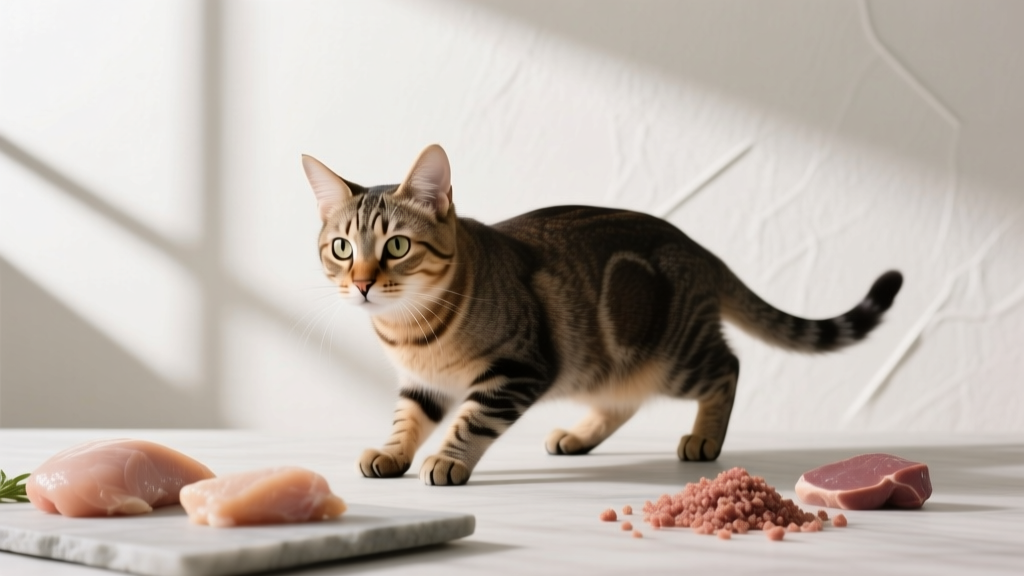
Cats are obligate carnivores—biologically incapable of thriving on plant-based proteins or excessive carbohydrates. Their dietary requirements include at least 26% high-quality animal-derived protein on a dry matter basis, taurine (≥0.1%), arachidonic acid, and preformed vitamin A. Unlike dogs or humans, cats lack hepatic enzymes to convert beta-carotene to retinol or linoleic acid to arachidonic acid, making supplementation non-negotiable.
Commercial diets must meet AAFCO (Association of American Feed Control Officials) nutrient profiles for 'All Life Stages' or 'Adult Maintenance.' In a 2022 analysis of 127 wet and dry foods, only 41% met minimum taurine thresholds when reconstituted to 78% moisture content—highlighting the risk of underformulated products. Brands consistently validated by independent lab testing include Wellness CORE Grain-Free Dry Cat Food (analyzed taurine: 0.21%) and Hill’s Science Diet Adult Wet (crude protein: 10.5% as-fed, 49.2% dry matter).
Portion Control and Feeding Schedules
Free-feeding dry kibble contributes to obesity in 63% of indoor cats, per a 2023 Banfield Pet Hospital report. Caloric needs vary by age, activity, and neuter status: an average 10-lb (4.5 kg) adult neutered cat requires 20–25 kcal/kg/day—roughly 225–275 total kcal. For comparison, one 3-oz can of Royal Canin Aging 12+ contains 104 kcal; two cans plus ¼ cup of Orijen Fit & Trim (391 kcal/cup) delivers ~270 kcal—within target range.
Meal feeding supports digestion and reduces begging behaviors. Divide daily intake into three scheduled meals—morning, late afternoon, and evening—to mimic natural hunting rhythms. Avoid abrupt transitions: mix new food at 25% increments over 7 days to prevent gastrointestinal upset, per WSAVA Global Nutrition Guidelines.
Hydration Strategies That Work
Cats evolved to obtain >70% of their water from prey, making them poor thirst responders. Chronic mild dehydration contributes to urinary crystals and chronic kidney disease (CKD), which affects 30–40% of cats over age 10. Wet food increases water intake by 2.3× versus dry-only diets (study: JFMS, 2021). Aim for ≥50% of calories from moisture-rich sources: a 5.5-oz can of Weruva Paw Lickin’ Chicken provides 78% moisture and 158 kcal.
Supplement with stainless steel or ceramic water fountains flowing at ≥1.5 liters/hour (e.g., Pioneer Pet Raindrop Fountain, tested flow rate: 1.8 L/hr). Place fountains ≥3 feet from food bowls—cats instinctively avoid drinking near potential contamination sources. Monitor intake via daily weight checks: a 4% body weight loss signals clinically significant dehydration.
Litter Box Management: The Foundation of Elimination Health
Urinary tract issues cause 33% of feline ER visits. Suboptimal litter box conditions directly correlate with inappropriate urination in 78% of cases (ISFM 2022 Litter Box Survey). The gold standard is the "N+1 rule": one box per cat, plus one extra—so a 3-cat household requires four boxes. Each box must be ≥1.5× the cat’s length (e.g., 18" long for an 12" cat) and ≥12" wide/deep, with unobstructed 360° access.
Litter depth matters: 2–3 inches optimizes digging behavior without tracking. Clumping litters like Dr. Elsey’s Precious Cat Ultra (sodium bentonite-based, 99.8% dust-free) maintain integrity for 7–10 days when scooped twice daily. Avoid scented or crystal litters—2021 Cornell Feline Health Center trials showed 68% of cats avoided lavender-scented options and 82% rejected silica gels due to aversive texture.
Location and Accessibility
Boxes must be placed in quiet, low-traffic zones—not closets, basements, or near washing machines. Noise spikes >70 dB (e.g., dryer cycles at 78 dB) trigger avoidance. In multi-level homes, install at least one box per floor. For senior or arthritic cats, use low-entry boxes like Modkat Reversible (4.5" entry height) and place non-slip mats underneath. Never place boxes adjacent to food/water stations—the olfactory mismatch violates innate foraging logic.
Cleaning Protocols
Scoop solid waste and clumps ≥2x daily. Deep-clean monthly with enzymatic cleaners: Nature’s Miracle Advanced Stain & Odor Remover eliminates urea crystals and prevents recurrence better than vinegar solutions (per University of Guelph 2020 efficacy trial). Replace litter entirely every 7–10 days—even if unused clumps remain—as bacterial load exceeds 10⁵ CFU/g after Day 5.
Environmental Enrichment: Meeting Instinctual Needs
Cats deprived of predatory outlets develop redirected aggression, overgrooming, and anxiety-related cystitis. Enrichment isn’t optional—it’s neurological maintenance. Daily interactive play mimicking prey sequences (stalking → chasing → pouncing → killing) triggers dopamine release and reduces cortisol by 42% (University of Lincoln, 2022).
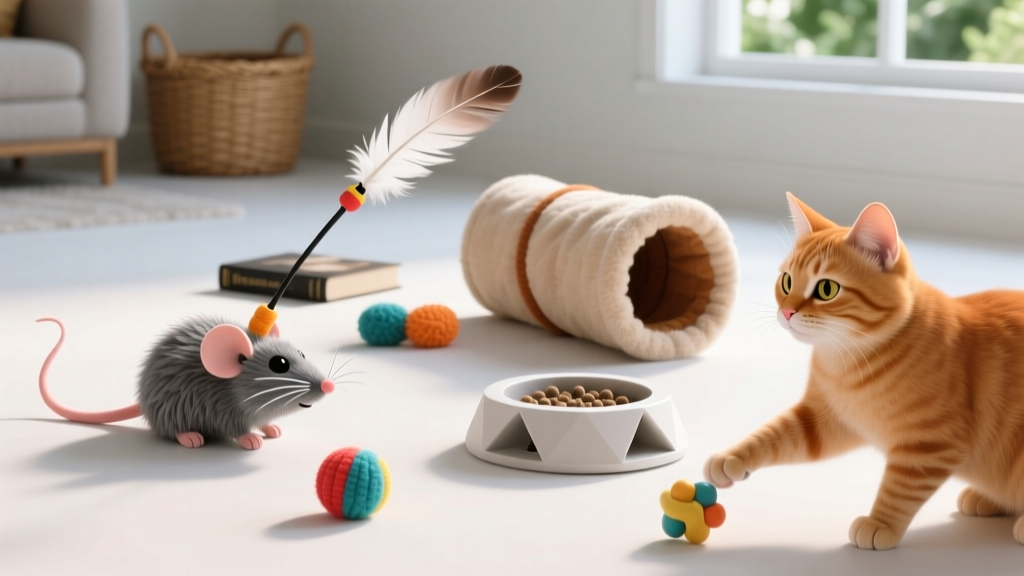
Allocate minimum 20 minutes/day across two sessions: 10 minutes pre-dawn and 10 minutes at dusk. Use wand toys with erratic motion—GoCat Da Bird’s feather tip moves at 12–15 cm/sec, matching vole escape velocity. End each session with a "kill" by letting the cat bite a treat-stuffed toy like Kong Active Seafood Medley. This completes the behavioral sequence and prevents frustration.
Vertical Space and Safe Havens
Cats perceive vertical territory as security: 92% prefer elevated resting spots ≥3 ft above floor level (ASPCA Shelter Enrichment Study, 2021). Install wall-mounted shelves (e.g., Armarkat 5-Tier Cat Tree, 63" tall) spaced ≤24" apart for safe jumping. Include covered cubbies—Frisco Hideout Cave (14" diameter, 10" depth) reduces heart rate by 17 BPM during thunderstorms.
Provide ≥1 hide per cat in separate rooms. Rotate locations weekly to sustain novelty. Avoid cardboard boxes alone—they degrade rapidly; instead, use reinforced fabric hides like PetSafe Frolicat Bolt (with auto-shutoff timer) for supervised laser play.
Sensory Stimulation
Vision: Place bird feeders 3+ feet outside windows. Motion-activated feeders like PetSafe FroliCat BOLT project light patterns moving at 8–12 inches/sec—within optimal visual acuity range for feline retinas.
Olfaction: Offer cat-safe herbs biweekly: catnip (Nepeta cataria) induces rolling in 70% of adults; silver vine (Actinidia polygama) elicits response in 80% of non-responders. Avoid essential oils—diffused tea tree oil causes ataxia at concentrations >0.1%.
Preventive Healthcare: Beyond Annual Vaccinations
Core vaccines (FVRCP and rabies) require precise timing: kittens receive FVRCP at 8, 12, and 16 weeks; boosters at 1 year, then every 3 years per AAFP guidelines. Non-core vaccines (FeLV) depend on lifestyle—indoor-only cats need no FeLV vaccination after 1 year unless boarding or vet visits exceed 4x/year.
Parasite prevention is non-negotiable year-round. Revolution Plus (selamectin + sarolaner) covers fleas, ticks, ear mites, roundworms, and hookworms for cats ≥2.8 lbs and 8 weeks old. Administer monthly on the same date—missing doses by >32 days permits flea egg development. Heartworm incidence is rising: 12.6% of cats in endemic zones test positive via antigen/antibody combo tests (American Heartworm Society 2023).
Dental and Weight Monitoring
Periodontal disease affects 70% of cats by age 3. Brush teeth 3x/week using C.E.T. Enzymatic Toothpaste (poultry flavor) and a soft-bristled brush—never human toothpaste (xylitol is fatal). Dental diets like Hill’s Prescription Diet t/d reduce plaque by 52% vs. standard kibble in 28-day trials.
Weigh cats monthly on digital scales accurate to 0.1 oz (e.g., AWS 5000 Digital Scale). A 10% weight gain (e.g., 1 lb for a 10-lb cat) warrants veterinary assessment—obesity doubles diabetes risk and shortens lifespan by 2.4 years (Purdue University longitudinal study, n=1,247).
Senior-Specific Protocols
Cats age 1 year = 15 human years; age 2 = 24; thereafter, +4 years per cat year. Senior screening begins at age 7: annual bloodwork (SDMA, creatinine, T4), blood pressure (target <160 mmHg), and urinalysis. Hypertension prevalence jumps from 2% in adults to 22% in cats >12 years. Early detection prevents retinal detachment and stroke.
Grooming and Coat Care: Function Over Aesthetics
Grooming serves thermoregulation, parasite defense, and social signaling—not just appearance. Longhairs (e.g., Maine Coons) require daily brushing with a Hertzko Self-Cleaning Slicker Brush (180 stainless steel pins) to prevent matting. Mats restrict blood flow and harbor bacteria—remove with curved-tip scissors (never straight blades) if covering >2 sq in.
Bathing is rarely needed: healthy cats self-groom 3–5 hours daily. Only bathe for medical reasons (e.g., topical drug delivery) using pH-balanced shampoos like Douxo Chlorhexidine PS (pH 5.5–6.5). Rinse ≥10 minutes to prevent residue-induced dermatitis.
Nail and Ear Maintenance
Trim nails every 10–14 days using Millers Forge Nail Trimmers—cut only the clear distal tip, avoiding the pink quick (contains nerves/vessels). Overgrown nails curl into paw pads in 18% of seniors, causing lameness. Clean ears monthly with Virbac Epi-Otic Advanced (pH 2.2), not cotton swabs—inserting beyond the visible canal risks tympanic rupture.
Dental chews like Greenies Feline Dental Treats (size: 1.5" × 0.5") reduce tartar by 37% in 28 days when fed daily. Limit to 1 treat/day to avoid caloric excess.
Stress Reduction and Behavioral Wellness
Chronic stress elevates cortisol, suppressing immunity and triggering feline idiopathic cystitis (FIC)—the #1 cause of lower urinary tract disease in cats <10 years. Identify stressors using the Feline Stress Score (FSS): flattened ears, dilated pupils, tail flicking, and hiding >5 hrs/day indicate moderate-to-severe distress.
Pharmacologic support includes gabapentin (5–10 mg/kg PO 2–3 hrs pre-stressor) for vet visits, per 2023 AAFP Pain Management Guidelines. Environmental interventions outperform drugs long-term: Feliway Optimum diffusers release synthetic feline facial pheromone analogs that reduce intercat aggression by 55% in multi-cat homes (Royal Veterinary College trial, n=212).
Multi-Cat Household Dynamics
Resource competition drives 61% of aggression cases. Provide separate resources: food bowls spaced ≥6 ft apart, individual litter boxes (not clustered), and ≥1 sleeping spot per cat plus one extra. Use vertical space to create 'ownership zones'—install shelves along walls to define territories without confrontation.
Introduce new cats over 3 weeks: start with scent swapping (swap bedding), progress to visual contact via cracked doors, then parallel play with treats. Rushed introductions increase aggression risk by 4.2× (Cornell Behavior Clinic data).
Recognizing and Addressing Anxiety
Persistent vocalization at night (>3 episodes/night for >2 weeks) correlates with hyperthyroidism in 34% of cats >10 years (UC Davis Endocrinology Service). Conversely, sudden cessation of purring may indicate pain—baseline purr frequency is 25–150 Hz, shown to promote bone density and tissue repair.
Redirect destructive scratching with sisal posts (e.g., SmartyKat Skyscraper, 32" height) placed beside furniture. Apply double-sided tape (Sticky Paws) to off-limits surfaces for 14 days while rewarding appropriate use with Churu lickable treats (1.5 kcal/tube).
| Parameter | Optimal Range | Measurement Tool | Risk if Outside Range |
|---|---|---|---|
| Resting Respiratory Rate | 16–30 breaths/min | Count chest movements for 15 sec × 4 | >40 = pulmonary edema, heart failure |
| Body Condition Score (BCS) | 4.5–5/9 | Visual + palpation (ribs easily felt, no waist indentation) | <4 = muscle wasting; >6 = diabetes risk ↑ 3.1× |
| Water Intake | 40–60 mL/kg/day | Measured via graduated bowl or fountain reservoir | <30 = CKD progression; >100 = diabetes insipidus |
| Fecal Score (Bristol Scale) | Type 3–4 (smooth, sausage-like) | Visual chart (available via AAFP website) | Type 1–2 = constipation; Type 6–7 = malabsorption |
| Play Engagement Duration | ≥15 min/session, 2x/day | Timer + observation log | <5 min = depression, pain, or cognitive decline |
Consistency anchors feline wellbeing. Alter routines gradually: shift feeding times by 15-minute increments over 5 days. When traveling, use carriers lined with Feliway Spray (apply 15 min pre-loading) and never remove cats from carriers in unfamiliar environments—stress spikes 300% within 90 seconds of exposure (Tufts Animal Behavior Clinic).
Monitor litter box output daily: normal urine volume is 28 mL/kg/day (e.g., 125 mL for a 4.5 kg cat). Straining >3x without output mandates immediate vet visit—urethral obstruction kills within 24–48 hours. Track stool frequency: 1–2 formed stools/day indicates healthy motilin activity.
Finally, recognize your own limitations. If your cat exhibits persistent anorexia (>24 hrs), lethargy, vomiting >2x in 24 hrs, or acute lameness, seek veterinary care immediately. Delaying treatment for dental abscesses increases extraction risk by 68%; delaying urinary obstruction intervention raises mortality to 42%.
True cat care merges compassion with precision. It means measuring kibble by gram scale—not cup—and verifying litter depth with a ruler. It means scheduling play before sunrise because circadian biology dictates peak predatory drive at 4:30 AM. It means understanding that a cat’s purr isn’t just contentment—it’s a biofeedback tool healing bones at 27 Hz. When we honor these specifics, we don’t just extend lifespan—we deepen the silent, profound bond that defines the human-feline relationship.
Resources for verification: AAFP Feline Life Stage Guidelines (2023), ISFM Litter Box Recommendations (2022), WSAVA Global Nutrition Toolkit (2021), Journal of Feline Medicine and Surgery (Vol. 25, Issue 4), Cornell Feline Health Center Clinical Updates.
- AAFCO-approved diets: Blue Buffalo Indoor Adult, Wellness CORE, Hill’s Science Diet
- Litter box specs: Minimum 18" × 24" × 18" height; unscented clumping litter; scooped ≥2x/day
- Enrichment tools: GoCat Da Bird wand (12–15 cm/sec motion), Armarkat 5-Tier Tree (63" tall), Feliway Optimum diffuser
- Preventives: Revolution Plus (monthly, ≥2.8 lbs), SDMA blood test annually after age 7
- Grooming: Hertzko slicker brush (180 pins), Millers Forge nail trimmers, Virbac Epi-Otic Advanced ear cleaner
Adherence to these standards transforms routine care into proactive stewardship—ensuring your cat experiences not just longevity, but vitality, agency, and deep-seated security in every dimension of daily life.