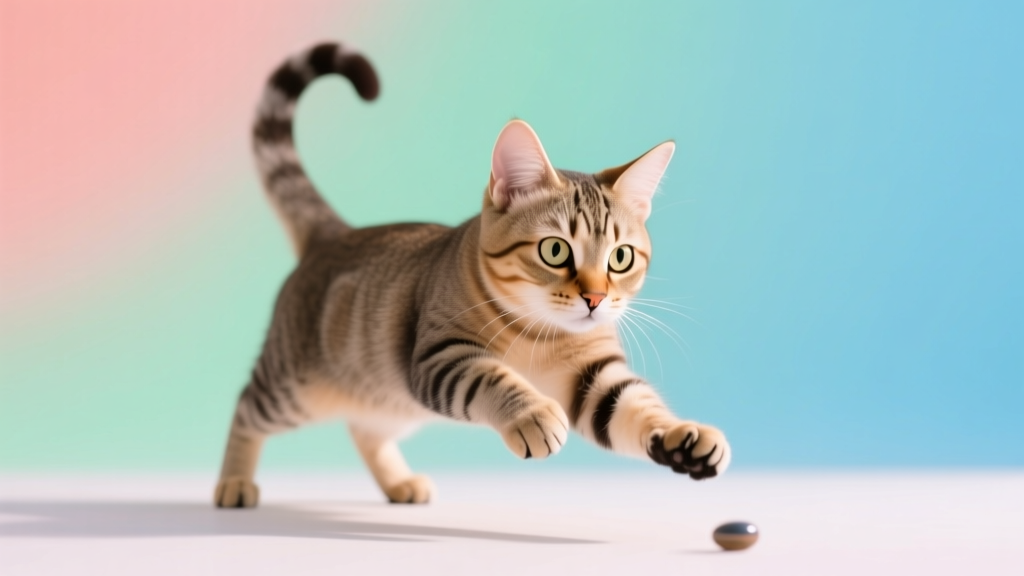
Cat Zoomies: Why They Happen & When to Worry
What Are Cat Zoomies?
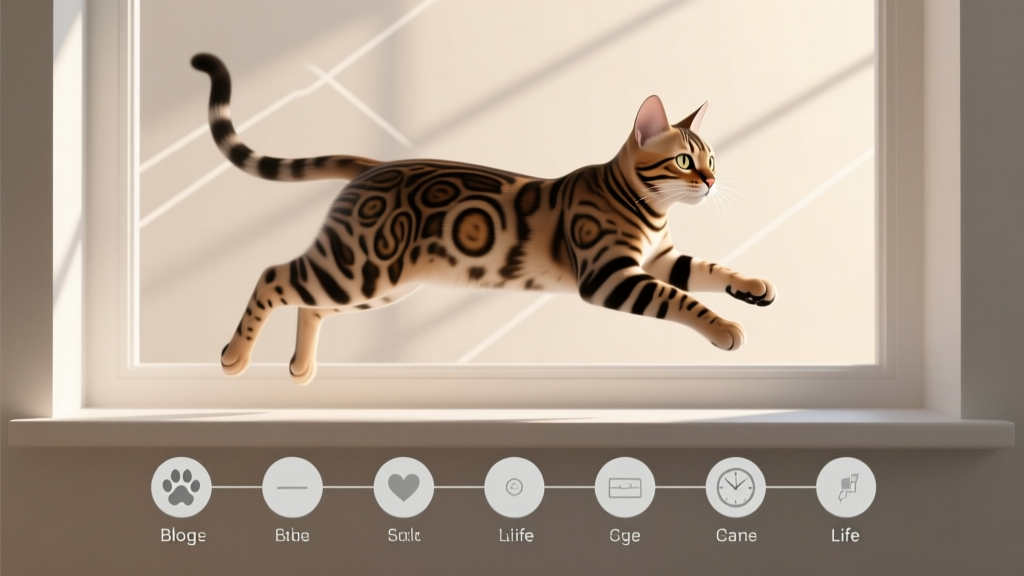
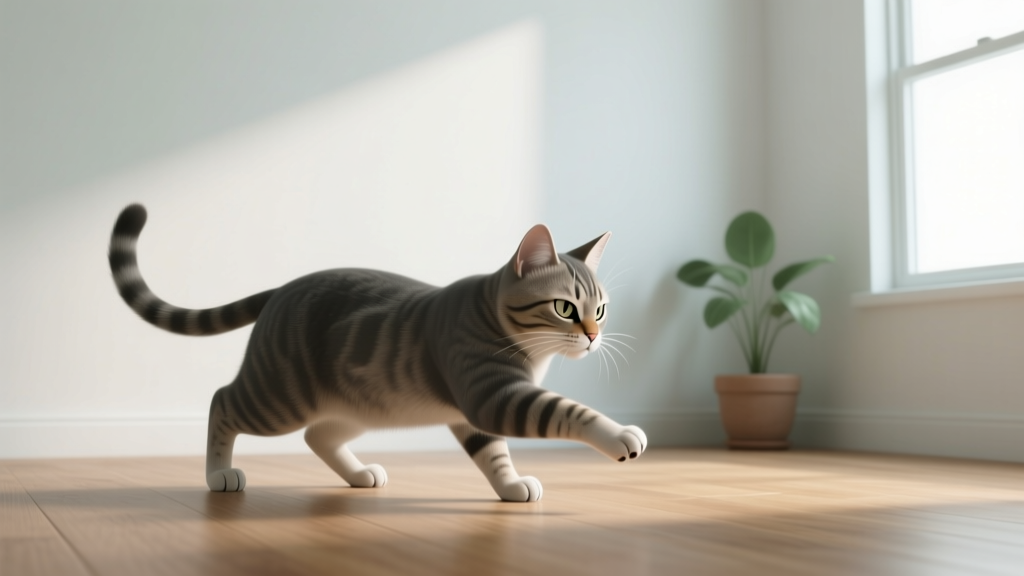
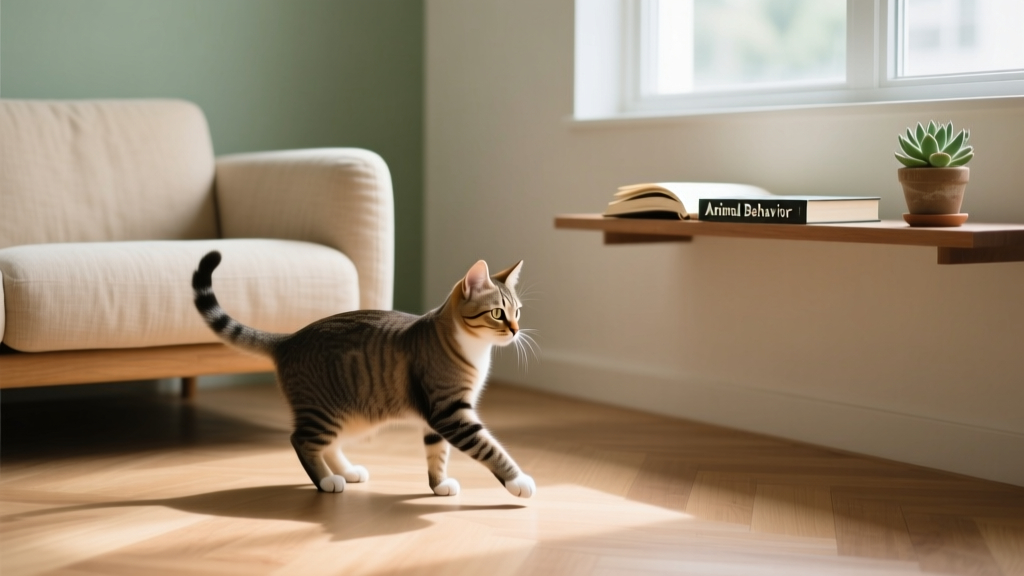
Cat zoomies—technically termed "frenetic random activity periods" (FRAPs)—are sudden, intense bursts of running, leaping, and spinning. They’re common in cats under 7 years old and often occur at dawn or dusk, aligning with natural crepuscular rhythms. A 2023 Cornell Feline Health Center study found that 86% of indoor cats exhibit zoomies at least weekly, most frequently between 5–7 AM and 7–9 PM.
Why Do Cats Get Zoomies?
Zooomies serve vital physiological and psychological functions. They help burn excess energy, especially in indoor cats with limited hunting outlets. Dr. Sarah Wilson, DVM, notes in her 2022 textbook *Feline Behavior Essentials* (p. 114) that zoomies mimic predatory chase sequences—stalking, pouncing, and fleeing—and reinforce neuromuscular coordination. Kittens may zoom up to 12 times daily; adult cats average 2–4 episodes weekly.
Normal vs. Abnormal Zoomie Patterns
Healthy zoomies last under 5 minutes, involve fluid movement, and end with calm self-grooming or napping. Concern arises when episodes exceed 10 minutes, occur more than 6 times daily, or include disorientation, vocalization mid-zoom, or collapse. According to the American Association of Feline Practitioners’ 2024 Behavioral Guidelines, sustained hyperactivity without recovery may signal hyperthyroidism or early-stage cognitive dysfunction.
When to Contact Your Veterinarian
Seek immediate veterinary evaluation if zoomies accompany weight loss (>10% in 6 weeks), increased thirst (polydipsia >60 mL/kg/day), dilated pupils at rest, or head-pressing. A 2021 study in *Journal of Feline Medicine and Surgery* linked late-onset zoomies (first appearing after age 10) to undiagnosed hypertension in 41% of cases. Also note: if your cat uses the Litter-Robot 4 and suddenly avoids it during or after zoomies, this could indicate pain or anxiety needing assessment.
Managing Zoomies Safely
Redirect energy proactively: schedule two 15-minute interactive play sessions daily using a Da Bird feather wand (tested to 2.3 m/s tip speed). Rotate toys weekly to maintain novelty—cats lose interest in static objects after ~3 days (University of Lincoln, 2020 feline enrichment trial). Avoid punishment; instead, reward calm transitions with freeze-dried chicken treats (e.g., Vital Essentials Minis, launched 2022). Never chase or corner a zooming cat—this escalates stress.
Real-world scenario #1: Luna, a 3-year-old spayed domestic shorthair, began sprinting vertically up curtains at 4:30 AM. Her owner introduced dawn play with a FroliCat BOLT laser (FDA Class II, 1mW output) and shifted feeding to an automatic feeder set for 5:15 AM. Zoomies decreased by 70% within 10 days.
Real-world scenario #2: Oliver, a 12-year-old Maine Coon, started frantic circling and vocalizing at night—no prior history. Bloodwork revealed T4 = 7.2 µg/dL (reference: 0.8–4.0), confirming hyperthyroidism. Treatment with methimazole (brand name Felimazole, FDA-approved 2009) resolved episodes in 3 weeks.
Zoomies are rarely pathological—but context matters. Track timing, duration, and co-occurring signs in a simple log. The table below outlines key indicators:
| Indicator | Normal | Concerning |
|---|---|---|
| Frequency | ≤4x/week | ≥6x/day |
| Duration | <5 minutes | >10 minutes |
| Recovery | Self-grooms or naps | Panting, trembling, hiding |
| Age onset | Under 7 years | New onset after age 10 |
| Body language | Ears forward, tail relaxed | Ears flattened, tail lashing, dilated pupils |
Remember: zoomies reflect evolutionary wiring—not misbehavior. With consistent routines, environmental enrichment, and vigilance for subtle shifts, you support both physical health and emotional security. As Dr. Wilson emphasizes (2022, p. 117): “The goal isn’t to eliminate FRAPs—it’s to ensure they remain joyful, brief, and biologically appropriate.”