Cat Stress: Signs and Solutions
Recognizing Stress in Cats
Cats are masters at hiding discomfort. Stress manifests through subtle behavioral changes that owners often miss until problems become severe.
Common Stress Signs
- Hiding more than usual
- Over-grooming or bald patches
- Litter box avoidance
- Excessive vocalization
- Aggression toward people or other pets
- Loss of appetite
- Dilated pupils and flattened ears
Common Stressors
Environmental Changes
Moving, renovations, new furniture, or rearranging rooms disrupt a cat's sense of territory. Cats rely on familiar scent markers for security.
New Household Members
New pets, babies, or visitors can trigger stress. Introduce changes gradually and provide safe retreat spaces.
Disrupted Routines
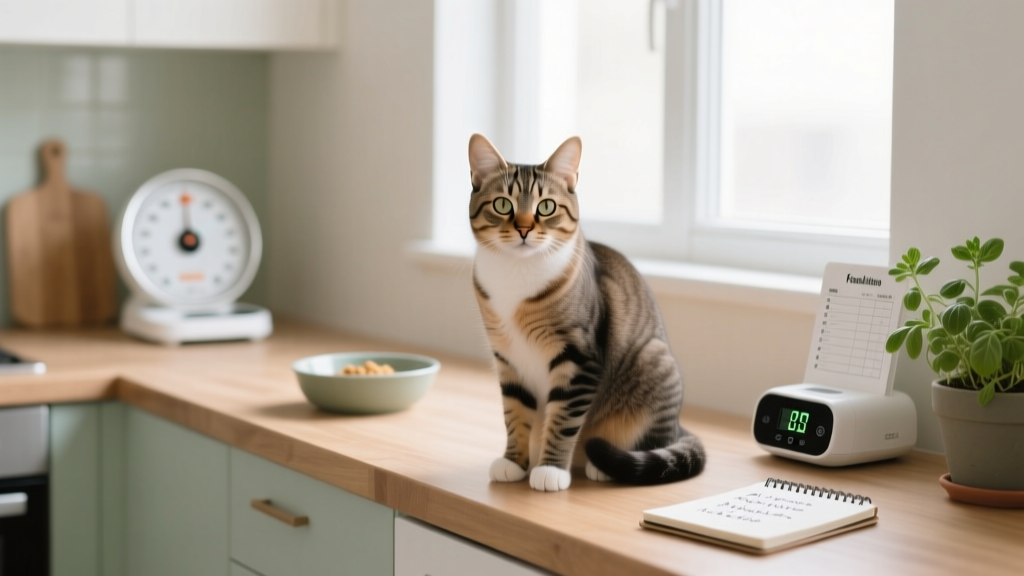
Cats thrive on predictability. Changes in feeding times, your work schedule, or even rearranging furniture can cause anxiety.
Solutions
1. Maintain Routine
Feed, play, and interact at consistent times. Predictability reduces anxiety.
2. Provide Safe Spaces
Every cat needs at least one retreat—a covered bed, high shelf, or quiet room where they feel secure.
3. Pheromone Products
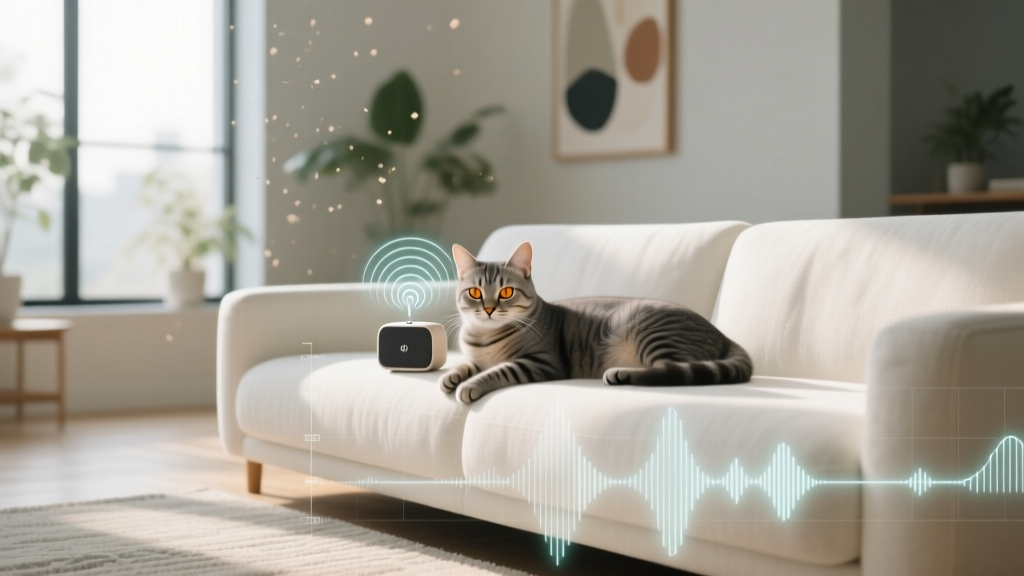
Feliway diffusers and sprays release synthetic feline facial pheromones that signal safety.
4. Environmental Enrichment
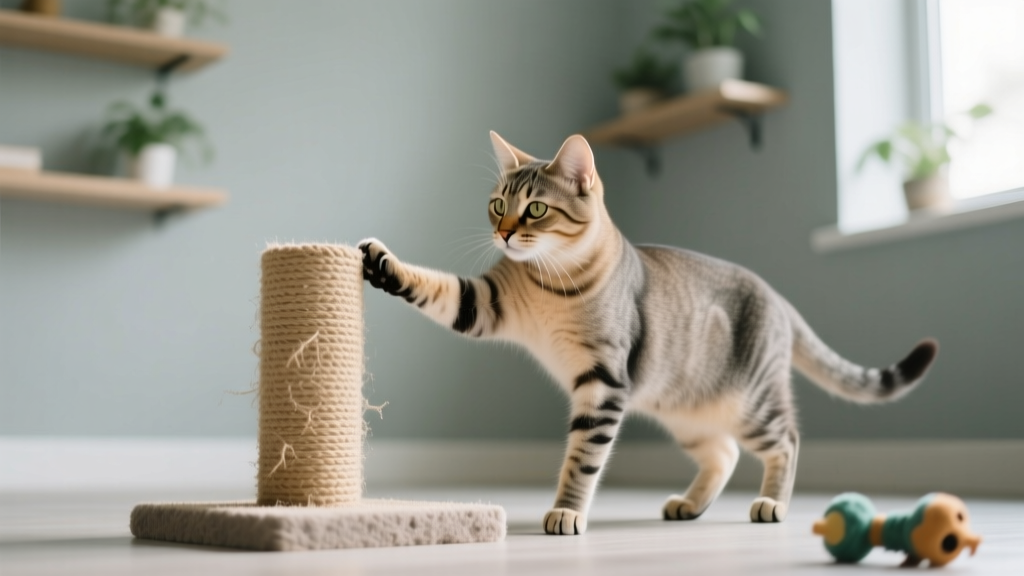
Puzzle feeders, window perches, and interactive play reduce boredom-related stress.
When to See a Vet
If stress signs persist for more than two weeks despite environmental changes, consult your vet. Anti-anxiety medications like gabapentin can help while you address the underlying cause.