Cat Scent Rolling: Covering Themselves in New Smells
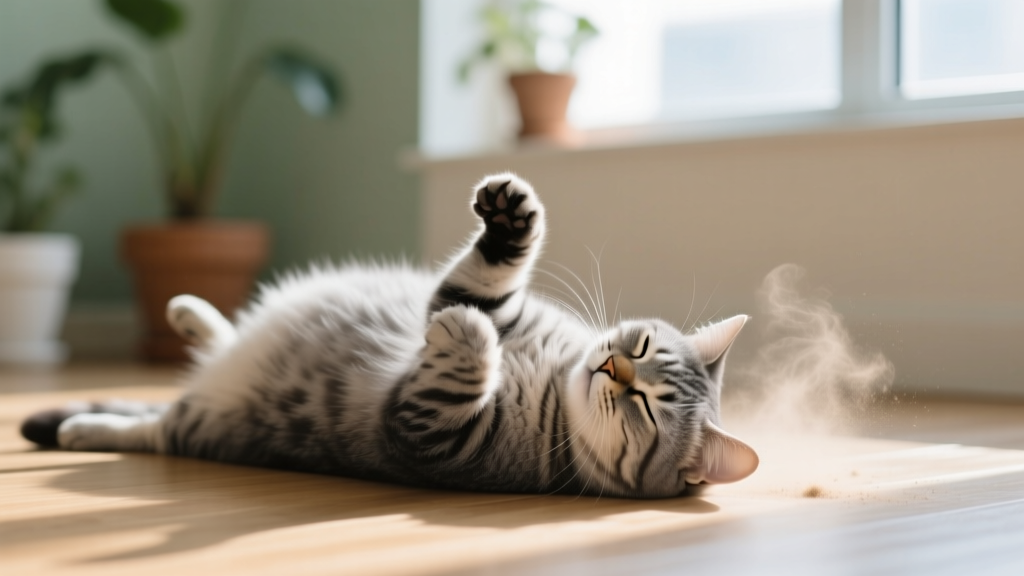
You bring home a new blanket, drop it on the couch, and before you’ve even found the scissors to cut the tag off, your cat is already on it—cheek pressed down, chin rubbing, shoulders wiggling, then a full-body roll like they’re auditioning for a laundry commercial. Or maybe it’s the weirder version: your cat strolls past the open window, catches a whiff of something mysterious, and immediately flops onto the rug to rub their face and twist their body like that smell just told the funniest joke.
If you’ve ever watched this and thought, “Are you… marinating yourself?” you’re in excellent company. What you’re seeing is a classic feline behavior often called scent rolling: your cat is deliberately covering themselves in a smell that caught their attention. It can look silly, dramatic, or even suspiciously ecstatic—but from your cat’s point of view, it’s serious business.
Why Cats Scent Roll: The Evolutionary Logic
Cats experience the world through scent the way we experience it through language. Smell isn’t just “nice” or “gross”—it’s information. Who was here? How long ago? Are they healthy? Are they prey? Rival? Friend?
Scent rolling likely has deep evolutionary roots, and behaviorists generally discuss a few overlapping explanations:
- Information gathering and scent “sampling”: Cats have scent glands on the face and body, and their fur acts like a sponge for smells. Rolling may help them pick up more of that scent to “carry” and analyze later—almost like keeping the receipt for an interesting encounter.
- Camouflage and hunting strategy (theory): Wild felines benefit from blending into their environment. Rubbing on earthy, plant, or animal scents could help mask their own odor while stalking prey. Domestic cats don’t need to hunt to survive, but the instincts still run the software.
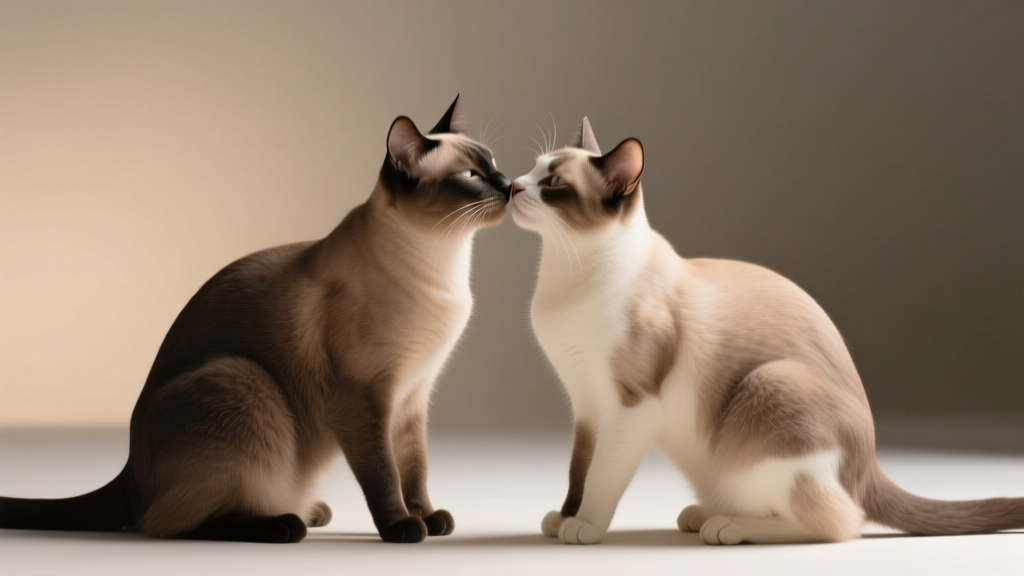
- Territorial messaging: Cats mark with their own scent all the time—cheek rubbing furniture, bunting your legs, scratching posts. Rolling can be a two-way exchange: “I want you on me,” and sometimes, “I want me on you.”
- Social communication: Cats in the same social group often share scent. When your cat rolls on something you touched, wore, or brought home, they may be weaving that smell into the “family group” odor profile.
It’s important to note that scent rolling isn’t always about one single purpose. Cats can be both curious and territorial and pleased all at once. Multi-tasking, but make it feline.
How the Behavior Looks (and What Different Contexts Suggest)
Scent rolling isn’t one uniform move. The details—what they roll on, how intense it is, whether they add drooling or kicking—can hint at what’s going on in their head.
1) Rolling on fresh laundry or your clothes
This is the classic “my cat is obsessed with my hoodie” situation. Your clothes carry a concentrated blend of you, plus detergent, plus whatever the outside world attached to you.
- Common vibe: Comfort-seeking, bonding, social scent mixing.
- What it often looks like: Face rubbing, slow rolling, sometimes kneading. They may purr or half-close their eyes.
2) Rolling on new objects (boxes, bags, furniture)
New things smell like factory, warehouse, delivery truck, and “not-us.” Cats frequently rub and roll to process the novelty—and to get their scent onto it fast.
- Common vibe: Curiosity plus territorial reassurance (“This belongs here now”).
- What it often looks like: Intense cheek rubbing, shoulder rubbing, repeated passes like they’re “printing” themselves onto it.
3) Rolling after outdoor smells come inside
Maybe you came in from the garden, or you opened a window on a breezy day. Your cat sniffs your shoe, freezes for a second, and then—flop—rolls dramatically on the mat.
- Common vibe: High interest in a biologically meaningful scent (other animals, plants, soil, insects).
- What it often looks like: Quick, enthusiastic rolling; sometimes “bunny kicks” with the back feet.
4) Rolling on catnip, silver vine, or valerian
This is the superstar category: intense rolling, face rubbing, head shaking, zoomies afterward. Not every cat responds, but many do.
- Common vibe: Euphoric stimulation, playfulness, sensory joy.
- What it often looks like: Repeated rolls, drooling, rubbing the face hard, sudden bursts of energy.
5) Rolling on “gross” stuff (the alarming version)
Some cats love smells we find horrifying: certain herbs, strong perfumes, even questionable outdoor odors on shoes. In multi-pet homes, you might see cats roll where another animal has been.
- Common vibe: Scent acquisition or masking, sometimes social/territorial layering.
- What it often looks like: Determined rubbing, especially around the cheeks and neck, like they’re trying to really embed the scent.
What Scent Rolling Says About Your Cat’s Mood
Think of scent rolling as your cat’s way of saying, “This smell matters.” The emotional tone depends on the full picture:
- Relaxed and happy: Slow rolling, gentle face rubs, loose body, purring. Often on your clothes, blankets, or familiar safe spots.
- Excited and stimulated: Fast rolling, twitchy skin, kicking, zoomies afterward. Common with catnip/silver vine or thrilling outdoor scents.
- Curious but slightly conflicted: Sniff → pause → roll → re-sniff → roll again. This can happen with new objects or unusual scents that are interesting but also “unknown.”
- Possessive/territorial: Repeated rubbing on a new item, especially if paired with staring, tail swishing, or guarding the object. Not necessarily “angry,” more like “this needs my signature.”
In most homes, scent rolling is a sign your cat feels safe enough to be expressive. Cats don’t usually flop and wriggle when they feel truly threatened.
Related Behaviors You Might Notice
If your cat is a scent roller, you’ll often spot a whole bouquet of scent-related habits:
- Bunting: Head-butting you or furniture with the cheeks and forehead to deposit facial pheromones.
- Chin rubbing: A targeted “labeling” move—often on table edges, corners, and your phone (because of course).
- Flehmen response: That open-mouthed “grimace” after sniffing something intense. This helps route scent molecules to the vomeronasal organ for deeper analysis.
- Rolling near you, not on you: A social gesture—“I’m comfortable here with you”—that can double as scent exchange if it’s on your blanket or couch spot.
- Kneading: Often shows up alongside scent behaviors, especially when the object is comforting or social (like your sweater).
When Scent Rolling Is Normal vs. When to Pay Attention
Normal: Most scent rolling is perfectly healthy. Cats roll, rub, and mark as part of their daily routine, especially when something new appears or an exciting scent arrives.
Worth a closer look:
- Sudden obsessive rolling plus skin irritation: If your cat is rubbing their face or body frantically and you notice redness, hair loss, scabs, or ear scratching, it may be itchiness from allergies, fleas, mites, or skin infection—not scent joy.
- Rolling paired with drooling and pawing at the mouth (non-catnip): Could indicate dental pain, nausea, or exposure to something irritating.
- Rolling in the litter box area or on unusual surfaces repeatedly: Sometimes stress-related scent marking can overlap with rolling/rubbing. Look for other signs of anxiety: hiding, changes in appetite, urine marking, or aggression.
- Exposure to unsafe substances: If your cat rolls on essential oils, cleaning products, or chemically treated items, it’s a concern even if they look delighted. Some substances are toxic if licked off the coat.
If you’re unsure, a quick vet check (and a video of the behavior) can be very helpful—especially when skin, mouth, or sudden behavior changes are involved.
How to Respond (and When to Encourage It)
You don’t need to stop scent rolling. In many cases, it’s a healthy enrichment behavior. The goal is to keep it safe and use it to strengthen your relationship.
- Offer safe “rolling zones”: Put down a washable blanket or towel in a favorite area. If your cat loves to roll on your clothes, rotate a “sacrificial hoodie” into their space.
- Use cat-safe scent enrichment: Try dried catnip, silver vine sticks, valerian root toys, or honeysuckle toys (cat products specifically made for play). Offer in short sessions and store afterward so it stays novel.
- Let new objects acclimate: When introducing a new bed or carrier, rub a soft cloth on your cat’s cheeks (gently) and wipe it on the item—or place your worn T-shirt inside. You’re essentially telling your cat, “This smells like our team.”
- Don’t punish the “weird” rolls: If your cat rolls on your gym bag, they’re not being spiteful. They’re doing cat math: “High-value smell detected. Must incorporate.” Redirect by offering an approved rolling item nearby.
- Be mindful of hazards: Avoid letting your cat roll on freshly cleaned floors, essential oils, strong fragrances, or anything that could transfer irritants to the coat.
- Watch for overstimulation: Some cats get bitey or zoomy after catnip. If it escalates into swatting or stress, reduce frequency and keep sessions short.
Fun Facts and Research Tidbits
- Not all cats respond to catnip: Sensitivity is influenced by genetics, and kittens often don’t respond until they’re a bit older.
- Silver vine can be a hit for “non-catnip cats”: Many cats who ignore catnip respond strongly to silver vine (Actinidia polygama), showing rolling, rubbing, and playful behavior.
- Cats have multiple scent systems: Regular olfaction (nose) and the vomeronasal organ (used during the flehmen response) work together to decode complex scent messages.
- Rolling can be social: Cats living together often develop a shared “group scent,” maintained through rubbing, grooming, and sleeping in common areas.
FAQ: Cat Scent Rolling
Why does my cat roll on my clothes instead of their bed?
Your clothes smell powerfully like you—stronger and fresher than many items in the home. Rolling can be comfort-driven (“I like this”), social (“I want us to smell like us”), or both.
Is scent rolling the same as showing their belly?
Sometimes rolling exposes the belly, but it’s not always an invitation to pet. Many cats are simply using their body to rub and collect scent. Look for relaxed posture and slow movements if you want to try a gentle pet—otherwise, admire the performance from a respectful distance.
My cat rolls on catnip and then gets wild. Is that normal?
Yes. Catnip and similar plants can trigger a short burst of excited behavior—rolling, rubbing, zoomies—usually lasting minutes. If your cat becomes too rough or stressed, offer it less often or switch to calmer enrichment like food puzzles.
Why does my cat roll right after I come home?
You’re a walking scent-update. You bring home traces of outdoors, other people, other animals, and places. Rolling can be your cat’s way of processing the news and mixing your “away scent” back into the home-group scent.
Should I let my cat roll on the floor after I clean it?
Only if you’re confident the product is pet-safe and fully dry. Many cleaners and fragrances can irritate skin or be harmful if licked off the fur. When in doubt, rinse with water and keep your cat away until the area is completely dry and ventilated.
Can scent rolling mean my cat is anxious?
Usually it’s normal enrichment. But if rolling/rubbing spikes suddenly and comes with other stress signs (hiding, urine marking, aggression, appetite changes), it can be part of a bigger picture. Consider changes in the home environment and consult your vet or a behavior professional.
Does your cat have a favorite “must-roll” item—fresh laundry, a specific rug, your shoes, that one suspiciously exciting box? Share your cat’s scent-rolling story (and any funny details you’ve noticed) with the community at catloversbase.com. Your cat’s quirks might be the exact “aha!” moment another cat owner needs.