Cat Play Bow: Invitation to Chase and Wrestle
You’re on the couch, minding your own business, when your cat trots into the room with that bright-eyed look. Then it happens: front legs stretch out, chest dips low, back end stays up, tail flicking like a metronome. For a split second, it looks almost like a tiny yoga pose… and then your cat rockets sideways, bolts behind a chair, and reappears as if to say, “Well? Are we doing this or not?”
If you’ve ever wondered whether your cat is being silly, dramatic, or secretly training for a feline wrestling championship—welcome. That “down-in-front, butt-up-back” posture is commonly called a play bow, and it’s one of the clearest ways cats tell other cats (and sometimes you) that they’re in the mood for playful chasing and mock combat.
Why Cats Play Bow: The Science Behind the “I’m Just Kidding” Signal
Play is practice. In the wild, juvenile cats (and even many adults) need to rehearse hunting sequences—stalking, pouncing, grabbing, and wrestling—without the high stakes of real prey or real danger. Those behaviors are built into the feline brain, and play is how they refine timing, coordination, and social skills.
But there’s a complication: a pounce looks an awful lot like an attack.
That’s where signals like the play bow come in. Ethologists call these metacommunication signals—a fancy term for “communication about communication.” In plain language, the play bow is your cat’s way of saying, “Everything that happens next is play, not a threat.”
This kind of signal helps prevent misunderstandings during roughhousing. It’s especially useful in social species, and while cats are often described as “solitary,” domestic cats can be quite social—especially with housemates they’ve grown up with or been carefully introduced to.
What a Cat Play Bow Looks Like (and the Details That Matter)
Not every bow is identical, and the small details give you clues about what your cat wants next.
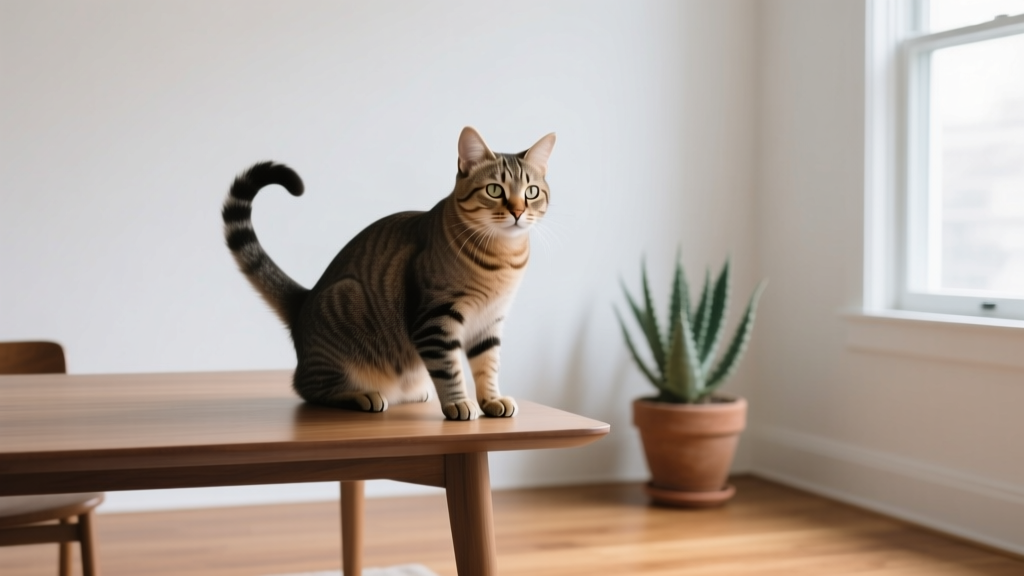
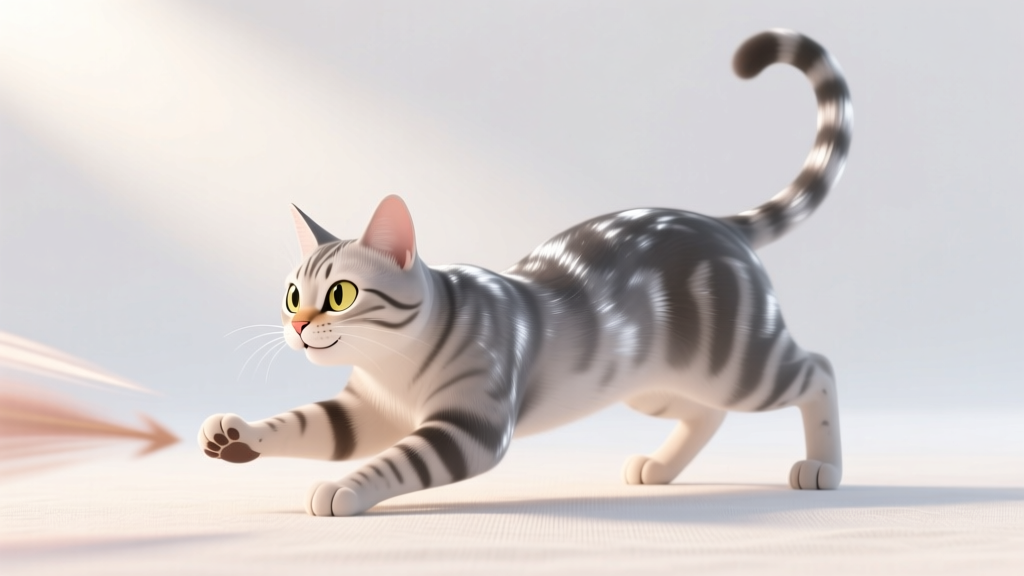
- Front end low, rear end high: The classic bow. It’s an invitation—often followed by a dash away to trigger chase.
- Elbows bent, paws stretched forward: A “ready” posture. Your cat is setting up for a spring-loaded pounce.
- Tail position: A gently waving or upright tail usually signals friendly excitement. A tail that’s thrashing hard can mean overstimulation—still possibly playful, but closer to the edge.
- Face and ears: Soft eyes, normal pupils, ears forward or slightly sideways often mean “fun.” Flattened ears, hard stare, and tense mouth can mean “this is not fun anymore.”
Think of the bow like the opening line of a conversation. The rest of your cat’s body language is the tone of voice.
Different Contexts: When Cats Play Bow (and What They’re Asking For)
1) “Chase me!” across the living room
This is the classic sequence: bow → sprint → skitter behind furniture → peek out → bow again. Your cat is trying to flip your predator switch. Many cats love being pursued (in a gentle, non-scary way) because it mimics the chase portion of hunting, but with roles reversed.
What it looks like at home: Your cat bows at the hallway entrance, then takes off like a cartoon character when you stand up.
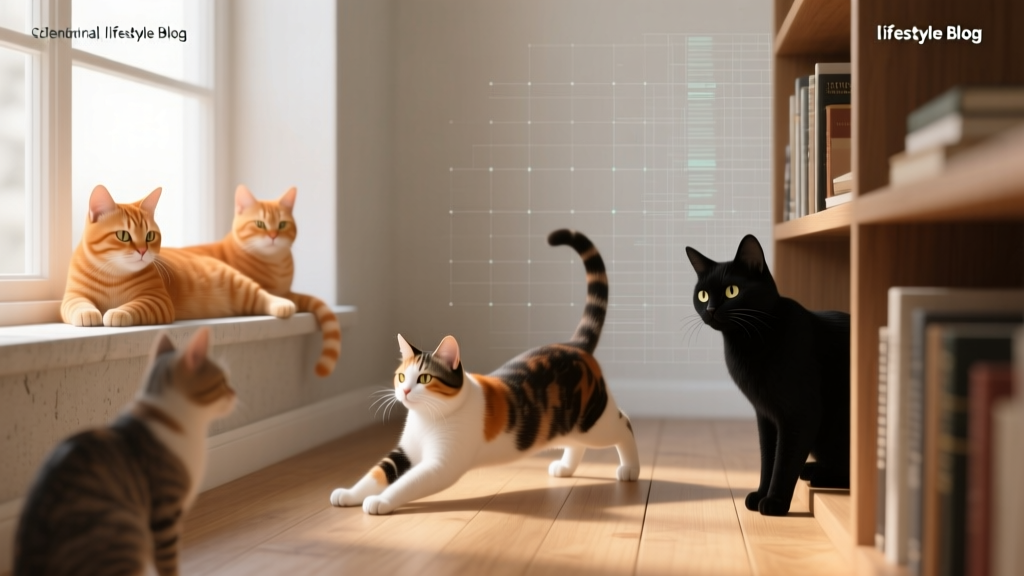
2) “Wrestle time” with a cat buddy
In multi-cat households, bows often happen right before a friendly ambush. One cat bows, then bounces into the other cat’s space and they tumble into a pile of paws and bunny kicks.
What it looks like at home: Your younger cat bows, then flops sideways into your older cat like a harmless body slam. (Older cat: unimpressed. Younger cat: delighted.)
3) “I’m wound up—help me burn energy”
Some cats bow when they’ve got extra energy and no clear outlet. This often happens in the evening (classic “zoomies hour”), after a nap, or when you’ve been busy and they’re craving interaction.
What it looks like at home: Your cat bows at your feet, then attacks a sock, then bows again as if to say, “Your turn.”
4) “I want attention, but I’m not sure how to ask”
Occasionally, a cat bows at a person as a social invitation. It’s less “pet me” and more “engage with me.” For cats who are more play-motivated than cuddle-motivated, this is a big deal.
What it looks like at home: You’re working at your desk; your cat bows beside your chair and then bats your ankle (lightly… hopefully).
What the Play Bow Says About Your Cat’s Mood
A play bow is usually a sign of positive arousal: your cat is energized, curious, and feeling safe enough to be silly. It often indicates:
- Confidence: Your cat feels secure in the environment and in your relationship.
- Social interest: They’re open to interaction, whether with you, another cat, or even a dog they like.
- Playfulness (obviously): But also mental flexibility—your cat is willing to shift from rest to action.
- Trust: Play is vulnerable. A cat that initiates play is essentially betting that the other party will respect the “rules.”
If you want a quick translation: a bow is your cat’s version of “Tag, you’re it.”
Related Behaviors You Might Notice
Cats rarely play bow in isolation. You might also see:
- Sideways hops (“crab walk”): Arched back, sideways bounce. It can be play, excitement, or mild uncertainty—context matters.
- Ambush-and-run: A quick pounce at your legs followed by fleeing. This is often a chase invitation (though it’s annoying when it’s your bare ankles).
- Play face: Slightly open mouth, relaxed whiskers, soft eyes—common right before wrestling.
- Trilling/chirping: Some cats “talk” during play, especially if they’re trying to recruit you.
- Rolling over: Not always a belly-rub request; often it’s “I can wrestle from here.”
When a Play Bow Is Normal… and When It Might Be a Concern
Most of the time, a play bow is as wholesome as it looks. Still, it’s smart to watch for a few yellow flags.
Normal play bow signs
- Loose, bouncy movements (not stiff and slow)
- Taking turns chasing and being chased (with other cats)
- Brief pauses and resets (bow again, then resume)
- No injuries, no fur flying, no prolonged hiding afterward
Potential concern signs
- Escalation into real aggression: Deep growling, yowling, ears pinned tight, sustained hard staring, or one cat relentlessly pursuing while the other tries to escape.
- Overstimulation with humans: Your cat bows, then bites hard or latches onto skin with claws. That’s no longer “friendly roughhousing.”
- Pain-related posture changes: If your cat used to bow and now seems reluctant, stiff, or yelps when moving, consider pain (arthritis, injury). A vet check is wise.
- Compulsive or frantic play: If play looks frantic, hard to interrupt, or paired with stress behaviors (over-grooming, hiding, appetite changes), investigate stressors and consult a professional.
If you’re unsure, video the interaction. A short clip can be incredibly helpful for your veterinarian or a qualified cat behavior consultant.
How to Respond (So Your Cat Feels Understood)
Your cat is making a request. The best response is to answer in a way that keeps play safe, satisfying, and not accidentally painful for either of you.
1) Use a toy, not your hands
If your cat bows at you and you respond with finger-wiggling, you may accidentally teach them that skin is a wrestling target. Instead, grab a wand toy, a kicker toy, or toss a soft ball.
2) Mimic the hunt sequence
Cats love play that follows a natural rhythm: stalk → chase → pounce → catch → “kill” → celebrate. Let your cat catch the toy sometimes. A game where the prey always escapes can be frustrating.
3) Try “chase, but make it polite”
If your cat clearly wants you to chase them, you can follow at a slow jog, clap softly, or tap the floor—then stop and let them re-initiate. You’re aiming for excitement without fear.
4) Schedule short play sessions
Two to four sessions a day (even 5–10 minutes) can dramatically reduce ankle ambushes. Many cats bow more appropriately when they’re getting regular outlets.
5) Reinforce calm endings
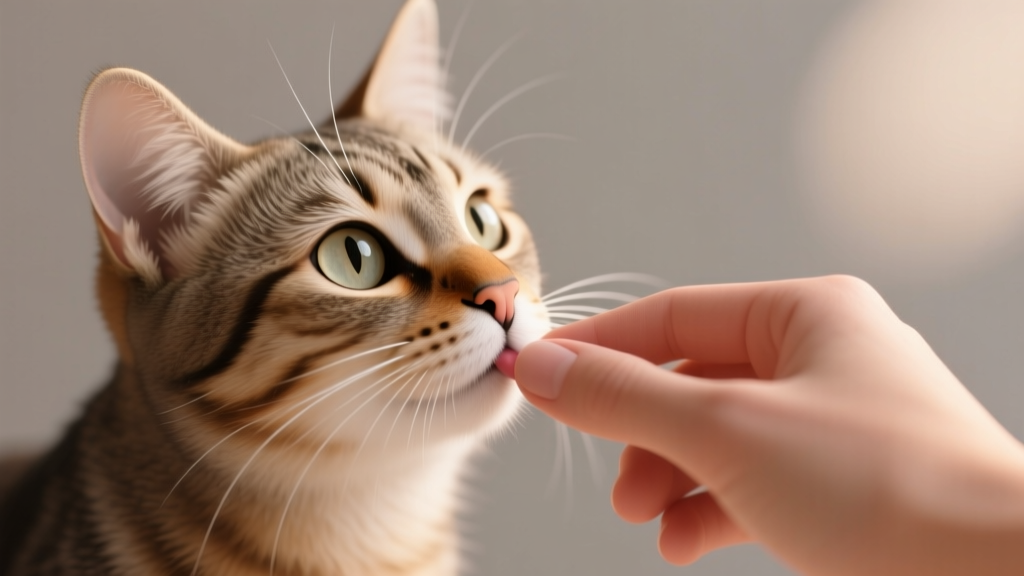
Finish with a small meal or treat. This mirrors the “eat after the hunt” pattern and helps your cat settle instead of staying revved up.
6) For multi-cat wrestling: set ground rules
If one cat is always the “victim,” add more resources (beds, vertical spaces, multiple litter boxes, separate play sessions). Fairness in the environment often improves fairness in play.
Fun Facts and Research Notes About Cat Play Bows
- Play signals help prevent conflict: In many species, play bows and other “this is play” cues reduce the chance that rough behavior is interpreted as aggression.
- Cats do use intentional body language: Domestic cats are skilled at communicating with humans—sometimes modifying their signals based on what gets a response. If you always chase after a bow, don’t be surprised if bows become more frequent.
- Play is a welfare indicator: While not a perfect measure, a cat that frequently initiates relaxed play is often experiencing good overall welfare—adequate security, energy, and comfort.
FAQ: Cat Play Bow Questions Cat Owners Ask All the Time
1) Is a cat play bow the same as a dog play bow?
They look similar and serve a similar purpose: signaling playful intent. Dogs tend to use play bows more frequently and more obviously, but cats absolutely have their own version—often quicker, subtler, and paired with a darting run.
2) Why does my cat play bow and then bite me?
Common reasons include overstimulation, lack of appropriate play outlets, or having learned that hands are toys. Switch to wand toys, keep sessions short, and stop play immediately if teeth touch skin. If biting is sudden and intense, consider pain or stress and consult your vet.
3) My cats bow and wrestle—how can I tell if it’s still friendly?
Look for role-switching (who chases changes), pauses and resets, and normal behavior afterward (no hiding, no avoidance). If you hear sustained yowling, see one cat trying to escape repeatedly, or notice injuries, interrupt and reassess the relationship dynamics.
4) Why does my cat play bow at night?
Cats are naturally crepuscular—often most active at dawn and dusk. Nighttime bows can be a sign your cat needs structured play earlier in the evening, plus a snack before bed to help them settle.
5) Do older cats still play bow?
Many do, though it can become less frequent or less dramatic. If an older cat suddenly stops bowing and seems stiff or reluctant to play, consider a vet check for arthritis or other discomfort.
6) Can I teach my cat to play bow on cue?
Sometimes! If your cat naturally bows before you start a favorite game, you can add a verbal cue right as they bow, then reward by starting play. Keep it light—cats enjoy training when it feels like their idea.
A cat play bow is one of those moments when you get a rare, crystal-clear message from a species famous for subtlety: “I’m happy, I’m safe, and I want to play.” Notice it, honor it, and you’ll build the kind of relationship where your cat keeps choosing to include you in their games.
Does your cat do the full dramatic bow-and-sprint routine, or are they more of a quiet “bow then tackle” type? Share your funniest play-bow stories (and any puzzling ones) with the Cat Lovers Base community at catloversbase.com—we’d love to hear how your cat invites you to chase and wrestle.