Cat Paw Touching the Thermostat: Temperature Check
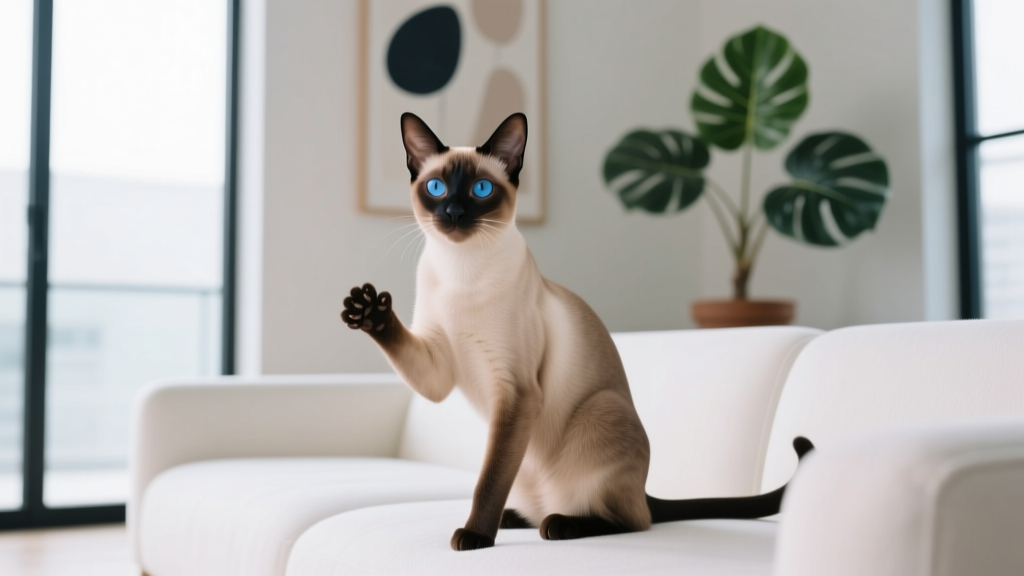
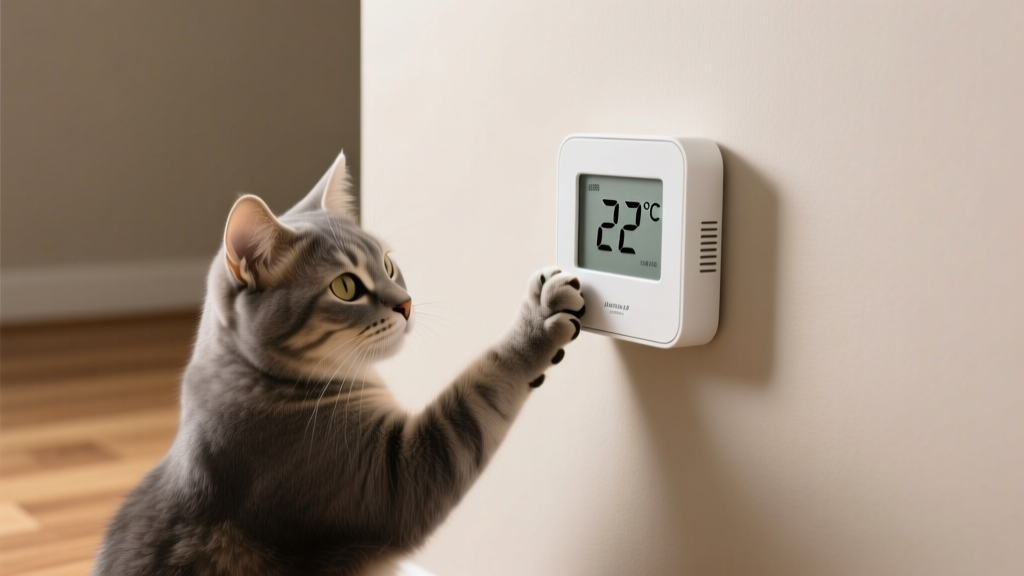
You’re minding your own business when you hear it: the tiny tap-tap of a paw on plastic. You turn around and there’s your cat—perched on the back of the couch like a mountain lion on a cliff—reaching up to the thermostat with one careful toe-bean. Maybe they pat it once and stare at you. Maybe they paw it repeatedly like it owes them money. Maybe they rub their cheek on the wall beside it as if they’re signing an important document.
If you’ve ever wondered, “Are you adjusting the temperature… or are you just being dramatic?” you’re in excellent company. Cats interacting with thermostats is surprisingly common, and it’s rarely random. It’s usually a mix of curiosity, communication, scent, comfort-seeking, and a little bit of “human, I have noticed you respond to this object.”
Why Cats Do This: The Science and the Cat Logic
Cats are expert environmental managers. In the wild, small changes in temperature, airflow, and shelter can mean the difference between comfort and stress—or even survival. Domestic cats still carry that instinct to monitor their surroundings. They may not be scanning for predators, but they absolutely notice the warm draft near a vent, the sunbeam that moved three inches, and the room that “feels wrong” today.
Touching a thermostat can be driven by a few evolutionary and sensory truths:
- Cats learn by touching. Whiskers and noses get the spotlight, but paws are major information-gathering tools. A gentle tap tests texture, movement, and sometimes temperature.
- They’re drawn to high, central “control points.” A thermostat is usually mounted at cat-eye-level if your cat stands on furniture—convenient and interesting. It’s also placed in a high-traffic area, which makes it socially relevant.
- Thermal comfort is a big deal. Cats prefer warmer ambient temperatures than many humans. Studies and veterinary sources commonly cite cats’ comfort zone as roughly 86–97°F (30–36°C) for their thermoneutral range, meaning they can maintain body temperature with minimal energy. Many homes are cooler than that, so cats are always “negotiating” warmth.
- Cause-and-effect learning. If your cat paws the thermostat and you laugh, talk to them, or change the temperature, you’ve created a powerful lesson: “This object makes my human do things.”
What’s Really Happening? Contexts That Change the Meaning
Not all thermostat taps are the same. The surrounding context—time of day, your cat’s body language, and what happens right after—matters.
1) The Curious Investigation Tap
What it looks like: One or two light touches, sniffing, head tilt, then moving on. Sometimes accompanied by a little chirp.
Why it happens: Your cat noticed something new: a beep, a click, a light, a change in airflow. Smart thermostats can make faint sounds or screen changes that are more noticeable to cats than to us.
Owner scenario: You installed a new thermostat and your cat acts like you brought home a tiny glowing alien.
2) The “I Want Something” Tap (Communication Behavior)
What it looks like: Repeated pawing, looking back at you, pawing again. Sometimes meowing escalates if you don’t respond.
Why it happens: Cats are masters of “attention targeting.” They pick objects you care about, especially ones that reliably trigger your reaction. Thermostat = high-value human attention button.
Owner scenario: You’re on a Zoom call. Your cat chooses the thermostat behind you as their stage, tapping it precisely when you start speaking.
3) The Warmth-Seeking Touch (Temperature Check)
What it looks like: Your cat investigates the thermostat area, then settles near a vent, heater, or sun patch. They may paw at the wall, then loaf nearby.
Why it happens: Thermostats often live near airflow pathways—hallways, near return vents, or between rooms with different drafts. Your cat may be checking the “warmth map” of the house.
Owner scenario: The heat kicks on and your cat appears like a summoned spirit, making a beeline for the warmest corridor.
4) The Scent + Territory Rub
What it looks like: Cheek rubs, chin rubs, body lean against the wall, sometimes with a paw touch as part of the routine.
Why it happens: Cats have scent glands in the cheeks and around the mouth. Rubbing is a way of labeling a space as safe and familiar. High-traffic “community areas” get marked more.
5) The Playful “Bop It” Moment
What it looks like: Quick batting, possibly with zoomies afterward. Ears forward, loose body, tail up or swishing playfully.
Why it happens: The thermostat is a small object that can click, wobble slightly, or offer a satisfying tactile response. For some cats, it’s basically a stationary toy.
What It Says About Your Cat’s Mood and Feelings
Thermostat touching can be a surprisingly clear window into your cat’s emotional state—if you read the whole cat, not just the paw.
- Relaxed curiosity: Soft eyes, slow movements, gentle tapping. Your cat feels safe enough to explore.
- Seeking engagement: Looking back at you, vocalizing, repeating the behavior. Your cat is asking for interaction—play, attention, or a routine request (food, door opening, lap time).
- Mild frustration: Faster pawing, louder meows, tail flicking, ears rotating back and forth. Think of it as “I have filed a complaint.”
- Comfort seeking: Purring, kneading nearby, settling close to vents or warm walls. Your cat may be trying to regulate their comfort level.
- Stress or agitation: Flattened ears, tense body, dilated pupils, pacing. In this case, thermostat touching may be displacement behavior—something to do with nervous energy.
Related Quirky Behaviors You Might Also Notice
If your cat treats the thermostat like an important household device, you may also see:
- Pawing at light switches (similar “human controls this” association)
- Sitting on routers, cable boxes, or laptops (warmth + attention + central location)
- Patrolling vents or hovering near baseboards (air currents carry smells and temperature cues)
- “Checking” the fridge or pantry door (routine learning and resource monitoring)
- Rubbing corners and doorframes (scent-marking key pathways)
When It’s Normal… and When It Might Be a Concern
Most thermostat touching is normal feline curiosity or communication. Still, there are a few situations where it’s worth paying closer attention.
Normal
- Occasional tapping or rubbing, especially after seasonal temperature shifts
- Playful batting without signs of distress
- Checking the area when heating/cooling turns on
Potential concerns
- Sudden, intense heat-seeking: If your cat is constantly glued to warm areas, it could indicate pain, illness, or trouble maintaining body temperature—especially in older cats. Arthritis cats often seek warmth.
- Compulsive or repetitive behavior: If your cat paws the thermostat for long periods, seems unable to stop, or does it alongside over-grooming or pacing, consult your veterinarian and consider stress factors.
- Increased vocalization + restlessness: Can be related to anxiety, cognitive changes in senior cats, or medical issues like hyperthyroidism. A vet check is wise if this is new.
- Safety issues: If your cat can actually change the thermostat settings (some can!), you may see dramatic temperature swings that aren’t good for anyone.
How to Respond (and When to Encourage It)
You don’t have to stop the behavior unless it’s causing problems. Instead, think like a behaviorist: what’s the need underneath, and can we meet it more directly?
If it’s attention-seeking
- Don’t reinforce the tap by immediately reacting. If thermostat tapping reliably earns a big response, your cat will repeat it.
- Reward an alternative behavior. When your cat sits on a mat or approaches you calmly, reward with play, petting, or a treat.
- Add scheduled interactive play. Two short sessions a day (5–10 minutes) can reduce “creative” attention tactics.
If it’s warmth-seeking
- Provide legal warmth. Heated cat beds (pet-safe), a fleece blanket near a radiator (not on unsafe surfaces), or a sunny window perch can meet the need without thermostat obsession.
- Offer a draft-free resting spot. Some cats paw at thermostats when they’re actually annoyed by cold drafts or inconsistent airflow.
If it’s curiosity or play
- Redirect to a “vertical investigation zone.” A cat tree near a window or a wall-mounted shelf gives a similar climbing-and-observing payoff.
- Provide tactile toys. Think kicker toys, puzzle feeders, or a wand toy that mimics small prey movement.
Practical household tips
- Use a thermostat lock or cover if your cat can change settings.
- Check placement options during renovations—some homes place thermostats exactly at “cat-launch height.”
- Avoid using the thermostat as your “cat stage.” If you frequently talk to your cat there, they’ll treat it as a social hotspot.
Fun Facts and Research-Adjacent Nuggets
- Cats run warm, but they like it warmer. A cat’s normal body temperature is typically around 100.4–102.5°F (38–39.2°C). Even so, many cats prefer lounging spots warmer than what humans find comfortable.
- Your cat is an airflow critic. Cats notice microclimates—tiny differences in temperature and moving air—because airflow carries scent information and affects comfort.
- They’re excellent “pattern detectives.” If the heat turns on at a certain time daily, your cat may start checking the thermostat area right before it happens.
- Paws are sensory tools. Paw pads are packed with nerve endings. Touching objects isn’t just about play—it’s about gathering data.
FAQ: Cat Pawing at the Thermostat
1) Is my cat trying to change the temperature?
Usually, no—cats don’t understand thermostats the way we do. But they do understand that this object is linked to comfort changes and human reactions. Some cats also learn that pawing it gets your attention, which is just as rewarding.
2) Why does my cat look at me after touching it?
That look-back is classic communication: “Did you see that?” or “Now do the thing.” If you’ve responded before (talking, laughing, adjusting the temperature), your cat may be repeating a successful strategy.
3) My cat only paws the thermostat at night—why?
Nighttime is quieter, cooler, and often more boring. A cooler house can increase warmth-seeking. Also, if your cat has learned that you respond (even grumpily) at night, the behavior can become part of their nighttime routine.
4) Should I stop my cat from doing it?
If it’s occasional and safe, it’s harmless. If your cat can alter settings, is damaging the wall/thermostat, or the behavior is becoming repetitive and frantic, it’s worth redirecting and evaluating stress, enrichment, and possible medical issues.
5) Could this mean my cat is cold?
It can. Look for other signs: curling tightly, seeking laps more than usual, hanging near vents, shivering (rare but important), or choosing unusually warm spots. Provide a warm resting area and consider whether your home temperature is comfortable for them.
6) Why does my cat rub their face near the thermostat?
That’s likely scent-marking—your cat is labeling a frequently used household pathway as familiar and safe. It can also be a self-soothing behavior in a busy home.
If your cat has a favorite “control panel” in the house—thermostat, switch, laptop, or the mysterious cabinet with the treats—share the story with fellow cat people at catloversbase.com. The tiny paw that taps the thermostat is often the same paw that taps straight into our hearts, and we’d love to hear what yours is up to.