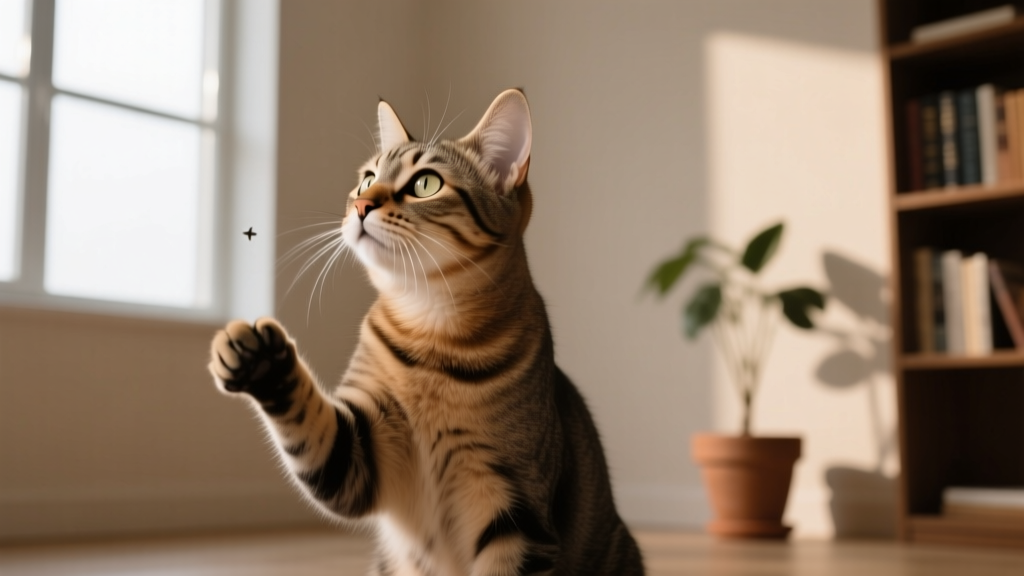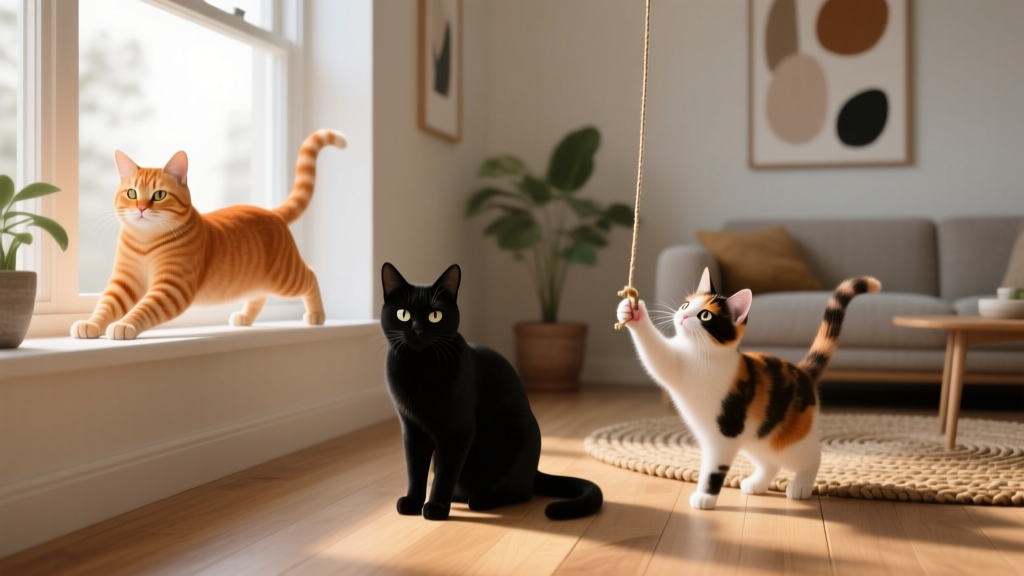
Cat Paw Reaching Into the Paper Bag: Cave Instinct
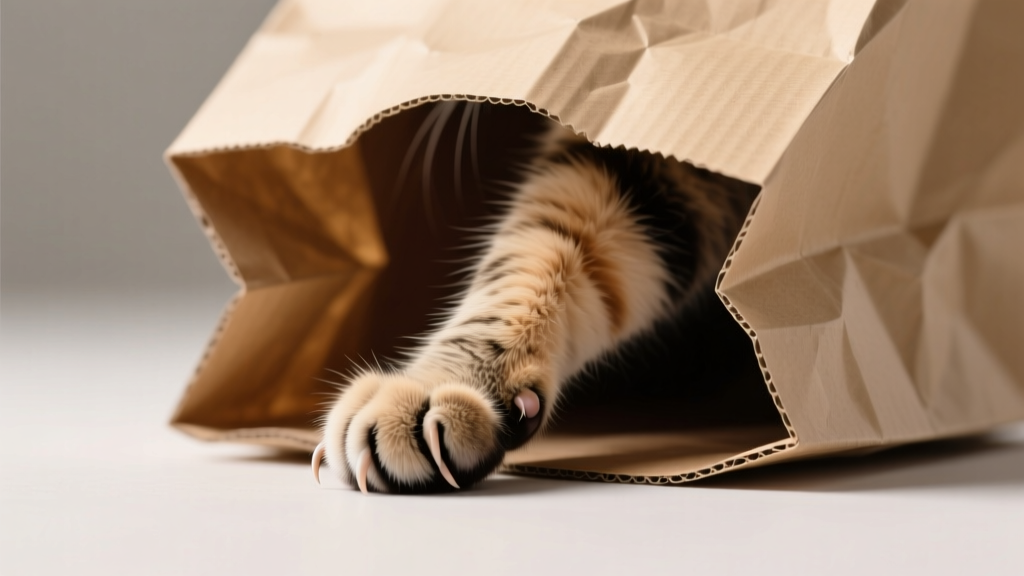
You bring groceries home, set the paper bag on the floor for one second, and your cat materializes like they’ve been waiting in the walls. Before you can even put the bananas away, there’s a paw—slow, deliberate, almost dramatic—slipping into the bag’s dark opening. The paw wiggles. The bag crinkles. Your cat freezes, whiskers forward, eyes wide, as if they just discovered a hidden tunnel to another dimension.
If you’ve ever wondered why cats do that “fishing paw” move into paper bags (or tote bags, boxes, laundry baskets, the space under the couch…), you’re watching an ancient instinct in a very modern setting. To a cat, a paper bag isn’t just packaging. It’s a cave.
The Evolutionary Reason: Cats Are Built for Edges, Shadows, and Hideouts
Domestic cats are small predators who evolved to hunt while also staying safe from larger animals. That combination shaped a brain that’s obsessed with cover and cautious investigation. In the wild, a dark opening could be:
- A hunting advantage (a place to hide and ambush prey)
- A shelter (from wind, sun, rain, and threats)
- A risk (a den that already belongs to someone else)
So cats approach “caves” with a mix of curiosity and strategy. The paw reaches in first because it’s the safest probe. Their body stays outside, ready to retreat, while their paw collects information: What’s inside? Is it moving? Does it smell like food? Does it feel safe?
That’s why the behavior often looks so careful—your cat is running a tiny risk assessment using the most expendable, most agile tool they have: the paw. Think of it as the feline version of tapping the water with your toe before stepping in.
What’s Actually Happening: A Detailed Breakdown in Different Contexts
That paper-bag paw reach can mean a few different things depending on the setup. Here are the most common scenarios cat owners recognize.
1) “Is There Something Alive in There?” (The Hunter Check)
The bag crinkles with the tiniest movement of air, and to a cat’s senses, that can register as “something small is shifting.” The sound is high-pitched and sudden—exactly the kind of noise prey makes in dry leaves. Your cat’s paw reaches in and pauses, ready to pin something if it darts.
What it looks like: Dilated pupils, slow stalking approach, shoulders slightly hunched, a quick paw jab followed by a freeze.
2) “This Is My Cave Now” (The Shelter Claim)
Some cats reach in, then immediately push their head in, then the whole body follows. That’s not just curiosity—it’s real estate acquisition. Paper bags are dark, enclosed, and smell like “outside,” which adds novelty. For cats who love hiding places, the bag is basically an instant bedroom.
What it looks like: Calm face, ears neutral, sniffing, then climbing in and settling. You may even get a satisfied loaf with the bag forming a crunchy little fort around them.
3) “I’m Bored, Entertain Me” (The Play Invitation)
If your cat is reaching in repeatedly, batting at the edge, or flipping the bag over, they may be using it like a toy. Bags make noise, move unpredictably, and offer a “mystery” space—prime ingredients for play. This is especially common with young cats, energetic adults, and indoor cats who crave novelty.
What it looks like: Quick pawing, sideways hops, rolling near the bag, and possibly launching a sneak attack on your ankles afterward (because the bag got them revved up).
4) “I Smell Something Interesting” (The Scent Investigation)
Paper is excellent at holding odors. If the bag previously held food, or even just sat in a store with interesting smells, your cat will take inventory. Cats gather information by sniffing, rubbing, and yes—reaching. That paw can pull the bag closer or drag an object out for further examination.
What it looks like: Focused sniffing, whiskers forward, slow paw movements, maybe rubbing cheeks on the bag afterward (adding their own scent signature).
5) “I’m Not Sure This Is Safe” (The Cautious Probe)
Some cats want to investigate but aren’t confident. The paw is a compromise: curiosity without full commitment. If your cat has had a scare with sudden noises, other pets, or unfamiliar visitors, you might see extra caution around anything that rustles.
What it looks like: One paw extended, body weight shifted back, ears swiveling, quick retreat if the bag moves unexpectedly.
What It Says About Your Cat’s Mood and Feelings
The paw reach is a tiny emotional snapshot. Look at the whole body, not just the paw.
- Curious and confident: Tail up or softly waving, ears forward/neutral, steady sniffing, slow deliberate pawing.
- Playful and excited: Dilated pupils, quick jabs, bouncing, sudden bursts of energy, “crazy eyes” paired with relaxed ears.
- Cautious or unsure: Body low, leaning away, ears rotating back and forth, frequent pausing, retreating after each paw touch.
- Overstimulated: Rapid tail flicking, twitchy skin, escalating intensity (hard slaps, biting the bag), sudden swats at you if you reach in too.
In most cases, this behavior is a sign of healthy curiosity and a cat who feels safe enough to explore. A cat who never investigates anything can be stressed, unwell, or under-stimulated—so that paw in the bag is often a good thing.
Related Behaviors You Might Also Notice
If your cat loves paper-bag “caves,” you’ll probably see these cousins of the same instinct:
- Reaching under doors or furniture: Same idea—something might be moving on the other side.
- Box obsession: Boxes provide tight cover and a controlled opening to watch from.
- Batting at crinkly sounds: Crinkle mimics prey movement in dry brush.
- Ambush play from hiding spots: A bag becomes a launchpad for sneak attacks on toy mice (or your unsuspecting socks).
- “Checking corners” when entering a room: Cats instinctively scan for safety and opportunity.
Normal vs. Concerning: When to Pay Attention
Paper-bag pawing is usually harmless enrichment. There are a few situations where it deserves a closer look.
Totally normal
- Your cat investigates new bags, boxes, or packages with curiosity.
- The behavior is playful, occasional, and easily interrupted.
- Your cat otherwise eats, drinks, sleeps, and uses the litter box normally.
Potential concerns
- Compulsive or frantic behavior: If pawing becomes repetitive, hard to interrupt, or seems driven rather than playful, stress may be involved.
- Pica (eating non-food items): Chewing or swallowing paper can be dangerous. Occasional nibbling is common; persistent eating is not.
- Sudden change: A cat who never played and suddenly becomes fixated may be reacting to anxiety, a new pet, a move, or discomfort.
- Pain signs: If your cat avoids jumping into the bag, seems stiff, or becomes irritable when playing, consider a vet check for joint pain or dental discomfort (pain can reduce play tolerance).
Safety note: Paper bags with handles can be risky. A cat can get a handle caught around the neck or body. If you offer a bag, remove the handles first and supervise.
How to Respond (and Encourage It in a Healthy Way)
You don’t need to stop this behavior—most of the time, it’s excellent enrichment. A few small tweaks can make it safer and more satisfying.
- Make it a “cave” on purpose: Place the bag on its side so the opening is stable. Add a soft towel inside for cats who like to nest.
- Remove handles and staples: Cut paper handles off completely. Avoid glossy bags with heavy inks if your cat tends to chew.
- Add a toy to create a “mystery”: Toss in a pom-pom ball or a crinkle toy. You can even drag a wand toy near the opening so your cat can “fish” for it.
- Use it as confidence-building enrichment: For shy cats, place the bag in a quiet area and let them approach at their own pace. Don’t force interactions.
- Reward calm investigation: If your cat gently explores, you can praise softly or toss a treat nearby to reinforce brave, relaxed curiosity.
- Redirect chewing: If your cat starts eating paper, swap the bag for a cardboard box, a paper bag only under supervision, or appropriate chew-safe enrichment (and discuss pica with your vet if it’s persistent).
One of the simplest relationship tips: when your cat is doing this, try not to startle them by suddenly grabbing the bag. You’re watching a focused little ritual. Let them complete the investigation, and you’ll see a more confident, playful cat overall.
Fun Facts and Research-Linked Tidbits
- Cats use their paws like sensory tools. Their paw pads contain nerve endings that help them detect texture and vibration—useful for “Is this safe?” testing.
- Whiskers are part of the cave calculation. Whiskers help cats judge openings and airflow changes near tight spaces, which is why you’ll see intense whisker-forward focus at the bag opening.
- Enrichment reduces stress behaviors. Animal welfare research consistently supports that opportunities to hide, explore, and play help reduce anxiety and improve well-being in indoor cats—paper bags and boxes are simple, effective enrichment when used safely.
- That crinkle is a feature, not a bug. Many cats find crinkly sounds motivating because they resemble the acoustic signature of small animals moving through dry material.
FAQ: Cat Paw Reaching Into the Paper Bag
Why does my cat only use one paw to reach into the bag?
It’s a cautious probe. One paw in, body out means your cat can retreat instantly. Many cats also have a “preferred” paw (yes, cats can show paw preference), so you may notice a consistent left- or right-paw investigator.
Is my cat trying to hunt something in the bag?
Sometimes, yes—at least in their imagination. The sound and movement of the bag can mimic prey. Even if nothing is inside, the hunting sequence (stalk → paw → freeze) is satisfying practice play.
My cat gets in the bag and then attacks my feet. Is that aggression?
Usually it’s play that escalated. The bag acts like a “hunting blind,” and feet become convenient moving targets. If it’s frequent, increase structured play with a wand toy and end sessions with a small snack to help your cat complete the hunt cycle.
Is it safe to let my cat play with paper bags?
Generally yes, with supervision and a few precautions: remove handles, watch for chewing/eating paper, and don’t leave bags out if your cat tends to panic when startled. If your cat is a vigorous player, a sturdy cardboard box can be a safer long-term “cave.”
Why does my cat paw at the bag and then run away like it’s scary?
That’s the curiosity–caution balance in action. The bag moved or crinkled unexpectedly, and your cat’s startle reflex kicked in. Many cats will “re-approach” once they realize the object isn’t a threat.
My cat ignores paper bags but loves boxes. Is that normal?
Completely. Some cats dislike the unpredictable crinkle noise or the shifting shape of a bag. Boxes are more stable and feel safer. Preference is personality plus past experiences.
That little paw reaching into the paper bag is your cat’s cave instinct showing up in your living room: cautious, clever, and just playful enough to be adorable. If you’ve got a “bag fisher,” a “bag camper,” or a cat who treats every grocery run like a new expedition, share your story with other cat people at catloversbase.com—the best cat behavior conversations are the ones that start with “You won’t believe what my cat did with a bag…”