Cat Paw Reaching Into Shopping Bags: Exploration
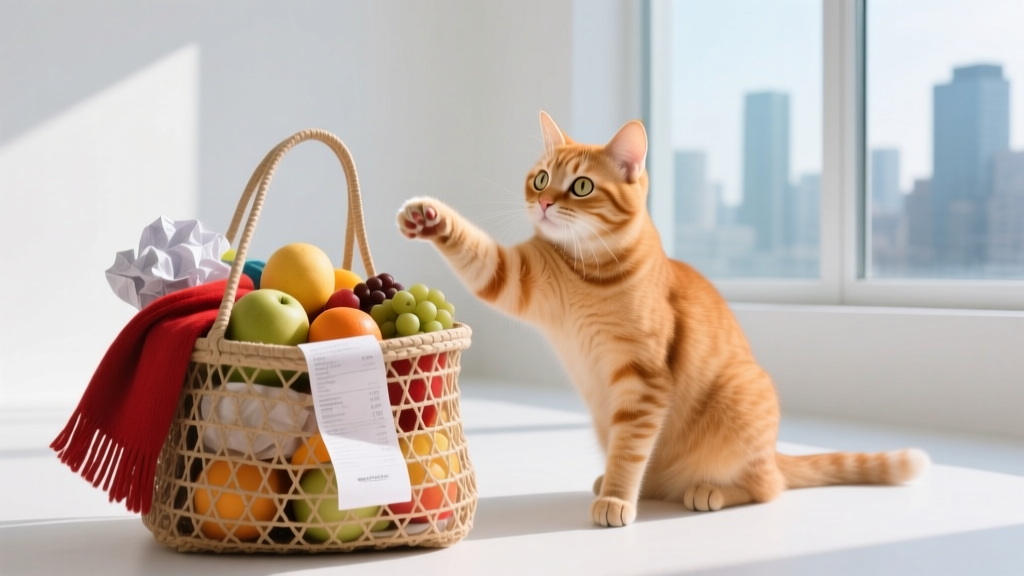
You come home with groceries, set the bags on the kitchen floor, and before you’ve even found the keys to unhook your reusable tote, your cat appears. Quiet. Focused. Almost ceremonial. One paw lifts, slips into the bag’s dark opening, and begins the slow, investigative “stir.” You hear the soft crinkle of paper, the whisper of plastic, maybe the gentle tap of a paw against a can. Your cat pauses like they’ve discovered treasure… then reaches in again, deeper this time, as if the bag might contain the secrets of the universe (or at least something that smells like fish).
If you’ve ever wondered why cats do this—why the paw first, why the intense concentration, why the sudden burst of enthusiasm when the bag rustles—you’re watching a perfect little snapshot of feline exploration. It’s quirky, yes. It’s also deeply instinctual.
Why Cats Reach Into Bags: The Science (and a Little Evolution)
Cats are predators built for close-range investigation. In the wild, small prey hides in places that are tight, shadowy, and unpredictable—burrows, brush, rock crevices. A cat can’t always shove their whole head into a mystery hole safely, so the paw becomes a tool: a probe, a hook, a tactile sensor.
Domestic cats still run on that same operating system. Shopping bags mimic the “interesting hiding place” template:
- Dark interior: Cats are drawn to enclosed spaces. A bag is basically a portable cave.
- Novel smells: Grocery store scents, outdoor air, other humans, other animals, food packaging—your cat gets a whole “scent newsletter” in one object.
- Unpredictable movement and sound: Bags crinkle, tip, slide. That’s prey-like feedback. It rewards investigation.
- Safe distance testing: The paw goes in first so the cat can assess risk. This is cautious curiosity, not randomness.
From a feline psychology angle, pawing into bags is a blend of neophilia (interest in new things), hunting behavior (investigate, paw, pull), and comfort-seeking (cozy enclosure). It’s one of those “house-cat” behaviors that looks silly but makes perfect sense once you translate it into cat logic.
A Detailed Breakdown: Different Contexts, Different Motivations
Not every bag investigation means the same thing. The paw-reaching behavior can shift depending on the situation, the bag type, and your cat’s personality.
1) The “Is Something Alive in There?” Paw
Your cat approaches slowly, shoulders slightly hunched, whiskers forward. They insert one paw, freeze, then pull back quickly. If the bag crackles, they may hop sideways or do a tiny startle-jump—then return, because curiosity wins.
What’s happening: Your cat is doing a risk assessment. Cats are brave, but they’re not reckless. The paw test is the feline version of tapping ice before stepping onto a frozen pond.
2) The “Treasure Hook” Paw
The paw goes in and you see little pulling motions. Your cat might snag a receipt, a piece of tissue paper, or a handle and drag it out like a trophy.
What’s happening: This is prey-handling behavior. Cats often “fish” objects out of narrow spaces because that’s how you extract a mouse from under a cabinet—or a toy from beneath the sofa.
3) The “Snack Detector” Paw
Your cat targets one specific bag, ignoring the others. They paw near the bottom corners, sniff, lick their lips, or meow insistently. They might try to wedge their head inside if the opening is wide enough.
What’s happening: Scent is driving the investigation. Your cat has likely detected meat, dairy, fish, or the lingering odor of a deli container. Some cats also go wild for the smell of bread bags, rotisserie chicken packaging, or anything that carried tuna.
4) The “This Bag Is My New Apartment” Paw
Some cats paw at the bag, then step in, turn in a circle, and settle like they’re paying rent. Or they slide inside and peek out dramatically.
What’s happening: Enclosure-seeking plus “ownership.” A bag is a temporary den: warm, hiding-friendly, and infused with your scent (because you carried it). Many cats find this comforting.
5) The “Please Pay Attention to Me” Paw
Your cat paws at the bag while watching you, pausing when you look away and resuming when you glance back. They might add a chirp, trill, or a theatrical flop beside the bag.
What’s happening: Some cats learn that bag exploration gets a reaction—laughter, a “no,” a chase, or a game. It becomes a reliable way to start interaction.
What This Behavior Says About Your Cat’s Mood
Bag pawing is often a window into your cat’s emotional state. Look at the whole body, not just the paw.
- Curious and confident: Tail upright or gently waving, ears forward, smooth movements. Your cat is engaged and relaxed.
- Cautious but interested: Slow approach, crouched posture, quick paw withdrawals. They’re curious, but assessing safety.
- Playful/hunt mode: Dilated pupils, butt wiggle, pouncey energy, repeated paw strikes. The bag has become “prey-like.”
- Overstimulated or frustrated: Tail lashing, ears swiveling back, sudden biting of the bag, vocal complaints. They may want access to a smell (food) or are getting wound up by the noise and movement.
- Comfort-seeking: Slow blinks, kneading near the bag, settling inside. The bag is acting like a cozy hideout.
In most households, paw-reaching into bags is a sign of a healthy, engaged cat—one who feels safe enough to investigate and curious enough to explore.
Related Behaviors You Might Notice
If your cat loves “bag fishing,” you’ll probably recognize a few cousins of the same instinct:
- Pawing under doors: Trying to “catch” movement or scents on the other side.
- Reaching into small gaps: Under the fridge, between couch cushions, behind curtains—classic extraction behavior.
- Batting at crinkly objects: Receipts, paper balls, packaging—sound and movement trigger hunting circuits.
- Inspecting shoes and backpacks: High-value scent objects with outdoorsy information.
- Box obsession: Like bags, boxes provide enclosure plus a controllable entry point (great for ambush play).
When It’s Normal (and When It Might Be a Concern)
Most of the time, this is harmless exploration. Still, a few situations deserve extra attention.
Normal
- Curious pawing, sniffing, and occasional playful batting
- Briefly climbing into paper bags (supervised)
- Investigating grocery scents, then losing interest
Potential Concerns
- Chewing or eating plastic: Some cats mouth bags, and a few may ingest pieces. This can be dangerous and may be linked to pica or stress.
- Getting tangled in handles: Handle loops can catch around the neck or body, especially if your cat panics.
- Obsessive, frantic behavior: If your cat can’t disengage, is panting, or becomes aggressive around bags, it may indicate overstimulation, anxiety, or resource guarding (especially if food smells are involved).
- Sudden behavior change: If a normally indifferent cat becomes intensely fixated on bags, or if curiosity escalates into irritability, consider whether something else is going on (stressors at home, pain, hunger changes). When in doubt, consult your veterinarian or a qualified behavior professional.
How to Respond: Encourage the Fun, Prevent the Risks
You don’t need to shut down exploration—cats thrive on it. The goal is to make it safe and satisfying.
1) Make bag time safe
- Remove handles from paper bags (cut them or tear them off) before letting your cat investigate.
- Put plastic bags away promptly if your cat chews them. Plastic and cats are not a trust exercise.
- Check for hazards: Twist ties, rubber bands, grapes/raisins, onions/garlic, raw meat packaging, chocolate—don’t let a curious paw find something toxic.
2) Turn it into enrichment
- DIY “foraging bag”: Use a paper bag (handles removed) and toss in a few treats or kibble, plus a crumpled paper ball for noise. Let your cat “fish” for rewards.
- Bag + toy combo: Drag a wand toy near the bag opening so your cat can practice stalking and reaching.
- Scent games: Place a cat-safe item with a new smell (like a clean sock from a visitor, or a cardboard tube rubbed on catnip) near the bag to encourage sniffing and exploration.
3) If your cat gets too intense
- Redirect, don’t scold: Offer a kicker toy, a crinkle ball, or a short play session. Scolding can turn curiosity into stress.
- Create a predictable routine: Some cats raid grocery bags because they’ve learned “bag equals food.” Feeding your cat before unpacking can lower the urgency.
4) Protect your bond
If you laugh, your cat may repeat the behavior for attention. If you chase them away dramatically, they might also repeat it—because you’ve made it exciting. Calmly guide your cat toward a safe alternative and reward them for choosing it. Cats repeat what works.
Fun Facts and Research-Adjacent Nuggets
- Cats use their paws like hands. While cats don’t have opposable thumbs, they’re excellent at manipulating objects with the wrist and toes. That “scooping” motion you see in a bag is the same basic tool they use to pin and reposition prey.
- Whiskers are part of the investigation. You’ll often see whiskers angled forward as your cat reaches in. Forward whiskers generally signal interest and engagement—your cat is “aiming” their sensory equipment.
- Novelty is enriching. Many behavior programs for indoor cats emphasize rotating objects and introducing safe new textures/smells. A shopping bag is essentially a rotating enrichment item delivered to your door.
- Some cats prefer paw-first exploration over nose-first. Cats that are more cautious often test with a paw before committing their face. It’s a sensible strategy when you consider how vulnerable eyes and whiskers are.
FAQ: Cat Pawing Into Shopping Bags
Why does my cat only use one paw?
Many cats have a preferred paw (similar to being right- or left-handed). You might notice your cat consistently “fishes” with the same paw, especially when they’re focused. It can also be about balance—one paw probes while the other three stabilize.
Is my cat hunting something in the bag, or just playing?
Often it’s both. The behavior taps into hunting sequences (investigate, reach, hook, pull), but in a safe indoor setting it becomes play. If you see stalking posture, pupil dilation, and repeated pounces, your cat has shifted into hunting-play mode.
My cat climbs into paper bags. Is that safe?
It can be, with supervision and with the handles removed. The biggest risk is entanglement. Also watch for chewing—some cats nibble paper or glue seams.
Why does my cat go wild when the bag crinkles?
Crinkly sounds mimic the rustle of small animals moving through leaves or grass. For many cats, that sound is an instant “prey cue.” It’s also stimulating in a sensory way—some cats simply love the feedback.
Should I stop my cat from investigating grocery bags?
You don’t need to stop the curiosity; just manage the environment. Unpack promptly, remove hazards, and offer a safe paper bag or box as an approved “investigation zone.” If your cat chews plastic, that’s the line where you should remove plastic bags immediately.
Can this behavior mean my cat is bored?
Sometimes. If bag time is the highlight of your cat’s day, it may be a sign they’d enjoy more enrichment—short daily play sessions, food puzzles, window perches, or rotating toys. A curious cat isn’t a problem; a chronically under-stimulated cat may become one.
Next time your cat reaches a paw into a shopping bag like a tiny archaeologist, you’ll know you’re watching instincts at work: cautious investigation, scent gathering, and a dash of playful hunting skill. It’s one of the many ways cats turn everyday life into an adventure—especially when you bring the “mystery cave” home from the store.
Has your cat ever pulled something ridiculous out of a bag—like a receipt they proudly carried around, or the one item you actually needed? Share your funniest (or most baffling) bag-investigation stories with the Cat Lovers Base community at catloversbase.com.