Cat Paw Patting at Reflections in Glass
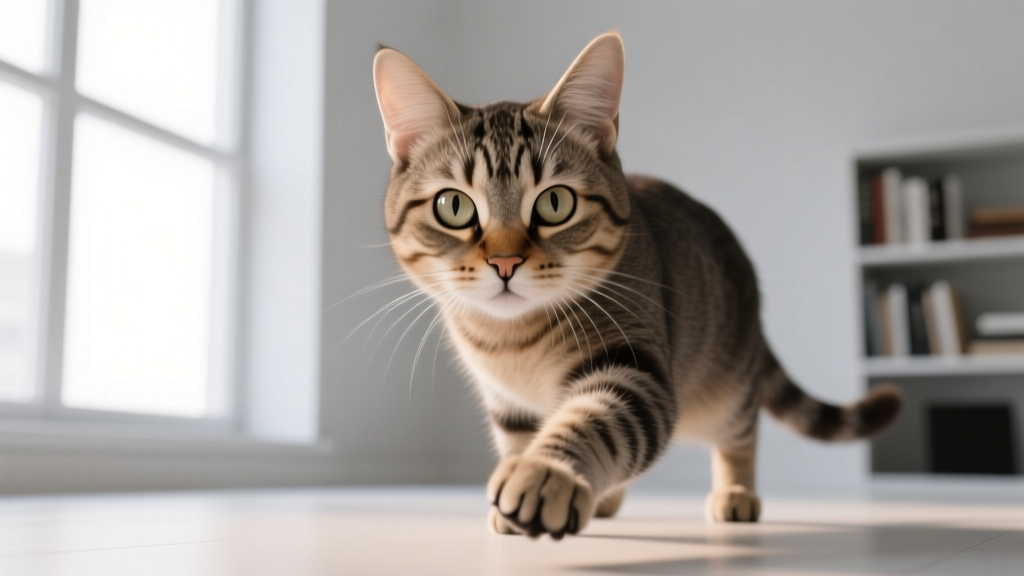
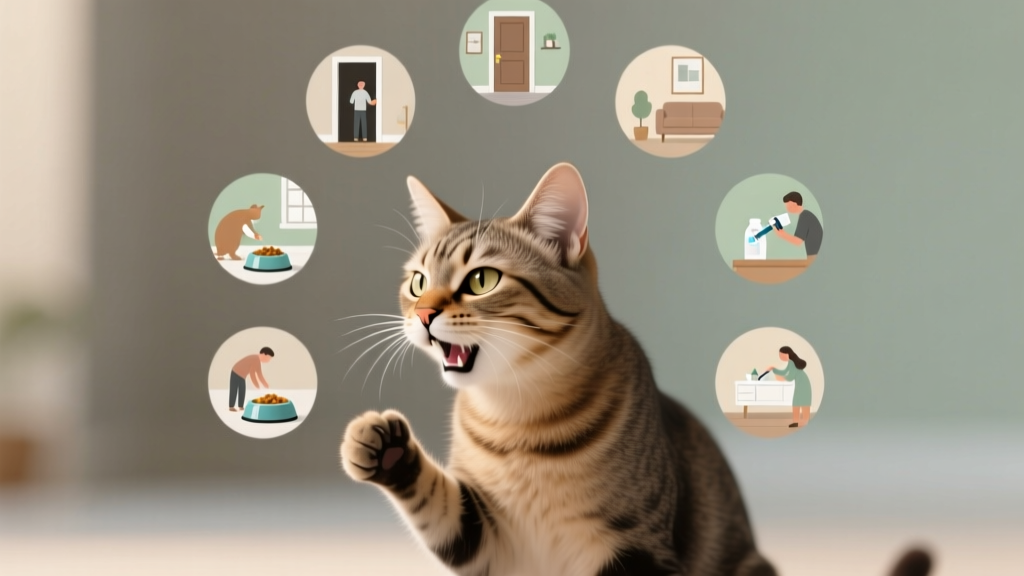
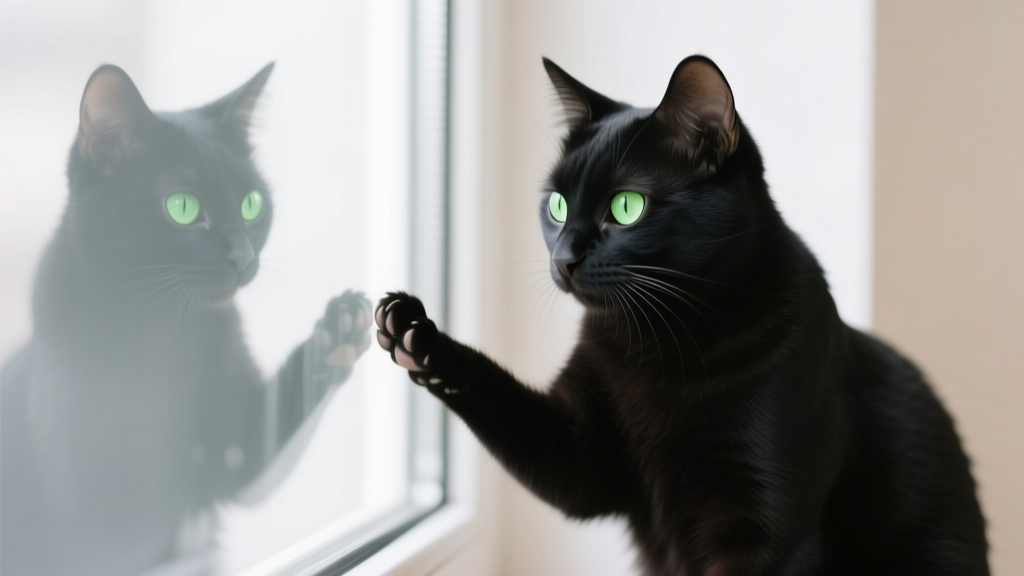
You’re carrying a mug of coffee past the patio door when you hear it: tap… tap-tap… tap. Your cat is posted up like a tiny security guard, one paw lifted, gently patting the sliding glass as if the window is an iPad. On the other side? Nothing. But in the glass—depending on the light—there’s a faint cat-shaped “intruder” staring back.
If you’ve ever watched your cat paw at a reflection in a window, TV screen, glass cabinet door, or even your shower door, you’ve probably wondered: Is my cat confused, playful, territorial, or plotting something? The answer is often a charming mix of cat physics, sensory biology, and good old-fashioned curiosity.
Why Cats Pat Reflections: The Science and the “Wild Cat” Backstory
Cats are visual hunters built to detect movement. Their eyes are tuned for low light, and their brains prioritize “something shifted over there” more than “I can read that label from across the room.” In the wild, that’s perfect: a tiny twitch might be a lizard, an insect, or a meal trying not to be a meal.
Reflections in glass create a special kind of visual puzzle for a cat’s brain:
- It looks real enough: A reflection moves in perfect sync with your cat, which screams “alive” to an animal that tracks motion.
- It smells like nothing: Cats rely heavily on scent for confirmation. A “cat” that has no scent profile is suspicious, confusing, or simply intriguing.
- It doesn’t behave normally: The “other cat” won’t blink away, won’t yield space, and won’t react like a normal social encounter.
- It’s behind an invisible barrier: Glass blocks whiskers, paws, and nose—the tools cats use to investigate up close.
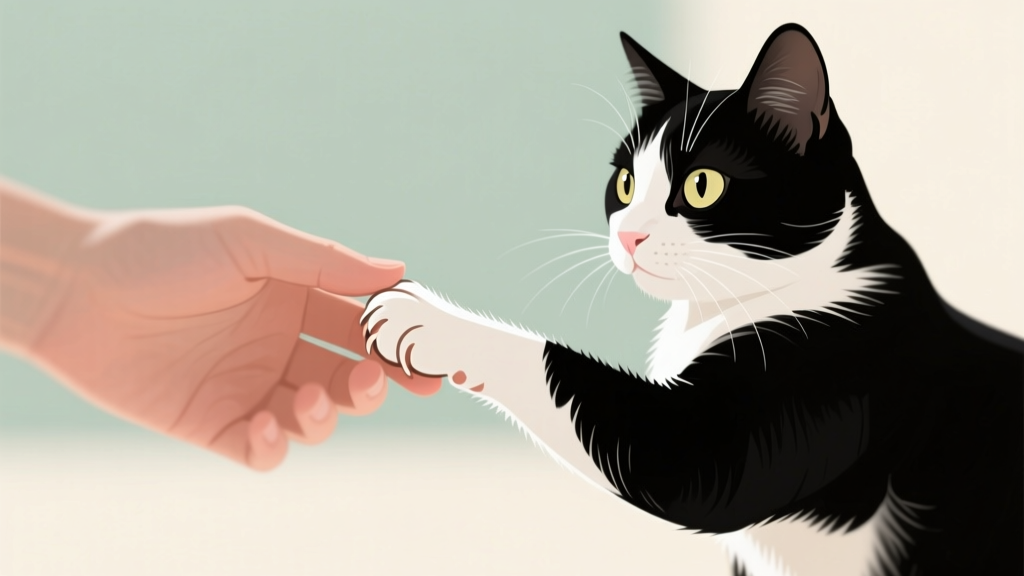
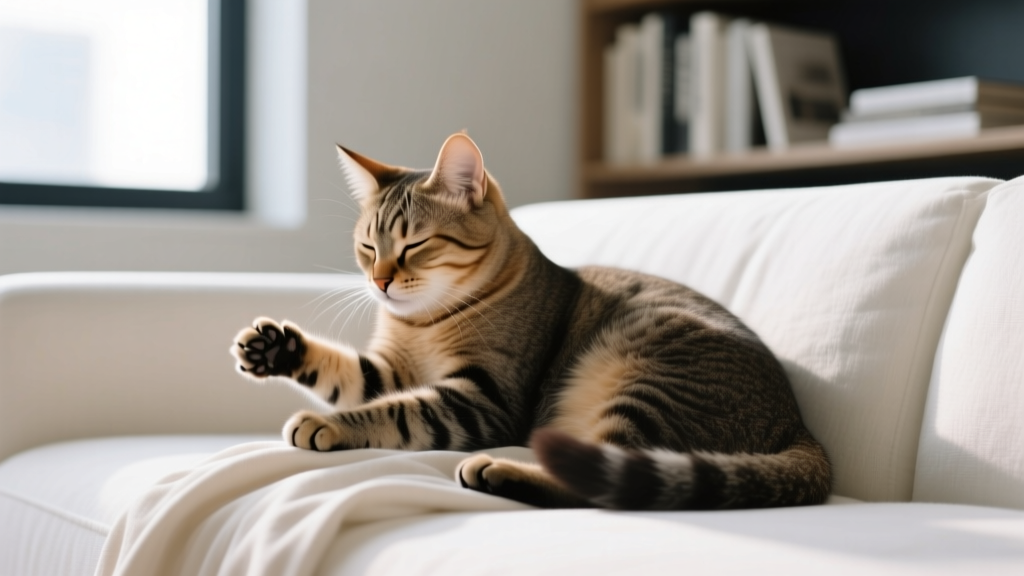
Evolutionarily, pawing is a safe test. In nature, cats use their paws to check uncertain objects: water surfaces, holes, rustling leaves, and prey that might still fight back. A soft paw pat is the feline version of “Is this a thing? And if it is, will it do something if I touch it?”
What Paw Patting Looks Like in Different Contexts
Not all reflection-patting is the same. The context—lighting, location, body language—often tells you what’s motivating your cat.
1) Window Reflections at Night
This is the classic: it’s dark outside, lights are on inside, and your window becomes a mirror. Your cat sees a crisp reflection and may:
- approach slowly with a low head and forward whiskers
- pat the glass with one paw, then freeze
- pivot their ears as if listening for a response
- do a little “side-step” as though trying to get around the “other cat”
What it usually means: curious investigation with a hint of caution. Night reflections can look startlingly real.
2) Sliding Doors During Bird Time
Sometimes the reflection is only part of the story. If birds, squirrels, or bugs are outside, your cat may hit the glass with quick paw taps—almost like typing—then glance at the reflection and back outside.
What it usually means: prey drive plus frustration. The reflection is a visual “echo” layered on top of real movement outdoors.
3) Glass Cabinet Doors, Mirrors, and Glossy Furniture
Some cats discover their reflection in a hallway mirror or glossy TV stand and start patting. This version is often more playful:
- bouncy body posture
- tail up or gently swishing
- quick taps, sometimes followed by a zoomie
What it usually means: “New toy!”—especially in kittens or young cats still mapping how the world works.
4) The TV Screen Cat
A dark TV can act like a mirror. Add moving images or animal sounds, and your cat may paw at the screen, then at their own reflection, then at the “thing” inside the TV like they’re trying to break into another dimension.
What it usually means: high arousal curiosity. Some cats love it; others get overstimulated quickly.
5) Bathroom Glass and Shower Doors
Bathrooms have slippery floors, echoey acoustics, and reflective surfaces—basically a sensory funhouse. A cat may pat at a shower door reflection, then track droplets or their own paw prints.
What it usually means: exploration and sensory play, sometimes paired with water fascination.
What It Says About Your Cat’s Mood (And Feelings in the Moment)
Think of paw patting as a cat’s “gentle probe.” Here are common emotional states behind it:
- Curiosity: Relaxed face, normal breathing, exploratory sniffing, slow approach. The taps are measured—like a scientist collecting data.
- Playfulness: Wiggly rear end, pounce-ready posture, quick repeated pats, perhaps followed by rolling or sprinting away.
- Caution or uncertainty: Body lowered, ears swiveling or slightly back, pausing after each tap as if expecting a response.
- Territorial concern (less common, but possible): Stiff body, intense stare, tail lashing, growling, or yowling—especially if the reflection is mistaken for a strange cat at night.
- Frustration: Rapid tapping that escalates to thumping, repeated attempts to “get to” the image, agitation if they can’t resolve the mystery.
If you want the quick translator: soft, slow taps usually equal “I’m investigating.” Fast, intense tapping with tension in the body can mean “I’m worked up.”
Related Quirky Behaviors You Might Notice
Reflection patting often comes with a few companion behaviors that are equally normal in cat-land:
- Chattering at the window: That rapid little teeth-click sound when prey is visible but unreachable.
- Head tilting: Cats do this to change viewing angle, reduce glare, and gather more visual info.
- Looking behind the glass or object: A classic “Where did it go?” moment when their brain expects a physical body to exist somewhere.
- Whisker-forward sniffing: They’re trying to confirm identity with scent, but glass blocks the usual chemical clues.
- Sudden zoomies after a reflection encounter: Arousal release. Think of it as emotional energy needing a sprint.
Normal vs. Concerning: When to Pay Closer Attention
Most reflection patting is harmless enrichment. But a few patterns deserve a closer look.
Usually Normal
- Brief episodes (seconds to a couple minutes)
- Playful or curious body language
- Your cat can be redirected with a toy, treat, or name call
- No signs of stress afterward
Potentially Concerning
- Fixation that escalates: Long periods of agitation at the glass, inability to disengage, or repeated episodes that seem frantic.
- Aggression or fear: Growling, hissing, stalking the reflection like an enemy, or attacking nearby cats/people afterward.
- Compulsive patterns: The behavior becomes repetitive and ritualized, especially if paired with overgrooming or pacing.
- Sudden change in behavior: If an older cat abruptly starts obsessing over reflections, consider vision changes, cognitive changes, or anxiety.
- Physical risk: Scratching at glass to the point of broken nails, sore paw pads, or constant face-rubbing against surfaces.
If you see these signs, a vet check is a good first step (rule out medical causes), followed by a conversation with a qualified behavior professional if needed. Sometimes stress, outdoor cat sightings, or a change in household routine can turn “quirky” into “stuck.”
How to Respond (And When to Encourage It)
You don’t need to stop every paw pat—cats need puzzles. The goal is to keep it safe, satisfying, and not stressful.
1) Make the “Mystery Cat” Less Convincing
- Change lighting: At night, close curtains/blinds or turn off interior lights near the window to reduce mirror-like reflections.
- Add window film: Frosted or patterned film can reduce reflections while still letting light in.
- Reposition reflective items: If a mirror triggers your cat, try moving it or tilting it slightly.
2) Offer a Better Target for Those Paws
- Use interactive toys: Wand toys and “prey-like” movement help satisfy the hunting sequence more effectively than glass tapping.
- Try food puzzles: If your cat gets mentally “stuck,” a lick mat or puzzle feeder can redirect brain power into a rewarding task.
- Provide a perch: A stable window perch or cat tree gives your cat an appropriate observation station.
3) If Your Cat Seems Agitated, Don’t “Hype” the Moment
It’s tempting to laugh (and honestly, it can be funny), but if your cat is tense, avoid exciting them further. Instead:
- speak softly
- use a calm redirect (treat scatter, sniffy game)
- remove the trigger if possible (curtains, lighting change)
4) Encourage Curiosity—Gently
If your cat is relaxed and just exploring, you can treat it as enrichment:
- reward calm disengagement (“Good job!” + treat when they walk away)
- add novel, safe experiences nearby (a new scratcher, a paper bag, a box)
- keep sessions short so it stays fun, not frustrating
Fun Facts and Research-Flavored Tidbits
- Most cats aren’t great at mirror self-recognition. Unlike humans (and a few other species studied with the “mirror test”), cats typically don’t show clear evidence of recognizing themselves visually. They rely more on scent and context than on facial identification.
- Glare and angle matter a lot. A reflection might be invisible one moment and vivid the next depending on light direction—so your cat’s “random” obsession may actually be triggered by a very specific lighting setup.
- Paws are precision instruments. Cats have a dense network of nerves in their paws. That delicate pat isn’t “soft for no reason”—it’s information-gathering with a built-in safety margin.
- Kittens do it more. Young cats are still learning what surfaces do, how objects behave, and what “real” looks like. Adult cats may still play with reflections, but kittens treat them like a research project.
FAQ: Cat Paw Patting at Reflections
Why does my cat paw at the window at night?
At night, indoor lights turn windows into mirrors. Your cat may see a clear reflection and investigate it like a strange cat or interesting movement. Closing curtains or changing the lighting often reduces it.
Does my cat think the reflection is another cat?
Sometimes. Cats don’t automatically interpret reflections the way we do. Depending on your cat’s temperament and experience, the reflection can register as “possible animal,” “weird moving thing,” or “interactive curiosity.”
Is my cat being territorial or aggressive?
Look at body language. A relaxed posture and gentle taps suggest curiosity or play. Stiff body, tail lashing, growling, or lunging suggest the reflection (or something outside) is triggering territorial stress.
Should I stop my cat from doing it?
If it’s brief and your cat stays calm, it’s fine. If they’re getting frustrated, damaging claws, or fixating for long periods, reduce reflections and redirect to toys or enrichment.
Why does my cat paw at the TV when it’s off?
A dark TV screen can reflect your cat like a mirror. If your cat has also learned that the TV sometimes shows moving animals or makes interesting sounds, it can become an attention magnet.
My older cat started doing this suddenly—should I worry?
A sudden new fixation can be stress-related, but it’s worth a vet visit to rule out vision changes, pain, or cognitive changes—especially if you notice other behavior shifts (clinginess, yowling at night, hiding, litter box changes).
Reflection patting is one of those behaviors that reminds us cats are both fierce little predators and curious little scientists. With a few small tweaks—better lighting, satisfying play, and a calm redirect when needed—you can keep the experience fun and frustration-free, and learn a lot about how your cat’s brain works along the way.
Seen your cat “argue” with a window cat, sneak-attack a mirror, or gently boop their reflection like they’re making a new friend? Share your story (and your funniest details) with the Cat Lovers Base community at catloversbase.com.