Cat Paw Kneading Your Neck: Comfort Behavior
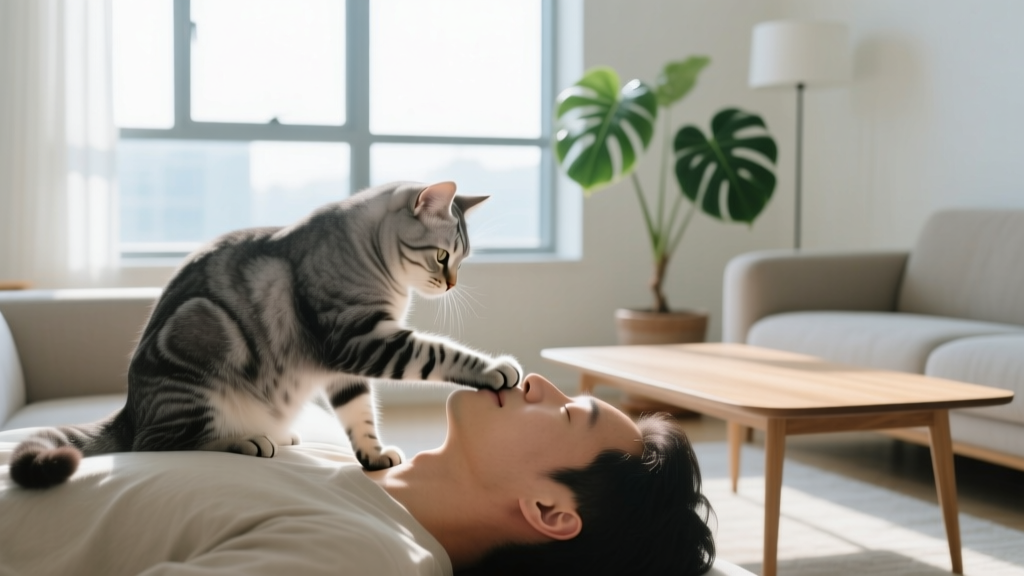
You’re on the couch, finally settled. Maybe you’ve got a blanket, maybe you’ve got a hot drink, maybe you’ve got five minutes of peace. Then your cat appears—calm, purposeful, like they’ve been assigned a mission. They circle once, step onto your chest, and before you can say “aww,” they start kneading… directly into your neck.
It’s oddly sweet and oddly painful. Tiny paws. Pointy toes. Sometimes a slow purr that says “I love you.” Sometimes a determined stare that says “Hold still, human furniture.” If you’ve ever wondered why your cat chooses your neck—of all places—for their biscuit-making routine, you’re watching a classic feline comfort behavior with deep roots in kittenhood and cat psychology.
The science (and evolution) behind neck kneading
Kneading is one of the most recognizable “baby cat” behaviors that adult cats keep for life. In kittenhood, kneading is practical: kittens knead their mother’s belly to stimulate milk flow while nursing. That action becomes associated with warmth, safety, and full-belly satisfaction.
As cats mature, the behavior often shifts from “I need food” to “I feel safe and soothed.” It’s a self-comfort ritual—like a person absentmindedly twirling hair, rubbing a lucky charm, or settling into a familiar bedtime routine.
Evolution also plays a role. Wild ancestors likely used kneading as part of nest-making: pressing down grass or leaves to create a comfortable resting spot. That’s one reason you’ll sometimes see a cat knead blankets, laundry, or the soft spot next to you before they flop down like royalty.
So why the neck specifically? Your neck is warm, smells like you (strongly), and often sits at the perfect height when you’re reclining. It’s also close to your face—prime social territory for cats who feel bonded and secure.
What neck kneading looks like in real life (and why the context matters)
Kneading isn’t one single “message.” It’s more like a flexible behavior cats use in different situations. Here are the most common neck-kneading contexts—and what they typically mean.
1) The sleepy pre-nap knead
Scenario: Your cat climbs onto you in the evening, kneads your neck slowly, purrs, then tucks their face under your chin or beside your cheek.
What’s going on: This is comfort plus bonding. Your cat is transitioning into rest and using your body as part of their safe “nest.” If the kneading is slow and rhythmic, it’s usually a sign of deep relaxation.
2) The “you’re mine” knead
Scenario: You’ve been gone all day. Your cat greets you, then later kneads your neck intensely while staring into your soul.
What’s going on: This can be affection mixed with social claiming. Cats have scent glands in their paws, and kneading can spread scent. It’s not possessiveness in a human drama sense, but it can be your cat reinforcing familiarity: “This is my person. This is my safe place.”
3) The attention-request knead
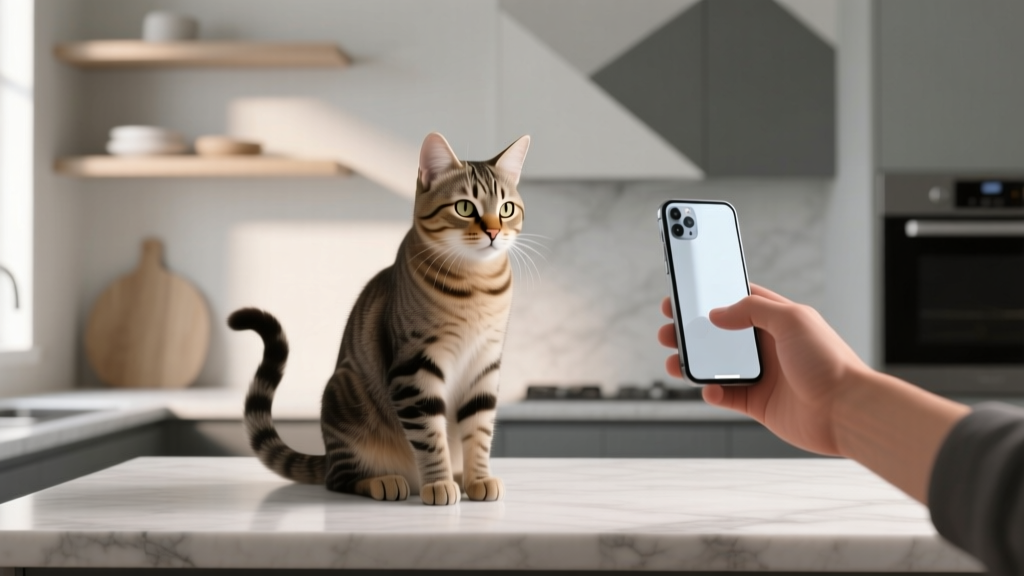
Scenario: You’re scrolling on your phone. Your cat climbs up, kneads your neck, and interrupts your entire existence.
What’s going on: Kneading can be a learned “attention button.” If kneading has historically resulted in petting, baby talk, or you putting the phone down, your cat may use it deliberately. Neck placement is strategic: it’s hard to ignore paws in that area.
4) The anxious comfort knead
Scenario: There were thunderstorms, guests, or changes at home. Your cat seems clingier and kneads you more than usual, especially in bed.
What’s going on: When stressed, cats often revert to soothing behaviors. Kneading can help regulate emotions—kind of a feline version of self-soothing. If it appears suddenly alongside other stress signals, it’s worth looking at what changed in your cat’s environment.
5) The “I can’t decide where to lie” knead
Scenario: Your cat kneads, shifts position, kneads again, then rotates like a fluffy compass.
What’s going on: Nest-making instincts are at play. Your neck and collarbone area may be “prime real estate” in your cat’s mind—warm, elevated, and close to your scent.
What it says about your cat’s mood and feelings
Most of the time, neck kneading is a big compliment. Here’s what it often signals:
- Safety and trust: Cats save their most vulnerable, baby-like behaviors for places and beings they consider safe.
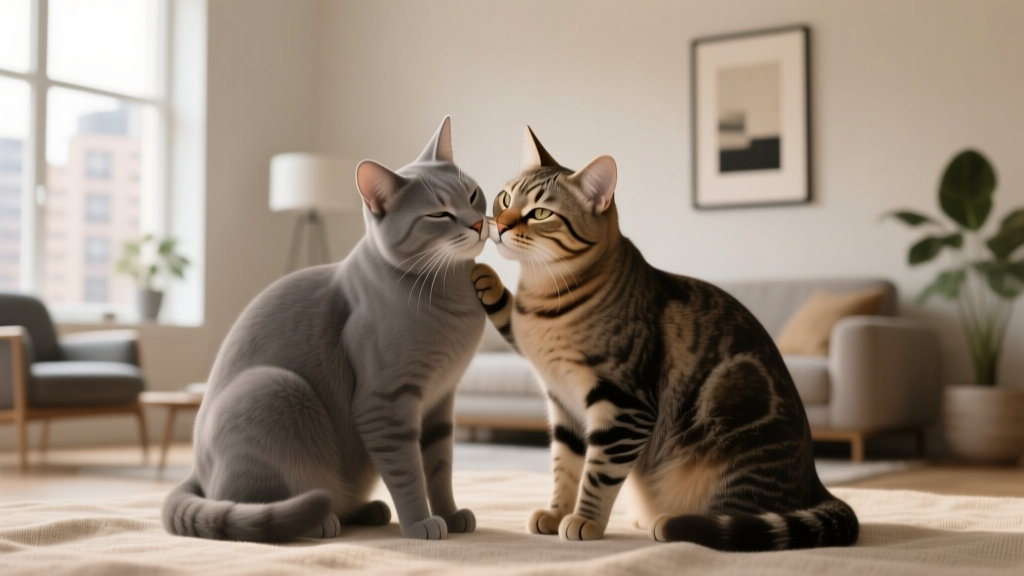
- Affection and bonding: Kneading near your face often pairs with purring, slow blinking, or head-butting—classic “we’re friends” signals.
- Contentment: A relaxed body, half-closed eyes, and gentle paws point to “I feel good.”
- Comfort-seeking: If your cat kneads you when they’re unsettled, it’s often “help me feel okay” rather than “I’m being naughty.”
- Routine love: Some cats knead as part of a nightly ritual. They’re not just feeling good—they’re following a comforting script.
One small nuance: the intensity matters. Soft, slow kneading usually equals calm. Fast, forceful kneading can mean excitement, high arousal, or a cat who’s really working hard to get comfortable (or get your attention).
Related behaviors you might also notice
Neck kneading rarely travels alone. If your cat does this, you may also see:
- Purring with “drool”: Some cats get so relaxed they drool a little. It’s weirdly endearing and very common.
- Face rubbing or bunting: Cheek glands deposit scent; your cat may rub your chin, jawline, or neck after kneading.
- Blanket sucking or wool-sucking: Especially in cats weaned early, comfort behaviors can include suckling fabrics while kneading.
- Making air biscuits: Kneading motions in the air when feeling cozy or when you scratch a favorite spot.
- Slow blinks and “purr face”: Soft eyes, relaxed whiskers, and the kind of expression that says they’ve never paid rent a day in their life.
When neck kneading is normal… and when it might be a concern
Normal: If your cat kneads your neck occasionally, purrs, looks relaxed, and settles down afterward, you’re likely seeing healthy comfort behavior.
Potential concerns to watch for:
- Sudden increase in kneading plus clinginess: Could indicate stress, changes at home, or discomfort. Consider recent disruptions (new pet, moving furniture, schedule change).
- Kneading paired with biting, yowling, or frantic behavior: That’s not typical comfort kneading. It can be overstimulation, anxiety, or a cat struggling to regulate arousal.
- Kneading that seems compulsive: If your cat kneads repeatedly for long periods and can’t settle, especially with other repetitive behaviors, consult a veterinarian or qualified behavior professional.
- Signs of pain: If your cat seems uncomfortable, avoids being touched, or has a change in appetite/litter box habits, kneading changes could be secondary to medical issues.
- Skin irritation on you: Neck kneading can scratch delicate skin. If you’re getting marks or infections, it’s worth redirecting—not because the behavior is “bad,” but because your neck shouldn’t have to suffer for love.
How to respond (without ruining the sweet moment)
You don’t have to choose between affection and self-preservation. Try these options:
Create a “kneading station”
Place a thick blanket or small pillow on your chest or shoulder area before your cat arrives. Many cats will knead whatever feels most satisfying. Over time, you can shape the habit so their paws land on the soft barrier instead of your neck.
Trim nails regularly
If you love the kneading but hate the scratches, nail maintenance is your best friend. Short, blunt tips make kneading much more comfortable. If trimming is stressful, ask your vet or groomer for help and practice slow, reward-based handling at home.
Use gentle redirection
If paws hit the neck, calmly slide your cat a few inches down onto a blanket or your chest. Keep your movements smooth and unbothered. The goal is “yes, but here,” not “stop that.”
Reward calm settling
If your cat kneads briefly and then lies down, reinforce that moment with quiet petting or a soft verbal cue. Cats repeat behaviors that lead to good outcomes—especially cozy ones.
Know when to take a break
If kneading escalates into sharp claw pressure or your cat seems overstimulated, end the session kindly. Stand up, place your cat on a nearby bed, and give them an alternative soft spot. Boundaries can be loving.
Fun facts and research-flavored nuggets
- Kneading can involve scent messaging: Cats have scent glands between their toes. Kneading can leave behind a familiar “signature” on favorite resting spots—sometimes including you.
- It’s one of the clearest “kittenhood echoes” in adult cats: Many adult behaviors have kitten roots, but kneading is a standout because it remains so recognizable and emotionally loaded.
- Some cats knead more than others: Personality, early life experiences, and how humans respond all shape it. If kneading consistently earns attention, it can become a treasured habit.
- Not every cat kneads: Lack of kneading doesn’t mean your cat is less bonded. Cats show affection in different “dialects,” from following you room to room to slow blinking from across the couch.
FAQ: Cat kneading your neck
Why does my cat knead my neck and purr so loudly?
Purring plus neck kneading usually signals deep comfort and emotional safety. Your cat may be using your warmth and scent to relax, and purring can also help cats self-soothe.
Is neck kneading a sign my cat thinks I’m their mom?
Not exactly in a literal way, but it can reflect similar feelings: security, care, and attachment. Kneading is associated with nursing and comfort, so it often appears in trusted relationships.
Why does my cat only knead my neck and not my partner’s?
Cats form individual preferences based on scent, routine, and reinforcement. If you’re the person who relaxes in a certain position, uses a certain shampoo, or responds with petting, your cat may pick you as the “best kneading spot.”
How do I stop my cat from kneading my neck without hurting their feelings?
Use a soft barrier (blanket/pillow), gently reposition them, and reward calm settling. Avoid yelling or pushing them away abruptly—those can create confusion or stress around affection time.
My cat kneads my neck and then bites me. Why?
This can be overstimulation, excitement, or mixed signals during high-arousal affection. Try shorter petting sessions, redirect to a blanket, and watch body language (tail flicking, skin twitching, tense posture) that suggests your cat needs a pause.
Can kneading mean my cat is stressed?
Yes, sometimes. Kneading is often comfort, and cats may do it more when anxious. If it’s paired with hiding, appetite changes, litter box issues, or other stress signs, look for triggers and consider a vet or behavior consult.
Your cat kneading your neck is one of those wonderfully strange love languages: part kitten memory, part scent-soaked bonding ritual, part “you are my favorite pillow.” With a little context and a few practical tweaks, you can keep the sweetness and reduce the scratches—making comfort time better for both of you.
Does your cat have a signature kneading routine—neck biscuits, blanket bakery, or a full-on chest stomp before bedtime? Share your story (and your funniest “why my cat chose that spot” moment) with the Cat Lovers Base community at catloversbase.com.