Cat Paw Kneading on Soft Surfaces: Comfort Seeking
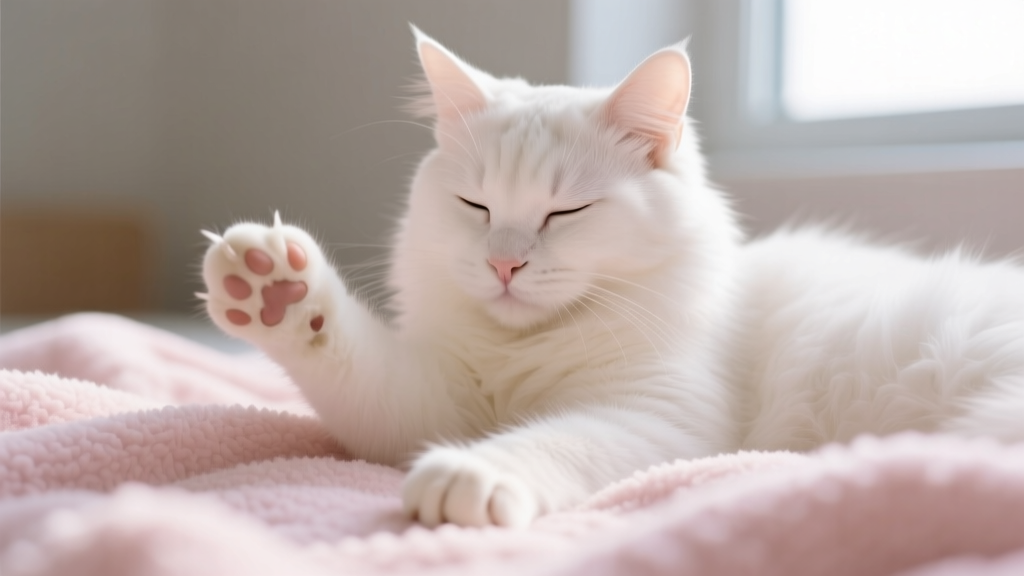
You’re settling in for a quiet evening, and your cat hops onto the couch like they own the place (because, honestly, they do). They circle twice, sniff the blanket, and then—here it comes—those front paws start rhythmically pressing: left, right, left, right. Sometimes there’s a little purr engine starting up. Sometimes claws sneak out like tiny sewing needles. And you’re sitting there thinking, “Are you making biscuits? Are you redecorating? Are you… emotionally processing something?”
Kneading is one of those classic cat behaviors that looks quirky but actually carries a lot of meaning. It’s usually a sign of comfort seeking—your cat is turning a soft surface (and sometimes you) into the safest, coziest place on earth. Here’s what’s going on behind those busy paws, and how to respond in a way that supports your cat and your relationship.
Why Cats Knead: The Science and Evolution Behind the “Biscuits”
Kneading begins early—really early. Newborn kittens knead their mother’s belly to stimulate milk flow while nursing. That repetitive pushing motion becomes associated with warmth, safety, and full-belly contentment. In behavior terms, it’s a comforting “memory action”: a movement pattern tied to a deeply secure emotional state.
As cats grow up, the motion often sticks around as a self-soothing habit. From an evolutionary perspective, kneading also relates to a cat’s instinct to create a comfortable resting spot. Wild ancestors likely pawed at grass, leaves, or bedding to flatten it, test it, and make it just right for sleep. In other words: your cat isn’t being weird—they’re being a tiny, fuzzy survival expert who also happens to enjoy fleece.
There’s also a communication layer. Cats have scent glands in their paw pads. When they knead, they may be leaving a subtle scent “signature” that marks a spot as familiar and safe. Your blanket might become your cat’s personal “This is mine and I’m calm here” sign—no plaque required.
A Detailed Breakdown: Different Kneading Contexts (and What They Suggest)
Kneading isn’t one single behavior with one single meaning. The context matters. Here are common scenarios cat owners recognize immediately:
1) Kneading on a Blanket Before Napping
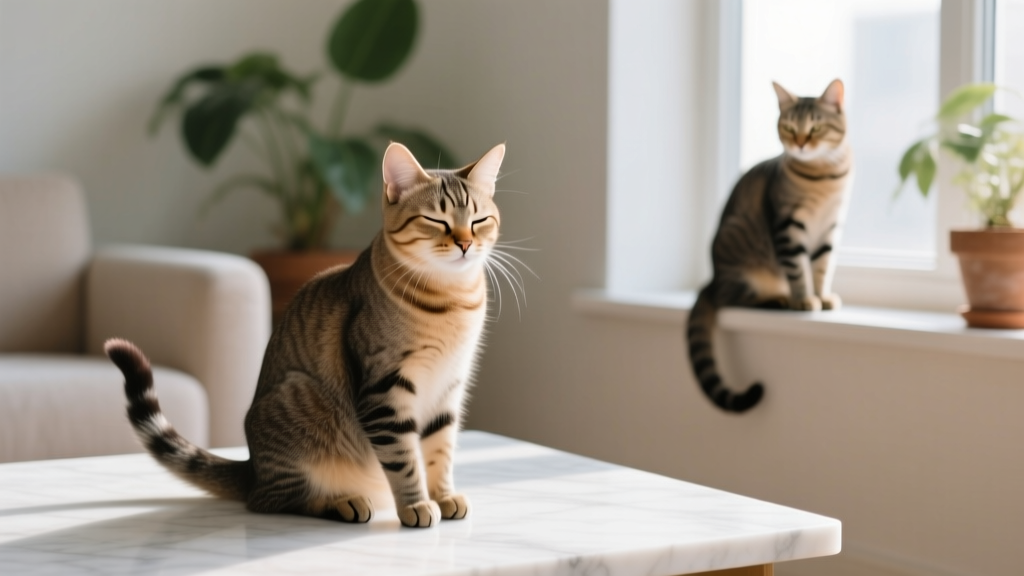
This is the classic: your cat kneads, circles, then flops down like a little loaf. The kneading is often a “settling ritual,” similar to how some humans fluff pillows or adjust the duvet. It helps your cat transition into rest.
2) Kneading on You (Especially Your Lap or Belly)
When your cat kneads your lap, they’re often blending comfort and bonding. You’re warm, you smell familiar, and you’re a living, breathing heated mattress. Many cats knead the people they trust most.
Practical translation: “I feel safe with you.” Slightly less charming translation: “You are a very squishy cushion.” Both can be true.
3) Kneading While Purring (and Possibly Drooling)
Purring plus kneading is the deluxe relaxation package. Some cats get so relaxed they drool a little. It looks dramatic, but for many cats it’s normal—a sign they’re deeply content, not a sign they’ve sprung a leak.
4) Kneading With Claws Fully Extended
This can be normal too. Claw extension may simply mean your cat is really into the texture. Cats often extend claws when they feel secure enough to “fully relax” into the motion. Of course, your skin may disagree with this plan.
5) Kneading a Specific Object (One Particular Blanket, Stuffed Toy, or Sweater)
Some cats develop a strong preference: a certain fuzzy throw, a robe, a fleece jacket left on the bed. These objects usually hold comforting scents (you, home, routine) and the right texture. If your cat drags the object around or guards it, it may be a high-value comfort item.
6) Kneading During Greeting Time
Some cats knead when you arrive home, especially if they jump up near you and start kneading immediately. This can be social excitement mixed with comfort: “You’re back, I’m happy, I need to express this with my paws.”
What Kneading Says About Your Cat’s Mood and Feelings
Most of the time, kneading is a green flag. Here’s what it often indicates emotionally:
- Contentment: The cat version of sighing into a comfy bed.
- Security: They feel safe enough to perform a vulnerable, trance-like behavior.
- Bonding and trust: Kneading on you can be a “safe person” signal.
- Self-soothing: Like a child rubbing a soft blanket, kneading can regulate emotions.
- Preference and ownership: Their paw-pad scent may help them feel “at home” in that spot.
Think of kneading as your cat’s way of saying, “I’m comfortable enough to be a little goofy.” That’s a compliment.
Related Behaviors You Might Also Notice
Kneading rarely travels alone. If your cat kneads, you may also see:
- Purring: Often paired with relaxation, but can also appear during stress—context matters.
- Circling before lying down: Nest-making instincts in action.
- Head bunting (bunting your hand or face): Social scent marking and affection.
- Slow blinking: A feline “I trust you” gesture.
- Suckling or chewing fabric: Some cats, especially those weaned early, may nurse on blankets while kneading.
- Drooling: In some cats, intense relaxation triggers salivation.
If your cat is kneading, purring, slow blinking, and melting into you like warm bread dough—congratulations. You’ve been chosen.
When Kneading Is Normal… and When It Might Be a Concern
Normal kneading is relaxed, rhythmic, and typically happens during calm moments—before sleep, during cuddles, or on preferred soft surfaces.
Potential concern is less about kneading itself and more about the “extras” that come with it. Consider checking in with a veterinarian or a qualified behavior professional if you notice:
- Sudden, dramatic increase in kneading paired with restlessness, vocalizing, or clinginess (could signal stress, hormonal changes, or discomfort).
- Kneading that looks frantic or is difficult to interrupt, especially if your cat seems unable to settle afterward (may relate to anxiety or compulsive behavior patterns).
- Fabric eating (not just suckling)—swallowing wool, strings, or blanket material (pica can be dangerous and needs attention).
- Drooling plus signs of illness like bad breath, pawing at the mouth, reduced appetite, or hiding (drooling can also point to dental pain or nausea).
- Kneading paired with aggression or sudden sensitivity to touch (could indicate pain—some cats “comfort seek” more when something hurts).
If your cat kneads and seems happy, it’s usually just a cozy habit. If your cat kneads and seems distressed—or if there are new health signs—trust your instincts and investigate.
How to Respond (and How to Encourage It Without Becoming a Pincushion)
You don’t need to stop kneading. It’s emotionally valuable for many cats. You just need a few strategies so everyone stays comfortable.
Protect your skin
- Add a barrier: Keep a thick blanket on your lap when you’re on “kneading duty.” Fleece over denim works well.
- Trim nails regularly: Shorter nails make kneading less painful and reduce snagging on fabrics.
- Offer a kneading station: Place a plush blanket or pet bed next to you. Many cats will transfer their biscuit-making if the surface is equally enticing.
Reinforce calm, gentle kneading
- Reward the setup: If your cat approaches calmly, offer soft praise or a treat once they settle. Avoid amping them up mid-knead.
- Redirect claws, not the emotion: If claws hurt, gently slide a folded blanket under their paws rather than pushing them off abruptly.
- Respect “the zone”: Some cats dislike being petted while kneading. If your cat stiffens, pauses, flicks the tail, or moves away, let the kneading be its own private ritual.
Support the underlying comfort needs
- Predictable routines: Cats knead more in stable, safe environments. Regular feeding and playtimes help.
- Daily play: A confident, enriched cat often shows more relaxed comfort behaviors.
- Cozy options: Soft beds, warm perches, and quiet hideaways give your cat approved places to unwind.
Fun Facts and Research-Flavored Tidbits
- Paw pads have scent glands: Kneading may deposit scent, helping cats feel secure in a space that smells like “them.”
- Not all cats knead equally: Some cats knead daily; others rarely do. Personality, early experiences, and comfort preferences all play a role.
- Kneading can be a “social comfort signal”: Many cats knead most when their favorite human is present—almost like their relaxation is amplified by trusted company.
- Some cats get a little glassy-eyed while kneading: That dreamy expression is common. The behavior can be deeply regulating, like a built-in stress relief tool.
FAQ: Common Questions About Cat Kneading
Why does my cat knead me but not my partner?
Cats are selective. Your cat may associate you with safety, warmth, or a specific routine (like evening couch time). Scent also matters—your laundry detergent, lotion, or “home smell” might be particularly comforting to your cat.
Is kneading a sign my cat was weaned too early?
Not necessarily. Many perfectly well-adjusted cats knead throughout life. However, kneading paired with persistent fabric suckling can sometimes be more common in cats weaned early or cats who use oral behaviors to self-soothe. If fabric eating is involved, talk with your vet.
Why does my cat drool when kneading?
For many cats, drooling during kneading is a sign of intense relaxation—like their body is in full “safe and cozy” mode. If drooling is new or comes with bad breath, mouth sensitivity, or appetite changes, get a veterinary check to rule out dental or medical issues.
Should I stop my cat from kneading?
Usually, no. Kneading is a healthy comfort behavior. Instead, manage the environment—use a lap blanket, trim nails, and redirect to a designated soft surface if needed.
Why does my cat knead and then bite the blanket (or me)?
Some cats combine kneading with gentle biting as part of an instinctive comfort pattern. If the biting escalates or seems overstimulated, offer a thicker blanket barrier and avoid intense petting during kneading—some cats get emotionally “amped” by touch even when they’re enjoying themselves.
Can kneading mean my cat is stressed?
It can, in the sense that kneading may help your cat regulate emotions. If kneading happens alongside hiding, reduced appetite, litter box changes, or increased clinginess, it may be your cat’s way of seeking extra comfort. Look at the full picture, not just the paws.
Kneading is one of those small behaviors that can make you fall in love with cats all over again: it’s instinctive, a little silly, and surprisingly meaningful. When your cat kneads a soft surface (or your lap), they’re often saying, “This is my safe place.” And if that safe place is you—well, that’s a pretty wonderful vote of confidence.
Does your cat have a favorite kneading blanket, a special routine, or a hilariously inconvenient kneading location (like your stomach at 2 a.m.)? Share your story with the Cat Lovers Base community at catloversbase.com—we’d love to hear about your cat’s signature biscuit-making style.