Cat Ectoplasmic Stare: Fixating on Empty Walls
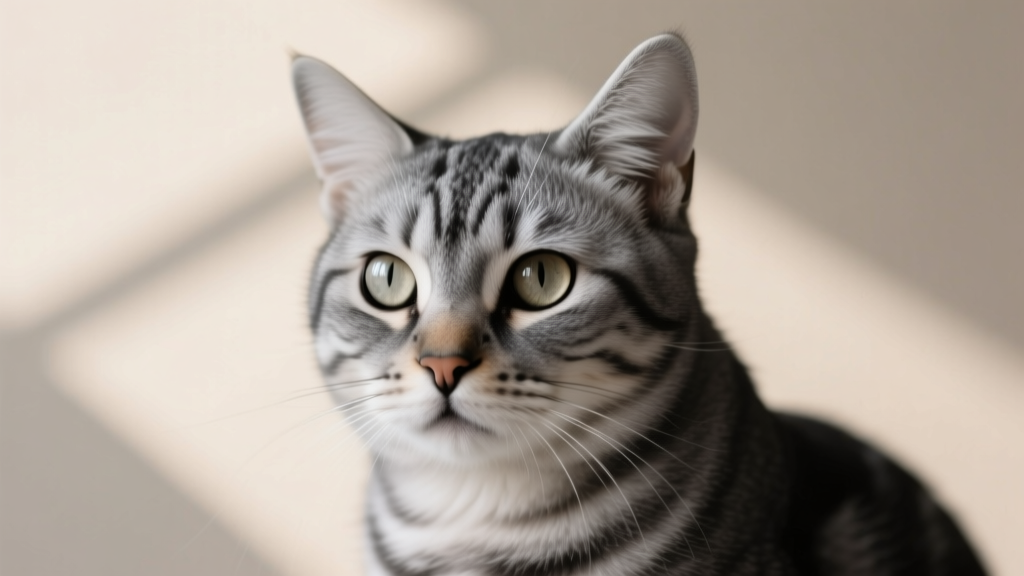
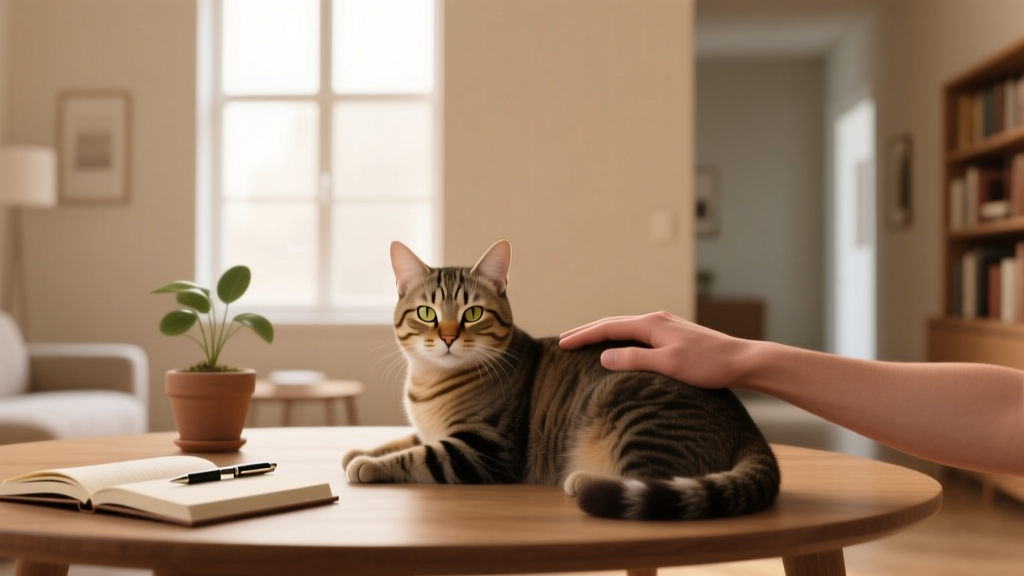
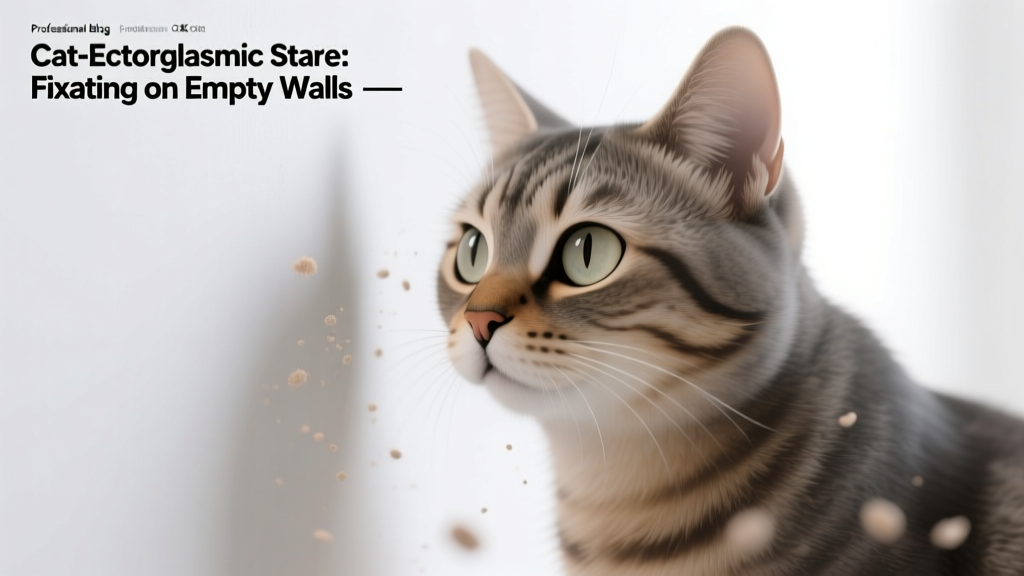
You’re on the couch, half-watching a show, half-dozing. Your cat hops onto the armrest, loafs with perfect confidence… and then freezes. Eyes wide. Whiskers forward. Head tilted just slightly. Staring at the blank wall like it’s broadcasting a documentary only cats can see.
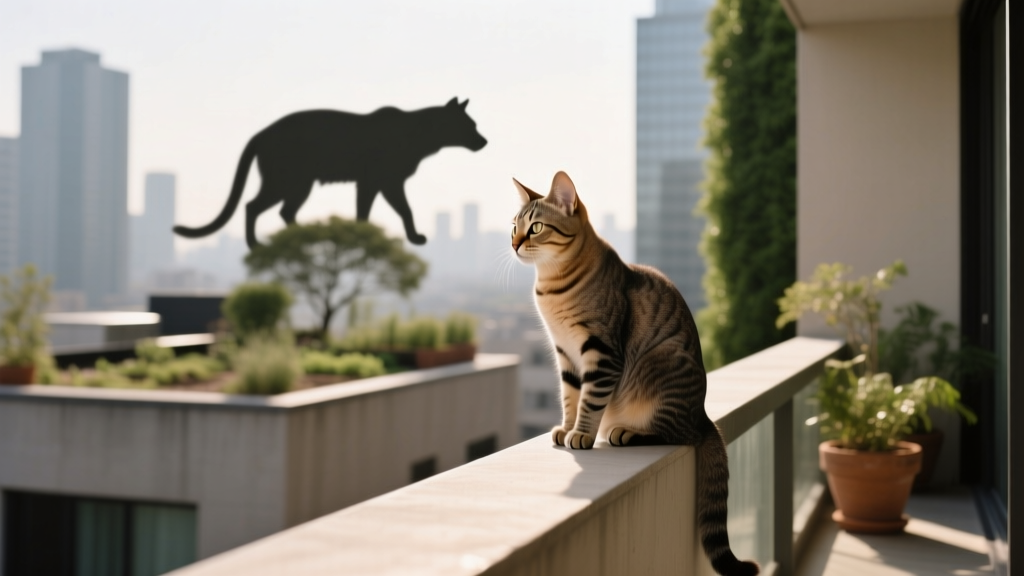
You follow their gaze. Nothing. No bug. No shadow. No movement. Just paint. And yet your cat is absolutely locked in—like they’re witnessing a ghostly feline soap opera unfolding in silence.
Welcome to the “ectoplasmic stare,” a classic cat-owner moment that’s equal parts hilarious, unsettling, and weirdly fascinating. The good news: most of the time, your cat isn’t seeing paranormal activity. They’re being a cat—an exquisitely tuned little predator living in a human home.
Why Cats Stare at “Nothing”: The Scientific and Evolutionary Angle
Cats evolved as small, stealthy hunters. In the wild, their survival depended on noticing tiny movements: a mouse whisker twitching, a beetle shifting under leaves, a distant rustle that might mean prey… or danger. That hunter’s brain didn’t vanish when cats moved indoors. It just got redecorated.
Here’s what your cat has going for them:
- Motion-first vision: Cats are very good at detecting movement, especially in low light. A subtle flicker you’d ignore can be “loud” to your cat’s eyes.
- Super-sensitive hearing: A cat’s ears can rotate like little satellite dishes. They can detect high-pitched sounds (think: insects, tiny squeaks, electrical hums) that humans often can’t hear.
- Vibration and airflow awareness: Whiskers and body hairs help cats perceive airflow changes. A faint draft through a wall gap might be meaningful information to them.
- Predatory attention loops: Once cats “notice” something, their brain tends to lock onto it until they’re satisfied it’s not prey (or until the “signal” disappears).
So when your cat stares at an empty wall, they may be reacting to something real—just not obvious to you. Or they may be doing what predators do best: scanning, waiting, listening, and double-checking the environment.
What’s Actually Happening? A Context-by-Context Breakdown
Not all wall-stares are created equal. The context—and your cat’s body language—usually tells the story.
1) The “Tiny Critter” Stare
Scenario: Your cat stares at a corner near the baseboard or ceiling line. They occasionally chitter, their tail tip flicking like a metronome.
What it often means: There may be a small insect (gnat, spider), or even something inside the wall: a bug in the gap, a mouse in the ceiling, a lizard in warm climates. Cats are phenomenal at detecting the faint movement and sound of small animals behind surfaces.
2) The “Light/Sound Glitch” Stare
Scenario: Your cat stares at a wall near a window, lamp, TV, or reflective object. You might notice shifting sunlight, car headlights passing outside, or a barely-there reflection.
What it often means: Cats can fixate on light patterns, especially those that move. If your cat is primed for hunting, a drifting reflection is basically “prey simulator.” They may also be hearing something you can’t: the faint buzz of an LED bulb, a phone charger, the radiator ticking, water moving in pipes.
3) The “I Heard Something” Stare
Scenario: Cat snaps to attention and stares, ears forward, body still. They may slowly turn their head as if tracking something.
What it often means: Your cat is triangulating sound. Cats often stare in the direction a sound came from, even if it’s behind a wall. They’re mapping the environment: where did that noise originate, did it move, and is it worth investigating?
4) The “Processing” Stare (AKA Cat Brain Buffering)
Scenario: Your cat seems relaxed but stares for a long time, blinking slowly now and then. No tension, no stalking posture.
What it often means: Cats can “zone out” while resting. Their attention drifts, they observe, they do a low-effort environmental scan. It can be a sign they feel safe enough to be still and simply watch.
5) The “Routine Patrol” Stare
Scenario: This happens at specific times—like after dinner or right before bedtime. Your cat stares at the same wall, corner, or doorway repeatedly.
What it often means: Cats are routine-loving creatures. If they once saw a bug there, heard a sound there, or watched a shadow there, that location becomes part of their “checklist.” Many cats do nightly rounds as a comfort ritual.
What the Ectoplasmic Stare Says About Your Cat’s Mood
Your cat’s posture is the translation key. Here are common emotional states behind the stare:
- Curious and engaged: Ears forward, whiskers forward, body slightly leaning in. This is healthy interest and a stimulated mind.
- Hunting mode: Crouched body, stillness, tail tip twitching, pupils widening. They’re ready to pounce if the “thing” reveals itself.
- Mildly anxious or uncertain: Low body, ears rotating or slightly sideways, increased scanning. Something feels unpredictable—often a sound or vibration.
- Relaxed and content: Soft eyes, slow blinks, normal breathing, loose posture. This is cat meditation, not cat alarm.
If your cat looks tense, that’s your cue to consider the environment (new noises, construction outside, changes in the home). If they look calm, it’s probably just their internal nature documentary playing quietly.
Related Quirky Behaviors You Might Notice
The wall-stare rarely travels alone. You may also see:
- Ear swiveling: Those little radar dishes rotate to pinpoint sound sources—often before the stare begins.
- Chattering/chittering: That rapid “ek-ek-ek” sound can happen when they’re frustrated-excited about prey they can’t reach.
- Sudden sprinting (the “zoomies”): Sometimes a burst of energy follows a period of still focus.
- Staring at ceilings: Common when cats hear something above—pipes, neighbors, HVAC, attic critters.
- Head tilting: A classic “audio calibration” move, especially in kittens and curious adults.
When the Ectoplasmic Stare Is Normal vs. When to Be Concerned
Most staring is normal. Cats are watchful. That’s part of their charm. But there are times when you’ll want to pay closer attention.
Usually normal if:
- It happens occasionally and your cat otherwise behaves normally (eating, grooming, sleeping, playing).
- Your cat responds to you (turns when you speak, breaks focus for treats).
- Body language stays relaxed or playfully alert, not distressed.
Potentially concerning if:
- The staring is frequent and intense and your cat seems “stuck” or difficult to redirect.
- You notice other changes like hiding more, increased irritability, appetite changes, or litter box issues.
- Disorientation appears: bumping into things, getting lost in familiar rooms, odd vocalizing, or staring at walls with a “not present” look.
- There are neurological red flags: sudden unsteadiness, head pressing, abnormal eye movements, or seizure-like episodes.
- Older cats show new behavior changes: senior cats can develop cognitive changes that look like zoning out or confusion.
If you’re seeing the concerning signs, it’s worth calling your veterinarian. A quick check can rule out vision problems, hearing changes, pain, blood pressure issues, or neurological concerns. For senior cats especially, “weird little changes” are valuable clues.
How to Respond (and Whether You Should Encourage It)
You don’t need to interrupt every wall-stare. Sometimes your best move is simply to observe your cat’s body language like a friendly detective.
1) Do a quick environmental check
- Look for tiny insects near baseboards, windows, and lamps.
- Listen for faint sounds: buzzing bulbs, ticking heaters, water pipes, electronic hum.
- Check for moving reflections: watches, phones, window glare, passing car lights.
2) Offer a “safe redirect” if they seem wound up
If your cat is tense or overly fixated, give them something productive to do:
- Use a wand toy to let them stalk and pounce.
- Toss a treat away from the wall to break the loop gently.
- Try a food puzzle or lick mat to shift their nervous system into “eat and relax” mode.
3) Don’t punish or startle
Sudden clapping or yelling can teach your cat that “noticing things” is dangerous—especially if they’re already a little anxious. Calm redirection builds trust.
4) If it’s always the same spot, investigate like a homeowner
Repeated fixation on one wall can be your cat’s way of reporting something: a bug problem, a rodent in the ceiling, or even a drafty gap. Cats are weirdly good at being tiny, furry inspectors.
5) Encourage healthy curiosity
A curious cat is often a mentally well cat. Rotate toys, add window perches, offer short daily play sessions, and provide vertical territory (cat trees, shelves). An enriched environment reduces anxious fixations and gives that sharp brain an outlet.
Fun Facts and Research-Inspired Nuggets
- Cats are built for twilight hunting. Their eyes are adapted for low-light conditions, which is why they may notice subtle movement or shadows you miss—especially at dawn and dusk.
- Whiskers are more than decorations. They help cats detect airflow changes and navigate tight spaces, adding “invisible” information to what they see and hear.
- Staring can be information-gathering, not emotion. Humans often interpret staring as spooky or emotional, but for cats it’s frequently just data collection: sound location, motion detection, environmental scanning.
- Cats remember “hotspots.” If something interesting happened in one location (a bug, a sound, a reflection), many cats will recheck it as part of routine patrol.
FAQ: Cat Fixating on Empty Walls
1) Is my cat seeing ghosts?
It’s more likely they’re detecting something subtle: a tiny insect, a sound behind the wall, a vibration, or a moving reflection. Cats experience the world differently, and “nothing” to us can be “something” to them.
2) Why does my cat stare at the ceiling at night?
Nighttime amplifies small sounds: pipes cooling, HVAC shifting, neighbors moving, attic critters. Cats are also more active at dawn and dusk by nature, so they’re primed to investigate.
3) My cat stares and chatters. What does that mean?
Chattering often appears when a cat is excited and slightly frustrated—usually by prey they can see or sense but can’t reach (like a bug on the wall or something inside it).
4) Should I distract my cat when they do this?
If they look relaxed, you can let them enjoy their “cat TV.” If they look tense, stuck, or overstimulated, redirect with play or food enrichment rather than startling them.
5) When should I call the vet?
If the behavior is new and intense, hard to interrupt, or paired with other changes (appetite, litter box habits, confusion, wobbliness, abnormal eyes), a vet visit is a smart move—especially for senior cats.
6) Could it be boredom?
Sometimes, yes. Under-stimulated cats may fixate on tiny stimuli because they don’t have enough healthy outlets. More play, puzzle feeding, and climbing spots often helps.
The “ectoplasmic stare” is one of those cat behaviors that makes you laugh, squint at the wall, and briefly wonder if your home is haunted. Usually, it’s just your cat being wonderfully, exquisitely cat—tracking tiny signals, patrolling their territory, and doing quiet predator math in their head.
Has your cat ever stared down a blank corner like it owed them money? Share your funniest (or spookiest) wall-stare stories with the Cat Lovers Base community at catloversbase.com—we want to hear what your little detective has discovered.