Cat Ear Position Guide: Forward, Sideways, Back
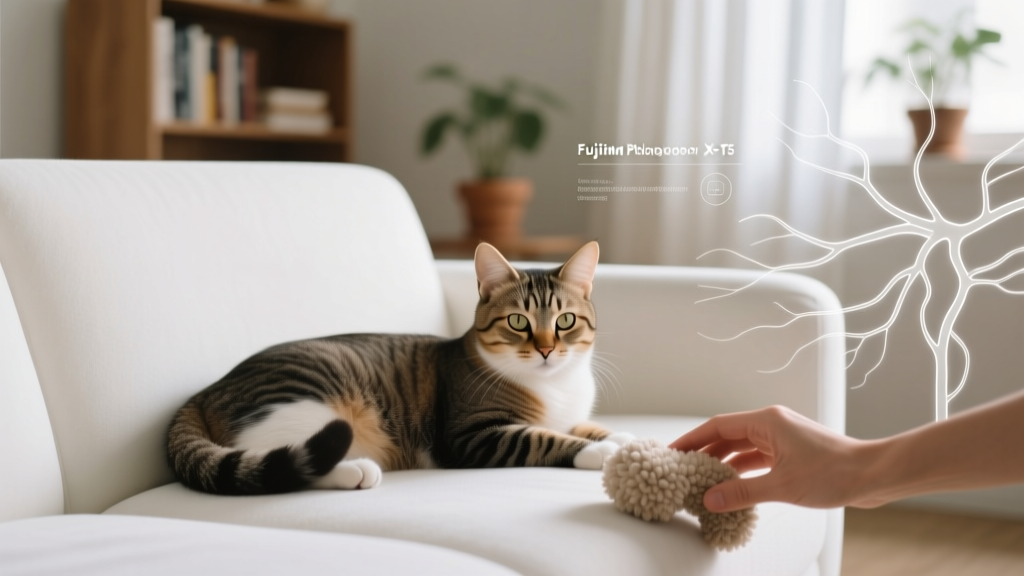
You’re sitting on the couch, minding your own business, when your cat suddenly swivels their ears like tiny satellite dishes. A second ago they looked relaxed—now one ear points toward the hallway, the other angles sideways, and their eyes have that “I heard something” focus. You pause the TV. You listen. Nothing. Your cat, however, is clearly receiving breaking news from the unseen world.
If you’ve ever wondered what those ear positions mean—forward, sideways, or pinned back—you’re in the right place. Cat ears are one of the most honest “mood meters” you’ll ever get from a pet. The trick is learning to read them along with the rest of the body so you can tell the difference between curious, cautious, overstimulated, or “please stop petting me right now.”
Why Cat Ears Are So Expressive (Science & Evolution)
Cats are both predators and (to bigger animals) potential prey. That double role shaped their body language. In the wild, a cat survives by noticing tiny sounds—grass shifting, wings fluttering, a footstep that doesn’t belong. Ears became a high-speed information system.
Most cats can rotate their ears independently and rapidly thanks to a network of ear muscles. This isn’t just cute; it’s a survival adaptation. The ability to aim each ear at different sound sources helps a cat map their environment in 3D, even in the dark. It also gives them a subtle way to communicate without making noise—useful for hunting, avoiding conflict, and navigating social situations.
Think of ear position as your cat’s live commentary on how safe they feel, how engaged they are, and whether they’re open to interaction.
The Big Three Ear Positions (With Real-Life Contexts)
1) Ears Forward: “Interested, engaged, and often friendly”
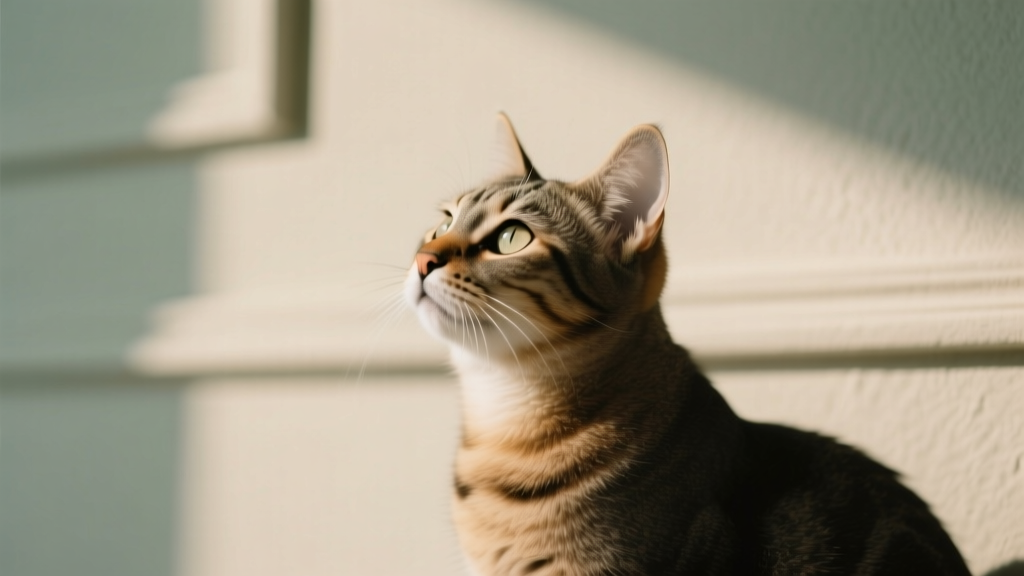
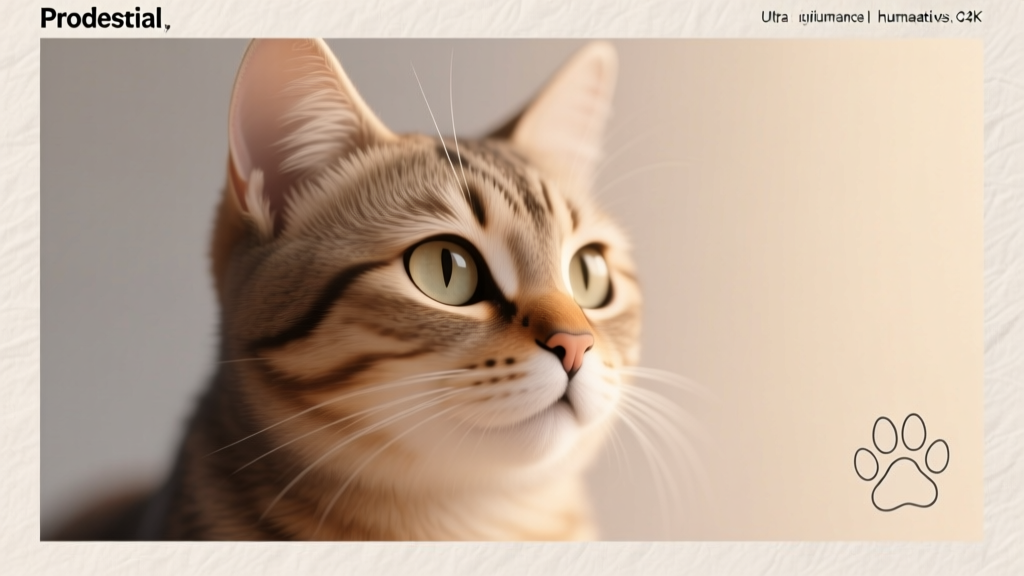
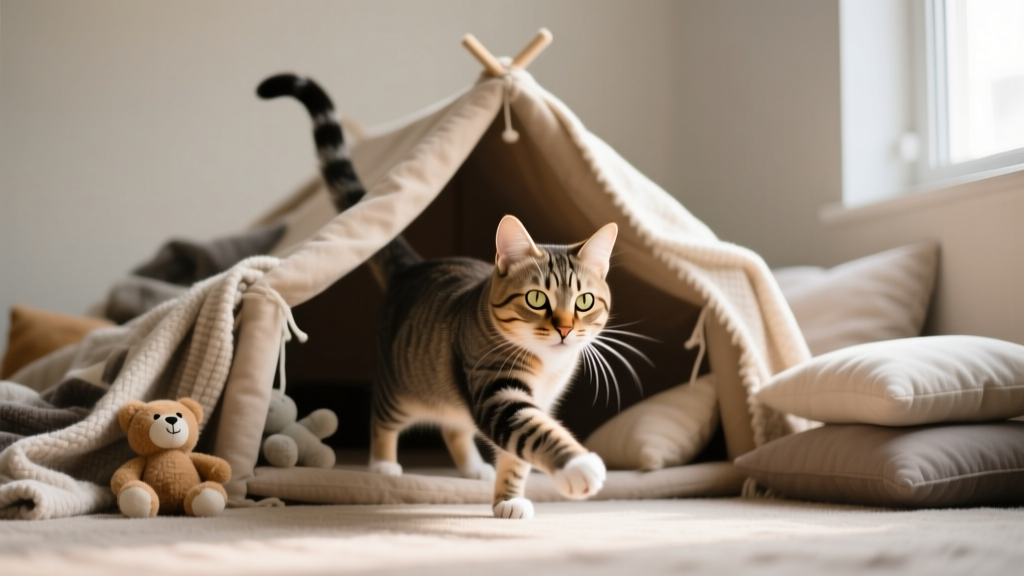
Forward ears usually mean your cat is focusing on something in a curious or positive way. The base of the ear points ahead, the inner ear faces the action, and the whole head often tilts slightly like they’re “zooming in.”
Common scenarios:
- You pick up the treat bag. Ears forward, whiskers forward, maybe a little chirp.
- Bird TV at the window. Ears forward and tracking, eyes wide, body still or gently vibrating with excitement.
- You come home. Many cats greet with forward ears even if they act “cool” about it.
Important nuance: Forward ears can also appear during hunting mode. If your cat’s body is low, tail twitching, and pupils are large, they may be gearing up to pounce—not necessarily asking for cuddles.
2) Ears Sideways: “Unsure, conflicted, or managing stimulation”
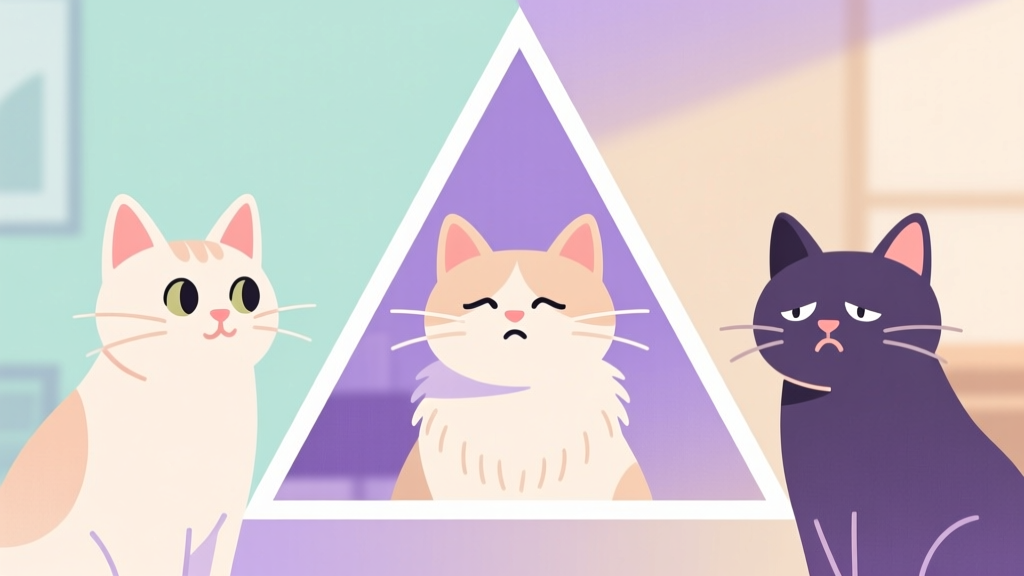
Sideways ears (sometimes called “airplane ears”) are when the ears rotate outward, flattening slightly to the sides. This often signals uncertainty or mild discomfort—your cat is paying attention, but not entirely relaxed.
Common scenarios:
- A new person reaches to pet them. Your cat stays put, but ears drift sideways as they evaluate: “Are we doing this?”
- You’re petting and it’s… almost too much. Ears go sideways before they progress to pinned back. This is a classic early warning sign.
- Vacuum cleaner in the next room. Cat is alert, possibly frozen, ears turned to track the sound while they decide whether to flee.
Sideways doesn’t always mean “angry.” It often means “I’m trying to cope.” Some cats do sideways ears during play when they’re excited and a little overstimulated—especially high-energy kittens who are basically tiny chaos scientists.
3) Ears Back (Pinned): “Threatened, defensive, or overwhelmed”
Pinned-back ears press closer to the head. This position protects delicate ear structures in a fight and makes the cat look sleeker—again, very evolutionary. It’s one of the clearest signs your cat feels threatened or is preparing to defend themselves.
Common scenarios:
- Rough handling or unwanted petting. Especially belly rubs on cats who don’t enjoy them.
- Another cat approaches their favorite spot. Pinned ears may come with growling, staring, or a stiff body.
- Vet visits or nail trims. Fear and restraint often trigger pinned ears.
Key detail: Pinned ears can show up in fear or aggression, and the difference matters. Fearful cats often try to escape; aggressive cats may approach or swat. The ears alone don’t tell you which—look at the whole body.
What Ear Positions Say About Your Cat’s Mood
Here’s a practical “translator,” with body-language clues that commonly travel with each ear position:
- Forward ears + relaxed body + slow blinks: Content, friendly, open to interaction.
- Forward ears + crouch + tail twitch + intense stare: Hunting/play mode; hands and ankles may be in danger.
- Sideways ears + still body + pupils slightly dilated: Uncertain; give space and let them choose.
- Sideways ears + skin rippling + tail thumping: Overstimulated; petting may be about to “expire.”
- Pinned ears + arched back + puffed tail: Fear; create distance and reduce the scary thing.
- Pinned ears + stiff posture + direct stare + low growl: Defensive aggression; do not force contact.
If you learn one thing: ear position is most useful when paired with tail movement, pupil size, body tension, and whether your cat is leaning in or pulling away.
Related Behaviors You Might Notice
Ears rarely speak alone. Cat communication is a full-body performance, and the “supporting actors” are often easier to spot once you start watching for them:
- Whiskers forward vs. whiskers pinned back: Forward often means interest; pinned back often means stress.
- Tail tip flicking: Mild irritation or heightened arousal—often seen with sideways ears.
- Skin twitching (rippling along the back): Sensitivity or overstimulation, common before a petting “bite.”
- Head turning toward or away from your hand: Toward = invitation; away = a polite decline.
- Vocal shifts: Chirps and trills often pair with forward ears; growls and yowls often pair with pinned ears.
When Ear Positions Are Normal vs. A Concern
Most ear movement is wonderfully normal—cats are constantly sampling their environment. But there are situations where ear behavior can hint at discomfort or medical issues.
Usually normal:
- Ears swiveling during rest (your cat is still “listening” while lounging).
- Brief sideways ears during unfamiliar moments (new sounds, visitors, new objects).
- Pinned ears during clear stressors (vacuum, carrier, loud noise), especially if they recover quickly afterward.
Potential concern—consider a vet check if you notice:
- Persistent ear flattening with hiding, reduced appetite, or unusual aggression.
- One ear held differently than the other consistently (could suggest pain, infection, or injury).
- Frequent head shaking, ear scratching, foul odor, or dark discharge. Common signs of ear infection or mites.
- Sudden sensitivity to touch around the head/ears. Could be pain-related, not “attitude.”
If your cat’s ear language changes abruptly and stays changed, trust that instinct and investigate. Behavior is often the first clue that something feels off.
How to Respond (And Build a Better Cat-Human Relationship)
Reading ears is useful, but responding appropriately is where the magic happens—this is how you become the person your cat trusts.
- If ears are forward: Engage! Offer play, a treat puzzle, or gentle petting if your cat leans in. Match their energy—some cats want a wand toy, others want a quiet chin scratch.
- If ears are sideways: Slow down. Pause petting, soften your voice, and let your cat make the next move. This is a great moment to offer choice: hold your hand out and see if they rub into it.
- If ears are pinned back: Create space and reduce pressure. Don’t pick them up, don’t lean over them, and don’t chase. If the trigger is another pet, separate calmly and give each cat a safe zone.
- During petting sessions: Use the “3-second rule.” Pet for three seconds, then stop and see what your cat does. If they nudge for more, you’re good. If they freeze or turn away, you just avoided a bite and earned trust points.
- Help your cat feel in control: Provide vertical spaces (cat trees, shelves), hiding spots, and predictable routines. A cat with options is a cat who doesn’t need to shout with pinned ears.
One of the most cat-savvy things you can do is reward calm, forward-eared curiosity—especially around new experiences. Tiny treats near the carrier, play sessions after scary noises, and gentle praise can change how your cat feels over time.
Fun Facts & Research-Friendly Nuggets
- Independent ear rotation: Cats can move each ear separately, helping them locate sounds with impressive accuracy. That’s why your cat can track the hallway and the window at the same time.
- Ear position protects in conflict: Pinned ears reduce the chance of injury to the ear flap during a fight—an instinctive “helmet mode.”
- Cats communicate subtly to avoid conflict: Sideways ears and body turns are often distance-increasing signals—your cat is trying to prevent escalation, not start drama.
- Your cat is listening more than you think: Even when their eyes are closed, rotating ears can indicate they’re monitoring the environment while resting. Napping, but vigilant.
FAQ: Cat Ear Positions
Why does my cat put their ears back when I pet them?
Often it’s overstimulation or discomfort—especially if it happens after a minute of petting. Watch for tail thumps, skin twitching, or a sudden head turn. Try shorter petting bursts, stick to safer zones (cheeks, chin, head), and stop sooner.
What does it mean when one ear is forward and one is sideways?
Your cat is multitasking: tracking two things at once or feeling curious about one thing while staying cautious about another. This is common in busy households—your cat might be interested in you but still monitoring a sound behind them.
Are “airplane ears” always a sign my cat is mad?
No. Sideways ears usually signal uncertainty, heightened arousal, or “I’m not fully comfortable.” Some cats show airplane ears during intense play or when they’re trying to tolerate something without escalating.
Why do my cat’s ears twitch when they’re asleep?
Normal and common. They’re responding to sounds in the environment, and sometimes you’ll see little movements during dream phases too. If it’s paired with head shaking or scratching when awake, that’s when you’d consider an ear issue.
Should I approach a cat with ears pinned back?
It’s better to pause and give space. Pinned ears suggest fear or defensive readiness. Approaching can make your cat feel trapped, which increases the chance of hissing, swatting, or biting.
How can I tell fear from aggression if the ears are back in both cases?
Look at movement and intention. Fearful cats often try to retreat, hide, or make themselves look bigger (arched back, puffed tail). Aggressive cats may hold ground or advance with a stiff posture and direct stare. When in doubt, choose safety: create distance and reduce triggers.
Cat ears are like a built-in mood caption—tiny movements that reveal what your cat needs in the moment: space, play, reassurance, or simply a quieter room. The more you respond to those signals, the more your cat learns they can communicate politely and be understood.
Have you noticed a specific “ear expression” your cat does—like the dramatic airplane ears during cuddles or the laser-focused forward ears when a bug appears? Share your stories (and the funny moments that came with them) on catloversbase.com—we’d love to hear how your cat talks with their ears.